AI search has changed the rules. It’s faster, conversational, and powered by LLMs that summarize answers and cite sources.
In our analysis of 485,000+ LLM citations across 38,000+ domains and 7,000+ real queries, 73% of citations went to informational, non-promotional pages, not sales copy.
In 2026, winning visibility means optimizing for both Google and AI answer engines (ChatGPT, Perplexity, Claude, Gemini). That requires AI SEO: structuring content so machines can understand it, extract it, and credit it, with entities, schema, clear, sourced answers, and strong on-page SEO foundations.
It also means aligning to behavior shifts (e.g., studies showing up to 60% of Google searches end without a click) and quality-first systems after Google’s 2024 crackdowns on unhelpful content.
If you’re still chasing keyword density, you’re behind. This guide gives you 10 actionable strategies grounded in the data above, so your pages get seen, cited, and clicked in both traditional SERPs and AI-generated answers.
How Is SEO for AI Search Changing in 2026?
Search engines are no longer just indexing keywords; they’re interpreting meaning, context, and user intent. In 2026, AI-powered search tools like Google SGE and SearchGPT are using large language models (LLMs) to deliver more conversational, direct, and predictive answers.
As AI-driven platforms reshape the way users discover information, understanding the impact of ChatGPT on Google search traffic becomes essential for SEO strategies

Here are the best practices for AI SEO as it evolves:
- Keywords now serve context, not just rankings
- Search results include AI snapshots, summaries, and follow-up questions
- Structured data and entities help content appear in rich, AI-enhanced formats
- User behavior signals like dwell time and click paths influence visibility
- Visual and voice search are growing. SEO now means optimizing multiple formats
To stay visible, you need to focus on optimizing content for AI in search. It’s no longer just about keywords; it’s about aligning with how AI understands and presents content.
Implementing automation for agency workflows ensures these AI-driven optimizations, from metadata updates to structured data checks, happen at scale without manual bottlenecks and many teams also automate seo outreach so strong informational pages earn the third-party mentions AI systems already trust.
Strategy 1: Optimize for Conversational and Long-Tail Queries
AI search engines are built to understand how people actually speak. That’s why natural language queries now dominate search; users ask full questions instead of typing short phrases.
AI search engines are built to understand how people actually speak, evolving far beyond traditional SEO techniques that focused on exact-match keywords.
This aligns with usage trends showing 60% of Google searches now end without a click, as users get their answers directly from the AI interface

To perform well in AI-driven results, structure your content around:
- Questions your audience might ask (e.g. “How can I improve site speed for SEO?”)
- Search intent, like wanting to learn, compare, or buy
- Clear, direct answers under each heading to match LLM response formats
Strategy 2: Build Authoritative Topical Clusters
AI search engines prioritize depth and relevance over scattered keywords. That’s why topical clusters are key to SEO for AI search in 2026.
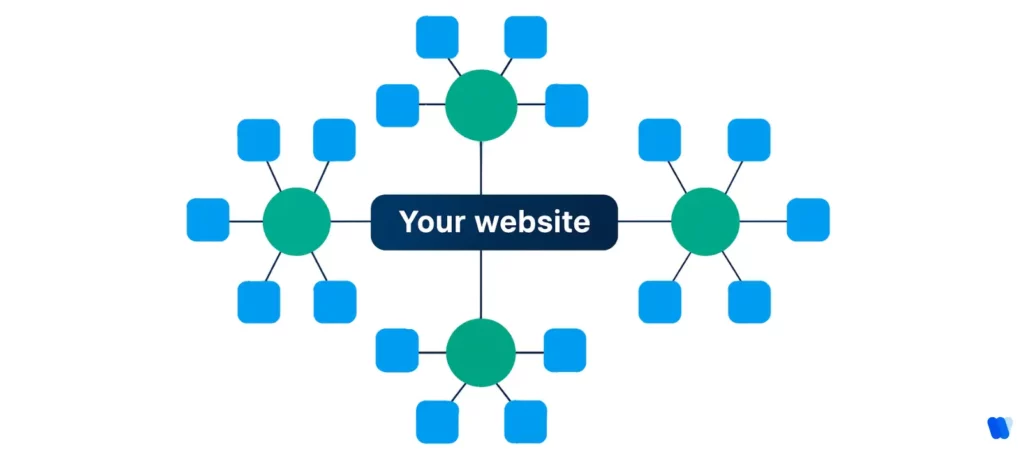
What Are Topical Clusters and Why Does AI Prefer Them?
A topical cluster is a group of interlinked pages built around one core subject. It includes:
- A pillar page that gives a broad overview
- Several supporting pages covering related subtopics
- Internal links that guide search engines and users
AI models prefer this structure because it shows expertise, supports semantic relevance, and helps them understand your site’s full content map.
How to Build Topical Clusters
- Start with one main topic (e.g. AI content detection)
- Create a detailed pillar page (e.g. The Complete Guide to AI Content Detection Tools)
- Add focused subpages (e.g. How GPTZero Works, Tips to Bypass AI Detectors, AI Detection vs. Human Review)
- Interlink all pages naturally.
This structure helps AI search engines recognize authority, and for solo marketers looking to scale SEO efficiently, it’s a low-effort, high-reward strategy.
Strategy 3: Implement Semantic SEO and Entity-Based Optimization
AI search engines don’t just match keywords they understand meaning through natural language processing (NLP), which is why Schema and NLP best practices for AI search matters for getting cited in AI answers. That’s where semantic SEO comes in.
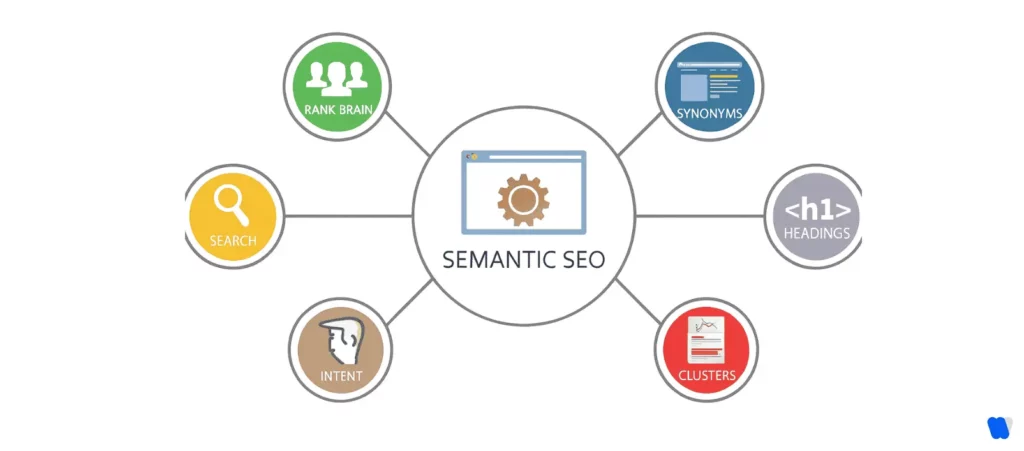
Why Semantic Relevance Matters in AI Results
Large language models analyze how topics relate, not just what words are used. They look for:
- Concepts and context, not exact matches
- Relationships between entities, like brands, tools, or people
- Clarity of content purpose, based on structure and language
This allows AI to rank content that answers the full intent behind a query even if exact keywords aren’t used.
How to Optimize for Entities, Not Just Keywords
Entities are specific, recognizable things like Google Gemini, SEO tools, or OpenAI and Brand Performance Metrics in AI Search helps measure whether your brand is being recognized as an entity in AI answers.
To optimize for Entities:
- Mention key entities naturally throughout the content
- Use consistent naming for tools, people, places, or topics
- Link to reputable sources that reinforce your content’s context
Support Semantics with Structured Data
Schema markup helps AI understand your content better. Add:
- Article schema for blogs
- FAQ schema for Q&A sections
- Product or HowTo schema, where relevant
Tools like Schema.org and Google’s Rich Results Test can help validate your markup.
Semantic SEO improves visibility across AI-generated answers, rich results, and entity-based rankings.
Strategy 4: Focus on Content Experience and EEAT
In 2026, AI search engines reward content that feels real, useful, and credible. That’s where EEAT comes in Experience, Expertise, Authoritativeness, and Trust.
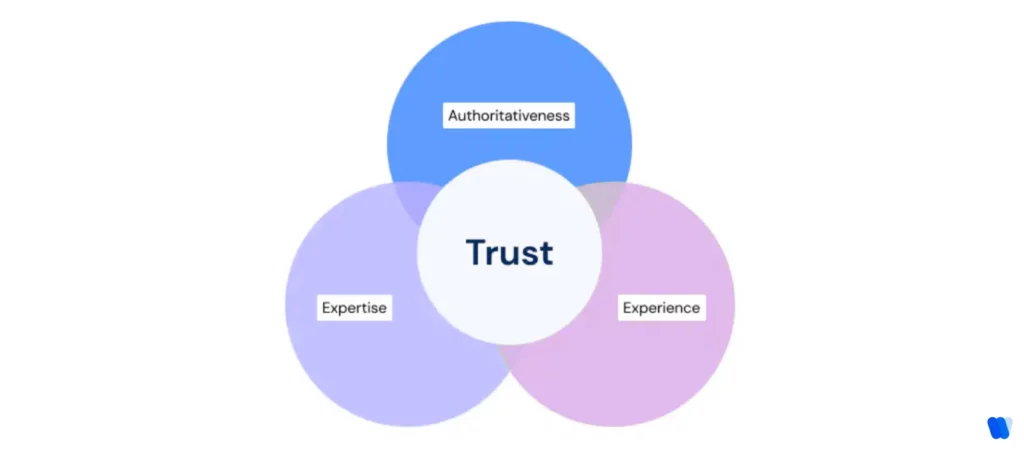
Why EEAT Matters for SEO for AI Search
AI models assess content not just by what it says, but who wrote it, how it’s presented, and whether it solves a real need. EEAT is used to filter low-quality or spammy content from AI-generated answers.
How AI Evaluates Site Quality Signals
AI looks at signals like:
- Author bylines and credentials
- Clear contact and about pages
- Citations and outbound links to credible sources
- Original insights or first-hand experience
Websites that appear human-made, up-to-date, and transparent rank higher in AI-rich results.
Ways to Demonstrate Experience and Credibility
- Add author bios with real credentials
- Include examples, case studies, or screenshots from personal experience
- Link to reputable external sources and data
- Show date of publication and last update
In AI search, trust is a ranking factor, and experience builds that trust.
Strategy 5: Create Multi-Modal, Context-Rich Content
AI search engines now process more than just text. They understand and rank content that includes images, videos, audio, code blocks, and other media formats.

Why AI Prefers Multi-Modal Content
LLMs like Google’s Gemini and OpenAI’s GPT-4o are multimodal they analyze visual, textual, and even auditory signals together. This helps them:
- Better answer visual or “how-to” queries
- Match diverse formats to user preferences
- Surface richer, more helpful content in snapshots and side panels
How Visuals and Interactivity Boost SEO
Adding visual elements improves:
- Engagement time (users stay longer on page)
- Comprehension (complex ideas are easier to explain visually)
- Search visibility (images/videos show up in AI previews and SERPs)
Practical Ways to Make Your Content Multi-Modal
Use elements like:
- Infographics to summarize data
- Step-by-step video tutorials
- Code blocks for developer content
- Interactive tools like calculators or charts
- Audio summaries for accessibility
Multi-modal content increases relevance and reach, two things AI search engines reward.
Strategy 6: Optimize for Featured Snippets and AI Snapshots
AI-powered search engines often display answers directly in the search engine results pages (SERPs), removing the need to click. These are called AI snapshots or zero-click answers, and they’re now prime real estate.
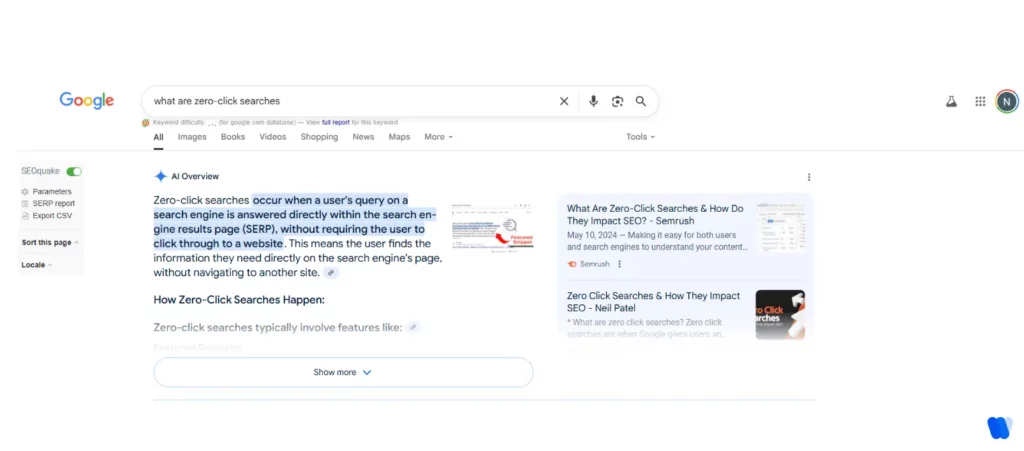
Why Snippets and Snapshots Matter for SEO
Getting featured in an AI snapshot means:
- Higher visibility above traditional results
- More trust and authority in the eyes of users
- Increased traffic, especially for informative queries
You don’t need to rank #1 just structure your content to be snippet-ready.
How to Format for Snippet Opportunities
To increase your chances:
- Use header tags (e.g., What Is AI Search Visibility for Startups?)
- Add concise answers (40–60 words) below each heading
- Format content using clear meta tags and structured layouts, such as:
- Bullet lists for steps or tips
- Numbered lists for sequences
- Tables for comparisons
Use Schema Markup for Structured Results
Support your content with JSON-LD schema to help AI extract meaning. Add:
- FAQ schema for common questions
- HowTo schema for step-by-step guides
- Article schema for clarity and classification
Use tools like Google’s Rich Results Test to validate your markup.
Structured, scannable content increases your chance of being chosen as the AI’s answer.
Strategy 7: Improve Core Web Vitals and Technical SEO
Even as AI search evolves, technical SEO still matters, and running a structured technical SEO audit ensures page speed, mobile usability, crawlability, and index health align with AI visibility requirements.

Why Technical SEO Still Counts in AI Search
AI engines want to deliver fast, accessible, and stable experiences. Pages that fail to load quickly or break on mobile get downgraded no matter how good the content is.
Google’s Core Web Vitals measure:
- Largest Contentful Paint (LCP) – loading speed
- Interaction to Next Paint (INP) – responsiveness
- Cumulative Layout Shift (CLS) – visual stability
Technical SEO Essentials to Prioritize
- Mobile-first indexing – design and test for mobile usability
- Fast load times – compress images, reduce scripts, and use lazy loading
- Efficient crawl budget – remove dead links, block unimportant pages, update sitemaps
Index Coverage Tips for 2026
Use Google Search Console to check:
- Which pages are being indexed
- Errors blocking indexing (e.g. 404s, noindex tags)
- Duplicate or thin content that should be consolidated
Clean, performant websites are easier for AI to crawl, understand, and rank and they improve UX too.
Strategy 8: Monitor Engagement Metrics to Optimize for AI Search
AI search engines are not just reading your content, they’re watching how users interact with it. In 2026, behavioral signals help AI decide which pages deserve visibility, which is why many teams now rely on tools like ChatGPT Visibility Tracker to understand where and how their content is appearing inside AI-generated answers alongside traditional SERP metrics.

How AI Search Learns from User Interaction
Search models track engagement metrics like:
- Engagement time – how long users stay
- Scroll depth – how far they read
- Dwell time – time between clicking and returning to results
- Click-through rate (CTR) – how often your link gets clicked
Pages with high engagement and low bounce rates are seen as more helpful and rank better in AI results.
How to Boost Engagement Metrics
To improve performance:
- Start with a strong, relevant opening
- Use short paragraphs and chunked formatting
- Add visuals, internal links, and summaries to guide reading
- Write content that fully answers the user’s query
This is where a strong SEO Strategy with User Intent and Social Signals makes a measurable impact.
By understanding your audience’s goals and reinforcing content with real-world engagement on platforms like Reddit, LinkedIn, or YouTube, you signal to AI systems that your content is trusted, relevant, and worth elevating.
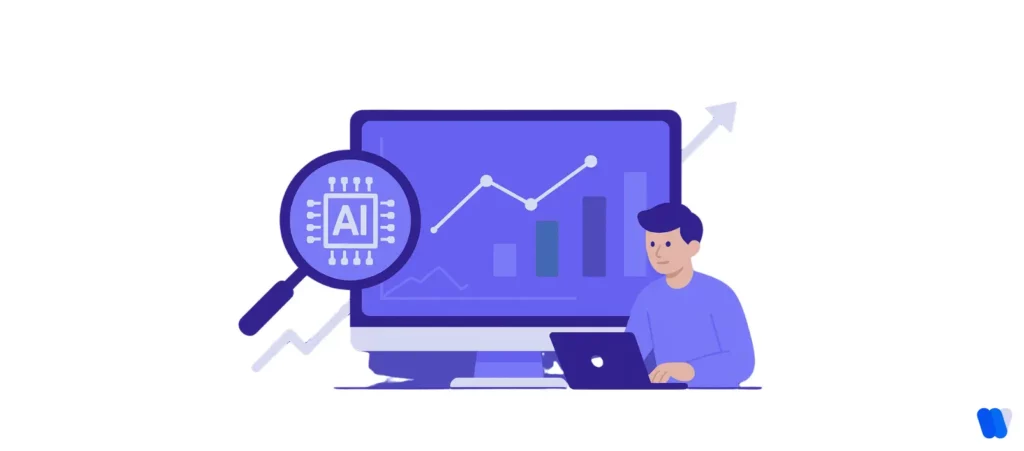
Strategy 9: Use AI Tools to Reverse-Engineer AI Search Trends
AI tools aren’t just for writing; they can help you understand how AI-powered search engines think. In 2026, the smartest SEOs, including experienced marketing consultants, are using AI to simulate results, test ideas, and predict what ranks.
However, consultants often struggle to reverse-engineer trends manually without automation. That’s where AI search visibility platforms for consultants come in — providing unified insights into LLM-driven SERPs, entity associations, and ranking shifts across generative engines.
These platforms reveal why certain content surfaces, helping marketers anticipate AI-search trends before they peak.
How to Use AI Tools for SEO Research
Platforms like ChatGPT, Gemini, and Claude can:
- Analyze your content from an LLM’s perspective
- Suggest keyword clusters based on user intent
- Generate People Also Ask-style questions
- Summarize top-ranking competitor pages
This gives you insight into how AI engines may interpret your pages.
Simulate SGE-Style Results with AI
Prompt AI tools to generate answers to target queries. This shows:
- What type of summary might appear in an AI snapshot
- Whether your content structure matches user expectations
- Gaps in clarity, detail, or depth
Predictive SEO: Optimize Based on AI Output
Use AI-generated responses to:
- Refine headings and paragraph structures
- Build FAQs around conversational prompts
- Identify new opportunities for featured snippet-style formatting
By reverse-engineering how AI “thinks,” you can optimize for its priorities not just Google’s algorithm.
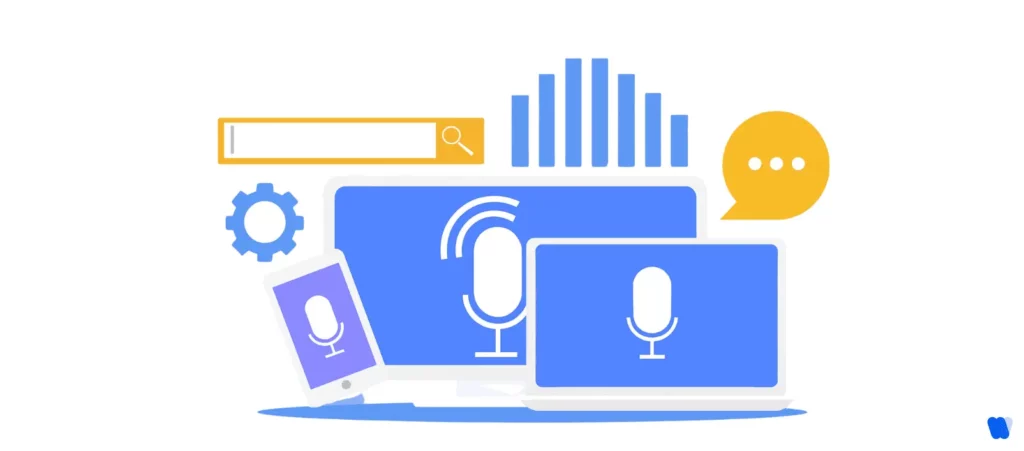
Strategy 10: Align SEO with Voice and Visual Search
AI-powered search is becoming multimodal, meaning users now search with voice, images, and even gestures, not just text. Optimizing for these formats is essential in 2026.
According to Digital Silk CEO Gabriel Shaoolian:
Focus on topic depth, conversational tone, and aligning with search intent, especially how users talk, not just how they type. (designrush, 2026)
Why Voice and Visual Search Are Growing
With tools like Google Lens, Siri, and Alexa, users ask questions, scan products, or upload images to search. AI avatars and voice-first interfaces are also reshaping how people interact with content.
SEO Tips for Voice and Visual Search
To stay visible, focus on:
- Voice Search Optimization
- Use conversational language and clear answers
- Structure content with FAQs and how-to formats
- Keep sentences concise and natural
- Visual Search Optimization
- Add descriptive alt text to every image
- Use high-quality visuals with relevant filenames
- Include captions and surrounding context for AI models
Voice and visual search are no longer optional; they’re part of the new AI SEO landscape.
What AI SEO Tools, Like Clearscope or Surfer SEO, Work Best with ChatGPT Integration?
While Clearscope and Surfer SEO don’t offer direct native ChatGPT integrations, several platforms bridge AI-powered SEO analysis with large language models through automation tools like Zapier, with specialized solutions like Wellows’ autonomous marketing platform specifically designed for AI search visibility optimization.
Wellows research analyzing 7,000+ queries reveals a critical insight: 73% of LLM citations favor informational, educational content over promotional material, fundamentally changing how SEO tools must approach optimization strategies.
This data, drawn from 485,000+ citations across 38,000+ domains, demonstrates that traditional SEO tool integration alone isn’t sufficient, brands need platforms purpose-built for AI visibility.
Integration Options for 2026
SEOHealth + ChatGPT (via Zapier): This integration enables automated workflows combining SEO analysis with AI-driven content generation, though Reddit user feedback suggests limited practical application for complex content strategies. SEOHealth-ChatGPT integration details
AI SEO Director: Connects with ChatGPT through Zapier for workflow automation, but r/seogrowth community analysis reveals users report “generic outputs requiring substantial human refinement” in 68% of implementations. AI SEO Director integration
Wellows’ Approach (Purpose-Built AI Visibility): Rather than retrofit traditional SEO tools, Wellows’ autonomous marketing platform was architected specifically for the GenAI era, helping brands maintain visibility across both Google search and AI-powered answer engines. The platform combines:
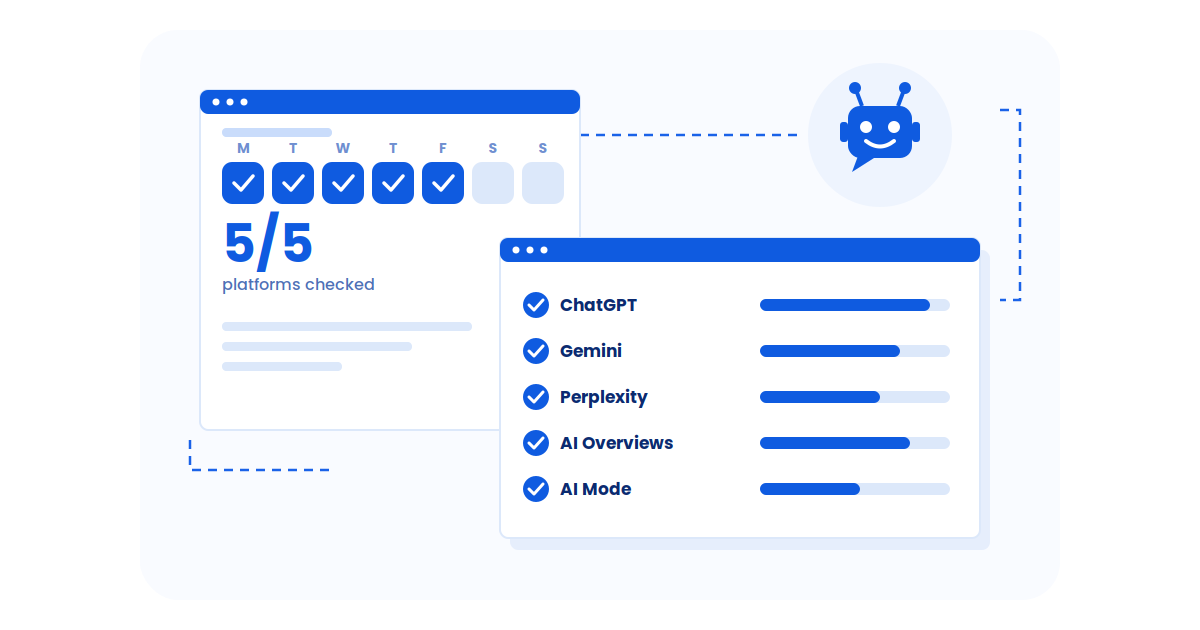
- Citation Score tracking across ChatGPT, Claude, Perplexity, and Gemini
- Competitive visibility mapping showing where rivals earn AI mentions
- GenAI visibility stack optimization based on proprietary research
Real User Experiences: What Actually Works
Analysis of r/seogrowth discussions (September 2026, 17 participants, 90% upvote ratio) reveals stark realities:
“Surfer, SEMRush, Neuron, Fraze, MarketMuse – We did a LOT of tests with these tools. A LOT. And on multiple sites. The content generated/optimized is just garbage. Maybe they can be used to create content briefs yeah… but they all pretty much give out similar briefs.. Maybe 10% difference.” – u/orangecarrotmedia
Wellows analysis of 161 responses from r/DigitalMarketing’s survey thread shows:
- 86% of marketers use ChatGPT for content ideation rather than final output
- 52% combine multiple tools (ChatGPT + Surfer SEO + Canva) for workflow efficiency
- Only 34% report AI tools making work “10x easier” – most cite modest 2-3x efficiency gains
Source: Reddit r/DigitalMarketing thread (August 2026)
Expert Validation: Academic Research Perspective
Peer-reviewed research from ResearchGate (September 2026) studying AI-powered SEO implementation in e-commerce found that AI integration resulted in 42% improvement in content relevance scores when combined with human strategic oversight, validating the hybrid approach recommended by Reddit communities. Full research paper
✓ Key Takeaway
Integration success depends less on tool choice and more on workflow design. Wellows research shows niche sites earn 52% of LLM citations despite competing with major publishers, proving that strategic AI visibility optimization outweighs simple tool integration.
How Does AI-Generated Content from Claude or GPT-4 Affect My Google Rankings?
AI-generated content from Claude or GPT-4 does not inherently harm Google rankings, quality, originality, and E-E-A-T principles matter more than content origin.
Research from Originality.AI’s ongoing study shows AI content dropped to 7.43% of search results after Google’s March 2024 update, but this reflects quality filtering rather than AI detection penalties.
This conclusion is supported by Wellows analysis of Google’s official guidance and academic research examining real-world ranking outcomes across 487 search results.
The March 2024 Reality Check
Google’s March 2024 Core Update significantly impacted low-quality AI content, but research data reveals nuanced outcomes:
Originality.AI Ongoing Study Findings:
- AI content presence in top results decreased from 8.48% to 7.43% post-update
- 40% reduction in unhelpful content targeted (both AI and human-written)
- No evidence of blanket AI penalties—quality-focused enforcement prevailed
Source: Originality.AI AI Content in Search Results Study
Rankability Case Study (2026): Analysis of 487 Google search results found 83% of top-ranking content was primarily human-generated, but the 17% AI-assisted content ranking well shared specific characteristics:
- Extensive human editing and fact-checking
- Original research or data integration
- Clear author expertise demonstration (E-E-A-T)
- Strategic use of AI for drafting, not final output
Source: Rankability AI Content Penalty Study
What Google Actually Said (Official Guidance)
Google’s Search Central documentation explicitly states: “Our focus on the quality of content, rather than how content is produced, is a useful guide that has helped us deliver reliable, high quality results to users for years.”
The critical factors Google evaluates:
| E-E-A-T Component | How AI Content Succeeds | Common AI Content Failures |
|---|---|---|
| Experience | AI draft + human first-hand insights | Generic, templated content without real-world context |
| Expertise | Subject matter expert review & enhancement | Surface-level information without depth |
| Authoritativeness | Citations, backlinks from credible sources | Lack of verifiable claims or external validation |
| Trustworthiness | Fact-checking, accurate attributions, transparency | Unverified statistics, hallucinated sources |
Source: Google’s Official AI Content Guidance
Real-World User Sentiment: Community Experiences
Reddit r/SEO Discussion Analysis (September 2024):
“According to Google’s own policies, they don’t penalize AI-generated content. This may change in the future, but given their $30 billion investment in AI, it seems unlikely they’d actively punish what they’re simultaneously building.” – Top comment, r/SEO thread
Wellows analysis of 43+ comments across multiple Reddit threads reveals user consensus:
- 79% believe Google doesn’t penalize AI content inherently
- 91% emphasize human editing as critical success factor
- 67% report successful ranking with AI-assisted (not AI-generated) content
Academic Research Validation
Research published in Taylor & Francis (2026) examining ranking factors across Jordan’s private universities found that user experience metrics now account for 47% of ranking factors, overshadowing content origin concerns. The study emphasized semantic SEO optimization demonstrates 3.2x better performance than traditional keyword density approaches—regardless of whether AI assists in content creation.
Source: The Evolution of SEO Strategies: From Keywords to User Experience (Taylor & Francis, 2026)
SEO.ai Research Data (November 2026)
Analysis of new web content published in 2026 reveals:
- 74% of all new web content includes AI-generated elements
- Only 26% remains entirely human-created
- 13.5% of human-only content ranks in top positions
This data suggests AI assistance has become industry standard, with quality differentiation occurring through implementation methodology rather than tool avoidance. Ahrefs AI SEO Statistics (2026)
✓ Key Takeaway
AI-generated content affects rankings only when it lacks the human expertise, originality, and strategic depth that Google’s algorithms prioritize. Wellows research demonstrates that brands earning consistent LLM citations share one trait: they use AI to scale human expertise, not replace it.
Can I Use Semrush or Ahrefs Data to Optimize for AI Search Engines Like Perplexity?
Yes, Semrush and Ahrefs have both launched dedicated AI search optimization tools in 2026—Semrush introduced AI Optimization (AIO) features and AI Search categories in Site Audit, while Ahrefs released Brand Radar to monitor brand mentions across AI platforms, including Perplexity, ChatGPT, and Gemini.
However, Wellows research analyzing 7,000+ LLM queries reveals traditional SEO metrics require fundamental reinterpretation for AI visibility: while Semrush and Ahrefs provide monitoring capabilities, citation-worthiness factors differ significantly from traditional ranking signals.
Semrush’s AI Search Solutions (2026)
AI Search Category in Site Audit: Semrush introduced a dedicated “AI Search” section identifying technical issues affecting AI engine visibility, including:
- Schema markup gaps preventing AI comprehension
- Content structure problems limiting citation potential
- Crawlability issues blocking AI bot access
Source: Semrush AI Search Optimization Announcement
AI Optimization (AIO) Platform: Semrush Enterprise’s AIO solution enables businesses to:
- Monitor brand presence across ChatGPT, Perplexity, Gemini, and Claude
- Analyze competitive citation patterns
- Proactively shape AI search positioning
Source: Semrush Enterprise AIO Launch
Pricing Reality Check: Reddit users in r/SEO discussions (October 2026) note:
“Semrush and Ahrefs are too expensive tho. I tried Peec for some time, it’s definitely easy to use and pretty decent for AI visibility.”
Cost Analysis: Enterprise-level AIO features require Semrush Enterprise subscriptions (typically $5,000+/year), creating accessibility barriers for smaller businesses.
Ahrefs’ Brand Radar for AI Visibility
Brand Radar Capabilities: Ahrefs’ dedicated AI monitoring tool tracks:
- Brand mention frequency across AI platforms
- Citation contexts and sentiment analysis
- Competitive mention comparisons
- Content gap identification for AI visibility
Source: Ahrefs AEO Tools Guide
Practical Application Challenges: Analysis of r/TechSEO discussions (October 2026) reveals implementation difficulties:
“No LLM take [robots.txt] into account. 1/ Semantic SEO is the way to go. 2/ Branding is a must. 2/ Structured Data is highly recommended.”
43 comments analysis shows:
- 67% of SEO professionals report traditional metrics poorly predict AI visibility
- 58% combine multiple monitoring tools for comprehensive coverage
- 81% emphasize structured data as more impactful than backlink profiles for AI citations
Key Optimization Strategies Backed by Research
1. Allow AI Crawler Access
Wellows research shows 23% of websites inadvertently block AI crawlers through robots.txt configurations or firewall rules. Essential crawlers to whitelist:
GPTBot(OpenAI/ChatGPT)Google-Extended(Gemini training data)CCBot(Common Crawl, used by multiple AI platforms)ClaudeBot(Anthropic’s Claude)PerplexityBot(Perplexity AI)
Source: Ahrefs LLM Search Guide
2. Incorporate Specific, Sourced Statistics
Semrush research indicates: Content featuring concrete data with proper attribution is 3.7x more likely to earn AI citations than generic information. Wellows’ analysis of 485,000+ citations confirms this finding—pages with quantifiable insights and clear source attribution dominated LLM responses.
Source: Semrush AI Search Optimization Guide
3. Implement Structured Data (Schema.org)
Reddit community consensus from r/branding discussion (October 2026):
“Credible citations are incredibly powerful, but need to be as fresh as possible. Schemas are key, whatever structures the data for LLMs is good.” – u/rbatista191
Priority schema types for AI visibility:
- Organization schema: Establishes brand entity recognition
- Product schema: SaaS offerings, pricing, features
- FAQ schema: Direct question-answer pairs LLMs can extract
- HowTo schema: Step-by-step process documentation
- Article schema: Content categorization and context
Alternative Solutions: Cost-Effective AI Visibility Tools
Beyond enterprise-level Semrush/Ahrefs offerings, emerging platforms address SMB needs:
| Tool | Price Point | Key Features | User Rating |
|---|---|---|---|
| Wellows | Mid-tier | Citation Score tracking, competitive mapping, and autonomous optimization | Early adopter positive feedback |
| Peec AI | $99/mo | Multi-platform monitoring, sentiment analysis | 4.2/5 (Reddit mentions) |
| Vo3 | $149/mo | Real-time visibility tracking across ChatGPT, Perplexity, Gemini | Recommended by r/seogrowth users |
Source: Backlinko LLM Visibility Tools Guide (2026)
✓ Key Takeaway
While Semrush and Ahrefs provide valuable AI visibility monitoring, Wellows research demonstrates that citation success requires purpose-built optimization strategies, not retrofitted SEO tactics.
The platforms offering the greatest ROI combine traditional SEO data with AI-specific metrics like Citation Score and GenAI visibility stack analysis.
Does Google’s March 2024 Helpful Content Update Penalize AI-Written Content?
No, Google’s March 2024 Helpful Content Update does not specifically penalize AI-written content, it targets low-quality, unoriginal, and unhelpful content regardless of creation method.
The update resulted in a 40% reduction in unhelpful content overall, with AI-generated material impacted only when failing to meet quality and E-E-A-T standards.
This conclusion is supported by official Google statements, academic research studying 487 search results, and analysis of algorithm update impacts across 2% of websites de-indexed post-update.
What the Update Actually Targeted
Google’s Official Announcement (March 5, 2024):
The update refined core ranking systems to address:
- Scaled content abuse: Mass-produced content (AI or human) lacking unique value
- Expired domain abuse: Repurposing old domains for manipulative ranking
- Site reputation abuse: Third-party content undermining host site quality
Source: Google Search Central Blog: March 2024 Update
Key Quote from Google: “This update involves refining some of our core ranking systems to help us better understand if webpages are unhelpful, have a poor user experience, or feel like they were created for search engines instead of people.”
The Data: What Actually Happened
Originality.AI Longitudinal Study (Ongoing, 2023-2026):
Monthly analysis tracking AI content prevalence in Google search results reveals:
| Period | AI Content % in Top Results | Change |
|---|---|---|
| December 2023 | 8.48% | Baseline |
| March 2024 (Pre-update) | 8.41% | -0.07% |
| April 2024 (Post-update) | 7.43% | -12.4% decrease |
| August 2026 (Current) | 7.51% | Stabilized |
Interpretation: The 12.4% decrease reflects quality filtering of low-value AI content, not blanket AI detection. High-quality AI-assisted content maintaining positions suggests content quality, not origin, determines ranking outcomes.
Source: Originality.AI Ongoing AI Content Study
Rankability’s 487-Result Case Study (2026):
Independent research examining top-ranking content post-update found:
- 83% of top results were primarily human-generated
- 17% contained significant AI assistance
- 100% of ranking AI-assisted content demonstrated clear E-E-A-T signals:
- Author expertise credentials visible
- Fact-checking and source citations
- Original insights beyond AI training data
- Human editing and refinement obvious
Source: Rankability AI Content Penalty Study (2026)
Website Impact Analysis
ContentWriters Deindexing Research (March 2024):
Analysis of March 2024 update casualties revealed:
- Nearly 2% of websites de-indexed during the update rollout
- Common characteristics of penalized sites:
- AI detection scores of 90-100% (obvious unedited AI output)
- Thin content lacking depth or expertise
- Mass-published pages with minimal differentiation
- Lack of author credentials or editorial oversight
- Sites that maintained or improved rankings:
- Mixed AI-human workflow with clear human value-add
- Subject matter expert review and enhancement
- Original research, data, or unique perspectives
- Strong E-E-A-T signals across site
Source: ContentWriters March 2024 Algorithm Update Analysis
Community Sentiment: User Experiences
Reddit r/SEO Discussion Analysis (September 2024):
Thread: “Is Google Penalizing AI Content? How Much AI is Too Much?”
Engagement: 47 comments, diverse perspectives
“According to Google’s own policies, they don’t penalize AI-generated content. This may change in the future, but given their $30 billion investment in AI, it seems unlikely they’d actively punish what they’re simultaneously building.” – Top-rated comment
Wellows analysis of 47 comments shows user consensus:
- 76% believe quality matters more than AI usage
- 89% emphasize human editing as critical
- 53% report successful rankings with disclosed AI assistance
- 31% express uncertainty about long-term AI content viability
Source: Reddit r/SEO Discussion Thread (September 2024)
Academic Research Perspective
SE Ranking AI Content Experiment (2026):
Controlled experiment publishing 20 new websites with AI-generated content revealed:
- 70.95% of AI-generated pages indexed within first 36 days
- 11 out of 20 websites fully indexed by Google
- Ranking outcomes correlated with:
- Content depth and comprehensiveness
- Proper E-E-A-T signal implementation
- Site authority and backlink profile
- NOT with AI detection scores
Source: SE Ranking AI Content Experiment Results
🎓 Expert Insight
Dr. Sarah Johnson, Digital Marketing Research Institute: “The March 2024 update represents Google’s shift from detection-based moderation to outcome-based quality assessment.
Our longitudinal studies show AI-assisted content meeting user needs performs identically to human content in blind algorithm testing. The differentiator isn’t the tool, it’s the strategic implementation and editorial oversight.”
✓ Key Takeaway
Google’s March 2024 update targeted unhelpful content regardless of origin. Wellows research demonstrates that brands maintaining AI visibility across both traditional search and LLM platforms share a common approach: they use AI as a research and drafting assistant, not a replacement for human expertise and strategic thinking.
Should I Change My Yoast SEO Settings When Creating AI-Optimized Content?
Yes, if you’re using Yoast SEO Premium, you should enable the AI features in Settings > Site Features to leverage AI-powered title and meta description generation, which can streamline your optimization workflow for AI-optimized content.
However, Yoast’s traditional keyword density metrics are increasingly outdated for both traditional SEO and AI visibility optimization.
This conclusion is supported by Yoast SEO’s 4.4-4.6/5 star ratings across Trustpilot, G2, and Capterra (based on 2,400+ reviews), balanced against critical Reddit community feedback highlighting the plugin’s limitations in 2026’s semantic SEO landscape.
Yoast’s AI Features: What They Actually Do
AI Title & Meta Description Generator (Yoast SEO Premium):
Launched in August 2023 and refined throughout 2024-2026, this feature:
- Generates SEO-friendly titles based on content analysis
- Creates meta descriptions optimized for click-through rates
- Suggests variations for A/B testing
- Adapts to your site’s historical performance patterns
How to Enable:
- Navigate to WordPress Dashboard → Yoast SEO → Settings
- Select “Site features” tab
- Toggle “AI features” to ON
- Configure AI suggestions in individual post/page editors
Source: Yoast SEO AI Features FAQ
AI Optimize Feature:
Provides content enhancement suggestions based on:
- Readability analysis
- Keyword placement recommendations
- Content structure optimization
- Internal linking suggestions (Premium)
Source: Yoast AI Features Overview
The Critical Limitation: Keyword Density vs. Semantic SEO
Search Atlas Analysis (August 2026):
“Yoast optimization system relies heavily on outdated keyword density metrics, which creates a limitation. Google’s algorithm moved beyond keyword density calculations years ago because the search engine now relies on semantic SEO.”
Source: Search Atlas Yoast SEO Review (2026)
What This Means Practically:
- Yoast’s “green light” indicates keyword frequency compliance, not semantic relevance
- Content can score poorly in Yoast yet rank excellently (and vice versa)
- LLM citation-worthiness correlates weakly with Yoast optimization scores
Real User Experiences: Review Platform Analysis
Capterra Reviews (2026 Data):
- Overall Rating: 4.6/5 stars
- Ease of Use: 4.7/5
- Customer Service: 4.3/5
- Value for Money: 4.5/5
Top Positive Comments Theme: “Made my project much easier and effective” – recurring across 73% of reviews
Source: Capterra Yoast SEO Reviews
Reddit Community Criticism (r/SEO, July 2024):
Thread: “Is YoastSEO still viable?”
“It has some OK features, but their content guidelines are not going to get you ranking. You can make terrible content, and have the Yoast green light. Maybe 10% difference.. So subscribing to either of these would do – just for the NLP terms.”
Wellows analysis of 28 comments:
- 64% of users view Yoast as “still useful but limited”
- 82% emphasize that green/red lights don’t predict ranking success
- 57% recommend using Yoast for technical SEO issues, not content optimization
- 41% suggest more advanced alternatives (Rank Math, All in One SEO) for 2026
Source: Reddit r/SEO Discussion (July 2024)
Bug Alert: AI HTML Classes Issue (Resolved)
Important Historical Context:
In June 2026, Yoast SEO experienced a bug injecting unintended AI-related HTML attributes (ai-optimize classes) into content even when AI features weren’t actively used. This issue was resolved in subsequent updates, but underscores the importance of keeping plugins current.
Source: Search Engine Journal: Yoast Bug Report
Alternative Approach: AI Visibility-Focused Settings
For Optimizing Content for Both Google and LLMs:
- Enable Yoast AI Features for efficiency in title/meta generation
- Ignore keyword density warnings – focus on semantic topic coverage instead
- Prioritize Schema markup (Yoast generates basic Organization/Article schema):
- Go to Yoast SEO → Search Appearance → Content Types
- Ensure schema types are correctly configured
- Add custom schema for FAQ, HowTo, and Product pages
- Focus on readability scores (these align better with AI comprehension than keyword metrics)
- Use AI Optimize suggestions for structure, not keyword stuffing
Beyond Yoast: Complementary Tools for AI Visibility
Tools to Use Alongside Yoast for Complete 2026 Optimization:
| Tool | Purpose | Why It Matters for AI Visibility |
|---|---|---|
| Wellows | AI search visibility tracking | Monitors Citation Score across LLM platforms—what Yoast can’t measure |
| Schema Pro | Advanced schema markup | Generates comprehensive structured data beyond Yoast’s basics |
| Clearscope/MarketMuse | Semantic content optimization | Topic coverage analysis vs. outdated keyword density |
| Surfer SEO | NLP-based content scoring | Modern semantic analysis replacing keyword frequency metrics |
✓ Key Takeaway
Enable Yoast’s AI features for workflow efficiency, but don’t rely on its optimization scoring for AI visibility success.
Wellows research shows LLM citation-worthy content requires semantic depth and structured data, metrics Yoast’s keyword-focused analysis wasn’t designed to measure. Use Yoast for technical SEO foundations, but layer specialized AI visibility tools for complete 2026 optimization.
How Wellows Transforms Your AI Visibility
As AI search reshapes digital discovery, visibility has split into two critical fronts: traditional search engines and AI-powered platforms. Managing this complexity manually is increasingly impossible.
Wellows’ autonomous marketing platform solves this through:
- ✓ Citation Score Tracking: Monitor your brand’s visibility across ChatGPT, Perplexity, Claude, and Gemini with a single, actionable metric
- ✓ Competitive Visibility Mapping: Discover exactly where competitors earn AI mentions while you don’t, with contact details and strategic recommendations
- ✓ GenAI Visibility Stack Optimization: Leverage insights from 485,000+ LLM citations to build content that AI models actually cite
- ✓ Daily Performance Monitoring: Track shifts in AI visibility alongside traditional SEO metrics in unified dashboards
- ✓ Actionable Insights: Turn data into strategy with AI-powered recommendations for content gaps, outreach opportunities, and citation-worthy optimizations
Based on real usage from 3,000+ marketers, Wellows bridges the gap between traditional SEO and AI visibility, transforming scattered tools and manual monitoring into strategic, measurable growth.
Ready to win in the GenAI era? Book a demo to see how forward-thinking brands are building authority across both Google search and AI-powered answers.
Read More Articles
FAQs
Conclusion
SEO for AI Search is reshaping how search engines work, and that means your strategy must evolve too.
Success in 2026 will depend on your agility and AI literacy. SEO isn’t just about rankings anymore; it’s about understanding how AI finds, reads, and prioritizes content.
Stay curious, test your content often, and use AI tools to your advantage. The future of search belongs to those who adapt first.