Google I/O 2025, Google’s flagship developers’ conference, just wrapped up, and wow, there’s a lot to talk about. If you’re a marketer like me, keeping up with Google’s latest announcements isn’t just exciting, it’s essential.
From powerful AI tools to Google’s latest tech introductions to big changes in how search works, this year’s event made one thing clear: the future of marketing is being shaped by Google’s AI-first approach.
In this recap, I’ll break down the key developments in Google technology and the most important highlights for digital marketers, SEOs, and content creators.
Whether you’re crafting search-optimized content, managing ad campaigns, or building brand presence online, the updates to Gemini, Search, Android, and Workspace are worth your attention.
Let’s explore the key takeaways that could redefine your marketing strategy in the months to come.
Key Highlights from Google I/O 2025
Before we dive into the details, here’s a quick look at the major announcements from Google events, especially Google I/O 2025. You can click on any section to jump straight to the one that matters most to you:
- Gemini’s Expanding Role in Google Products – Google rolled out Gemini 1.5 Pro, Flash, and Project Astra across Search, Android, and Workspace.
- AI Overviews & AI Mode in Search – Google Search now delivers AI-generated summaries and direct answers.
- Gemini in Google Workspace – Gmail, Docs, and Sheets get powerful AI upgrades for writing, summarizing, and collaboration.
- Android 16 & Android XR – Android gets a visual refresh and a new XR platform for immersive experiences.
- Creative Tools: Imagen 3, Veo & Flow – AI-generated images, videos, and filmmaking tools make content creation easier than ever.
- Developer & AdTech Announcements – Tools like Gemini API, AI Studio, and Stitch enable faster, smarter development.
AI Took the Spotlight: Gemini’s Expanding Role
It’s official—Google is going all-in on AI, and Gemini is leading the charge. At I/O 2025, Google introduced several major upgrades to its AI model, including Gemini 1.5 Pro, the faster Gemini 1.5 Flash, and a mind-blowing demo of Project Astra—an early look at Google’s vision for a real-time, context-aware AI assistant that can “see,” “hear,” and respond in natural conversations.
These tools aren’t just cool tech experiments—they’re being baked into the very core of how we’ll interact with Google products moving forward.
Gemini isn’t staying in the lab—it’s already woven into Search, Gmail, Docs, Android, and Workspace. That means the AI is right there helping users write emails, summarize long documents, plan trips in Google Maps, and even assist in coding or generating presentation slides.
As a marketer, this kind of deep integration opens up great new opportunities and raises a few challenges, including growing concerns around AI poisoning and malware marketing.
What This Means for Marketers:
AI Search Overviews & AI Mode: A New Search Paradigm
One of the biggest shifts announced at Google I/O 2025 was the expansion of AI Overviews and the introduction of a dedicated AI Mode in Search. Instead of showing users a list of links, Google now delivers AI-generated summaries that answer questions directly—right at the top of the page.
For brands, this shift makes how to optimize for Google AI Overviews less about ranking #1 and more about being the cited source inside the summary.
This move transforms how people interact with search results. Users can get full answers without clicking any links, which mirrors how answer engines like Perplexity surface sources—making it essential to structure content the way AI systems select and cite it when aiming to rank in Perplexity. It’s faster, more convenient—and a huge change for content creators and SEOs who rely on organic traffic.
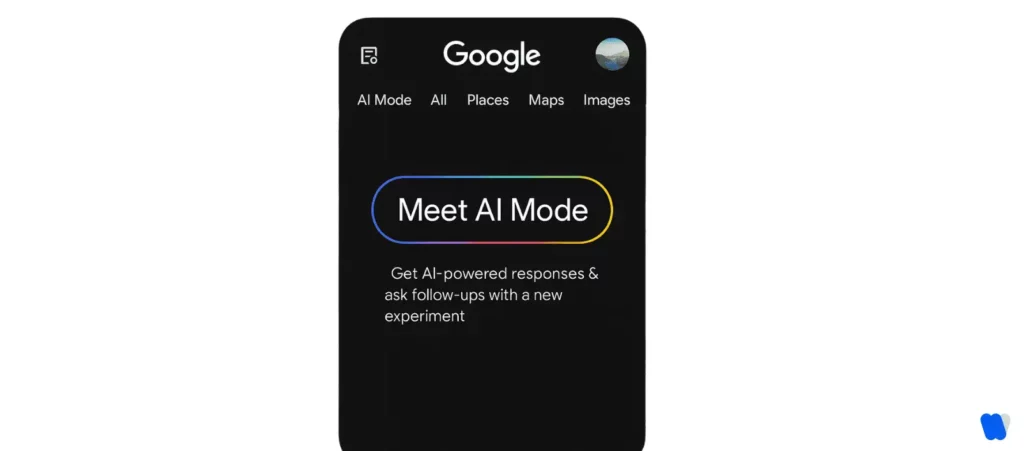
What This Means for SEO and Content Visibility:
In this new search environment, the rules of visibility are being rewritten by frequent AI Algorithm updates that prioritize synthesis over simple link retrieval.
Marketers and SEOs must evolve from just chasing rankings to designing content for AI-driven discovery.
This shift is contributing to a major rise in zero-click searches, where users find what they need directly on the search page without clicking any links.
Google Workspace Updates: Gemini in Productivity
Google I/O 2025 brought exciting upgrades to Workspace tools, with Gemini now deeply embedded in Gmail, Docs, Sheets, and Slides. And since AI-generated content now plays a bigger role in search performance, it’s important to align output with key search engine ranking factors. This isn’t just light AI assistance—it’s a real productivity boost.
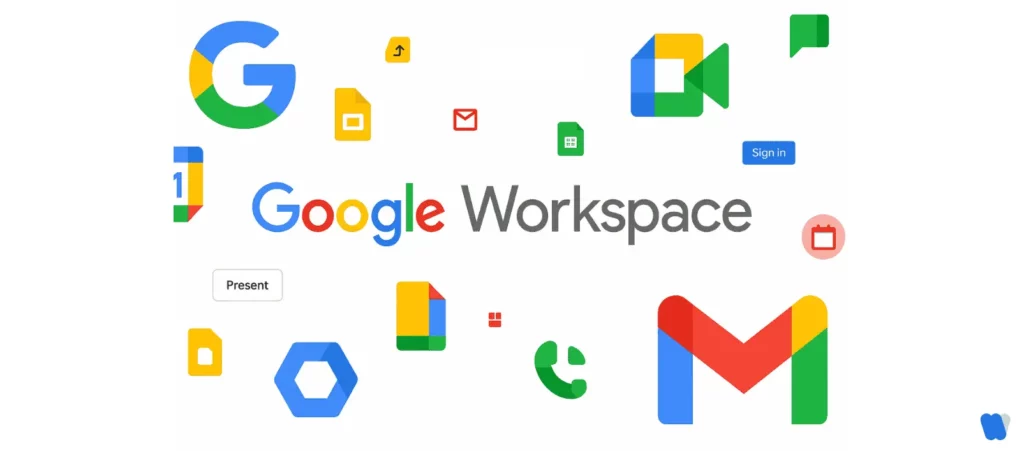
You can now use Gemini to write entire emails, generate presentations from a few prompts, and even get smart replies that match your tone and style. It’s fast, natural, and saves tons of time.
Why Marketers Should Care:
With Gemini in Workspace, marketers no longer have to start from scratch. It’s like having a creative partner built right into your workflow.
Android 16 and XR: Mobile & AR Marketing Opportunities
Google introduced Android 16 with a fresh design and smoother performance, making the mobile experience more intuitive and expressive. The update focuses on personalization, accessibility, and seamless AI integration.
But the real surprise was the launch of Android XR—a new platform built for extended reality. With support for smart glasses (like those from Samsung and others), Google is stepping firmly into the world of AR.

What This Means for Marketers:
With Android XR and Gemini on mobile, marketers have new tools to connect with audiences in immersive, intuitive, and highly personalized ways. The future of mobile marketing is looking more real—and more virtual—than ever.
Creative Tools: Imagen 3, Veo, and Flow
Google showcased its most advanced creative AI tools at I/O 2025—Imagen 3, Veo, and Flow—designed to make high-quality visuals and videos more accessible than ever.
- Imagen 3 generates ultra-realistic, photorealistic images from text prompts.
- Veo creates cinematic videos, complete with motion, style, and scene changes.
- Flow is a new AI filmmaking tool that helps creators storyboard and produce animations with ease.
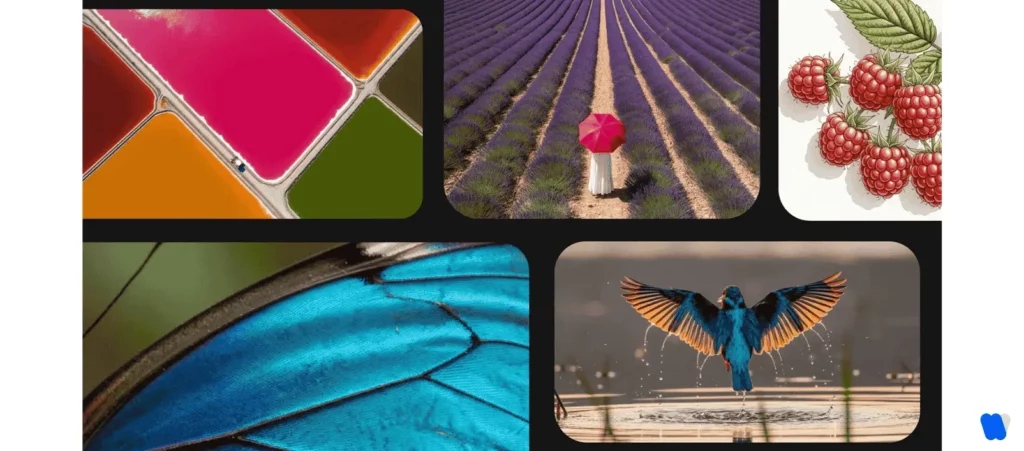
What This Means for Marketers:
For marketers, Imagen 3, Veo, and Flow aren’t just tools—they’re content accelerators. In 2025, visual storytelling powered by AI will set brands apart. They play a growing role in AI content creation workflows.
Developer & AdTech Advancements
While much of Google I/O 2025 focused on end-user features, developers also got powerful tools to build with AI. The new Gemini API and AI Studio allow teams to create custom AI experiences, including marketing bots, content tools, and solutions that support scalable SEO strategies from the ground up.
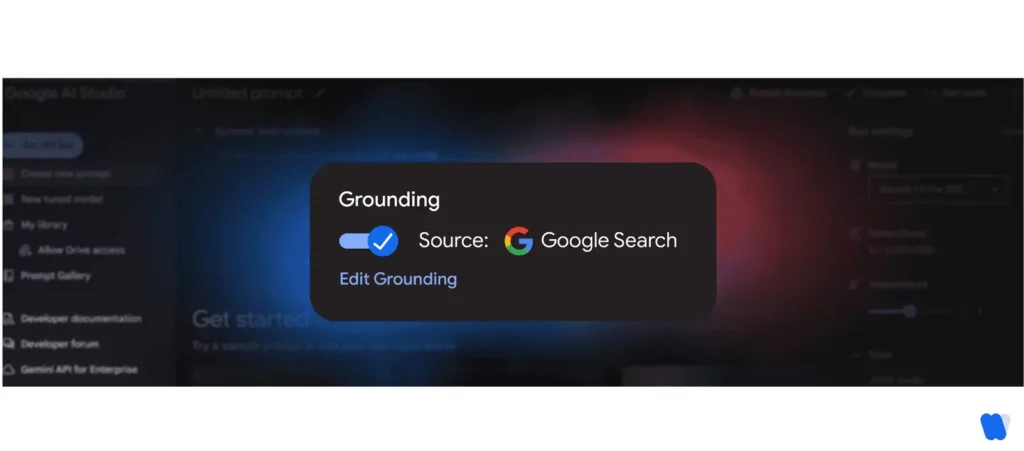
Google also introduced Stitch, an AI tool that turns design mockups into production-ready frontend code. This speeds up web and app development, making creative ideas go live faster.
Why It Matters for Marketers:
Even if you’re not coding, these tools open up endless possibilities to bring smarter, faster, AI-driven marketing ideas to life.
Key SEO Takeaways for 2025
With Google’s AI Overviews and AI Mode becoming central to the search experience, the SEO landscape is undergoing a major shift. Traditional ranking is no longer the only goal—now it’s also about making your content AI-friendly and contextually rich. Here’s what SEOs and content marketers need to prioritize:
- Create authoritative, in-depth content
Google’s AI prefers reliable sources with clear topical expertise and well-researched information. - Answer user intent early and clearly
Start your content with direct, concise answers to increase chances of being featured in AI-generated summaries. - Use semantic structure
Organize content with proper headers (H1, H2, H3), lists, tables, and schema markup to help AI understand it better. - Think beyond keywords
Optimize for topics and context, not just exact-match queries as explored in our LLM content strategy guide, not just exact-match queries - Prepare for Generative Engine Optimization (GEO)
Write with the AI in mind—make content scannable, extractable, and valuable in bite-sized chunks. - Monitor content attribution
Keep an eye on how your content appears in AI Overviews. Visibility without clicks is a growing challenge.
SEO in 2025 is about more than just search rankings—it’s about shaping how AI presents and interprets your content. The smarter your structure, the stronger your visibility. Learn how to improve it using key SEO metrics that matter in 2025.
What Marketers Should Do Next
With Google’s AI-first direction now in full motion, marketers can’t afford to wait and watch. The tools, trends, and expectations are evolving fast—and those who adapt early will have the biggest advantage. Here’s how to stay ahead:
- Audit your existing content for AI visibility
Check if your top-performing pages are optimized for AI Overviews (clear answers, structure, authority). - Embrace Gemini-powered tools
Use Gemini in Workspace to speed up writing, research, brainstorming, and reporting. - Experiment with GEO (Generative Engine Optimization)
Write for both users and AI: be concise, direct, and deeply informative to surface in AI summaries. - Test multimodal content strategies
Mix formats—text, video, and visuals—to match how AI models now consume and present information. - Track AI content usage and attribution
Stay aware of how your content is used in AI summaries and humanize AI-generated content to maintain brand voice and audience connection.
Taking action now means you won’t just keep up—you’ll lead. The marketers who learn to work with AI will shape the future of content, engagement, and visibility.
FAQs
Conclusion
This recap serves as an overview of Google’s annual announcements—and Google I/O 2025 wasn’t just about flashy product demos—it was a wake-up call for every marketer paying attention. AI isn’t coming, it’s here—and it’s changing how we write, rank, design, and deliver value.
This is the moment where we shift from using tools to thinking with them. Whether it’s crafting smarter content with Gemini, adapting to AI-powered Search, or launching campaigns in entirely new formats, we’re entering a new era of marketing.
To integrate these innovations into a scalable, results-driven SEO framework, visit our complete SEO resource guide.
So what now? Stay curious. Stay adaptable. Start experimenting. The future belongs to marketers who are ready to collaborate—not compete—with AI.