For decades, industrial manufacturing has depended on long sales cycles, technical catalogs, trade shows, and distributor networks. But buying behavior is shifting fast.
From my experience working in an automotive assembly environment, I’ve seen how early research and supplier recommendations strongly influence final buying decisions.
A new pattern is emerging:
Before visiting a website, buyers ask an AI tool for recommendations. In fact, 58% of consumers now use generative AI tools instead of traditional search engines for product and service recommendations, up from 25% in 2023 — showing how people increasingly trust AI to guide buying decisions (Retail Customer Experience, 2025)
That means if AI platforms don’t recognize your brand, your products, or the problems you solve, you may never make it into the consideration set.
The industry has spent years optimizing for Google. Now, the real challenge is becoming visible inside AI-driven discovery systems — where the influence happens long before anyone performs a traditional search.
This shift has made AI-driven brand visibility in industrial manufacturing a core competitive factor, as companies now depend on how effectively AI systems can interpret and present their capabilities.
What is AI Search Visibility for Industrial Manufacturing Brands?
Search Engine Visibility refers to how clearly AI platforms understand a manufacturing brand, its products, and where those products fit within industrial applications. If AI tools can’t interpret this information, they won’t recommend the brand when buyers ask for solutions.
For manufacturers, this visibility determines whether AI mentions them in equipment comparisons, troubleshooting guidance, or supplier shortlists. When AI is asked for the best pump, robot, or component, only well-understood brands appear.
In simple terms, this is the foundation of what AI search visibility means for manufacturers and how search visibility of industrial brands using AI is reshaping the discovery process.
Visibility depends on structured product information, clear use-case explanations, and strong authority signals across the web. These elements help AI models map the brand to specific problems, industries, and capabilities.
This is also why the impact of AI on search rankings for manufacturing brands is becoming more visible, with better-structured companies gaining stronger positions in AI responses.
How AI Search Works for Industrial Manufacturing Brands
AI search engines work differently from traditional search engines. They don’t just crawl pages and rank them; they interpret meaning, context, and relevance. Instead of keywords, AI models rely on how well they understand:
- Your products
- Your applications
- Your expertise
- Your authority within your sector
AI isn’t looking for exact-match phrases. It’s looking for entities, relationships, and mentions that help it determine:
- What your brand does
- When it should recommend your products
- Where you fit in industrial conversation spaces
If your brand isn’t represented in that understanding or if your digital footprint is outdated, AI systems fail to mention you even when your solutions are a perfect fit.
Why AI Search Visibility Matters for Industrial Brands
Industrial manufacturing already has a long, complex buying process. AI is now influencing each stage of that journey.
On the factory floor, teams often need quick answers to avoid downtime. That’s why early recommendations often coming from AI tool matter so much.
Buyers ask AI tools about:
- The best supplier for a specific material
- Machinery options for certain load or speed requirements
- Component compatibility
- Energy-efficient alternatives
- Pricing expectations
If your brand doesn’t appear in these answers, you’re already out of the funnel.
Maintenance teams and engineers use AI for:
- Troubleshooting equipment failures
- Finding replacement parts
- Exploring retrofit options
- Learning about new technologies
When AI tools pull answers from industry conversations but don’t mention your products, you lose exposure.
Procurement teams rely on AI to:
- Build shortlists
- Compare OEM specs
- Validate compliance
- Understand certifications
- Evaluate total cost of ownership
Missing from these recommendations means missing potential contracts (often high-value ones). As AI tools become more prominent, improving online presence for industrial companies increasingly depends on what role AI plays in enhancing digital presence for industries across sectors.
What AI Search Is Replacing in Industrial Buying
then
Traditional industrial research involves digging through:
- Long PDFs and product catalogs
- Supplier directories
- Engineering forums
- Distributor websites
- Emails with sales reps requesting specs
now
Today, a buyer can simply ask:
- “Which manufacturer offers chemical-resistant polymer bearings?”
- “What’s the best robotic arm for a compact welding cell?”
- “What are reliable alternatives to brand X for hydraulic pumps?”
If AI doesn’t mention you here, you don’t exist in the room where decisions start. As generative search tools become a primary starting point for engineering questions, a machinery brand’s presence in generative search now determines whether it enters the buyer’s shortlist at all.
The Visibility Challenges Industrial Brands Face
Industrial brands face unique obstacles when it comes to AI-driven visibility, largely due to the complexity of their products and the fragmented nature of their digital footprints. These challenges make it harder for AI systems to accurately understand, categorize, and recommend their solutions.
1. Complex Technical Products
Industrial companies sell products with:
- Multiple configurations
- Highly specific parameters
- Compliance requirements
- Industry-specific terminology
AI struggles to interpret this when information is unclear or inconsistent.
2. Outdated Digital Footprints
Many manufacturing websites:
- Haven’t been updated in years
- Depend heavily on PDFs
- Don’t use structured data
- Provide minimal context about use-cases
AI tools cannot fill the gaps on their own.
3. Scattered Mentions Across the Web
Industrial brands often appear in:
- Industry forums
- Training videos
- Supplier listings
- Old press releases
But this information is fragmented, making it harder for AI to recognize the brand as a reliable entity.
4. Missing Authority Signals
AI relies on signals like:
- Case studies
- Detailed documentation
- Application breakdowns
- Certifications
- Industry commentary
Industrial brands often have these resources but don’t publish or structure them openly.
How to Get Cited in AI Manufacturing Discussions
Many teams are now looking for practical ways of improving industrial company AI search rankings, since generative systems rely on brand understanding rather than keyword-based optimization.
Manufacturing Company AI Visibility Strategies
1. Create AI-Readable Technical Content
AI tools favor content that clearly explains:
- What the product does
- Who it’s for
- Where it’s used
- Why it’s chosen over alternatives
This isn’t about keyword density. It’s about clarity and structure.
Practical steps:
- Convert complex PDFs into web-readable pages
- Add application-focused descriptions
- Publish comparison charts and troubleshooting guides
- Make part numbers and variants easier to interpret
2. Build Both Implicit and Explicit Mentions
AI visibility depends on two types of mentions:
| Type | Meaning | Example |
| Explicit | Brand is named | “FANUC robotic welding solutions” |
| Implicit | Brand isn’t named, but the topic aligns | “best robotic welding systems for automotive plants” |
Industrial brands need both. This includes appearing in:
- Industry articles
- Vendor lists
- Automation blogs
- Engineering tutorials
- Trade publications
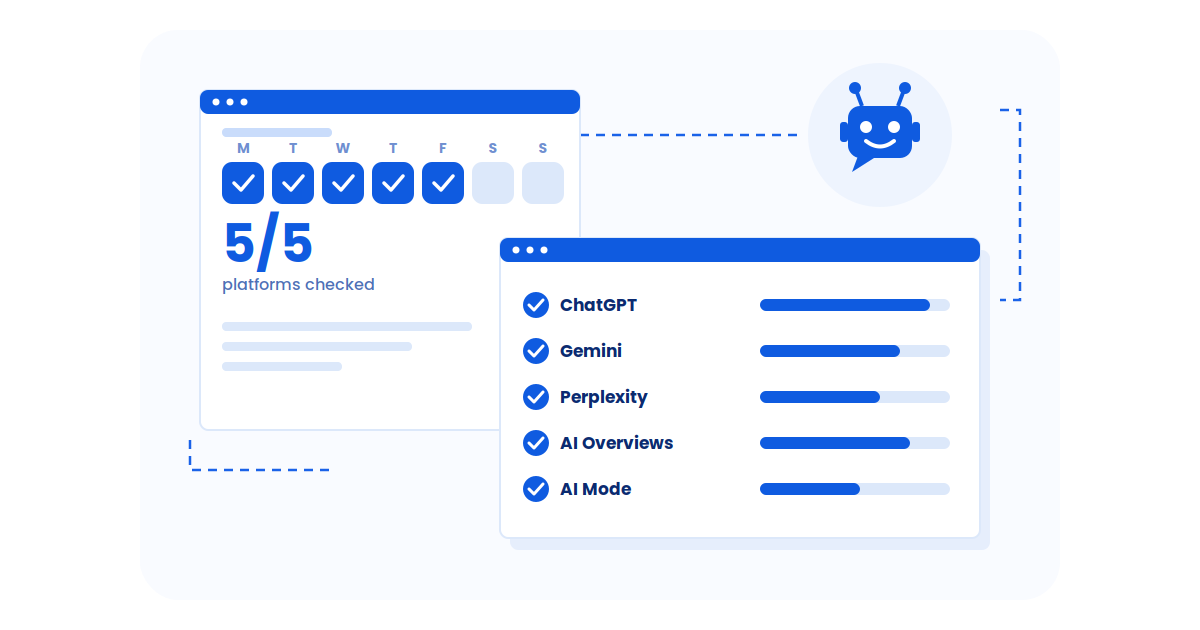
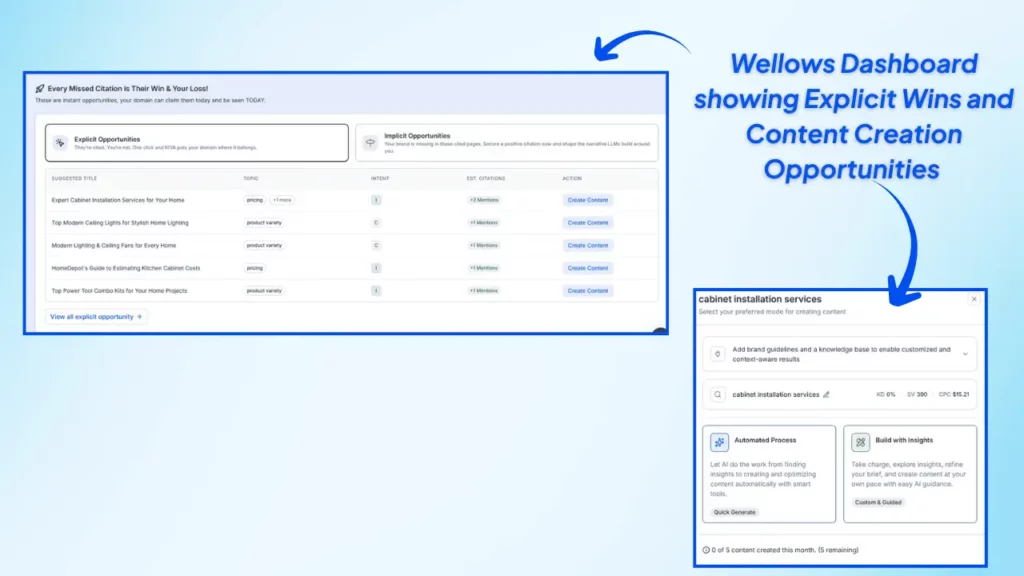
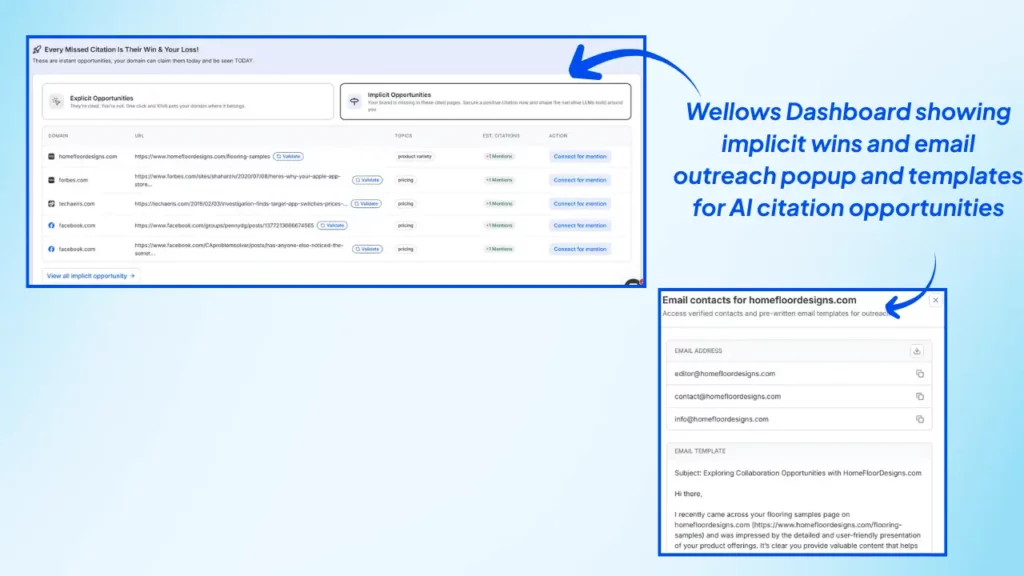
Wellows helps track and expand these mentions in AI ecosystems. Wellows doesn’t just show where your brand appears. It reveals every explicit and implicit mention across AI search responses. The dashboard highlights opportunities you’re already winning and the ones you could capture with better content, stronger signals, or quick outreach.
The platform also surfaces outreach-ready citation opportunities, complete with contact details and templates. This makes it easy for industrial brands to follow up, secure missing mentions, and strengthen their visibility across AI-driven conversations.
3. Strengthen Digital Authority
Authority is built through:
- Case studies
- Technician guides
- Industry certifications
- Safety and compliance information
- Real-world application stories
This is content AI models rely on when determining expertise.
4. Industrial Equipment Brand GEO Optimization
AI systems often tailor recommendations based on geography, industry clusters, and regional supply needs. To strengthen GEO visibility, manufacturers should highlight where their equipment is commonly installed, supported, or distributed. Regional case studies, localized application examples, and clear availability signals help AI understand where your brand is most relevant.
This allows AI tools to recommend your products for nearby facilities, local regulations, and geographically specific use cases. Better GEO alignment means your brand appears in region-sensitive AI queries—especially when buyers search for suppliers within a particular area or industrial hub.
5. Improve Product Discoverability
AI should easily understand your product catalog. That means:
- Short summaries for each product line
- Clear technical specs
- Defined use cases
- Installation guidance
- Compatibility notes
- Lifecycle or maintenance expectations
6. Bring Human Expertise Online
Human experience feeds the AI knowledge ecosystem.
Industrial brands should publish:
- Interviews with engineers
- Lessons from real installations
- Process improvements made using your equipment
- Common problems and solutions
- Observations from field technicians
The Rise of AI-Assisted Procurement
AI is quickly becoming a decision-making partner for procurement teams.
Soon, AI will handle:
- Vendor comparisons
- Cost analysis
- Energy or efficiency forecasting
- Replacement part logic
- Long-term maintenance estimates
- Risk assessments
If your brand isn’t recognized or understood by AI tools, it won’t be included in these evaluations.
And that means losing opportunities before they even reach your website.
How Wellows Helps Industrial Manufacturing Brands Stand Out
Industrial brands can no longer rely only on SEO or long-standing industry relationships. They need visibility in the AI ecosystem, the space where modern research and recommendation cycles begin.
Wellows strengthens AI visibility through:
- Expanded brand presence across the web
- Insights into how AI tools interpret your brand
- Monitoring implicit and explicit AI mentions
- Improving entity recognition for your products and categories
- Enhancing digital authority signals
- Benchmarking your AI visibility against competitors
For industrial companies selling complex, technical products, this level of clarity can be the difference between being recommended or being overlooked.
If you want to see how your brand appears in AI search today and what it could look like with stronger visibility, Start Your 7 Day Free Trial to explore your opportunities firsthand.
Discover how AI-driven visibility strategies apply across industries. Each guide offers actionable insights to strengthen brand authority in AI-generated answers within its niche.
- AI Search Visibility for Mobile Apps Businesses: Improve app discovery through AI recommendations, task-based queries, and generative assistant comparisons.
- AI Search Visibility for Home Improvement Brands: Get recommended in AI searches for renovations, materials, and home services.
- AI Search Visibility for Energy Brands: Get cited in AI answers about energy solutions, efficiency, and sustainability.
- AI Search Visibility for Internet Service Provider Brands: Be recognized in AI recommendations for broadband, coverage, and service comparisons.
FAQs
Conclusion
AI is changing how industrial buyers research, compare, and select suppliers. Those who adapt early will be present in conversations that shape purchase decisions. Those who wait will compete for visibility long after their competitors have established a strong AI footprint.
The manufacturing sector is built on reliability, precision, and long-term thinking. The same mindset applies to AI search visibility. The sooner your brand becomes part of the AI understanding of your industry, the stronger your position will be in the years ahead.