When I first started learning about SEO, everything was about keywords, backlinks, and getting your page to the top of Google. The idea was simple: if you rank higher, you get more traffic. But lately, I’ve noticed a major shift in how people actually find information online.
Search isn’t what it used to be. People don’t just “Google” something and scroll through ten links anymore. They ask questions — and AI tools like Google’s AI Overviews, ChatGPT Search, Microsoft Copilot, and Perplexity AI give them the answers right away.
This new wave of technology doesn’t just show results. It creates them. AI systems pull information from all over the web, summarise it, and present it as one clear, confident answer.
That’s why a new kind of digital strategy is emerging — something called Generative Engine Optimization, or GEO for short. And after diving into it myself, I’ve realised it’s not just another buzzword. It’s a complete shift in how we think about online visibility.
What Is Generative Engine Optimization?
To put it simply, Generative Engine Optimization is about helping AI-powered systems understand and use your content properly.
With traditional SEO, we try to please search engines. With GEO, we focus on how AI engines interpret, summarize, and represent our content in their responses.
So instead of asking, “How can I rank #1 on Google?”, I’ve started asking, “How can I make sure AI mentions or quotes me when people ask questions in tools like ChatGPT or Perplexity?”
That’s the main difference. GEO is about representation, not ranking— and understanding generative engine visibility factors can help you see what determines inclusion in AI-generated results.
Your goal is to be part of the answers people see — not just part of a list they might click.
Why This Change Matters
When you search something like “How to boost organic traffic,” you’ll probably see a long AI-generated answer — and maybe one or two citations at the bottom. Those citations are the sources that the AI system trusted and used to build its response.
Now imagine your article being one of those sources. Even if people don’t click your link, your brand gets mentioned right inside the answer. That’s awareness and credibility — without relying on old-school rankings.
That shift is already substantial — around 60% of searches today end without the user clicking through to a website (a “zero-click” outcome).
(Bain, 2025)
In the same vein, early Q1 2025 data shows that only 1% of page visits with an AI summary lead to a click on a cited source. (Demandsage, 2025)
AI search is here to stay. The earlier we adapt, the easier it’ll be to grow in this new landscape.
1. From Ranking to Representation
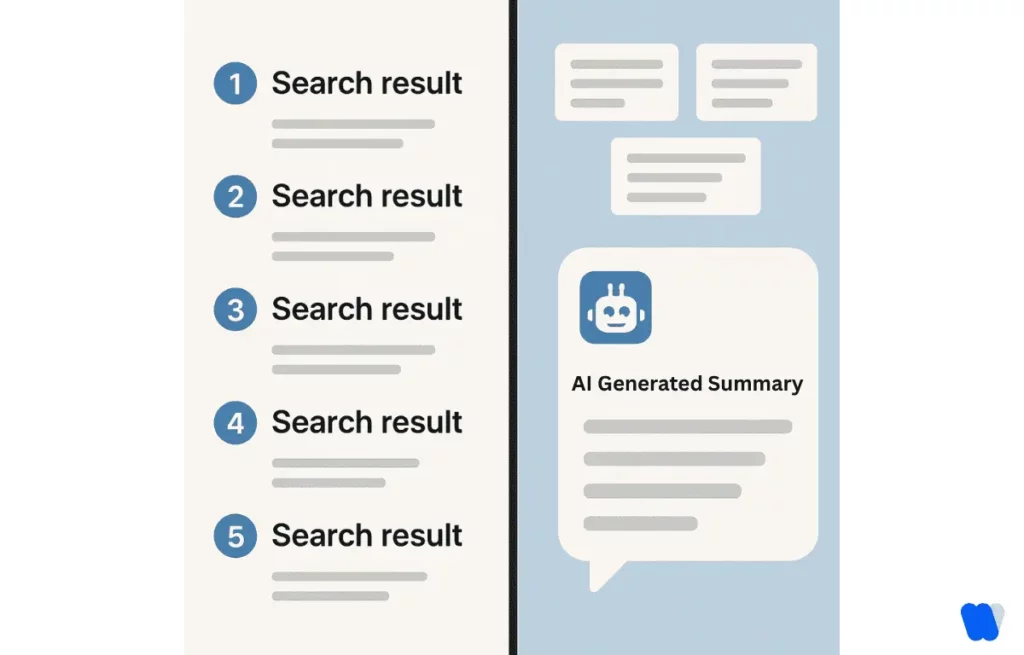
For years, I was obsessed with ranking high on Google. Every keyword mattered, every backlink counted. But GEO has made me rethink that mindset.
In AI-driven search, your content doesn’t need to be first — it needs to be included.
AI systems scan multiple sources, then create their own version of the answer. If your writing is clear, factual, and easy to interpret, it’s more likely to be featured in that response.
For example, if I write a well-structured article explaining “What is Generative Engine Optimization,” AI might quote or paraphrase my explanation in its generated summary.
That’s how GEO changes the game:
Instead of chasing the top spot, I focus on being understood and referenced.
2. Trust Is Everything in the AI Era
In traditional SEO, you could sometimes game the system with clever link-building or keyword stuffing. But AI engines are smarter than that. They care about trust.
Did you know?
When I say trust, I mean content that:
- Comes from real people (not anonymous text)
- Provides accurate, verifiable information
- Maintains a consistent tone and message
- Avoids exaggeration or clickbait
AI models pick up on these signals. They’re trained to choose reliable, balanced sources because users expect accuracy.
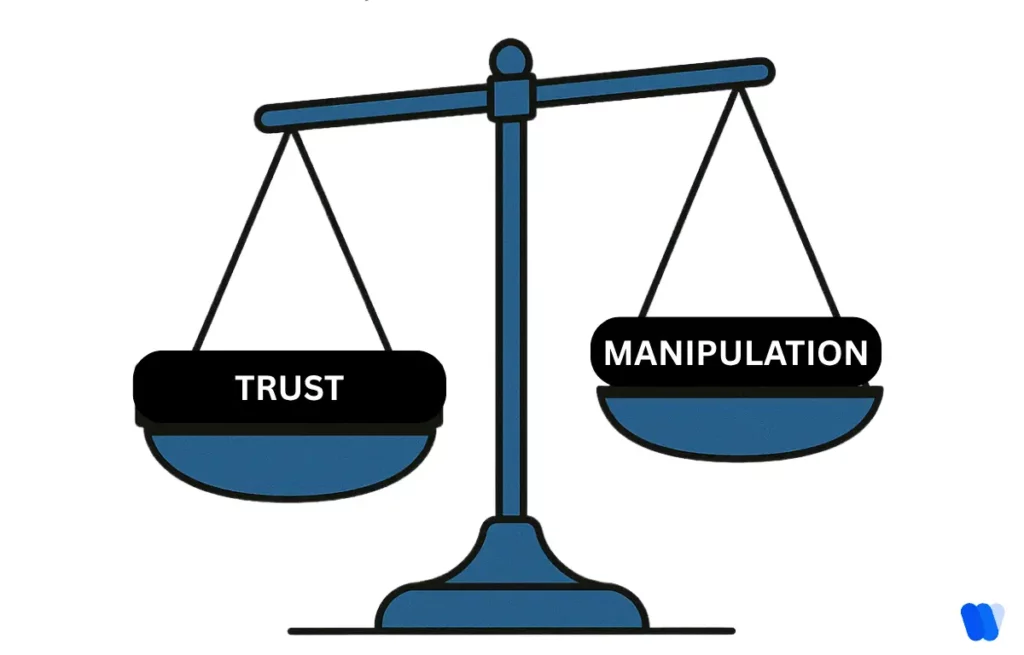
So, when I publish something, I make sure it reflects honesty and authority. I cite credible sources, explain ideas clearly, and avoid over-promising. That’s how GEO builds long-term reliability.
In a way, GEO forces us to go back to the basics — write to help, not to hack.
3. GEO Future-Proofs Your Content
Algorithms change all the time. Anyone who’s worked in SEO knows the pain of seeing traffic dip after a Google update.
But here’s the thing: GEO prepares you for what’s next.
When you write with AI systems in mind, you naturally make your content machine-readable and human-friendly— especially if you apply proper structured data and clear formatting that AI can easily interpret.
That means using:
- Simple sentence structures
- Clear headlines
- Logical flow of ideas
- Context that helps explain meaning

The more understandable your content is, the easier it is for AI to interpret it correctly — now and in the future.
So even if search platforms evolve (and they will), your content will still have value. GEO is like an insurance policy for your content’s visibility.
4. Visibility Without Clicks
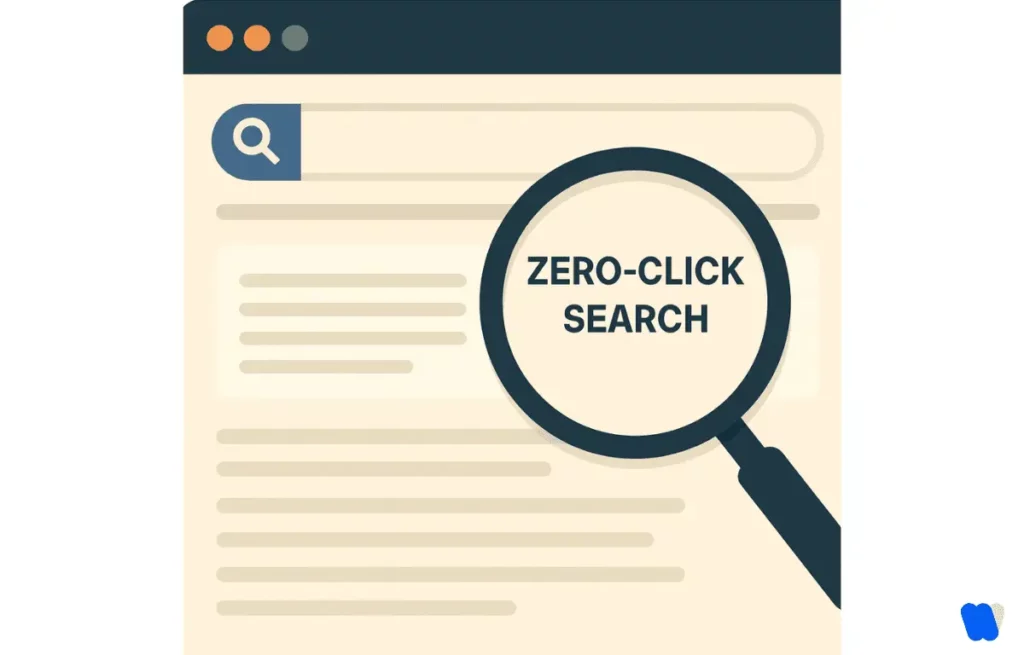
This might sound odd, but GEO can make your content more visible without increasing clicks. And that’s a good thing.
Here’s why:
When your content is cited or mentioned inside an AI-generated answer, people see your name or brand as part of that information — even if they never visit your website.
Think of it like being quoted in a news story. The reader might not look up your profile, but they remember your name as a trusted voice.
That kind of recognition builds slowly but strongly.
It’s not about chasing clicks anymore — it’s about owning attention.
5. GEO Makes You Write Better
When I started applying GEO principles, I realized my writing style began changing — for the better.
Did you know?
To make my content AI-friendly, I had to make it:
- Clearer
- More structured
- More informative
- Less fluffy
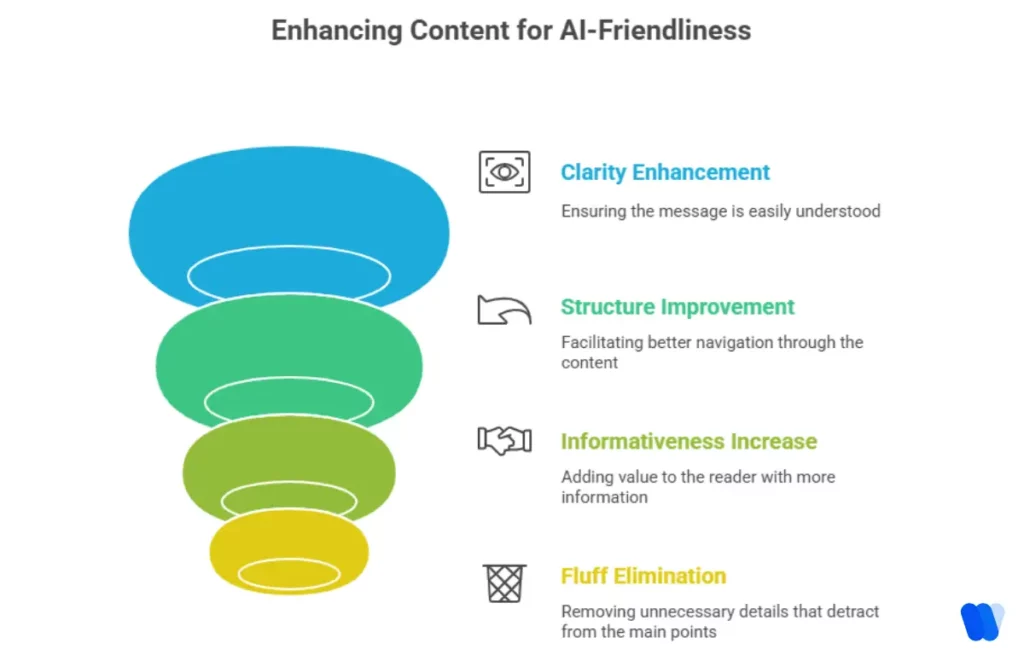
AI systems love straightforward writing. They pull information from sections that clearly answer a question or explain an idea.
But here’s the interesting part — the same clarity that helps AI understand my content also makes it more enjoyable for humans.
Readers stay longer. They scroll more. They understand faster. GEO improves not just your visibility — it improves your communication.
6. GEO Rewards Original Ideas

AI models don’t want repetitive or generic information. They’re looking for fresh insights, new examples, and unique perspectives.
When I write about my own experience — like what worked for me, what didn’t, or what I’ve learned from testing SEO tools — that originality sets my content apart.
If everyone else is saying the same thing, AI will skip most of them and pull from the source that adds something new.
So if you want to be featured in AI answers, don’t just repeat. Contribute.
Share your experiences, opinions, or data. That’s what makes your content stand out.
7. It Strengthens Your Brand’s Credibility
The more often AI tools use your content as a source, the more credible your brand becomes — a key reason to strengthen your brand signals
across platforms and ensure consistent messaging.
If your brand consistently publishes high-quality, trustworthy content, AI will start to “learn” that your website is a reliable source for certain topics.
Over time, that builds a kind of semantic authority — your brand becomes linked to specific ideas or expertise.
For example, if I consistently write about digital marketing trends, AI systems will begin associating my name or site with that topic. The next time someone asks about “SEO trends,” I have a better chance of being referenced.
8. GEO Encourages Consistency and Structure
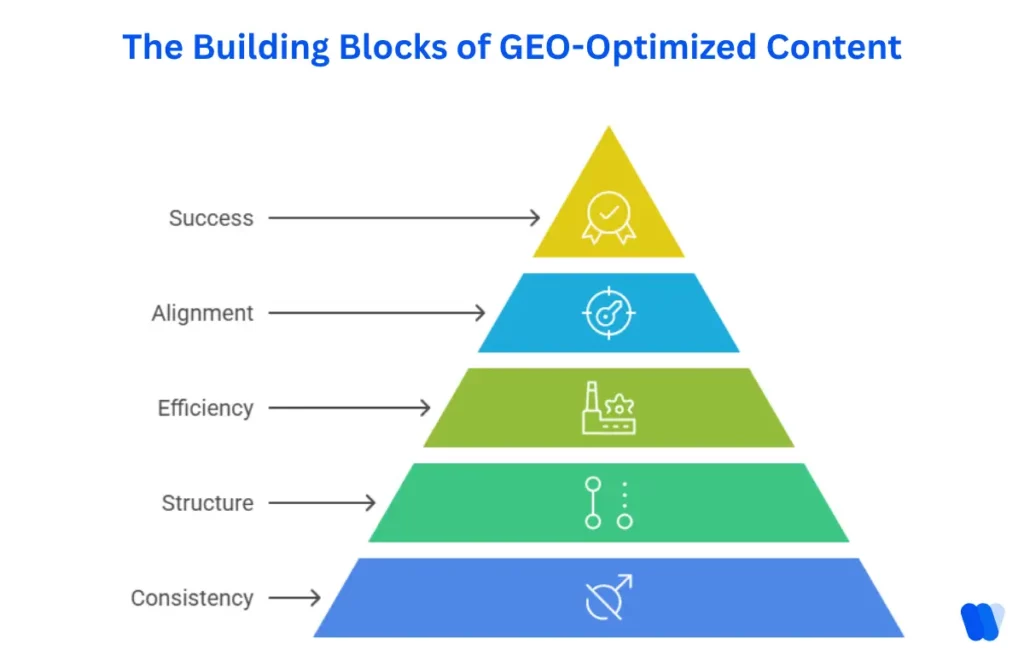
One of the biggest lessons I’ve learned from studying GEO is that structure matters.
AI engines don’t just read words — they read context and hierarchy.
When your article uses proper headings (H1, H2, H3), short paragraphs, and bullet points, it’s easier for AI to break down your ideas and quote them accurately.
You can think of your content like a map.
If the sections are clear and logically organized, the AI knows exactly where to look when it needs an answer.
So next time you write, don’t just think about the human reader scrolling through your post.
Think about the AI system scanning it too.
9. GEO and SEO Are Better Together
Some people think GEO will replace SEO, but I don’t see it that way.
In my experience, they work hand in hand.
Did you know? SEO still handles things like:
But GEO takes it one step further. It ensures that AI tools understand and represent your content the right way.
Here’s how I like to explain it:
SEO helps people find you.
GEO helps AI talk about you.
Together, they make your online presence complete.
SEO and GEO work best together— SEO helps people find you, while GEO helps AI understand, trust, and talk about you across generative search platforms.
10. A Competitive Advantage Most People Don’t See Coming

Most businesses are still focused on traditional SEO. That’s understandable — it’s what we’ve known for years.
But the reality is, AI search isn’t coming. It’s already here.
If you start using GEO practices now, you’ll be ahead of 90% of your competition.
Your content will be:
- Easier for AI to interpret
- More trusted by users
- More visible in future search systems
The earlier you adapt, the easier it’ll be to stay relevant when everyone else starts catching up.
11. Builds Long-Term Trust and Familiarity

One of the most underrated benefits of GEO is how it quietly builds trust.
When people keep seeing your brand mentioned in AI-generated summaries, even if they don’t click through, they start recognizing you. And recognition is the first step to trust.
It’s like seeing the same author quoted in multiple books — even if you haven’t read their work directly, you assume they know their stuff.
That’s the kind of long-term awareness GEO creates. It’s slow, but it’s powerful.
12. Prepares You for the Future of Search

Search won’t just happen on screens anymore. AI-driven discovery is already expanding to voice assistants, smart glasses, and cars.
Imagine someone asking their voice assistant, “What are the best AI tools for small businesses?” — and your brand is mentioned as part of that answer.
That’s the future. And GEO helps you get ready for it through effective strategies for AI visibility enhancement that align your content with the way generative search engines surface information.
By making your content clear, structured, and trustworthy today, you’re ensuring it’s compatible with how people (and machines) will search tomorrow.
FAQs
More users now get their answers directly from AI tools instead of clicking on websites. GEO helps your brand still be seen and trusted, even if people don’t visit your site.
- AI might summarize your content but not link back
- Hard to know how AI chooses sources
- Risk of misquoting or losing clicks
Still, being mentioned builds credibility over time.
Final Thoughts: Don’t Just Be Found — Be Understood
Generative Engine Optimization isn’t a passing trend. It’s a shift in how the web itself works.
For me, GEO changed how I think about content. I don’t just write for search engines anymore — I write so that AI can understand me clearly and represent me accurately.
It’s not about chasing clicks or rankings. It’s about making sure my ideas, my brand, and my message are included in the conversations people are having through AI.
That’s what the future of visibility looks like — not being the loudest, but being the most clearly understood.
So if you’re working on content today, start thinking about GEO.
Write with purpose, be transparent, and stay original. That’s how you make sure that no matter how search evolves — you’re always part of the answer.