Search is moving fast into an AI-powered world. People aren’t just browsing Google results anymore—they’re getting instant answers from tools like ChatGPT, Gemini, and SearchGPT. For your brand to stay visible, it’s no longer enough to focus only on traditional SEO.
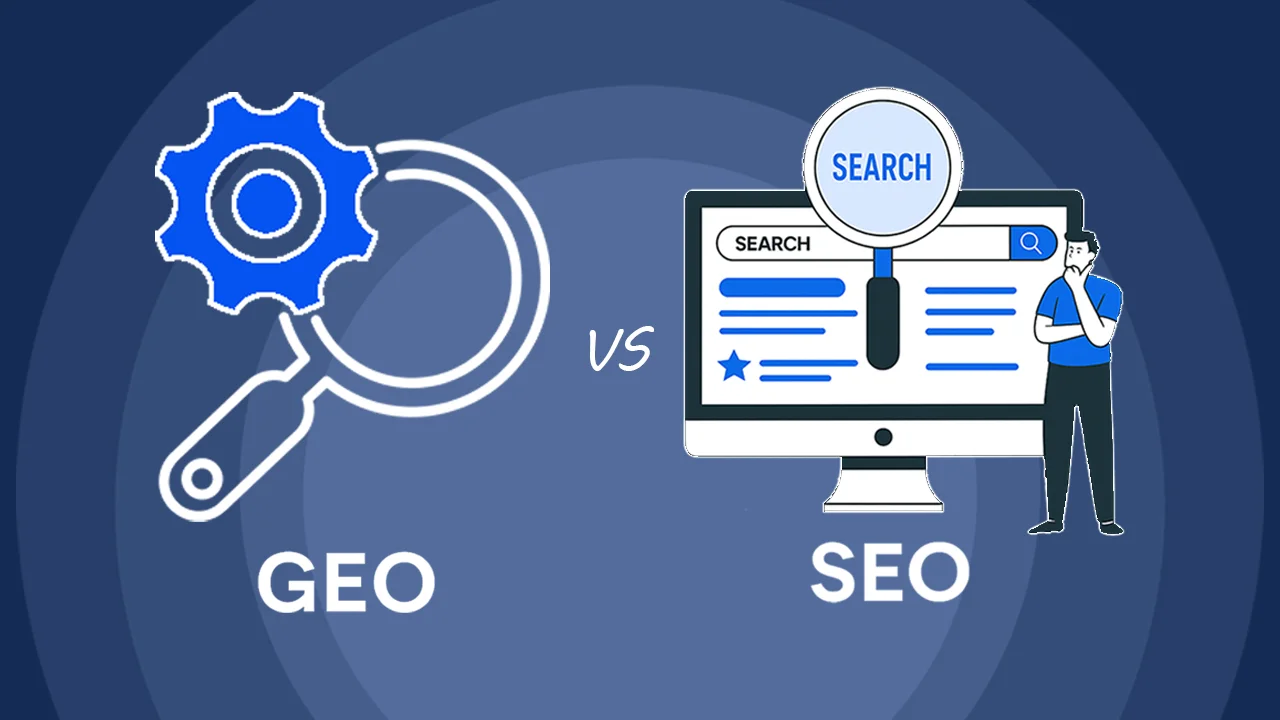
The key is to combine SEO and GEO. SEO (Search Engine Optimization) makes sure your website ranks on search engines. GEO (Generative Engine Optimization) ensures your content is cited and surfaced in AI-generated answers, which is why understanding how to find queries for GEO is becoming a core part of staying visible inside AI responses.
Together, they create a strategy that covers both search engines and AI-driven responses. In this blog, we’ll share 5 proven ways to combine SEO and GEO so your content not only ranks, but also shows up in the answers people actually read.
Strategies to Combine SEO and GEO for AI Visibility
Blending SEO and GEO isn’t about choosing one over the other—it’s about making them work together. SEO builds the foundation that gets your content discovered, while GEO makes sure it’s highlighted and cited in AI-powered answers.
How to Combine SEO and GEO
Wondering how to start combining SEO and GEO for your business? The next five strategies will guide you through the exact steps to make your content AI-ready while still dominating search rankings.
1. Start with a Rock-Solid SEO Foundation
Before you can succeed with GEO, you need to get the basics of SEO right. Why? Because most AI systems pull from top-ranking websites, meaning your content must already be visible in search engines before it can appear in AI answers.
Key components to focus on:
- Technical health: Ensure your site is fast, mobile-friendly, and crawlable. If search engines struggle to navigate your site, AI systems will too.
- Keyword strategy: Target both high-volume keywords and intent-driven long-tail queries, since these often match how people phrase their questions in AI tools. For guidance, see our Keyword Strategy Checklist to make your targeting GEO-ready.
- Quality content & backlinks: Publish authoritative, well-researched content that naturally attracts backlinks. This builds both search credibility and AI trust.
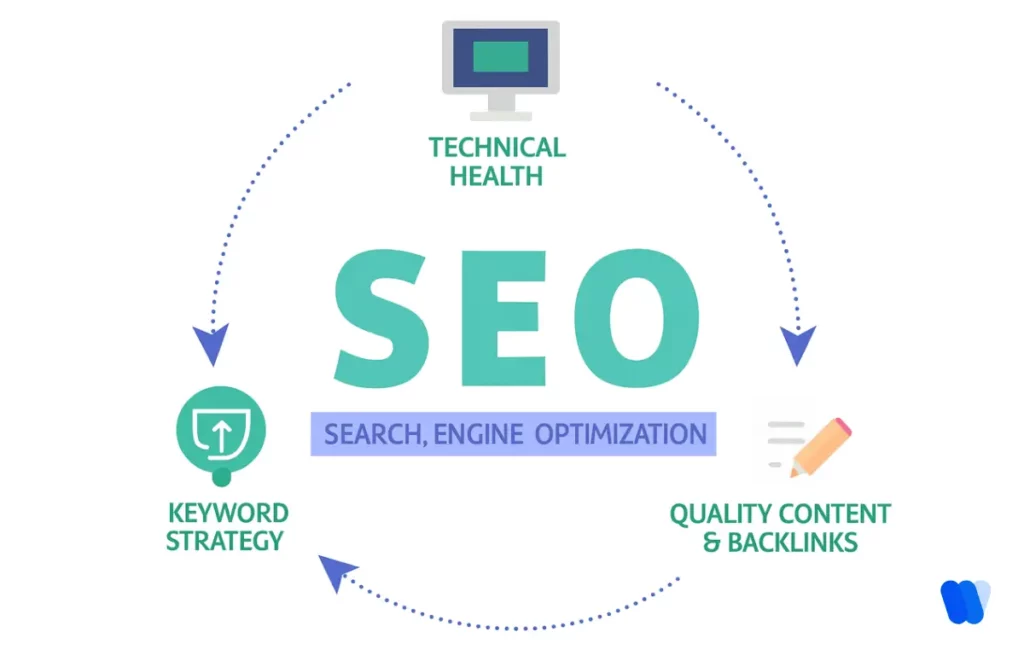
Think of SEO as the gateway: if you don’t rank, you won’t get picked up by AI.
Did you know?
ChatGPT alone now drives 365 billion annual searches—5.5× faster growth than Google’s early adoption (Fortune, 2025).
This makes SEO visibility more critical than ever, since AI tools often surface content from top-ranking sites.
Here’s how SEO professionals are discussing this shift in real communities:
Comment byu/WebLinkr from discussion inSEO
2. Structure Content for AI Readability & Extraction
AI engines look for content they can easily parse and summarize. If your content is messy or hard to skim, you lower your chances of being featured in AI-generated answers.
This is also central to AEO — structuring content for direct answers — which makes the AEO vs GEO distinction especially important here.
How to structure effectively:
- Use clear formatting: Organize your content with H2s/H3s, bullet points, tables, and short paragraphs. This helps both crawlers and AI systems quickly find the key points.
- Add schema markup: Use FAQ, How-To, and Article schema to give AI models a clear map of your content.
- Format for skimmability: Concise, well-structured content is more likely to be cited in AI answers.
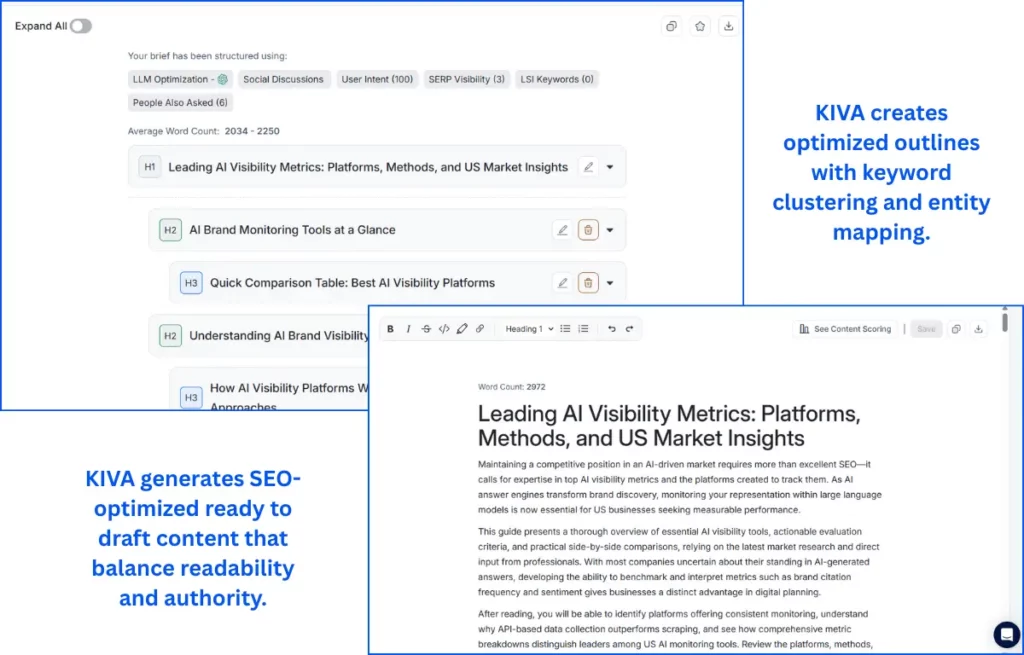
By making your content readable for machines, you also make it friendlier for human readers.
KIVA by Wellows helps enforce structure automatically—its features include Keyword Clustering, Content Brief Generation, and an integrated Content Creator that ensures optimized outlines are built around user intent, LSI terms, and brand guidelines
3. Build Topical Authority and Entity Recognition
AI models want trustworthy sources, not just any page. To increase your chances of being cited, you need to build topical authority and ensure your brand is recognized as a credible entity.
Ways to strengthen authority:
- Publish differentiated content: Support your insights with citations, research, and unique perspectives. For GEO impact, avoid Search Optimization Myths that reduce visibility.
- Use brand mentions and entities: Clearly reference your brand and related entities so LLMs can connect your content with authority in your niche. Strengthen this with Brand Signals that influence both search engines and generative models.
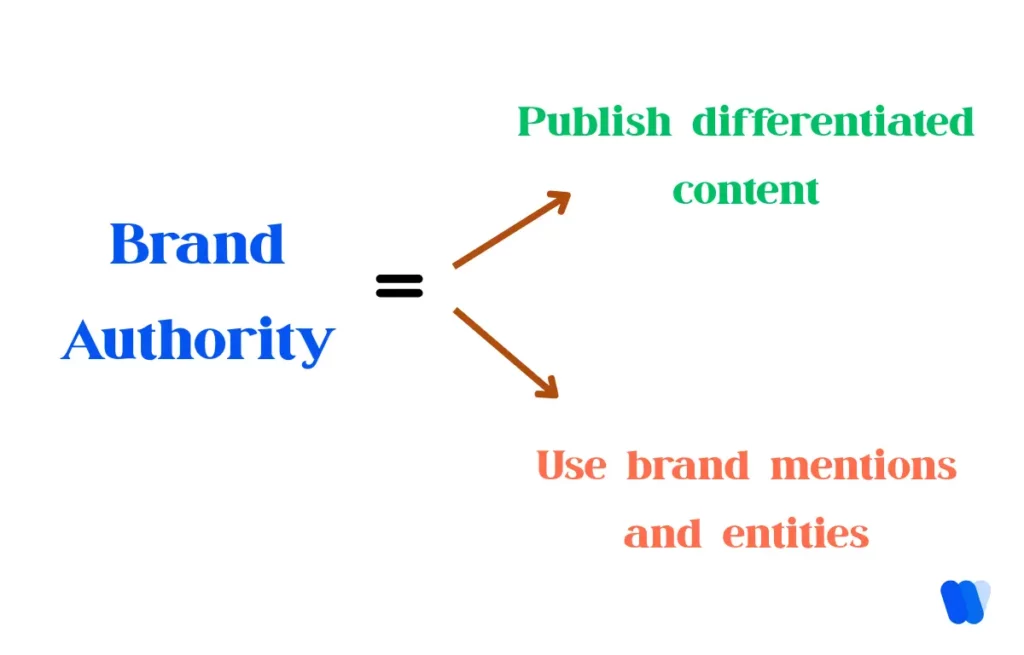
When AI models see you as a reliable source, your chances of being surfaced in answers rise dramatically.
4. Integrate AI-Centric Strategy: GEO-Specific Tactics
SEO gets your site noticed, but GEO ensures AI can use your content directly. That means writing and structuring content in a way that fits AI-driven queries.
GEO-focused tactics include:
- Write factual, clear statements: Use punchy, conversational language that AI can easily extract.
- Add FAQs and summaries: Create sections that directly answer common questions in short, clear sentences.
- Use structured data and semantic HTML: This gives AI engines the context they need to understand and cite your content with confidence. LLM citation tracking then helps you measure whether those optimizations are improving your visibility in AI-generated answers.
These GEO-focused adjustments are especially important if ChatGPT is a discovery channel for your audience, because learning how to rank in chatgpt depends less on keywords and more on clarity, structure, and citation-ready answers.
With these tweaks, you’re not just writing for humans—you’re writing for machines too.
5. Monitor & Optimize Across SEO and AI Visibility Metrics
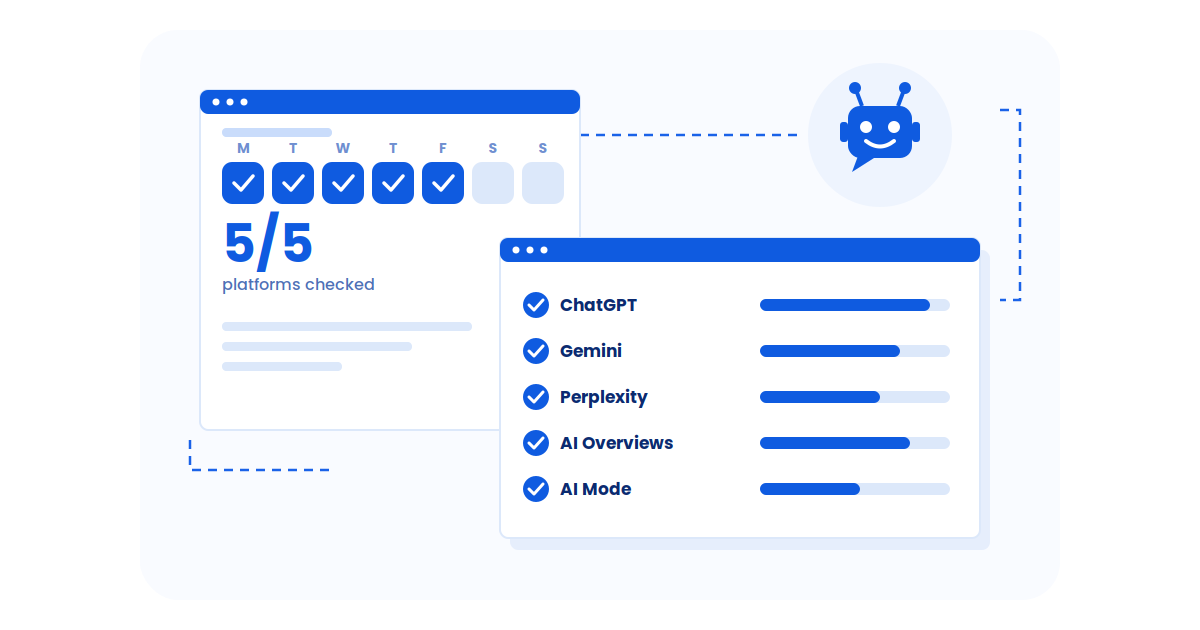
To know if your strategy is working, you need to track both traditional SEO metrics and AI visibility—which is why agencies use LLM audits for SEO to benchmark citations, share of voice, and how often content is surfaced across ChatGPT, Gemini, and SearchGPT.
Key metrics to measure:
- SEO metrics: Rankings, organic traffic, engagement, and click-through rates.
- GEO metrics: How often your content is cited in AI responses, your share of voice, and representation in AI outputs.
Explore critical GEO KPIs to measure performance beyond traditional SEO.
By measuring both sides—SEO and GEO—you’ll know where to adjust and how to stay ahead in the evolving AI-first search world.
Did you know?
A “Google Zero” scenario is unfolding: some publishers have reported up to 89% drops in referral traffic after AI Overviews became prominent, underscoring the importance of tracking AI citations and presence beyond traditional metrics. (The Guardian, 2025)
What are common mistakes when merging SEO and GEO
While combining SEO and GEO can amplify your visibility in both search engines and AI-generated results, it’s easy to misstep if you’re not careful.
Avoiding these common mistakes can make your dual strategy far more effective:
- Skipping foundational SEO: GEO builds on top of SEO. If your site lacks technical optimization, quality backlinks, and a strong keyword foundation, AI tools are less likely to discover and cite your content.
- Neglecting content structure: AI models prioritize content that’s well-formatted and easy to parse. Long, unstructured paragraphs or vague sections reduce your chances of being featured in AI responses.
- Forgetting schema markup: Omitting structured data like FAQs, How-To, or Article schema limits how well your content can be interpreted and pulled by AI systems.
- Overusing jargon or ambiguous language: AI tools respond better to factual, clear, and concise language. Avoid fluff and be direct in your answers and explanations.
- Ignoring AI visibility metrics: Many focus solely on SEO KPIs like traffic and rankings. But without tracking GEO-specific data—such as AI citations, share of voice, or presence in generative search results—you’re flying blind in the AI-driven landscape.
- Treating SEO and GEO as separate strategies: The biggest mistake is trying to optimize for one without considering the other. They work best when aligned—SEO ensures discoverability; GEO ensures AI accessibility and trust.
See our breakdown of SEO vs GEO to understand why both are essential. By understanding and avoiding these pitfalls, you’ll be better positioned to create content that performs well across both traditional and AI-powered search platforms.
My Takeaway for Marketers
From my own experience working with SEO and now adapting to GEO, I’ve realized the biggest wins come when you stop treating them as two separate strategies.
In practice, the content that performs best is fast, structured, and authoritative — but also written in a way that AI tools can easily parse and cite.
Marketers who focus only on Google rankings risk being invisible in AI answers, while those who ignore SEO fundamentals won’t get surfaced at all. The real opportunity is in blending the two: SEO for discoverability, GEO for credibility and presence in AI-driven search.
FAQs
- SEO: Focuses on ranking in search engine results (keywords, backlinks, site health).
- GEO: Focuses on being clear, structured, and trustworthy so AI systems cite your content in generated answers.
Conclusion
The future of search isn’t just about ranking high on Google—it’s about showing up in the answers people actually see from AI tools.
SEO lays the groundwork by making your site discoverable, fast, and authoritative. GEO builds on that foundation by ensuring your content is structured, clear, and trustworthy enough to be cited in AI-generated responses.
As AI answers increasingly replace clicks, teams are paying closer attention to whether their content is actually being cited, paraphrased, or ignored inside AI outputs—insight often surfaced through a ChatGPT Visibility Tracker rather than traditional SEO metrics alone.
To stay visible, brands can’t afford to choose one or the other. They need a dual strategy: content that both ranks in SERPs and gets surfaced in AI interfaces. When you combine SEO and GEO, you’re not just chasing traffic—you’re securing a spot in the evolving search experience.