Creating content for the internet used to be simple: pick a keyword, write a blog, sprinkle in a few headers, and hope for the best. But if you’re still doing that in the age of AI-powered search, you’re basically sending your content out into the void.
Generative Engine Optimization (GEO) changes everything. That’s why marketers are asking questions like ‘What are content briefs in the context of GEO?’ and ‘Why are content briefs for GEO important?’—because briefs are now the backbone of GEO strategies.
It’s not just about ranking for keywords anymore—it’s about making your content understandable, usable, and promotable by AI systems that serve answers, not links. GEO builds on traditional SEO, but takes it further by focusing on how generative engines (like ChatGPT, Google’s SGE, or Perplexity) pull, summarize, and surface information.
That’s where content briefs come in.
If you’re writing without a brief, you’re likely wasting time fixing structure, rewriting intros, or missing the mark on what users (and search engines) are really looking for. But a GEO-focused content brief? That’s your blueprint.
In this post, I’ll show you how to design content briefs that make sense for generative search. What to include. What to skip. And how to make AI do some of the heavy lifting.
What is a Content Brief and What Role Does it Play in the Overall GEO Content Strategy?
A content brief is a document that outlines exactly what a piece of content needs before writing begins. It includes the topic, target audience, search intent, structure, tone of voice, keywords, and any specific instructions that align with your content goals.
In the context of Generative Engine Optimization (GEO), content briefs take on an even more important role. Put simply, GEO content briefs (sometimes called GEO-specific content briefs) are not just checklists for writers—they’re strategic documents designed to make content AI-ready.
Generative engines like ChatGPT, Gemini, Claude, and Perplexity AI don’t just index content, they process and present it as summaries and direct answers. That means your content must be clear, complete, and easy for machines to interpret.
A GEO-aligned content brief helps ensure that your article:
- Answers the right questions
- Matches how users phrase their searches
- Includes related terms and semantic coverage
- Is structured in a way that supports summarization and AI parsing
See the Keyword Strategy Integration for LLM SEO Checklist for ready-to-use structures.
Without a clear brief, you risk missing key search intent, producing content that’s too thin, or failing to match how users (and generative engines) look for answers.
A good brief keeps writers and editors aligned while also giving AI the structure it needs to interpret your content correctly.
With AI-powered tools, generating a GEO-ready brief takes minutes, not hours, while maintaining consistency across your strategy—whether briefs are created by in-house teams or standardized across workflows used by Content Marketing Agencies managing GEO-driven content at scale.
What Are the Important Elements in a Content Brief?
If your content brief doesn’t cover the right elements, you’ll likely spend more time fixing problems during editing than actually writing. So, what elements are unique to GEO content briefs? Let’s break down the must-have sections, using examples of effective GEO content briefs.
A complete content brief—especially one tailored for Generative Engine Optimization (GEO)—gives you a clear structure, aligns with user intent, helping you align with the generative engine visibility factors .
Here’s a deep dive into each of the must-have elements in a GEO content brief:

1. Target Audience & Search Intent Analysis
Before you start talking about headlines or keywords, you need to understand who the content is for and why they’re searching for it.
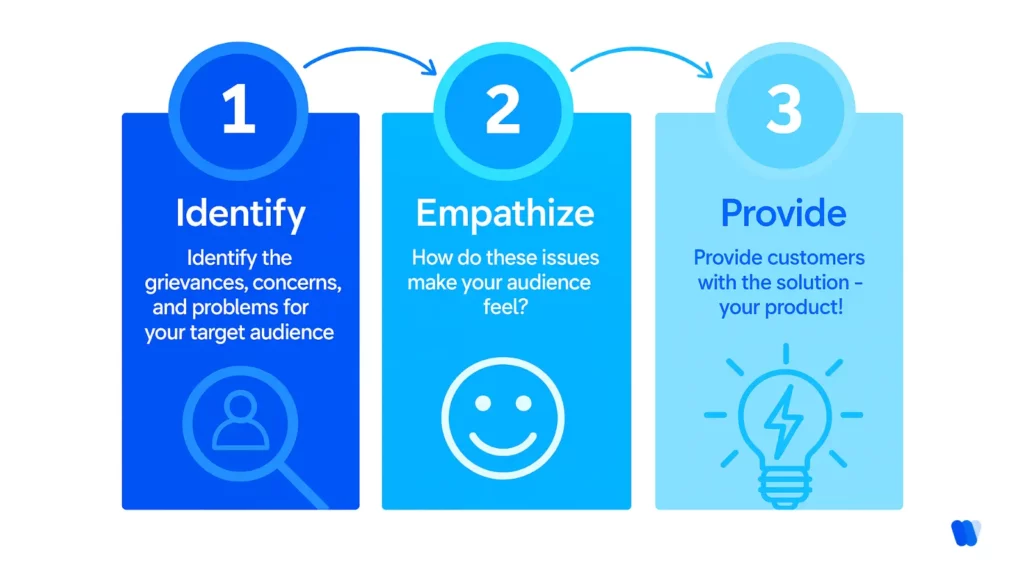
A good content brief should answer:
- Who is the reader?
- What is their role or background?
- What specific problem are they trying to solve?
This helps guide everything from tone to structure. In the context of GEO, this section ensures the content mirrors how real users ask questions, which matters because AI engines like ChatGPT or Perplexity often rely on natural language queries.
Example:
If you’re writing a blog about “AI marketing tools for small businesses,” and your audience is solopreneurs or marketers at startups, your content should be beginner-friendly, avoid corporate jargon, and focus on affordable, actionable tools.
2. Primary and Secondary Keywords
Keywords still matter, even in the age of generative search. But it’s not about stuffing words; it’s about semantic relevance and query alignment.
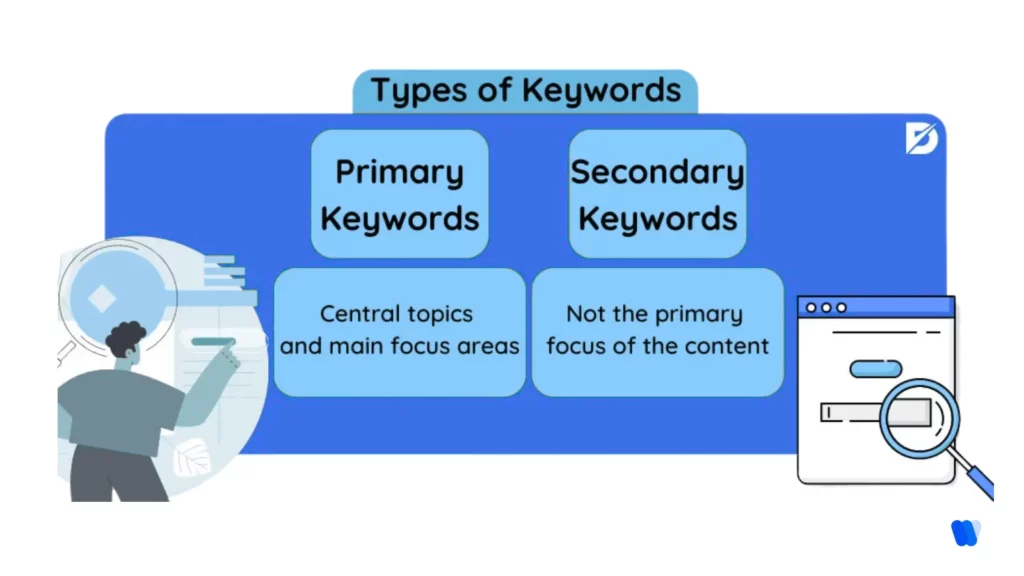
Your brief should:
- Highlight the primary keyword (the core topic).
- Include 3–5 secondary or supporting keywords.
- Group keywords by search intent (informational, transactional, navigational).
Example:
- Primary keyword: “AI SEO tools”
- Secondary keywords: “automated SEO audit,” “best SEO tool for beginners,” “AI for keyword research”
Also include search volume and ranking difficulty, so writers prioritize terms accordingly.
3. Competitor Analysis and Content Gap Identification
A great content brief doesn’t operate in isolation—it’s based on competitive insights and content gap.
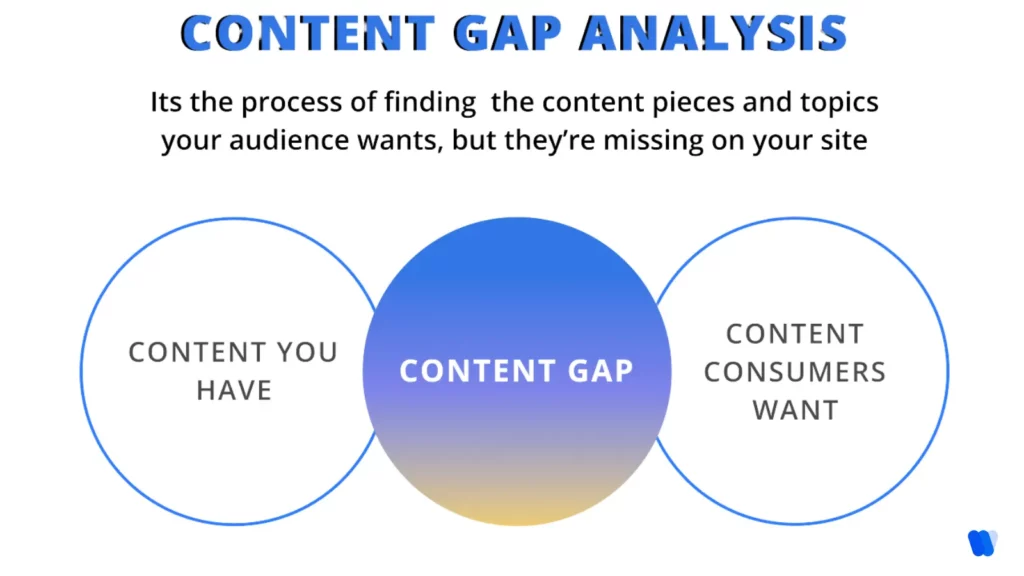
This section should include:
- 2–3 top-ranking articles for the same keyword.
- What those articles do well (clarity, visuals, authority links).
- What’s missing (examples, updated stats, beginner explanations).
For GEO, this is crucial. Generative engines prefer content that fills knowledge gaps and adds contextual value, much like they elevate authentic community insights surfaced on Reddit for GEO. If your content simply repeats what’s already online, it’s unlikely to be surfaced in AI summaries or answers.
This is where understanding the difference between GEO and general content briefs becomes important—unlike traditional SEO briefs, GEO-specific content briefs must highlight what makes your content more “summarizable” by AI engines, reinforcing how crucial it is to combine SEO and GEO instead of treating them as separate silos.
Example:
If all top-ranking posts talk about “how to use SEO tools” but none explain how AI selects the right SEO tool, that’s your gap. The brief should instruct the writer to add that section.
Pairing this with the most effective strategies for AI visibility enhancement such as leveraging an AI Search Visibility Platform for Startups creates a comprehensive roadmap for staying present in generative search.
4. Content Structure and Formatting Requirements
This is one of the most important parts of the brief. For generative engines to process and reuse your content, it needs to be well-structured and scannable. That’s why many marketers now look for GEO content brief templates—ready-made outlines that ensure their content is structured for both humans and AI systems.
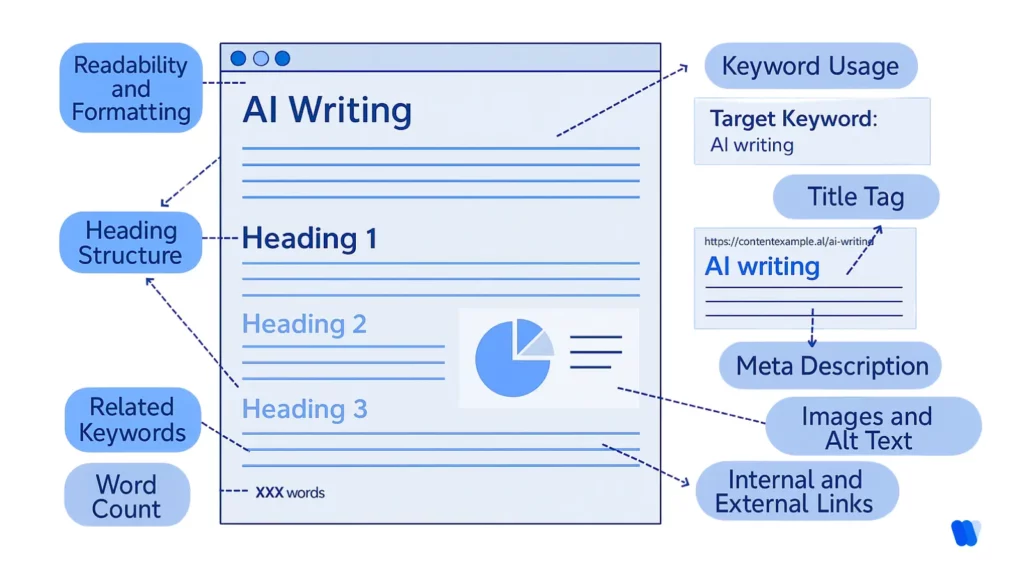
Include:
- A content outline with headers (H1, H2, H3)
- Specific content blocks (intro, how-to, FAQs, CTA)
- Format preferences (numbered lists, bullet points, tables, featured snippet blocks)
Also, mention if the goal is to rank for People Also Ask questions or show up as a featured snippet, which generative engines often pull from.
Example:
– H1: What is GEO?
– H2: Why It Matters in 2025
– H2: How to Optimize Your Content Brief
– H3: Define Target Audience
– H3: Use Intent-Based Keywords
This helps both humans and AI follow the logic of your content.
5. Tone, Style & Brand Voice
Your brand voice should be clear and consistent across all content—even when AI is quoting or summarizing your blog in a generative response.
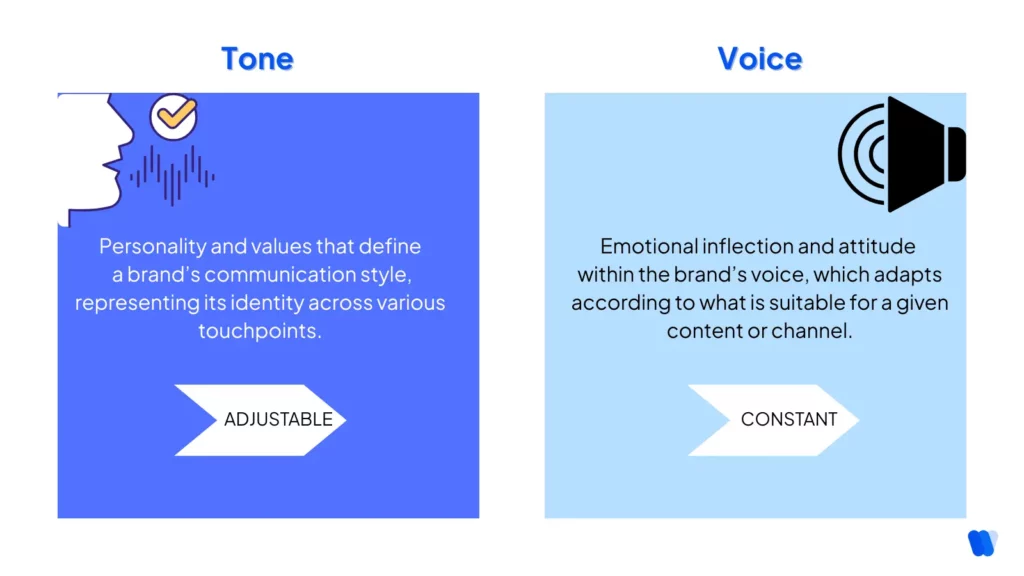 In the brief, specify:
- Desired tone (conversational, technical, witty, formal)
- Do’s and don’ts (e.g., avoid jargon, use first-person)
- Style reference articles or company blogs
Example:
- Tone: Conversational and helpful (like a smart coworker)
- Voice: Direct, no fluff, use active voice
- Avoid: Academic language, passive tone, generic intros
6. Internal Linking Suggestions
Internal links help build topical relevance and SEO depth—but they also improve how content is understood by AI.
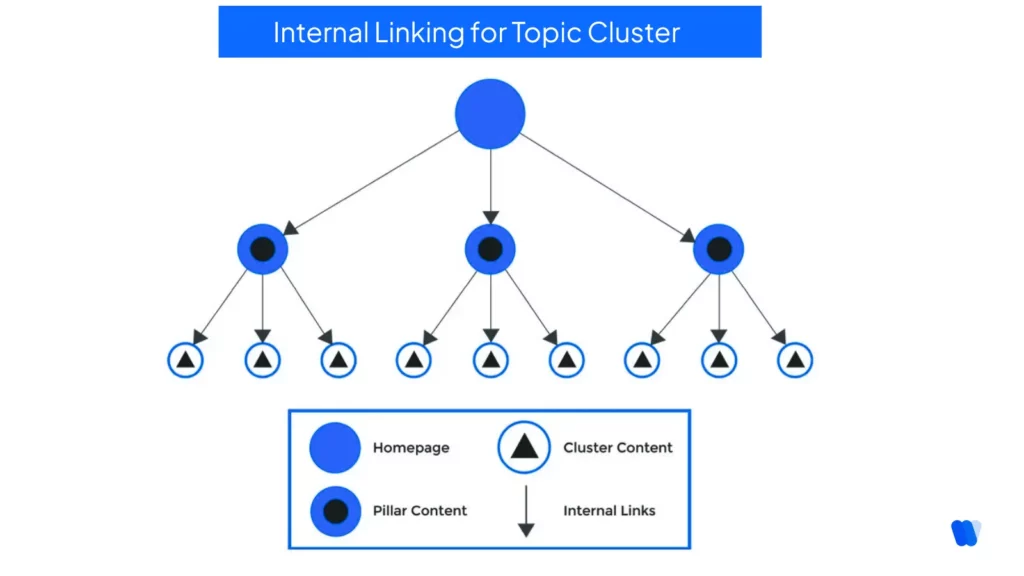
Your brief should include:
- 3–5 existing URLs from your site to include
- Anchor text to use
- Suggested placement (e.g., “link to pricing page in CTA section”)
Example:
- Link: /ai-seo-guide
- Anchor text: “AI SEO best practices”
- Placement: Last paragraph of intro
Some AI tools can automate this by scanning your existing blog library and suggesting relevant internal pages.
7. Word Count Guidance
Give writers a word count range, based on what’s ranking and the depth needed to satisfy search intent.
For example:
- Short-form: 800–1,000 words (quick guides, announcements)
- Mid-form: 1,200–1,800 words (standard blogs)
- Long-form: 2,500+ words (pillar pages, deep dives)
Why it matters for GEO:
Too short, and AI might skip your page for lack of depth. Too long, and the key points may get lost in summaries. A clear range helps strike the right balance.
8. References & Source Material
If you want the writer to include statistics, studies, or specific talking points, provide links or files here. AI models value credible, cited information, especially when summarizing or quoting your page. That’s why briefs should integrate findings from What AI Search Engines Cite to ensure writers build content around signals AIs actually trust.
In fact, fresh, up-to-date sources can directly influence how your content is surfaced in ChatGPT, since generative engines tend to prioritize information that’s timely, relevant, and reflective of current trends.
Include:
- Research reports
- Industry studies
- Style examples
- Existing blog posts or marketing decks
Example:
- Link: HubSpot’s “State of AI in Marketing 2024”
- Notes: Use stat on marketer adoption rates in the second section
9. SMART Campaign Goals (Optional)
Tie your content to business outcomes. This is optional—but useful when your blog supports a broader strategy.
SMART = Specific, Measurable, Achievable, Relevant, Time-bound.
Example:
- Goal: Increase ebook downloads by 25% in 30 days
- Metric: Track clicks on CTA in the last paragraph
- Alignment: This post is part of our Q3 lead-gen campaign
This helps content creators understand the “why” behind what they’re writing, which makes for stronger, more aligned messaging.
10. Buyer Personas (Optional)
If your team uses personas, include one here. It helps writers shape tone, examples, and even vocabulary.
Include:
- Name, age, job role
- Challenges, goals
- Preferred content formats
Example:
“Sarah, 29, is a content strategist at a DTC brand. She’s looking for ways to scale content without losing quality. She prefers short, visual content and values efficiency.”
AI engines are more likely to understand and reflect human-centric queries when content is written with a real audience in mind—not just keywords.
Did you know?
Quick Fact
A NetProspex case study found that persona-based content creation led to a 100% boost in page views per visit, a 900% increase in time spent on site, and a 171% rise in marketing ROI.
Beyond a well-written brief, AI content optimization plays a big role in shaping how each page is structured, which sections get expanded, and how easily generative engines can cite your content.
How to Design Content Briefs for GEO?
Writing for generative search isn’t the same as writing for Google 10 years ago. Today, your content isn’t just ranked—it’s read, interpreted, and summarized by AI tools like ChatGPT, Perplexity, and Google’s Search Generative Experience (SGE). That means your content brief needs to be smarter, more intentional, and structured to speak the language of these AI systems.
If you’re wondering how to create content briefs for GEO or searching for what are the best practices for GEO content briefs, this step-by-step framework will guide you through designing briefs that align with AI-powered search.
Here’s a step-by-step approach to designing content briefs that are optimized specifically for generative engines:
| Tip | Why It Matters |
|---|---|
| Start with search intent, not just keywords | Aligns content with what users are actually looking for, improving AI relevance and engagement. |
| Use clustered keywords with intent categories | Enhances semantic coverage and helps AI understand context and topic relationships. |
| Break down competitor content and improve on it | Reveals content gaps and opportunities to add unique value that generative engines prioritize. |
| Build a clear, H-tag-based outline | Creates a structured, scannable format that’s easier for AI to parse and summarize. |
| Define tone, style, and formatting explicitly | Ensures brand consistency and prevents generic or off-brand writing—especially when AI tools are used. |
| Add internal links, metadata, and trusted references | Builds topical authority and improves discoverability across generative engines. |
| Include a summary or key takeaways for AI visibility (content summaries for GEO) | Helps AI surface the most relevant content quickly in answer boxes and summaries. |
| Focus on clarity, accuracy, and flow | Improves content readability and ensures AI can interpret, rephrase, or reuse content without distortion. |
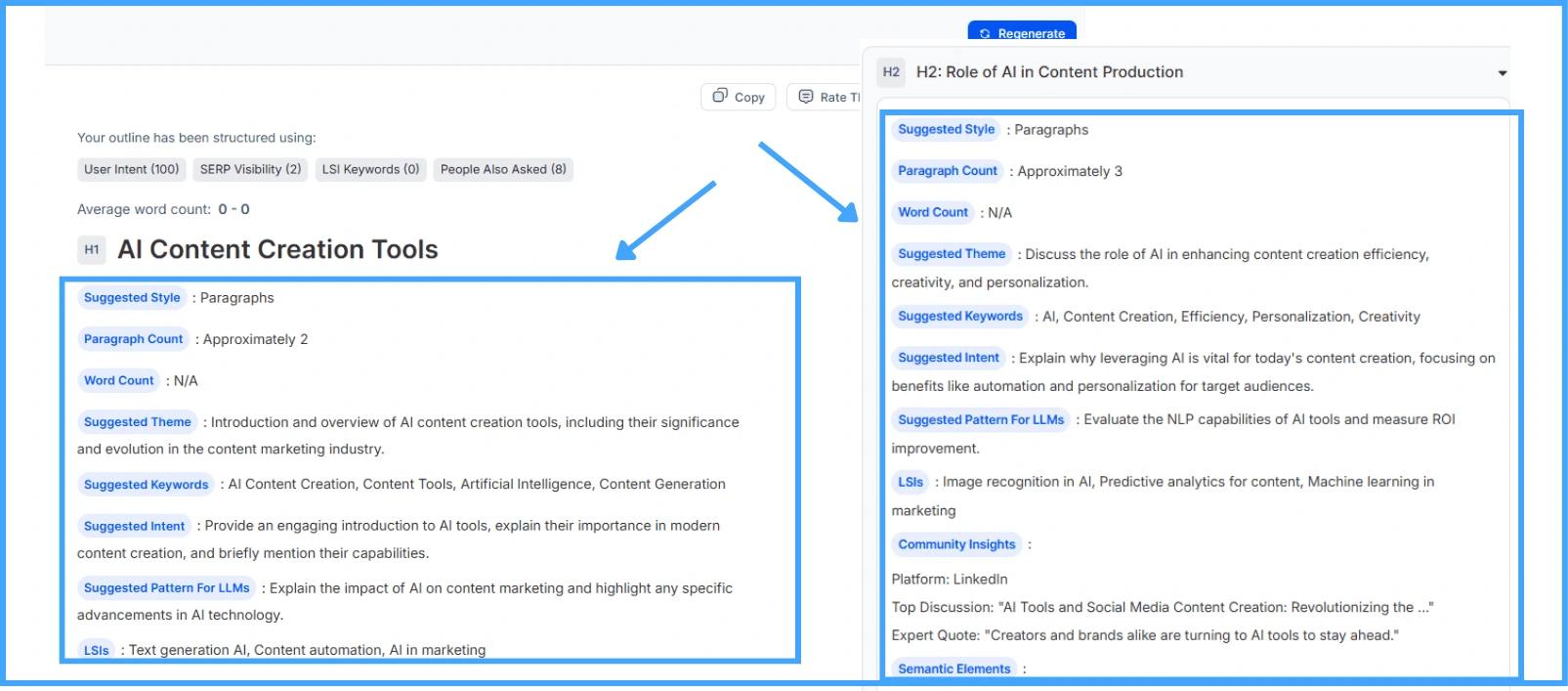
To speed up the entire process, use KIVA, an AI SEO agent that auto-generates GEO-optimized content briefs based on real-time SERP data, user intent, and LLM-ready structure. It builds outlines, suggests formatting, and integrates insights from tools like “People Also Ask” in just one click.
The Future of Content Briefs and GEO
Creating content briefs for generative engines isn’t about following a template—it’s about understanding how people search and how AI delivers answers. Still, having GEO content brief templates as a starting point can save time while ensuring alignment with AI-driven visibility. In short, developing GEO content briefs is no longer optional—it’s the foundation of a successful generative search strategy.
It’s not just about ranking anymore it’s about being useful, understandable, and easy for both humans and machines to work with. And that all starts with a strong, well-thought-out brief.
This shift reflects the broader evolution from traditional SEO strategies to approaches designed for generative engines. Understanding the differences between SEO vs GEO will help you see why content briefs are becoming essential for visibility in AI-powered search.
Read More Articles
- How Entity-Based Content Stands Out in LLMs & Why Does It Matter for SEO
- Why Structured SEO Briefs Are the New Foundation of AI Search Success
- Can GSC Data Guide Your GEO Strategy?
- How Will Google’s AI Mode Transform Traditional SEO Practices?
- My ChatGPT Visibility Experiment: Does It Use Google Snippets?
- AI SEO Automation for Generative Search Visibility (2026)
- How Does Google AI Visibility Tracking Fix the Search Console Blind Spot in AI Overviews
- How to Rank High on ChatGPT (Complete 2025 Framework)
- How to rank in Perplexity
- How to Use Question Keywords for SEO Growth
- How to Use AI Content Scoring to Improve SEO & Quality 2026
- AI Competitive Benchmarking for SEO
- Why Your Website Traffic Is Dropping (Causes & Fixes)
FAQs
In traditional SEO, user intent was categorized into types like informational or transactional, and matched via keywords. In GEO, intent is dynamic and multidimensional—AI models interpret the actual task behind a query, using user behavior, context, and sub-query expansion to fulfill the true purpose behind each search.
Tools like KIVA and AlsoAsked, as well as features in ChatGPT, Perplexity, and Gemini, help uncover sub-intents and decision paths. These tools analyze how language models interpret queries, allowing you to see what micro-intents your content should address.
Include sections that address multiple sub-questions tied to the main query. For instance, if writing about “best AI writing tools,” add sub-sections like “best for students,” “cheapest options,” or “tools with plagiarism checkers.” These match how generative engines expand and fulfill layered user needs.
Generative engines evaluate content at the passage level, not page level. If your content has modular sections that each clearly fulfill a specific sub-intent, it’s more likely to be selected. Structure with bullet points, headings, and answer-first writing helps LLMs reuse parts of your content in answers.
Yes, but how you use them matters. GEO isn’t about keyword density—it’s about context and coverage. Use primary and secondary keywords grouped by intent, and pair them with related entities and questions to match AI’s way of interpreting content.
Conclusion
Generative search won’t reward guesswork—it rewards clear, structured answers built from a GEO-ready brief. If you’re wondering how to design content briefs for GEO, the formula is simple: start with intent, map entity coverage, outline for summarization, and cite credible sources.
Plan before you write and you’ll publish content humans trust and AI can summarize—earning visibility across chat, answer boxes, and SERPs. Make the brief your starting point, not an afterthought—and use KIVA to generate GEO-optimized briefs in minutes.