Content marketing agencies help organizations plan, create, manage, and optimize content that drives long-term growth, but success is now measured by LLM citations as much as traffic because AI engines choose which brands to recommend.
As content discovery expands beyond Google into AI search, their role now includes helping brands earn visibility in ChatGPT, Gemini, Perplexity, and other AI engines. The best AI visibility tools increasingly complement traditional content strategy by helping teams track citations, identify content gaps, and measure AI visibility.
Platforms like Wellows support this shift as an AI visibility platform for agencies, enabling agencies to monitor LLM citations alongside their broader content strategy and report AI-driven performance across client accounts.
This guide explains how content marketing agencies work, the services they provide, how to evaluate them, and how they fit into modern growth strategies.
What Are Content Marketing Agencies?
The best content marketing companies are professional service firms that plan, create, optimize, and manage content systems designed to drive long-term visibility, engagement, and conversions across search engines, digital platforms, and AI-driven discovery systems—making them a specialized branch of Digital Marketing Agencies.
List of Top 11 Content Marketing Agencies
The agencies below are frequently referenced due to their specialization, scale, and consistency. Descriptions are informational and competitor-aligned.
1. 310 Creative
Best for: B2B companies focused on revenue alignment and sales enablement
Strengths: Revenue-driven content strategy, sales and marketing alignment, buyer-journey mapping, pipeline-focused content creation
Recognizable clients: B2B SaaS and professional services brands (client names often undisclosed)

310 Creative is a full-service best content marketing agency that focuses heavily on B2B organizations and revenue-driven marketing programs. Rather than treating content as a standalone activity, the agency aligns content planning with sales enablement and revenue operations.
This means content is created to support real buyer questions, objections, and decision-making stages.
Their approach places strong emphasis on collaboration between marketing and sales teams. Content is structured to help improve lead quality, support pipeline progression, and educate prospects throughout longer buying cycles.
Instead of focusing purely on traffic growth, 310 Creative prioritizes content that contributes to measurable business outcomes, making it suitable for organizations that want content to support revenue performance.
2. Infrasity
Best for:
DevTool startups, AI agent & infrastructure companies, and B2B SaaS teams marketing to technical and developer audiences
Strengths:
Technical content written by in-house engineers, developer marketing (B2D), SEO-driven blogs and product documentation, technical video production, Reddit marketing, AI/GEO optimization
Recognizable clients:
Firefly, Teleport, Brevo, Aviator, StackGuardian, Qodo, env0, and Y Combinator portfolio companies
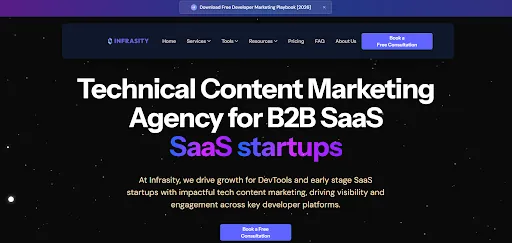
Infrasity is a technical content marketing agency that focuses on DevTools, AI agent startups, and infrastructure SaaS companies.
Unlike generalist content agencies, Infrasity’s content is written by in-house engineers with real product experience, which means technical accuracy is built into the process rather than reviewed after the fact.
The agency covers the full content lifecycle for developer-focused teams: SEO-driven blog posts and tutorials, product and API documentation, technical video production, and developer community engagement on platforms like Reddit, GitHub, and Dev.to.
Rather than chasing pageviews, Infrasity ties content performance to product adoption signals such as API calls, SDK downloads, and active developer users.
This makes them a practical fit for startups where engineering teams are stretched thin and the buyer is a developer or technical decision maker who expects depth and credibility from every piece of content they encounter.
3. Brafton
Best for: Large organizations needing consistent, high-volume content production
Strengths: End-to-end content services, scalable editorial workflows, SEO, video production, and design
Recognizable clients: SAP, Adobe, Salesforce, and Amazon

Brafton is known for supporting large-scale and ongoing content marketing companies programs across multiple industries. The agency provides a structured, end-to-end service model that includes content strategy, SEO research, editorial planning, writing, design, video production, and distribution.
This makes it a common choice for organizations that need consistent output over time.
One of Brafton’s strengths is its operational framework. Content is produced through defined workflows that emphasize quality control, editorial oversight, and scalability.
Rather than focusing on one-off campaigns, Brafton helps organizations build repeatable content systems that support long-term publishing goals, brand consistency, and organic visibility.
4. WebFX
Best for: Businesses that want content tied closely to performance and analytics
Strengths: Data-driven content strategy, SEO integration, analytics, marketing automation, conversion tracking
Recognizable clients: Hilton, Verizon, Wrangler, and Furbo
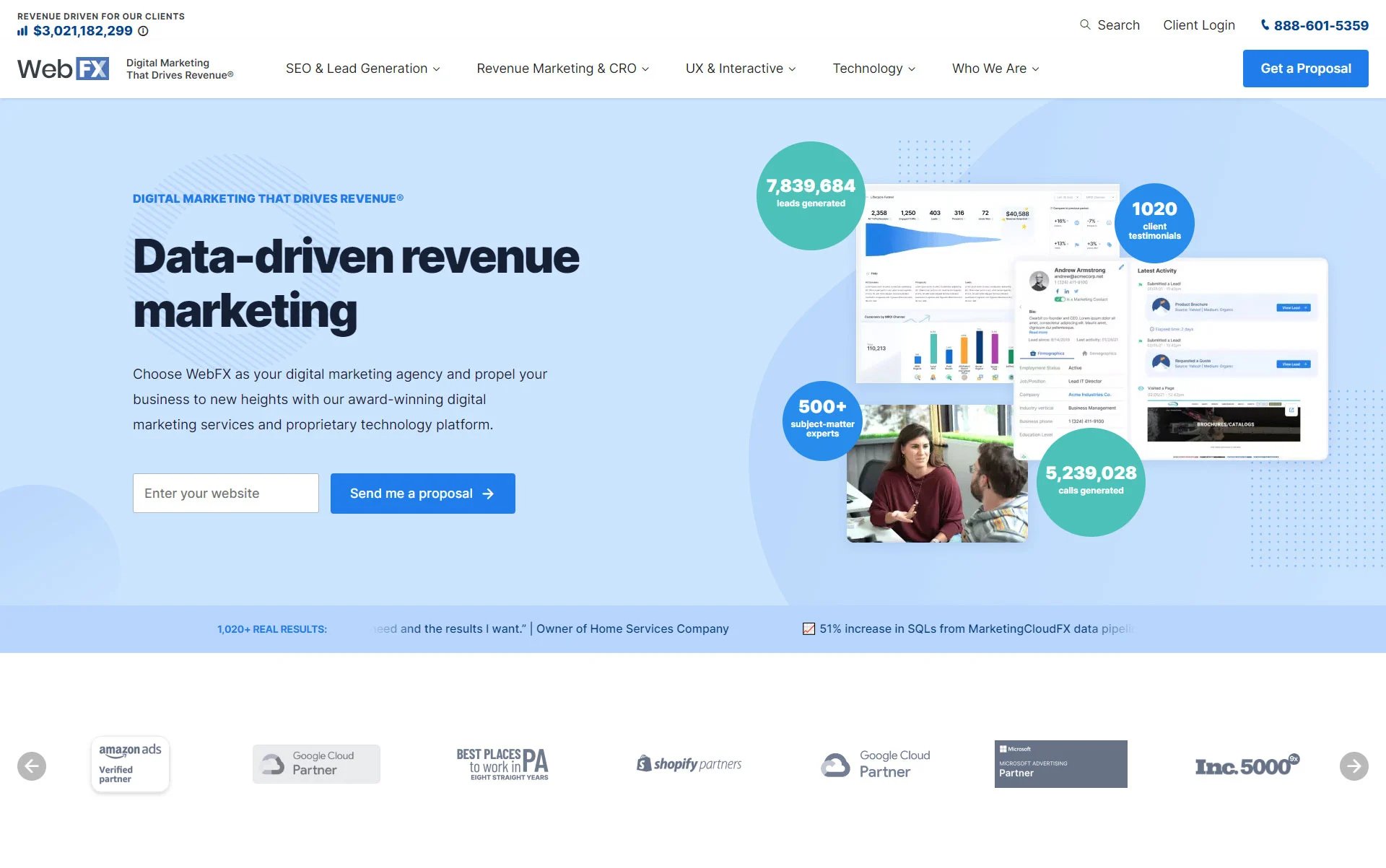
WebFX approaches content marketing as part of a broader digital performance strategy. The agency integrates content with SEO, paid media, analytics, and marketing automation to help organizations understand how content contributes to traffic, engagement, and conversions.
Content is not treated in isolation but evaluated within the full digital ecosystem.
This data-driven approach appeals to organizations that prioritize measurement and attribution. WebFX supports content initiatives with reporting frameworks that connect performance metrics to business objectives.
By combining content with technical and analytical capabilities, the agency helps brands optimize both visibility and conversion outcomes.
5. Animalz
Best for: B2B SaaS and technology companies needing deep, educational content
Strengths: Long-form editorial content, thought leadership, technical B2B expertise, evergreen content strategy
Recognizable clients: Amazon, Google, Airtable, and GoDaddy
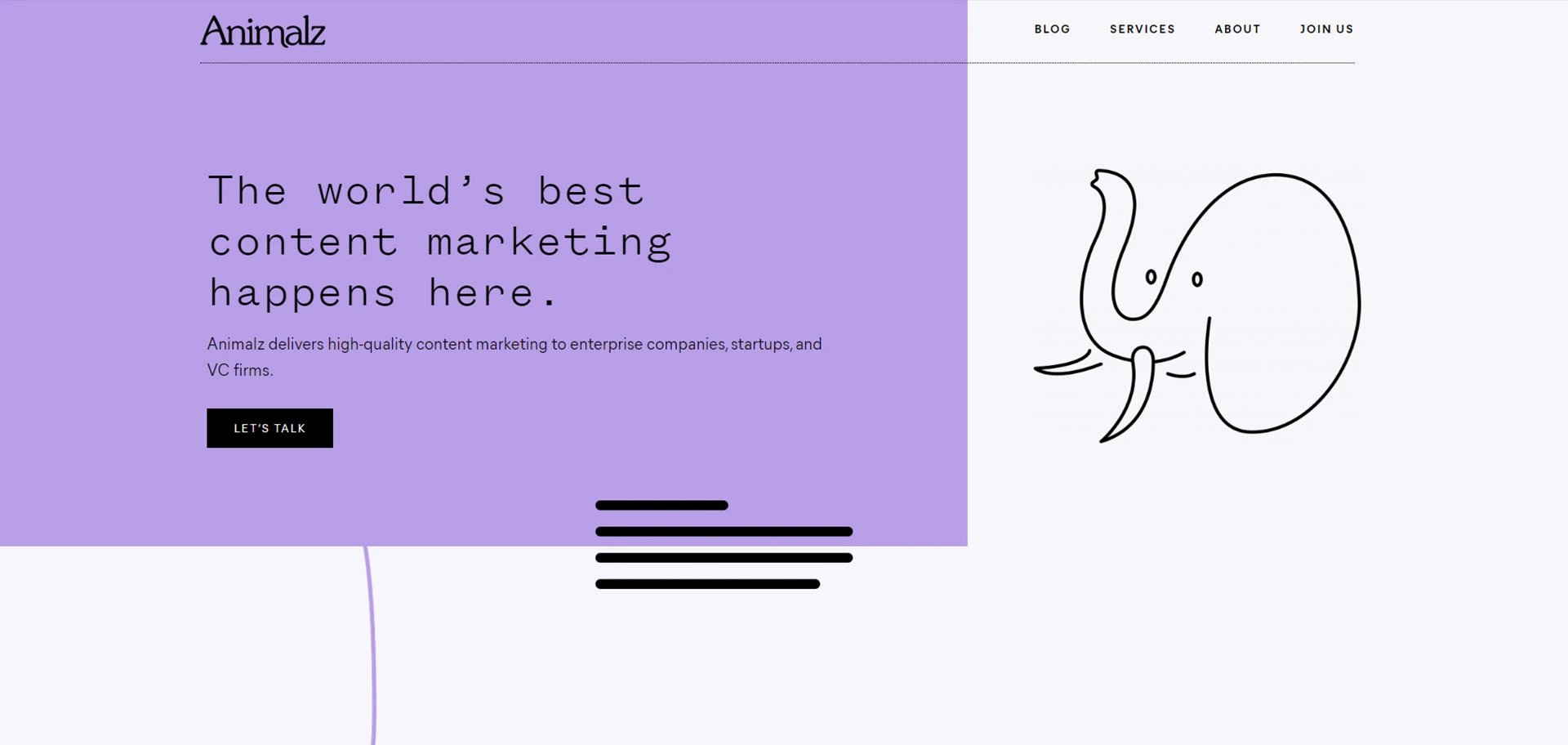
Animalz specializes in long-form editorial content, particularly for B2B SaaS, technology companies, and venture-backed organizations.
The agency focuses on producing in-depth, insight-driven content that addresses complex topics and buyer concerns. Rather than publishing high volumes of short articles, Animalz emphasizes depth, clarity, and original thinking.
Their content is often used to support thought leadership and long-term organic growth. Articles are designed to remain relevant over time, providing lasting value rather than short-term traffic spikes.
This approach makes Animalz well-suited for brands that want to establish authority and credibility within competitive content environments.
6. Column Five
Best for: B2B SaaS and technology companies needing deep, educational content
Strengths: Long-form editorial content, thought leadership, technical B2B expertise, evergreen content strategy
Recognizable clients: Amazon, Google, Airtable, and GoDaddy
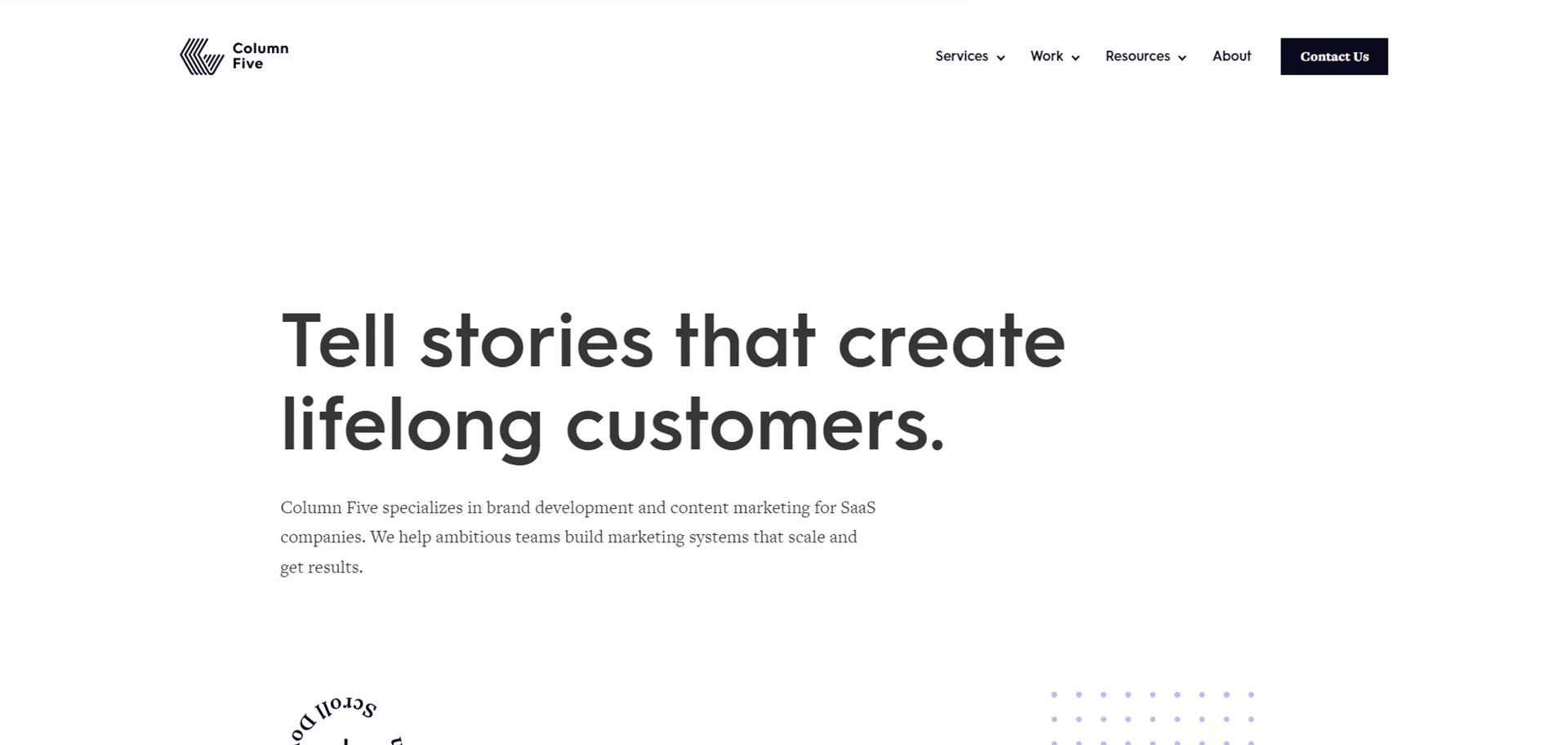
Column Five is a content agency known for its strong emphasis on storytelling and visual communication. The agency frequently combines written content with design, data visualization, motion graphics, and interactive elements.
This helps simplify complex information and make content more engaging for audiences.
Their work is often used for brand education, research-based storytelling, and high-impact campaigns. Column Five places a strong focus on structure and clarity, ensuring content is both informative and visually accessible.
This makes the agency a good fit for organizations that want content to stand out through presentation as well as substance.
7. Propllr
Best for: Brands seeking integrated content, SEO, and PR visibility
Strengths: SEO-led content, PR integration, social media alignment, multi-channel distribution
Recognizable clients: Technology, finance, healthcare, and real estate brands
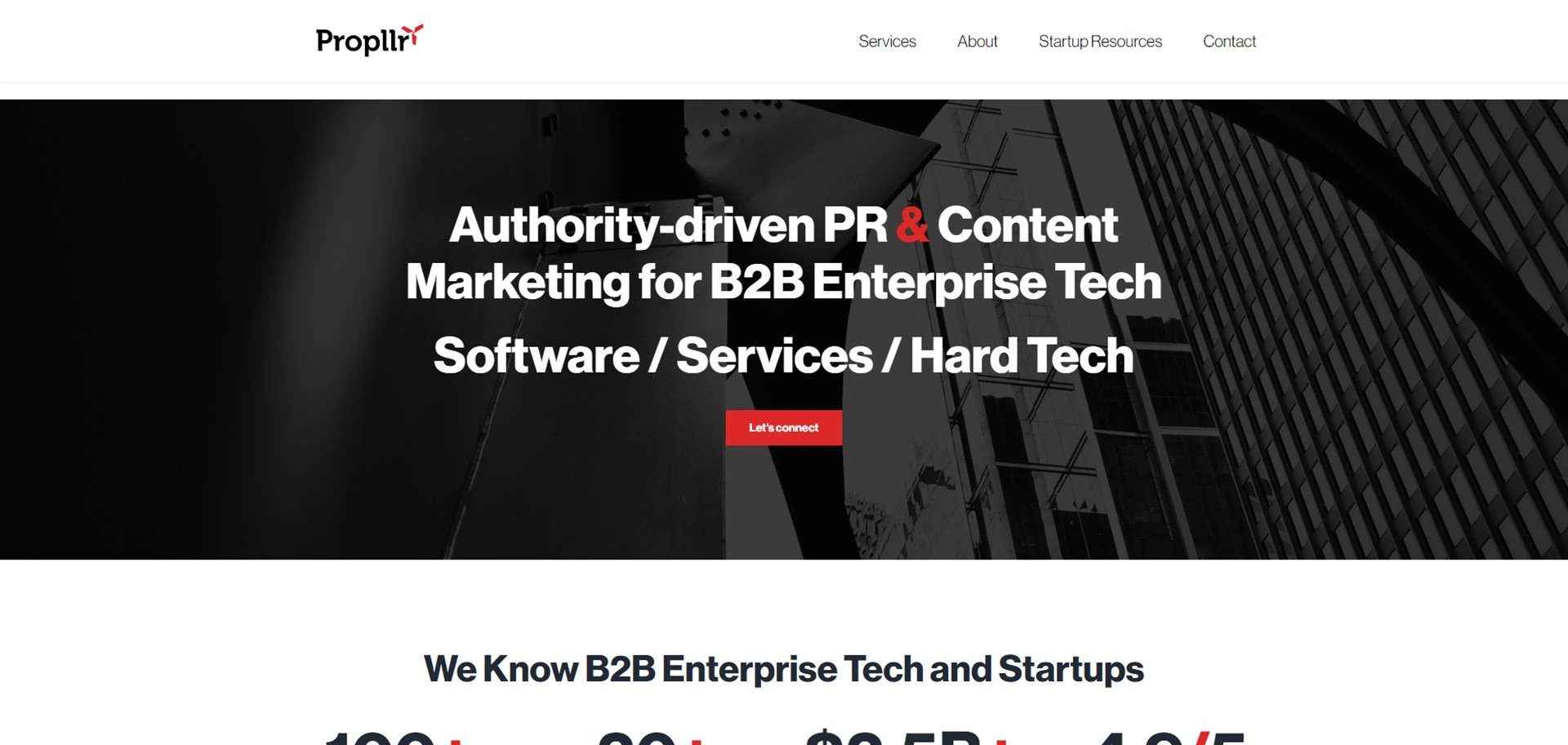
Propllr takes an integrated approach to content marketing by combining SEO, public relations, social media, and content distribution. Rather than focusing on a single channel, the agency helps organizations maintain consistent visibility across owned and earned platforms.
Content initiatives are designed to support discoverability and brand alignment.
The agency works across several industries, including technology, finance, healthcare, and real estate. Propllr emphasizes relevance and consistency, helping brands keep content updated and aligned with audience needs.
This coordinated approach supports sustained presence rather than short-term campaigns.
8. 97th Floor
Best for: Companies that value experimentation and research-driven strategy
Strengths: Audience research, content experimentation, performance testing, iterative optimization
Recognizable clients: Google, Salesforce, and Dell
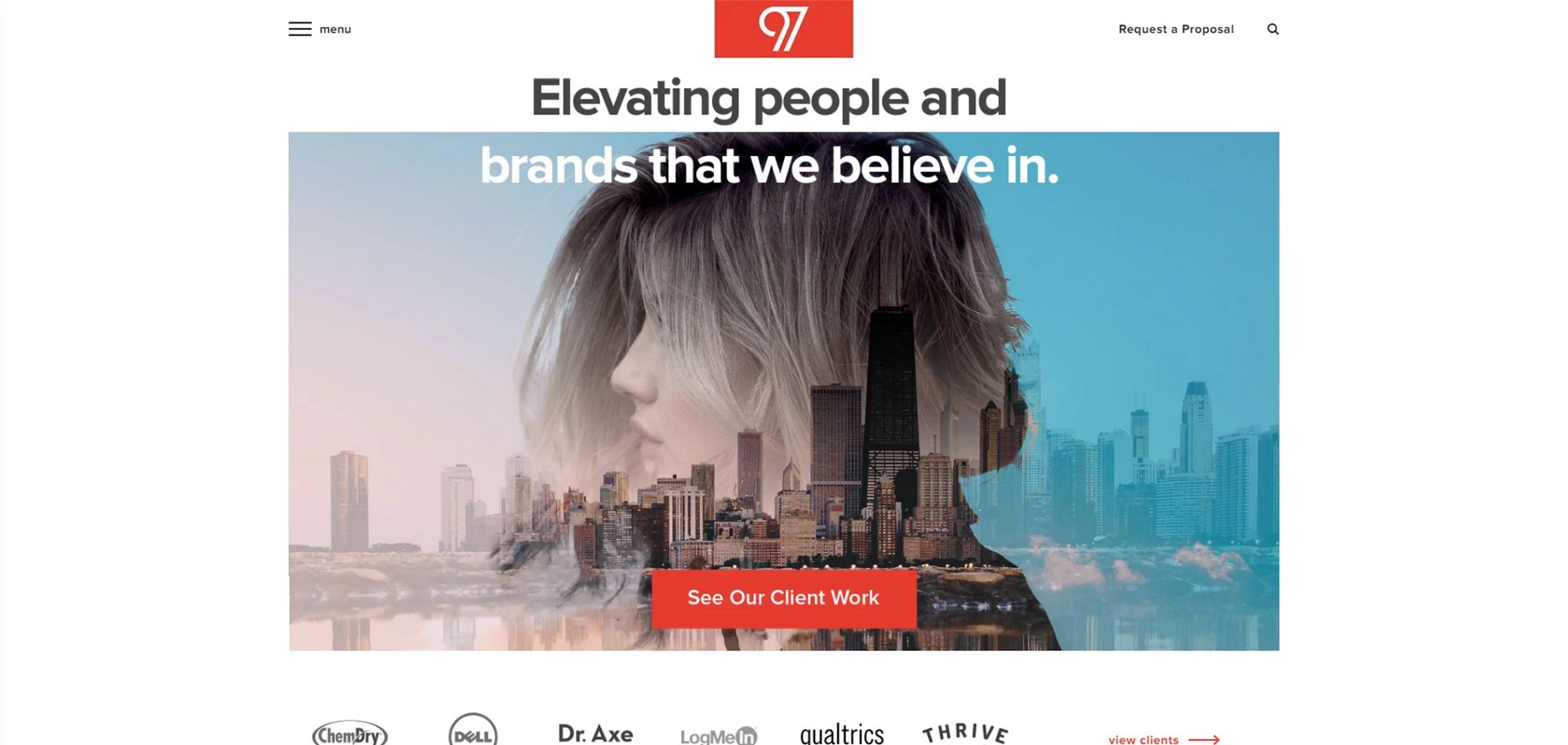
97th Floor is known for its research-led and experimental approach to content marketing company. The agency uses audience insights, market research, and performance testing to inform strategy decisions.
Content programs are refined over time based on data rather than fixed assumptions.
This iterative approach allows content strategies to evolve as audience behavior and market conditions change.
Rather than relying on static plans, 97th Floor emphasizes continuous learning and optimization. This model works well for organizations that value testing, analysis, and long-term improvement.
9. Siege Media
Best for: SaaS, fintech, and eCommerce brands focused on organic growth
Strengths: SEO-driven content, keyword research, link-earning assets, long-term organic strategy
Recognizable clients: Zapier, Zoom, Figma, and Panda Security
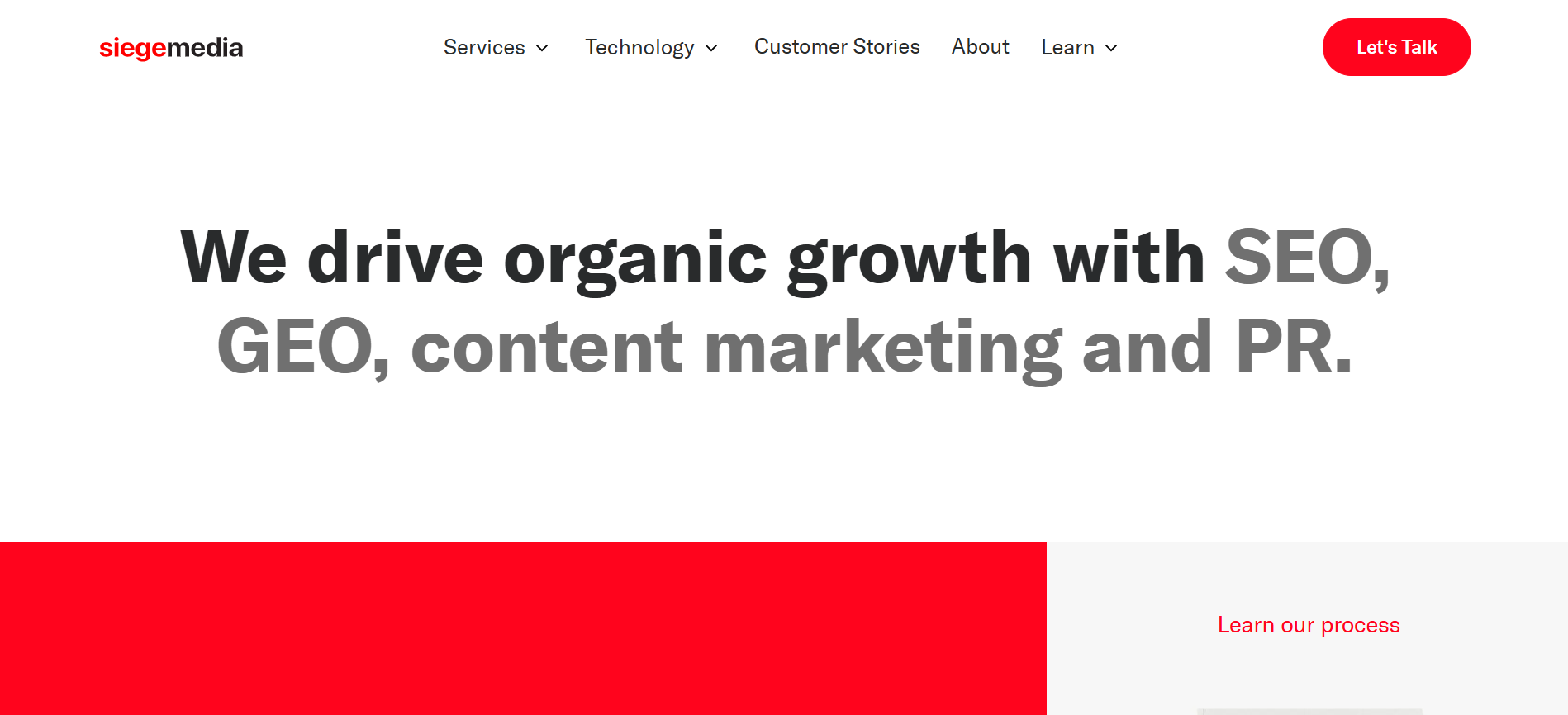
Siege Media focuses primarily on SEO-driven content marketing designed to generate long-term organic growth.
The agency emphasizes keyword research, competitive analysis, and editorial quality to create content that ranks well and earns backlinks naturally. Content is structured to align closely with search intent.
Rather than producing promotional content, Siege Media creates educational resources that attract consistent traffic over time.
This approach is commonly used by SaaS, fintech, and eCommerce companies seeking scalable organic visibility. The agency’s focus on sustainability makes it suitable for brands prioritizing long-term results.
10. Builtvisible
Best for: Organizations seeking search-led, research-backed content strategies
Strengths: Technical SEO, content audits, competitive research, structured content planning
Recognizable clients: ASOS, Iceland Foods, and HomeServe
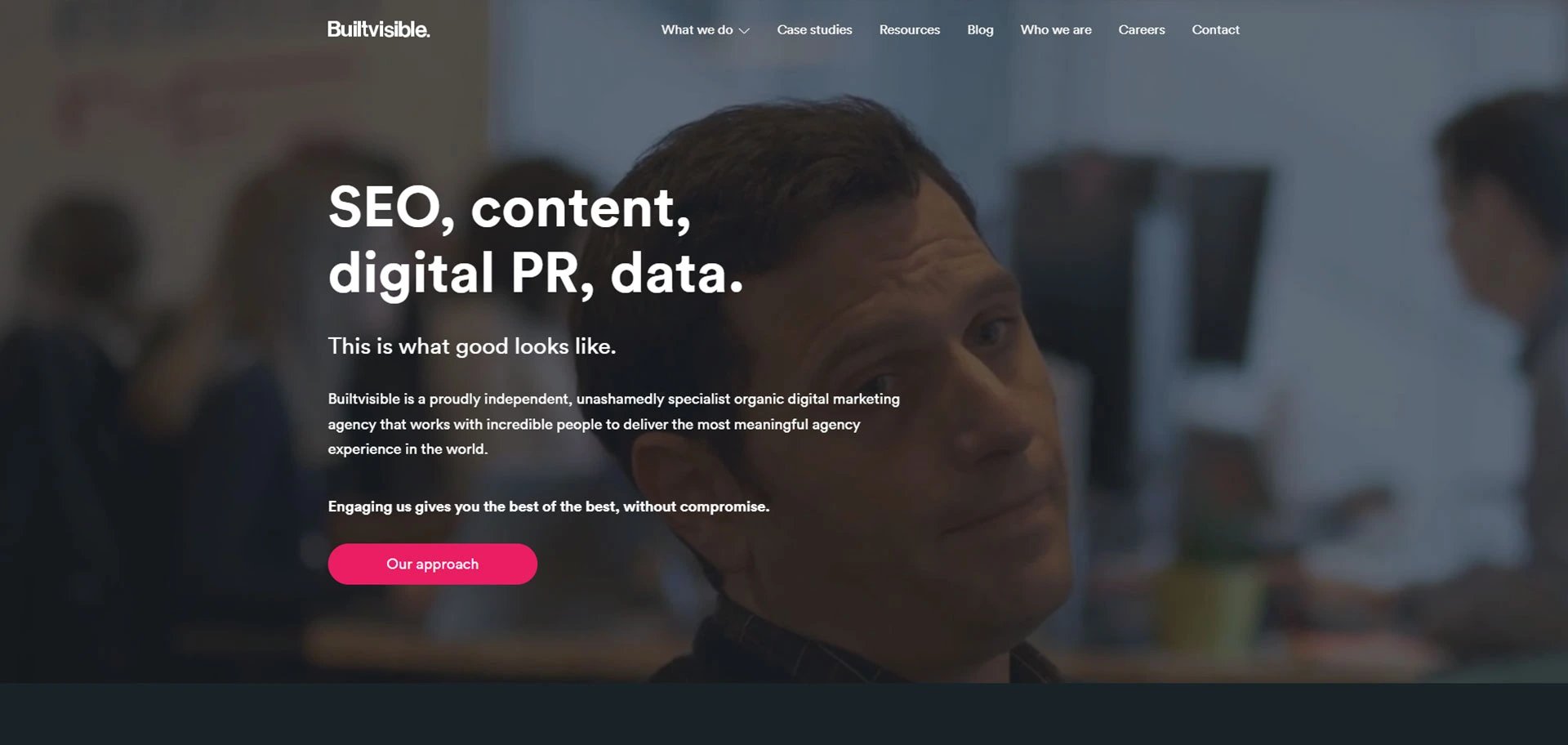
Builtvisible specializes in search-led content strategies with a strong foundation in technical and strategic SEO.
The agency typically begins engagements with audits and competitive research to identify gaps and opportunities. Content planning is closely aligned with user intent and search behavior.
Their work emphasizes clarity, structure, and relevance, helping content perform well in organic search results.
Builtvisible’s methodical approach makes it a good fit for organizations that want content strategies grounded in research and long-term organic performance rather than short-term trends.
11. Omniscient Digital
Best for: Organizations seeking search-led, research-backed content strategies
Strengths: Technical SEO, content audits, competitive research, structured content planning
Recognizable clients: ASOS, Iceland Foods, and HomeServe
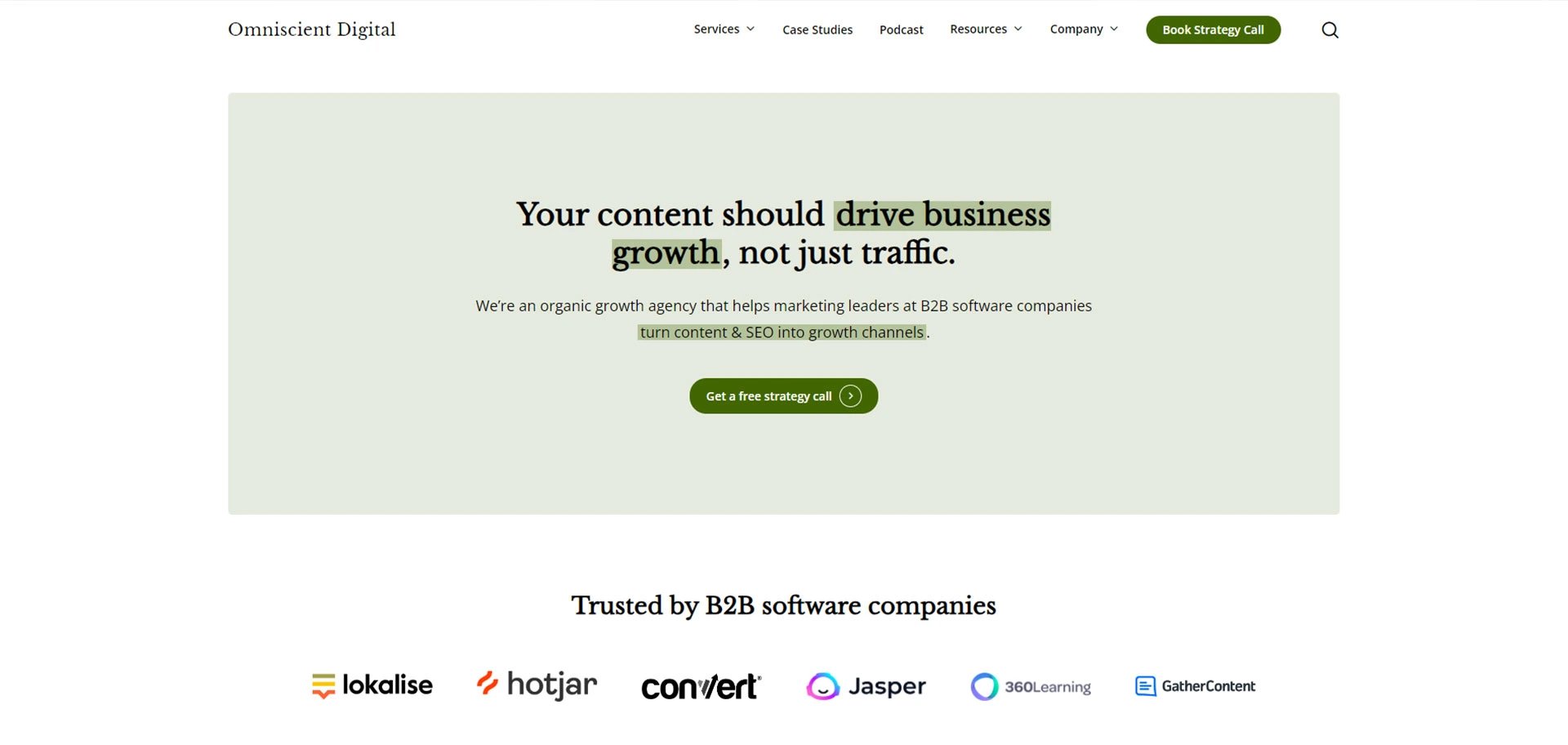
Omniscient Digital focuses on demand-driven content marketing programs, particularly for B2B SaaS organizations.
The agency uses topic clusters, long-form resources, and buyer-stage mapping to guide prospects through complex decision-making processes. Content is designed to educate rather than sell directly.
Their strategies prioritize alignment between content and business goals. By mapping content to awareness, consideration, and evaluation stages, Omniscient Digital helps organizations support pipeline growth through structured education.
This approach works well for companies with longer sales cycles and technical products.
Why Content Marketing Agencies Matter More Than Ever
Best Content marketing agencies don’t just create content — they design systems that compound over time.
Instead of chasing short-term promotion, agencies help organizations build reusable content assets that improve visibility, educate buyers, and support conversions across search, social, and AI-driven discovery.
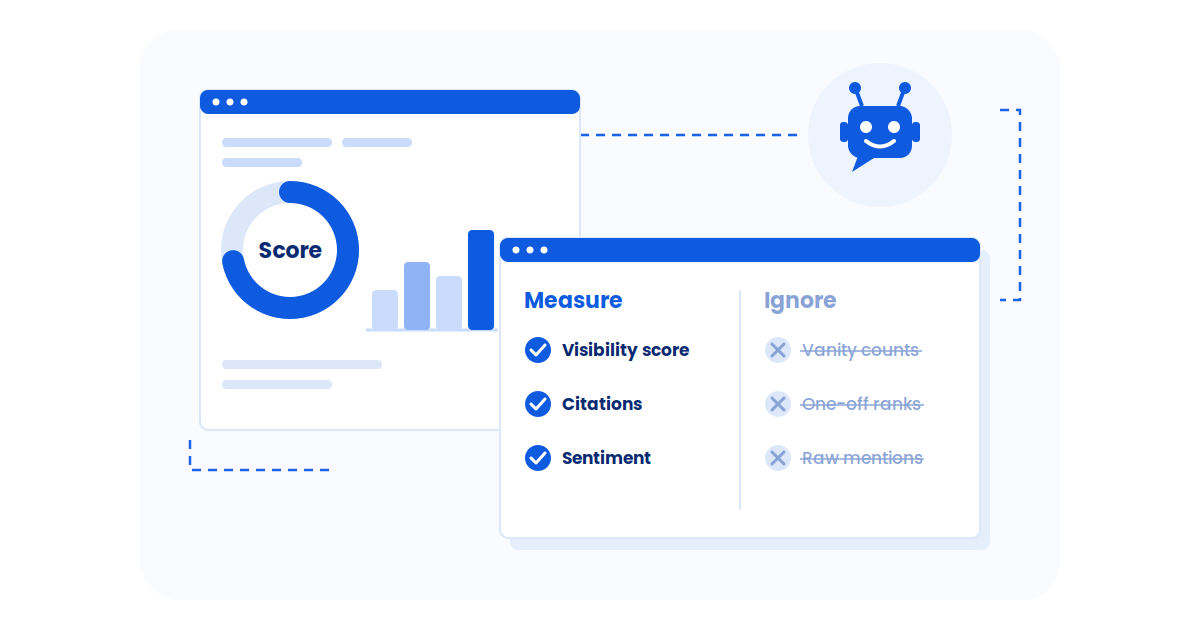
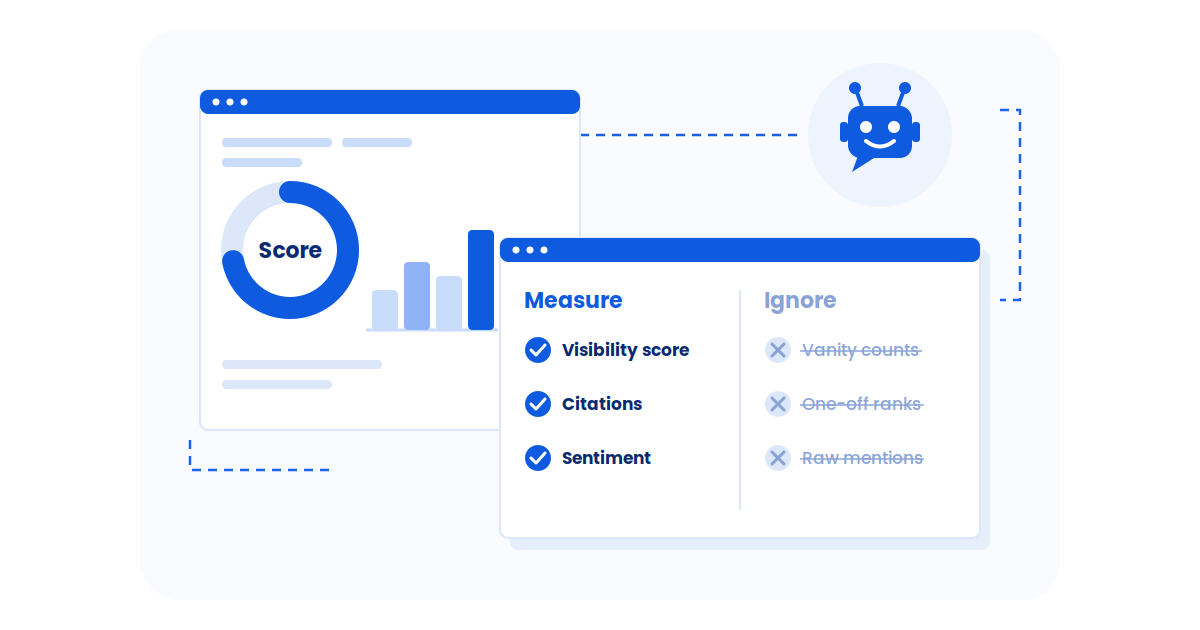
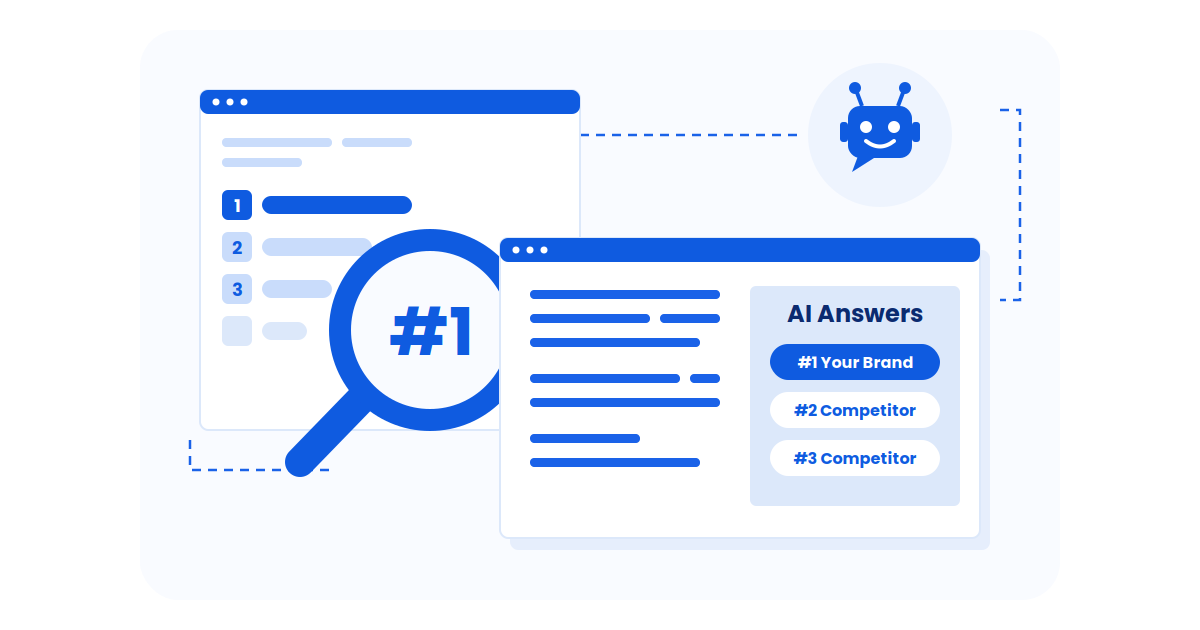
As discovery increasingly happens through AI summaries and zero-click experiences, agencies rely on AI visibility platforms to understand where and how content is being surfaced, cited, or ignored across generative systems, where LLM citations show which brands an AI engine actually recommends.
Clear playbooks on how to use AI for SEO help agencies standardize briefs, structure, and internal links so content performs across SERPs and AI answers.
Content marketing agencies design and execute content strategies aligned with specific business objectives. These objectives may include increasing visibility, improving organic discovery, educating buyers, supporting lead generation, or strengthening long-term brand trust.
Agencies work across planning, creation, optimization, and measurement rather than focusing only on content production. Their role is to ensure content functions as a connected system rather than isolated blog posts or one-off campaigns.
Most agencies manage the full content lifecycle. This includes researching audiences, defining topics, creating editorial plans, producing content, optimizing it for discovery, and monitoring performance over time.
By managing content as a system, agencies help organizations maintain consistency, reduce duplication, and ensure each asset plays a defined role within a broader growth strategy.
Content marketing agencies typically integrate their work with SEO, analytics, and conversion frameworks. This allows content performance to be measured beyond surface metrics such as page views.
Instead, agencies track how content supports engagement, assists conversions, and contributes to overall growth.
Unlike advertising or creative agencies, content marketing agencies focus on long-term value creation. The content they produce—guides, articles, case studies, videos, and educational resources—is designed to remain relevant and useful well beyond its publication date.
What Are the Key Benefits of Content Marketing?
Content marketing helps businesses attract qualified audiences, reduce acquisition costs, and build long-term visibility and trust through reusable content assets.
- Lead generation: Helpful content attracts qualified prospects by answering real questions and matching search intent.
- Cost efficiency: Content reduces reliance on continuous ad spend by building assets that keep working after publication.
- Sustained performance: Evergreen pages continue to drive traffic, engagement, and leads over time, especially when refreshed and internally linked.
- Trust building: Educational content builds credibility by showing expertise before a buyer ever speaks to sales.
What Content Marketing Agencies Do — and What They Don’t
Content marketing agencies are often expected to “do everything,” which creates mismatch and disappointment. Here’s the clearest boundary:
What agencies typically do
Build content strategy tied to business goals (visibility, leads, trust, conversions)
Research topics, audiences, and search intent
Create content briefs, editorial calendars, and publishing workflows
Write, edit, and produce content across formats (blogs, guides, case studies, videos)
Optimize content for search and discovery (structure, internal linking, refreshes)
Track performance and improve content over time
What agencies typically don’t do (unless explicitly offered)
Run paid ad campaigns as a primary growth channel
Own your sales process, CRM, or closing workflows
Replace internal subject-matter expertise (they need SME inputs to stay accurate)
Provide full PR link-building at scale (some do, many don’t)
Fix deep engineering problems (site rebuilds, product analytics, infrastructure)
Why Organizations Work With Content Marketing Agencies?

Many organizations turn to content marketing agencies providers due to limitations in internal execution. In-house teams often struggle with time constraints, competing priorities, or a lack of specialized expertise needed to manage content at scale.
Agencies provide dedicated resources and structured processes that help overcome these challenges.
One major reason organizations work with agencies is access to multidisciplinary expertise. Agencies bring together strategists, SEO specialists, writers, editors, designers, and analysts who collectively manage both planning and execution.
This reduces reliance on fragmented freelancers or single internal roles.
Agencies also help organizations scale content output without sacrificing quality. As content needs grow across formats and channels, agencies provide repeatable workflows and editorial standards that support consistency.
This is especially important for organizations expanding into new markets or topics, and it is why many teams standardize reporting on an AI visibility platform for agencies as client counts grow.
Another benefit is external perspective. Agencies can identify content gaps, inefficiencies, and opportunities that internal teams may overlook due to familiarity or internal bias.
This objectivity helps refine strategy and improve results over time.
How Content Marketing Agencies Work?
Although approaches vary, most content marketing agencies follow a structured operating model designed to reduce risk and improve outcomes. This model emphasizes planning, documentation, and iteration rather than reactive publishing.
Work typically begins with research and discovery. Agencies review business goals, target audiences, competitors, and existing content to understand what is working and where gaps exist.
This foundation ensures content decisions are informed rather than assumed.
Research often includes keyword analysis, search intent mapping, audience behavior review, and competitor benchmarking. For a Content strategy agency, these insights help prioritize topics that align with demand and business relevance rather than chasing trends.
Many agencies document findings in detailed content briefs. These briefs define topic scope, structure, intent, and optimization requirements, ensuring writers and editors work from a clear, shared understanding.
Research insights are translated into editorial roadmaps that outline topics, formats, timelines, and distribution plans. This roadmap ensures content supports both immediate needs and long-term authority building.
Strong planning reduces overlap between similar topics and prevents content cannibalization. Each asset is assigned a clear purpose within the broader content ecosystem.
Editorial calendars also help internal teams understand priorities and resource allocation, making collaboration smoother and more predictable.
Content creation involves collaboration between writers, editors, designers, and subject-matter experts. Agencies produce a range of formats, including blog articles, long-form guides, case studies, reports, videos, and supporting visual assets.
Professional agencies emphasize clarity, accuracy, and relevance. Rigorous editorial review processes are implemented to avoid plagiarism, ensuring content is original, well-structured, and aligned with brand voice rather than generic or keyword-driven.
Content is written to be understandable to real readers, not just search engines. This balance improves engagement and long-term usefulness.
After publication, content is optimized for visibility and usability. This includes improving headings, internal linking, readability score, and alignment with user intent.
Agencies also support distribution through owned channels such as email and social platforms. In some cases, content is amplified through partnerships or selective paid promotion to reach relevant audiences.
Optimization is ongoing rather than one-time. That’s one reason agencies are investing more in content optimization, giving teams a more systematic way to refine content as search behavior, buyer intent, and visibility signals evolve.
Content is reviewed and updated as search behavior, competition, and user needs evolve. This includes adapting content structure and clarity based on best practices for how to optimize for Google AI Overviews, where visibility depends on summarization and citation rather than rankings alone.
If you’re looking to go beyond traditional SEO and improve how your content performs in AI-driven search experiences, check out our AI Content Optimization 2026 Guide. It breaks down practical strategies for improving visibility across AI Overviews, conversational search, and modern discovery platforms.
Content marketing agencies continuously monitor performance. Metrics typically include visibility, engagement, conversions, and assisted revenue rather than output volume alone.
Agencies serving growth teams increasingly borrow from the playbook for AI visibility solutions for growth marketing agencies, tracking citation share alongside traditional performance data.
Performance insights guide future planning, content refreshes, and strategic adjustments. This iterative process helps content improve over time instead of becoming outdated.
Best Content Marketing Services Offered by Agencies
Content Strategy Development
SEO and Topic Research
Long-Form Content Creation
Editorial and Quality Control
Content Distribution and Promotion
Performance Analysis and Reporting
Types of Best Content Marketing Agencies
Content marketing agencies are not all the same. They differ based on what they focus on, how they work, and the kind of results they are designed to deliver. Some agencies handle everything from planning to publishing, while others specialize in search visibility, B2B growth, or creative storytelling.
Understanding these differences makes it easier to choose an agency that fits your goals, budget, and internal team structure. Below are the most common types of content marketing agencies and how they typically work.
Full-Service Content Marketing Agencies
Full-service content marketing agencies handle the entire content process from start to finish. This usually includes strategy, research, content creation, optimization, distribution, and performance tracking.
These agencies work closely with internal teams and often function as an extension of the company. Instead of managing multiple vendors, businesses rely on one agency to keep content consistent and aligned with business goals.
Because they manage everything, full-service agencies focus heavily on processes, timelines, and collaboration. This helps reduce confusion, missed deadlines, and duplicated efforts.
Full-service agencies are a good fit for organizations that want long-term content support and prefer a single partner to manage their entire content program.
SEO-Focused Content Agencies
SEO-focused content agencies concentrate on helping content get discovered through search engines, while AI SEO agencies focus on visibility inside AI-generated answers and generative search experiences. Their main goal is to improve organic visibility and bring in qualified traffic over time.
These agencies rely on keyword research, search intent analysis, and competitor data to decide what content should be created or updated. Every piece of content is planned with search behavior in mind.
SEO agencies often work on improving existing content as much as creating new pages. This includes updating outdated articles, improving structure, and fixing gaps that prevent content from ranking well.
When rankings are held back by crawlability, site architecture, or indexation issues, businesses often bring in technical SEO agencies to remove the infrastructure bottlenecks that content alone cannot resolve.
These types of agencies are ideal for businesses that want steady, organic growth and rely heavily on search traffic to drive leads or customers.
B2B and SaaS Content Agencies
B2B and SaaS content agencies specialize in industries where buying decisions take time and involve multiple stakeholders. Their content is designed to educate, explain, and guide buyers through complex decisions.
These agencies create detailed resources such as long-form guides, case studies, comparison pages, and thought leadership content. The focus is on clarity, accuracy, and real-world use cases.
Instead of quick promotional content, B2B agencies emphasize depth and usefulness. Content is usually mapped to different stages of the buyer journey, from awareness to decision-making.
This agency type works best for companies selling complex products or services where trust and understanding are critical.
Creative and Visual Content Agencies
Creative and visual content agencies focus on how content looks and feels. They use design, video, motion graphics, and storytelling to capture attention and communicate ideas clearly.
These agencies help brands stand out by creating visually engaging content that is easy to consume and remember, with the strongest results coming from teams that combine creative work with AI content optimization strategies.
Creative agencies are commonly involved in brand campaigns, product launches, and high-impact assets like videos, infographics, and interactive content.
They are a good choice for organizations that want to improve engagement, strengthen brand identity, or communicate complex ideas in a more visual way.
How to Choose a Content Marketing Agency Service in 2026
Choosing a content marketing agency requires more than reviewing portfolios or comparing pricing. Organizations need to evaluate how an agency thinks, plans, and executes content over time.
A strong agency demonstrates clarity in process, not just creativity in output.
One of the most important factors is industry understanding. Agencies that have worked within similar industries understand audience expectations, terminology, compliance considerations, and competitive dynamics.
This reduces onboarding time and improves the relevance of content from the start.
Process transparency is another critical factor. Agencies should clearly explain how research is conducted, how content is planned, how quality is reviewed, and how performance is measured.
Well-documented workflows reduce confusion and help internal teams collaborate effectively.
Measurement frameworks also matter. Effective agencies define success early and track metrics that align with business goals, such as engagement quality, assisted conversions, organic visibility, and increasingly citation share inside AI answers, which is what AI visibility tools measure.
Reporting should focus on insights and improvement, not just numbers.
Finally, scalability should be assessed. As content programs grow, agencies must demonstrate the ability to increase output, expand topic coverage, and support multiple channels without sacrificing quality or consistency.
Is Your Organization Ready to Work With a Content Marketing Agency?
Hiring an agency works best when the organization is ready to support the process. Use this checklist before signing:
Goals are clear: You can explain what success means (e.g., qualified leads, pipeline support, category authority — not just “more traffic”).
Ownership exists: Someone internally owns the program, approves priorities, and removes blockers.
Subject-matter access is available: The agency can interview SMEs or review drafts for accuracy.
You can commit for 6–12 months: Content marketing compounds; it rarely pays off in a single month.
You can support distribution: Email, social, community, partnerships — agencies can help, but internal amplification matters.
You have measurement alignment: You agree on what will be tracked (assisted conversions, demo influence, pipeline touchpoints, retention content, etc.).
If most of these are missing, content will feel “busy” rather than effective — even with a strong agency.
Measuring the Impact of Content Marketing Companies:
Effective content marketing agencies don’t measure success through short-term spikes or isolated metrics. Instead, they evaluate performance over time, focusing on whether content compounds in value as visibility, trust, and relevance grow.
One of the first areas agencies assess is visibility and discovery. Strong agencies track how content appears across search engines, recommendation systems, and AI-driven results, ensuring brands remain discoverable even as zero-click experiences increase. This allows organizations to build awareness without relying solely on ongoing media spend.
Agencies also measure engagement and trust signals. Educational content should help audiences understand problems, evaluate solutions, and progress confidently toward decisions. Agencies look beyond page views to assess how content supports reading depth, repeat visits, and assisted conversions.
Another critical impact area is conversion support. While content is rarely the final conversion touchpoint, agencies analyze how it influences buyer journeys by answering questions, addressing objections, and supporting multiple stages of evaluation.
To do this, agencies use analytics platforms, attribution models, and engagement frameworks to connect content performance to real business outcomes. These insights guide ongoing optimization, content refresh cycles, and strategic adjustments over time.
Some metrics look impressive but don’t represent business impact on their own. Strong agencies avoid building strategy around:
Raw pageviews without engagement or intent match
Publishing volume (how many posts) without outcomes
Rankings alone without conversion contribution
Social shares that don’t correlate with pipeline or retention
Time on page without next-step behavior
Instead, agencies focus on compounding indicators like content-assisted conversions, qualified lead paths, brand search lift, and performance of evergreen assets over time.
Common Challenges and How Agencies Address Them
Many organizations struggle with content inconsistency. Without clear planning and ownership, content becomes fragmented across teams and channels. Agencies address this by establishing editorial governance and centralized planning.
Another challenge is unclear prioritization. Organizations often publish content reactively without understanding which topics matter most.
Agencies use research and data to prioritize high-impact topics aligned with audience demand.
Performance visibility is also a common issue. Without proper tracking, it is difficult to know which content contributes to growth. Agencies implement measurement frameworks that connect content to outcomes rather than surface metrics.
Content decay is another challenge. Over time, content can become outdated or lose relevance. Agencies address this through regular audits, refresh cycles, and optimization programs that extend content lifespan.
A structured content marketing plan checklist helps agencies align stakeholders, define responsibilities, and ensure consistent execution across teams.
Why Content Marketing Agency Programs Fail (Even With an Agency)
Content marketing firm can still fail even with a capable agency — usually because the system around content is broken. The most common failure patterns are:
Unrealistic timelines: Expecting major results in weeks instead of months.
Misaligned KPIs: Measuring success by output (posts) instead of outcomes (pipeline influence, qualified demand, trust).
Weak internal collaboration: No SME access, slow approvals, or unclear ownership.
Content treated as a campaign, not a system: One-off posting without internal linking, refresh cycles, or distribution.
Generic positioning: Content that sounds like everyone else rarely earns trust, rankings, or AI citations.
Agencies reduce these risks through structured planning and iteration — but they can’t replace strategic alignment and internal commitment.
FAQs:
They research audience needs, plan relevant topics, produce high-quality content, and optimize it for discovery and performance. By continuously improving content based on data and user behavior, agencies help businesses generate consistent leads, support sales efforts, and build lasting brand authority.
Individual services such as content planning, content creation, paid promotion, influencer outreach, or performance marketing may start around $1,000 to $10,000 per month. Larger organizations with complex needs, multiple channels, and high publishing volume may invest $60,000 or more each month in comprehensive content marketing programs.
Pricing ultimately depends on factors such as content volume, industry competitiveness, level of strategy involved, and how closely content is tied to revenue and performance goals.
Unlike ads that stop working once the budget runs out, content marketing compounds over time by improving organic visibility, trust, and engagement. Content marketing agencies prioritize strategy, consistency, and audience understanding, making them ideal partners for sustainable growth rather than immediate promotional wins.
Conclusion:
Content marketing agencies play a central role in modern growth strategies. Their value lies not only in producing content, but in building systems that support consistent quality, strategic alignment, and measurable performance over time.
As discovery continues to evolve across search engines, platforms, and AI-driven interfaces, structured content strategies become increasingly important.
Agencies help organizations adapt to these changes without relying on short-term tactics or reactive publishing.
By understanding how top content marketing agencies operate, what services they provide, and how to evaluate them, organizations can make informed decisions about partnerships.
The right agency brings clarity, scalability, and long-term value to content efforts.
When executed correctly, content marketing services agency becomes a durable asset one that compounds trust, visibility, and growth well beyond individual campaigns.