AI Overviews are changing how people interact with search results — and why strong AI Overviews optimization strategies are now important for visibility.
To succeed with AI Overviews optimization, lead with structured, concise answers that are easy to extract.
These generative summaries sit above traditional rankings and pull information from pages that deliver fast, high-quality insights.
Optimizing for AI Overviews isn’t just about SEO tweaks — it’s about shaping content that satisfies intent instantly.
When your article starts with a TL;DR summary, uses scannable subheadings, and answers key questions clearly, it becomes easier for search engines and large language models to reference.
This shift rewards precision, authority, and clarity over fluff. For brands, creators, and SEOs alike, mastering this format means staying relevant in a zero-click future.
If your content isn’t optimized for AI Overviews, you’re leaving visibility on the table — even if you’re ranking well.
Before we get into the details, here’s a glimpse of what’s really happening in search results right now. This 30-second visual shows exactly how much traffic publishers are losing to AI Overviews.
▶️ Watch: Why Publishers Are Losing Up to 40% of Their Traffic After AI Overviews
Key points:
- AI Overviews present concise, multi-source responses at the top of Google’s search results
- They favor well-ranked sites that offer clear, structured data
- Only about 1.28% of U.S. queries trigger an AI Overview (Semrush Sensor, 2024)
- Their design and frequency shift regularly as Search Generative Experience expands
- Websites can experience changes in organic traffic as user behaviors adapt
- Google now prioritizes relevance and information clarity when summarizing with AI
- Optimizing for AI Overviews is an advanced SEO strategy as Google search evolves
What Are AI Overviews in Google Search?

AI Overviews are Google’s AI-generated summaries that appear at the very top of search results. Instead of showing a single snippet, they combine insights from multiple sources to give users quick, context-rich answers along with links for deeper reading.
First introduced in May 2024, the feature has since rolled out to over 100 countries and supports multiple languages. These overviews are especially useful for complex questions that normally require scanning several web pages.
In March 2025, Google expanded this capability with AI Mode, an experimental option powered by its Gemini 2.0 model. AI Mode allows multi-part queries and delivers detailed responses using multimodal input such as text, images, and voice.
However, the feature has not been without controversy. Publishers have raised concerns about the use of their content in summaries without proper compensation, leading to lawsuits like the one filed by Penske Media (Rolling Stone, Billboard). There have also been cases where AI Overviews surfaced inaccurate or misleading information, prompting Google to make fixes and improve quality.
Why it matters: Appearing in an AI Overview can dramatically boost a brand’s visibility and authority. For marketers and publishers, focusing on AI Overviews optimization ensures their AI content is eligible for inclusion in these summaries—making it a key part of modern SEO.
What Is AI Overviews Optimization?
AI Overviews Optimization is the process of tailoring your digital content to improve its visibility and chances of being featured within AI-generated summaries, such as Google’s AI Overviews. These summaries appear at the top of search results, offering users quick, concise answers to their queries through generative AI.
As Google continues to integrate AI Overviews into its search experience, optimizing for this feature has become an essential part of modern SEO. It’s not just about ranking high anymore—it’s about being referenced or cited within AI-driven summaries that users see first.
1. Structured Content Creation
Create content that’s well-organized and easy for AI systems to interpret. Use clear headings, short paragraphs, and bullet points to make key points scannable. The more structured your content, the easier it is for AI to extract relevant information for summaries.
2. Incorporating Schema Markup
Adding structured data (schema markup) helps AI systems understand your content’s context and purpose. This metadata improves the chances of your content being selected and displayed within AI Overviews.
3. Ensuring Factual Accuracy and Relevance
AI prioritizes content that is factual, credible, and up to date. Regularly update your information and cite authoritative sources where necessary to improve your content’s trustworthiness and AI visibility.
4. Aligning with User Intent
Craft your content around real search intent. Use natural language patterns and answer-specific questions users are likely to ask. AI Overviews are designed to deliver direct, conversational responses—so your content should match that tone.
5. Embracing Generative Engine Optimization (GEO)
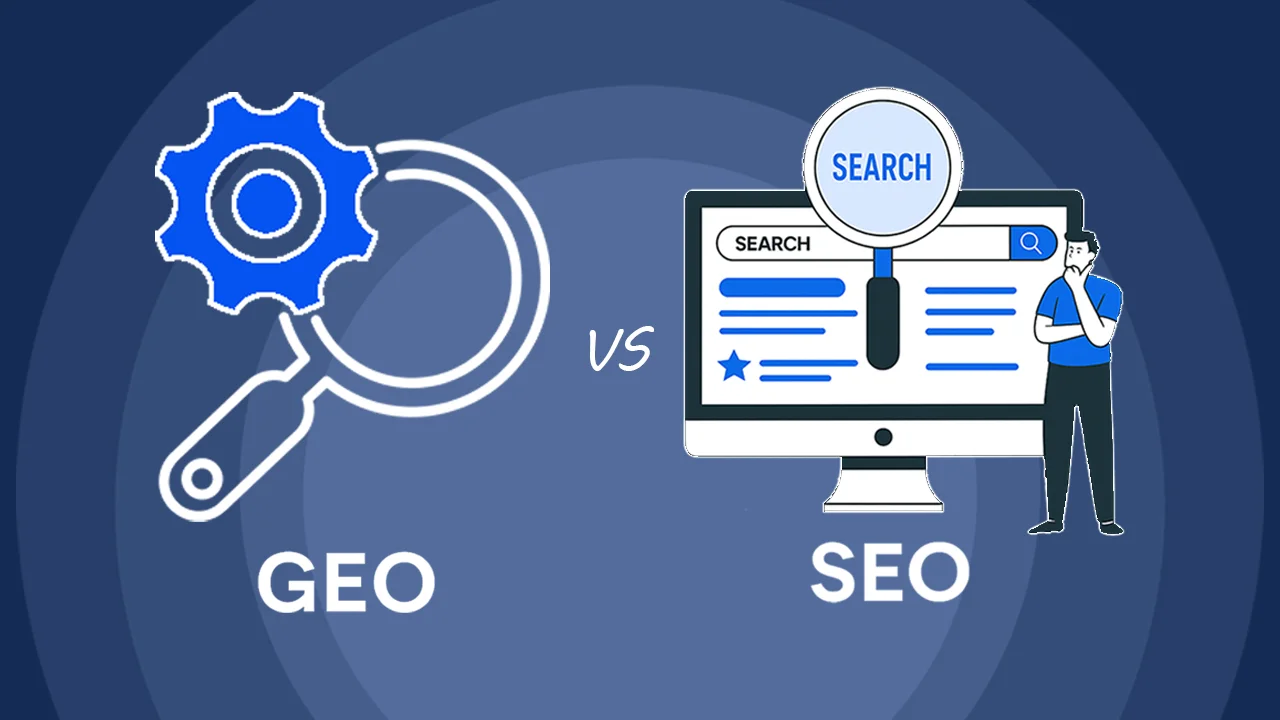
GEO is an emerging discipline focused on optimizing digital content for visibility in AI-generated results. It includes understanding how generative models interpret, summarize, and cite web pages—allowing creators to strategically position their content in AI search outputs.
Why Should Brands and Content Teams Care About AI Overviews Optimization?
Appearing in an AI Overview offers more than just visibility—it can transform how audiences perceive your brand. Pages selected for citation through AI Overviews optimization may:
- Improve perceived credibility and expertise
- Earn more branded searches over time
- Reduce reliance on traditional top-10 rankings
AI Overviews represent a shift in user trust—from websites to summaries powered by AI systems. To remain competitive, your content must align with how these systems process and present information.
To understand how to optimize for this feature, let’s break it down further.
How Google AI Overviews Optimization Works: Mechanisms and Query Types

Google AI Overviews (formerly known as Search Generative Experience or SGE) use generative AI (Gemini) to synthesize answers from multiple high-ranking web sources.
When a user enters a query, Google analyzes the intent, retrieves top search results, and generates a concise, AI-written summary—typically placed above traditional organic listings.
This summary often includes links to cited sources, extracted directly from the top 10 ranking pages.
The system prioritises factual consistency, authority signals (E-E-A-T), and content structure (like lists or TL;DRs). It uses a mix of neural retrieval, natural language generation, and ranking models to decide which sources to cite.
Understanding how AI summarizes content shows you how to create perfect content for AI interpretations. It also teaches you what makes content suitable for AI processing so your pages get chosen.
Query Types That Trigger AI Overviews:
- Complex informational queries (e.g., “how does insulin resistance affect weight loss”)
- Comparisons and evaluations (e.g., “SEO tools vs content AI tools”)
- Step-by-step or how-to queries
- Summarization-based requests (e.g., “summary of the latest AI update”)
They are less common for purely navigational or transactional queries (e.g., “Nike shoes size 9”).
I’ve noticed something surprising while analyzing SERPs recently — AI Overviews don’t always get the top spot.
In fact, here’s a perfect example
I searched for “best PS5 games”, and guess what?
GamesRadar’s article ranked above the AI Overview.
Not below it. Not beside it. Above.

This shows that Google still gives priority to trusted, timely, and authoritative sources, even in AI-influenced SERPs.
It’s a strong reminder that traditional SEO practices still matter. If your content is highly relevant, updated, and well-structured, you can still outrank AI Overviews — or even be the source they cite and top them in results.
So, while AI may own the spotlight, SEO isn’t dead. It’s just evolving!
What Types of Content Are Most Likely to Be Cited In AI Overviews?
Google prefers content that is easy to extract and offers factually complete responses. As part of AI Overviews optimization, pages that match these formats are more likely to be selected:
- Blog-style articles that explain topics clearly with structured headers and summaries
- Step-by-step how-to guides and checklists solving specific user tasks
- Mainstream news articles from reputable publishers with recent updates
- Product comparison tables that highlight key specs, pros/cons, or features
- Community forums like Reddit and Quora, often cited for real-life insights or consensus opinions
- Short-form social content, such as public LinkedIn articles or embedded expert commentary
- Visual-rich pages with videos, infographics, or screenshot annotations
- Expandable dropdowns or accordions that organize related subtopics
- Trusted resource links grouped in “link cards” pointing to reputable sites and reviews
Don’t forget visuals. Optimizing visual content for AI interpretation and focusing on digital content refinement makes it easier for AI to understand your pages.
What Signals Do AI Systems Use to Evaluate Trust and Authority?
- Authoritative domains – .gov, .edu, and niche-specific expert sites
- Factual citations – outbound links to primary research or official sources
- Consistent topical coverage – content hubs or clusters around a single theme
- Updated timestamps – freshness helps LLMs prioritize current over outdated information
Citations in AI Overviews depend on more than content formatting. Google’s systems analyze a range of trust indicators, including:
These trust signals serve as proxies for credibility in a world where AI models can’t easily determine content truth on their own. Improving content readability in SEO also helps AI systems and readers quickly scan and trust your content.
How Search Engines adapt algorithms for AI enhanced overviews YMYL content
Search engines, particularly Google, are refining their algorithms to better handle AI-generated summaries for Your Money or Your Life (YMYL) topics — areas like health, finance, and safety where accuracy and trust are non-negotiable. These adjustments ensure that AI Overviews provide reliable insights while safeguarding users from misleading or harmful information.
Incorporation of AI Overviews:
Google’s AI Overviews pull from multiple high-ranking sources to create quick, synthesized answers at the top of SERPs. To support this, Google updated its Search Quality Rater Guidelines (September 2025), adding AI Overview examples and clarifying evaluation criteria. These changes help human raters assess whether AI summaries meet Google’s standards for accuracy, reliability, and user benefit.
Refinement of YMYL Content Evaluation:
Because YMYL content has a direct impact on people’s well-being, Google now applies tighter E-E-A-T (Experience, Expertise, Authoritativeness, Trustworthiness) checks. The updated guidelines give clearer definitions and stricter evaluation rules for sensitive areas such as medical guidance and financial advice, requiring raters to apply higher scrutiny in these domains.
Selective Use of AI Overviews in Sensitive Topics:
Not every search gets an AI Overview — and that’s intentional. Studies show Google avoids generating AI summaries for highly sensitive YMYL queries, like politics or controversial medical searches, to reduce the risk of spreading misinformation. This selective approach reflects Google’s caution in applying AI when accuracy is most critical.
Emphasis on High-Quality, Human-Centric Content:
While AI-generated content is allowed, quality signals matter far more than how the content is produced. Google’s systems actively demote thin, unoriginal, or misleading material, whether AI-written or human-authored. For YMYL queries, the bar is even higher: content must demonstrate expertise, cite authoritative sources, and provide genuine value. This ensures only the most trustworthy material earns visibility in AI Overviews.
What Common Traits Do Cited Pages Share?
- TL;DR summary block near the top of the page
- Scannable subheadings with descriptive language
- Active voice and clear sentence structure
- Visual cues like numbered steps, tables, or comparison boxes
- Explicit answers to search-intent-aligned questions
Cited content often shares the following structural and semantic traits:
In contrast, pages using vague headlines, excessive jargon, or buried answers typically get ignored by AI extractors.
By aligning your content format with these traits, you reduce friction between your site and the AI’s summarization model. Applying chunk optimization for AI search makes it easier for search engines and AI systems to extract accurate summaries.
How to Optimize Your Content for AI Overviews
Optimizing content for AI Overviews is about structuring information in a way that makes it easily extractable, credible, and useful.
Google’s systems scan for clear, direct answers that can be summarized with minimal effort. To increase the chances of your page being cited, you need to serve both user intent and AI interpretation in tandem.
To get featured, follow best practices for AI content optimization. Use standard techniques for AI content summaries to create clear, accurate answers.
Here are clear guidelines for optimizing content for AI so your pages are easy for both users and AI systems to read, understand, and feature:
1. Start With a Clear TL;DR Summary
Place a concise answer within the first 50–70 words of your article. This summary should:
- Directly answer the primary search intent
- Use natural language, not keyword stuffing
- Avoid opinions or vague language
- Be formatted as 2–3 short, factual sentences
Google often pulls summaries from opening paragraphs, so front-loading clarity is critical. A TL;DR block works best when it mirrors the query users typed—especially for how-to, what-is, or comparison searches.
2. Use Clean, Descriptive Subheadings (H2s and H3s)
AI Overviews favor content with obvious structure. Use subheadings that reflect the searcher’s question, such as:
- “What is [Term]?”
- “How Does [Process] Work?”
- “Benefits of [Tool or Strategy]”
- “Step-by-Step: [Task]”
Subheadings should never be clever for the sake of branding. Descriptive language wins over ambiguity, especially when language models decide relevance.
This structure helps readers and also lets AI enhance writing for AI overviews and improve prose for AI analysis.
3. Format Content for Extractability (Lists, Tables, Steps)
AI systems prefer structured formats that break down information clearly. To make your content extractable:
- Use numbered steps for tutorials
- Include bullet lists to summarize key points
- Break up long paragraphs into 2–3 sentence blocks
- Use tables for comparisons or structured data
This format doesn’t just help machines—it increases human readability and retention.
Pro tip: Run your draft through a blog posting checklist first—then apply the steps below for AI extractability.
How Can I Optimize My Website for AI Overviews?
Optimizing your website for AI Overviews means adapting your content and technical setup to align with how Google’s AI systems summarize and cite information. These strategies help ensure your pages are both understandable to AI and valuable to users.
1. Provide Direct and Concise Answers
Start your content with clear, straightforward responses to common queries. AI Overviews favor concise, fact-based information that answers a question immediately.
For example: “Your website may not rank because of slow loading times, weak content, or limited backlinks.” This direct approach helps AI systems identify your content as a relevant answer source.
2. Organize Content with Headings and Lists
Use clear headings, bullet points, and numbered lists to structure your content. This layout improves readability and helps AI parse your information easily. Structured sections also make your content more likely to appear in snippets and summaries.
3. Use Natural, Conversational Language
Write in a human tone that mirrors natural speech. Avoid overly technical jargon or keyword stuffing. AI systems are trained to understand conversational patterns, so approachable, easy-to-read language improves your visibility in AI-generated results.
4. Implement Structured Data Markup
Add schema markup (like FAQ, HowTo, or Article schemas) to help search engines understand your page’s hierarchy and meaning. Structured data enhances the likelihood of being referenced in AI Overviews and other enhanced search features.
5. Optimize for Long-Tail and Question-Based Keywords
Focus on question-style phrases such as “how to,” “what is,” and “why does.” These queries often trigger AI Overviews. Include these naturally in headings or early paragraphs to align your content with user intent.
6. Ensure Content Accuracy and Freshness
Keep your content updated with the latest facts, trends, and insights. AI models prioritize current and credible information, so regular updates signal reliability and relevance to both users and algorithms.
7. Enhance Technical SEO and Mobile Performance
Improve your website’s technical foundation to support AI visibility:
- Speed up loading times and reduce server delays
- Ensure full mobile responsiveness
- Secure your site with HTTPS
- Fix broken links and maintain clean code
- Optimize headings, alt text, and meta descriptions
A strong technical setup boosts credibility and user experience—two major factors in AI-driven search results.
Why AI Overviews Matter for SEOs
AI Overviews optimization matters for SEOs because these summaries now sit above traditional search results, often capturing user attention before anyone clicks a link.
This shift reduces click-through rates for even top-ranking pages, making visibility within the AI summary more valuable than a standard #1 position.
For SEOs, that means optimizing for extractability—clear answers, structured formats, and updated content—is just as critical as keyword targeting. Being cited in an AI Overview boosts brand authority, improves content trust, and aligns with how search behavior is evolving.
In short, adapting to AI Overviews is essential to stay visible and competitive in modern SERPs.
How Do AI Overviews Impact Organic Search Traffic?
Google’s introduction of AI Overviews—AI-generated summaries displayed at the top of search engine results pages (SERPs)—has significantly impacted organic search traffic. These overviews provide users with immediate answers, often reducing the need to click through to individual websites.
Decline in Click-Through Rates (CTR):
The presence of AI Overviews has led to a notable decrease in CTR for organic search results. Between January and April 2025, clicks to websites dropped by 23%, correlating with the increased prevalence of AI Overviews. Similarly, the average CTR for the top organic search result in 2025 was 39.8%, while CTR for the top three paid results decreased from 1.7% to 1.5%—a decline tied directly to AI Overviews.
Impact on Organic Traffic:
Websites have experienced significant declines in organic traffic. A study by Ahrefs found that sites lost an average of 24.37% of organic clicks, with some losing up to 45%. This effect is strongest for informational queries, where users get sufficient information directly from AI-generated summaries.
Google’s direction is clear: generative summaries are here to stay. For SEOs, that means adapting strategies that optimize not only for rankings, but for extractability and AI readability. If your SEO strategy doesn’t account for AI Overviews, you risk losing impressions to competitors who write for both users and machines. The future of organic visibility will belong to content that is helpful, structured, and built for LLM retrieval—not just indexing.AI Overviews Reflect the Future of Search Behavior
How could AI Overviews influence SEO and online visibility for publishers?
Google’s rollout of AI Overviews — AI-generated summaries positioned above traditional organic results — is reshaping how users engage with search content. While these overviews deliver fast answers to users, they also change how publishers gain visibility and attract traffic.
Impact on Publisher Traffic:
AI Overviews often satisfy user intent directly within the SERP, reducing the need to click through to the original article. Many publishers have reported noticeable drops in organic sessions, with traffic losses ranging anywhere from 20% to 70%. In some cases, clicks for individual keywords that once drove thousands of visits have fallen dramatically, highlighting the disruptive effect these summaries can have on publisher revenue.
Legal Challenges:
These traffic declines have sparked growing legal disputes. Penske Media — the parent company of Rolling Stone and Billboard — sued Google, alleging that AI Overviews reuse their journalism without consent, cutting into site traffic and advertising revenue. Likewise, independent publishers across Europe have filed complaints with the European Commission, claiming that Google’s practices reduce fair competition by diverting clicks away from original sources.
Adaptation Strategies:
Publishers are evolving their approaches to maintain visibility and offset losses:
- Content Optimization: Strengthening E-E-A-T (Experience, Expertise, Authoritativeness, Trustworthiness) through expert authorship, clear summaries, and structured data increases the chances of being cited within AI Overviews.
- Diversifying Traffic Sources: Expanding beyond search through newsletters, subscriber communities, and social platforms reduces dependence on Google’s algorithms.
- Monitoring and Analysis: Tracking impression shifts, click-through rates, and user journeys helps publishers respond quickly to the evolving search environment.
In summary, AI Overviews can limit direct traffic while simultaneously increasing brand exposure when content is cited. Publishers who adapt by improving content structure, reinforcing credibility, and building alternative traffic channels will be better positioned to thrive in this new search landscape.
How AI Overviews Differ from Featured Snippets
| Feature | AI Overviews | Featured Snippets |
|---|---|---|
| Source Type | Multiple sources synthesized by AI | Single source excerpted verbatim |
| Technology Used | Generative AI (e.g., Google Gemini) | Rule-based extraction |
| Citation Count | 2 to 5+ cited domains | 1 domain |
| Content Style | Synthesized summary in natural, conversational tone | Direct answer; paragraph, list, or table |
| Query Type | Informational, comparative, or exploratory queries | Factual, how-to, or definition queries |
| User Impact | Often reduces clicks; satisfies complex intent | Drives clicks when aligned with user query |
| Visibility Advantage | Broad authority exposure across domains | Spotlight on one source |
| SEO Opportunity | Rewarded for structure, freshness, and topical relevance | Rewarded for concise answers and keyword alignment |
How Schema Markup Boosts Visibility in AI Overviews
Schema markup adds machine-readable context to your content. While it doesn’t guarantee inclusion in AI Overviews, it significantly improves how your pages are understood by Google’s language models.
Schema acts like a guidebook—helping AI systems categorize, extract, and feature your content in a format that matches the user’s intent. To boost extractability, you need to create for SERP and LLMs with clear schema strategies.
Schema is one of the most authoritative methods to prepare content for AI. It works well with refining technical writing for AI overviews to make your content easier for machines to read.
Let’s examine how structured data strengthens AI discoverability.
What Is Schema Markup and Why Does It Matter?
Schema markup is a type of structured data written in JSON-LD format and embedded in the HTML of a page. It helps search engines and AI systems understand:
- The type of content (e.g., article, product, FAQ, how-to)
- The relationships between sections or answers
- The entity behind the content (organization, author, publisher)
Google’s AI Overviews often draw from pages with clearly defined structure. When that structure is reinforced by schema, it increases the chance of accurate extraction and contextual placement.
Schema is not visible to users—but it signals high editorial quality and technical SEO maturity.
Not all schema types impact AI Overviews equally. Prioritize these when structuring content for extractive summaries:
- FAQPage Schema – Used to tag question-answer sections
- HowTo Schema – Best for step-by-step tutorials or guides
- Article Schema – Signals blog or news article structure with metadata
- BreadcrumbList Schema – Helps define content hierarchy
- WebPage Schema – Assists with general content description and authorship
What quick schema tweaks make the biggest difference to show up in Google ai Overviews?
To boost your chances of being featured in Google’s AI Overviews, a few targeted schema adjustments can go a long way. These tweaks help search engines interpret your content more efficiently, making it easier for AI systems to select your pages for summarized results.
1- Implement FAQ Schema
Marking up question-and-answer sections with FAQ schema gives Google a clear signal that your content directly addresses common user queries. This increases the likelihood of being cited in AI Overviews, which often pull concise answers to FAQs.
How to do it:
- Identify the top questions your audience asks about your topic.
- Add straightforward, factual answers.
- Apply FAQPage schema to the section.
2- Use HowTo Schema for Step-by-Step Guides
Tutorial-style content benefits from HowTo schema, which highlights instructions and processes in a machine-readable way. AI Overviews rely heavily on structured steps for tasks, making this markup particularly valuable.
How to do it:
- Break tasks into numbered steps.
- Add supporting visuals (images or videos) where possible.
- Apply HowTo schema to each step sequence.
3- Apply Article Schema to Blog Content
Blog posts and news updates should use Article schema to provide details like title, author, publisher, and publication date. This not only improves visibility in AI Overviews but also strengthens credibility signals.
How to do it:
- Ensure metadata (headline, date, and author) is clear and accurate.
- Add Article schema markup to reinforce these details.
4- Ensure Accurate Organization and Author Markup
Trust is crucial for AI Overviews, especially on YMYL topics. Including Organization and Person schema ensures that Google understands who created the content and who stands behind it.
How to do it:
- Use Organization schema to specify your business name, logo, and website.
- Apply Person schema for author names, expertise, and bios.
5- Validate Your Schema Markup
Even well-planned schema can fail if it’s incorrectly implemented. Validating your markup ensures AI systems can parse your content without errors.
How to do it:
- Run your pages through Google’s Rich Results Test or Schema.org validator.
- Fix any errors or warnings immediately to maintain eligibility.
These quick schema tweaks — FAQs, HowTos, Articles, Organization, and Author markup — provide the biggest lift for AI Overview inclusion. When paired with accurate, well-structured content, schema makes your pages more accessible to Google’s AI systems and improves your visibility in evolving SERPs.
Why Refreshing and Updating Content Improves AI Overview Inclusion
Google’s AI Overviews prioritize current, factually reliable, and contextually relevant content. Even if your article is well-structured and rich with schema, outdated information lowers your chances of being cited.
Regular updates not only improve search rankings but also align with how AI models evaluate content quality and authority over time. Using AI content fact-checking steps ensures every claim is accurate and up-to-date.
Refreshing content is a strategic advantage, not just a maintenance task.
Updating your content is part of established approaches to AI content refinement, which keeps your articles fresh and competitive.
How AI Detects Freshness Signals
Google’s AI systems assess freshness using multiple signals beyond publish dates. These include:
- Last modified timestamps in HTML or schema
- Date-specific queries matched with up-to-date answers
- Recency of linked external sources or stats
- Use of temporal phrases like “as of [year]” or “in [month/year]”
AI Overviews lean toward content that reflects the present moment, especially in health, tech, finance, or fast-evolving industries.
What to Update in Your Existing Content
Refreshing your content doesn’t always require a full rewrite. Focus on high-impact updates like:
- Replacing outdated statistics with current data
- Updating year references in headings and body copy
- Fixing broken or outdated links
- Expanding sections to reflect new user intent
- Adding new FAQs or TL;DR summaries
Use internal analytics to find high-performing but aging content. Prioritize updates for articles that already rank but have lost impressions or clicks recently.
How Often Should You Update Content for AI Visibility?
The right update frequency depends on your industry, content format, and target keywords. As a general rule:
- Fast-moving industries (tech, AI, finance): Every 1–3 months
- Evergreen topics (how-tos, guides): Every 6–12 months
- High-competition SERPs: Monitor AI Overview appearance every 4–6 weeks
You can also republish updated content with a new date and updated schema. This signals recency and invites re-crawling by AI systems.
Regular updates keep your pages in sync with both user expectations and algorithmic interpretation.
What Tools Are Available for AI Overviews Optimization and Tracking?
Optimizing and tracking performance in AI Overviews—the AI-generated summaries that appear in Google Search—requires specialized tools. These platforms help improve visibility, monitor citations, and measure how your content performs in evolving AI-driven SERPs.
By using AI-specific optimization and tracking tools, brands can understand how their content is interpreted by AI systems, identify citation opportunities, and fine-tune strategies for maximum exposure. Staying aligned with AI detection trends ensures your content remains adaptive and visible in this new search era.
1. Goodie – AI Overview Optimization Hub
Provides real-time insights and recommendations on content structure, keyword usage, and schema updates. Helps brands optimize for inclusion and citation within Google’s AI Overviews.
2. AI Mode Boost – Optimization & Performance Tracker
Combines optimization and tracking features. Uses a patent-backed AI search optimization method that has helped brands increase visibility by up to 247% in 90 days. Includes real-time performance monitoring, citation analytics, and competitor positioning.
3. NeuronWriter
Focuses on optimizing content outlines with an AI-first approach. Suggests semantically rich terms, strengthens internal linking, and ensures content is easily parsed by AI systems for inclusion in summaries.
4. Logic Inbound
Offers AI Optimization Services that enhance traditional SEO. Helps existing content perform better within AI systems and converts AI visibility into measurable revenue outcomes.
5. Profound
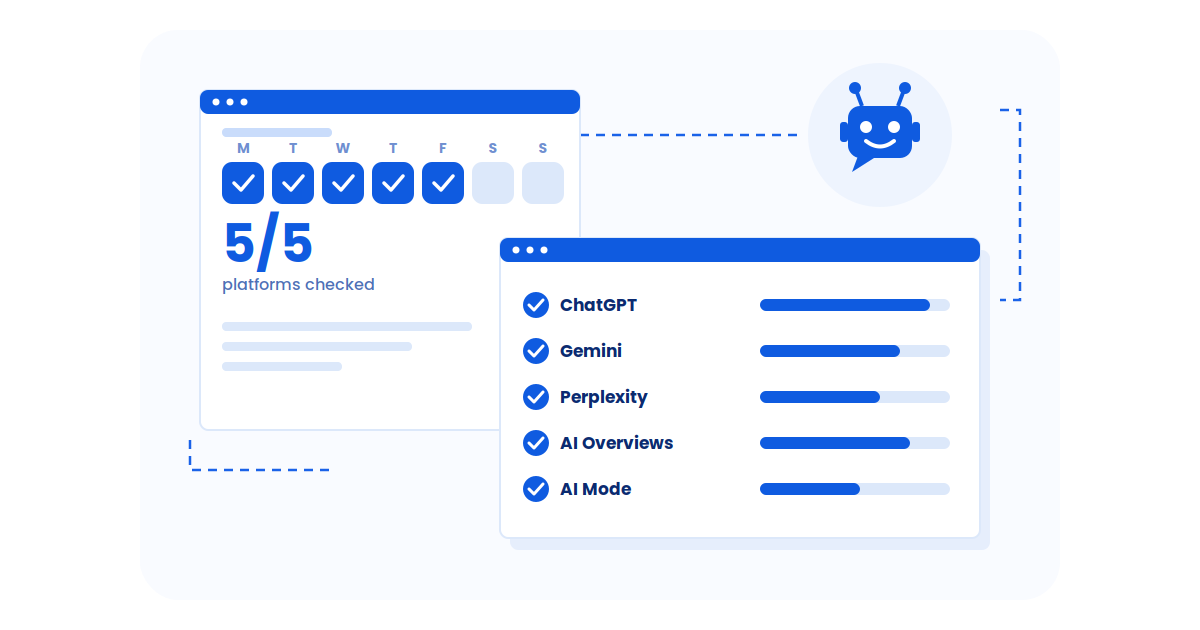
Develops software for tracking and controlling brand visibility across AI-powered search engines. Supports Generative Engine Optimization (GEO) and provides dashboards to monitor how content appears in AI-generated answers.
6. Infigrowth – AI Overview Tracker
Tracks your visibility in AI Overviews, keyword triggers, and overlaps with competitor content. Helps identify new content opportunities aligned with search intent.
7. SEOMonitor AIO Tracker
Delivers daily AI Overview insights, tracks keyword-based AI triggers, and identifies competitor mentions. API integration allows for seamless connection with internal analytics dashboards.
8. SEOClarity AI Overviews Tracker
Monitors AI Overview keywords, analyzes traffic fluctuations, and provides recommendations to improve inclusion chances and maintain visibility.
9. Serpstat AI Overview Tracking Feature
Detects queries containing AI Overviews via a robot icon in Site/Keyword Analysis. Allows filtering and analysis of keywords directly influenced by AI-generated summaries.
Pro Tip:
If your rankings remain stable but click-through rates drop, your snippet may have been replaced by an AI Overview. Track impressions, clicks, and keyword performance together to identify this pattern early.
Your digital reputation extends beyond your website. As Google’s AI Overviews reference more social, forum, and review content, every brand mention can impact authority and trust signals in search results.
Take a deliberate approach to managing your presence:
- Promote positive discussions and reviews about your brand on platforms like Reddit, Quora, and respected forums
- Encourage feedback through reputable product or service reviews and participation in community threads
- Engage with user questions on third-party platforms to promote accurate information
- Work with top YouTube creators and relevant bloggers to generate impartial, reference-worthy content
- Monitor all brand mentions using tracking tools to quickly address negative comments and highlight brand citations
Building a network of high-quality third-party mentions increases both traditional search credibility and the likelihood of being cited in AI Overviews, expanding your reach and trust with new audiences.
To enhance your chances of citation, build strong brand signals optimized alongside great content structure.
What Are the Benefits of AI Overviews Optimization?
Optimizing for AI Overviews—the AI-generated summaries that appear at the top of Google’s search results—offers major advantages for businesses and content creators looking to stay visible in an AI-driven search landscape. These benefits go beyond ranking and focus on authority, engagement, and future relevance.
1. Enhanced Brand Visibility and Recall
Getting featured in an AI Overview puts your brand at the forefront of user attention. When your content appears in these summaries, users associate your brand directly with trusted solutions—boosting awareness and recall from the very first interaction.
2. Increased Authority and Credibility
AI Overviews prioritize sources that demonstrate expertise, authoritativeness, and trustworthiness (E-E-A-T). Being featured signals that your content meets these quality benchmarks, helping establish your brand as a credible thought leader within your niche.
3. Attraction of High-Intent Traffic
Users who click through from AI Overviews are already informed and interested. Since their initial questions have been addressed within the summary, they are more likely to engage deeply with your content—leading to better conversion potential and stronger audience relationships.
4. Competitive Advantage
Appearing in AI Overviews gives your brand an edge over competitors by placing your content above traditional search results. This prime positioning helps you capture user attention before they even scroll to other listings, maximizing visibility and click-through opportunities.
5. Future-Proofing Your SEO Strategy
As AI continues to reshape how search engines rank and display information, optimizing for AI Overviews ensures your content remains aligned with these evolving systems. It’s a proactive step toward maintaining visibility and relevance in the future of search.
Legal Challenges Feature Enhancements User Engagement and Monetization Technical Challenges AI Overviews are reshaping search behavior by surfacing AI-generated insights before traditional results. For brands and publishers, this creates both opportunities—higher visibility if cited—and risks, including lost clicks if content is excluded. Optimizing for inclusion in AI Overviews is now a critical part of modern SEO.Recent Developments in Google’s AI Overviews
Why This Matters
Best Practices for Increasing Visibility in Google Gemini AI Overviews
To maximize your content’s chances of being featured in Google Gemini AI Overviews, focus on strategies that balance clarity, authority, and technical precision. These best practices ensure your pages are both user-friendly and AI-ready.
1- Craft High-Quality, Structured Content
Well-organized content makes it easier for Google’s AI to extract precise answers. Use clear H2 and H3 headings to segment information and begin sections with short summaries that directly address the query. Comprehensive coverage paired with scannable formatting improves both human readability and AI extractability.
2- Implement Structured Data Markup
Schema markup helps search engines understand context and relationships within your content. Prioritize key schema types such as FAQPage, Article, Product, and Review to increase the likelihood of being surfaced in AI Overviews.
3- Focus on Long-Tail and Conversational Queries
Gemini often responds to natural, question-based searches. Targeting long-tail keywords and conversational phrasing increases alignment with user intent and boosts your chance of selection for summaries.
4- Demonstrate E-E-A-T (Experience, Expertise, Authoritativeness, Trustworthiness)
Google applies stricter scrutiny to AI Overview sources. Strengthen credibility by showcasing expert authorship, citing reputable sources, and offering unique insights or original research. These signals increase trustworthiness and visibility.
5- Optimize for Readability and User Experience
Readable, accessible content benefits both users and AI systems. Use plain language, break down complex topics into short paragraphs, and rely on bullet points or visuals to improve comprehension.
6- Keep Content Updated and Relevant
Freshness is a critical signal for Gemini. Regularly refresh statistics, links, and examples to ensure accuracy and relevance. Updated content is more likely to be cited in fast-evolving niches like AI, finance, or healthcare.
7- Enhance Technical SEO
Strong technical foundations support AI visibility. Improve site speed, ensure mobile responsiveness, and fix broken links to maintain crawlability and user experience. A technically sound site sends stronger quality signals to Google’s AI systems.
In summary, improving visibility in Google Gemini AI Overviews requires a combination of content clarity, schema precision, trust-building signals, and technical health. By following these practices, your site is more likely to appear in AI-generated results and capture engagement in evolving SERPs.
What Are Common Challenges in AI Overviews Optimization?
Optimizing for AI Overviews comes with a new set of challenges that marketers, publishers, and SEO professionals must carefully navigate. As AI-generated summaries reshape how users interact with search results, adapting content strategies has become essential to maintaining visibility and performance.
1. Traffic Decline and Revenue Impact
The rollout of AI Overviews has caused noticeable drops in organic traffic for many websites, especially those relying on informational content. With AI providing direct answers on search pages, users often skip visiting source websites—reducing ad impressions, engagement, and overall revenue opportunities.
2. Loss of Content Control
When AI synthesizes and displays website information, creators lose control over how their content is presented. This can lead to:
- Contextual Misrepresentation: Key nuances or context may be lost in AI summaries.
- Brand Voice Dilution: AI often neutralizes tone, erasing unique brand personality.
- Outdated or Incomplete Information: AI may surface outdated or partial details from older versions of your content.
3. Measurement and Attribution Difficulties
Traditional SEO metrics don’t fully capture performance within AI Overviews. Common challenges include:
- Rank Tracking Limitations: Rankings no longer directly reflect visibility or clicks.
- Attribution Challenges: Measuring brand exposure within AI citations is complex without direct referral data.
- New Metrics Needed: Engagement, brand mentions, and citation visibility are becoming key performance indicators.
4. Over-Optimization Risks
Using aggressive SEO tactics, such as keyword stuffing or forced phrasing, can backfire. AI systems value natural, conversational content and may deprioritize content that feels overly optimized or manipulative.
5. Technical Implementation Errors
Even small technical errors can limit your content’s chances of appearing in AI Overviews. Issues include:
- Incorrect Schema Markup: Misapplied structured data confuses AI parsers.
- Poor Site Architecture: Disorganized navigation weakens discoverability.
- Slow Loading Times: Page speed remains a ranking and usability factor.
- Inconsistent Entity Naming: Variations in naming conventions reduce clarity for AI systems.
6. Content Quality Issues
AI Overview systems prioritize clarity, authority, and factual precision. Common pitfalls include:
- Thin or Generic Content: Shallow material fails to provide real value.
- Overreliance on AI Writing Tools: Human oversight is crucial to ensure accuracy and nuance.
- Factual Inconsistencies: Outdated or incorrect data damages credibility.
- Weak Brand Voice: Consistent tone reinforces recognition and authority.
7. Inconsistent Performance Across AI Platforms
AI models and search systems vary in how they interpret, cite, and display information. As a result, content might perform well on one platform but underperform on another due to differences in:
- Formatting Preferences
- Citation Standards
- Authority Weighting
- Update Frequency
FAQs
In short, these dashboards bridge the gap between classic SEO tracking (rankings, CTR, traffic) and AI-era visibility, giving a clearer picture of brand performance across both.
Final Thought
The future of SEO isn’t just about ranking higher—it’s about being the clearest, most extractable source on the page.
AI Overviews optimization is already changing how content is found, summarized, and trusted. If your content isn’t formatted to help AI help users, it’s likely to be overlooked.
But with the right structure, timely updates, and clarity-first writing, your pages can earn visibility where it matters most.
Stay concise, stay factual, and build for both humans and machines—because today, structure is the new SEO superpower.