Ever searched something on Google and got your answer without clicking a single link? That’s a zero-click search, where search engines serve up everything you need right on the results page, a simple zero-click search explanation.
In 2025, this behavior is more prevalent than ever. According to Limor Barenholtz, Director of SEO at Similarweb, nearly 80% of searches that trigger AI Overviews end without a click, reshaping how users interact with online content. (SimilarWeb, 2025)
This shift is driven by advancements like Project Astra, which redefine how Google generates and displays AI-driven responses.
As someone who lives and breathes SEO, I can tell you: this changes the game. If we don’t adapt our strategies, we risk losing visibility even if we’re ranking high. Let’s dive into what this shift means and how to stay ahead.
What Are Zero-Click Searches
Defining Zero-click searches are search queries where users get the answer directly on the search engine results page (SERP) without needing to click any link.
Think of definitions, weather updates, flight times, or even AI-generated summaries.
Google and other engines display the answer instantly, no extra browsing required. For SEO professionals, understanding zero-click search results is critical to adapting strategies in this landscape.

For SEO pros like me, this means that even if you rank #1, the user might never visit your site. Visibility now depends on more than just your position. It’s about presence in the SERP features themselves.
Why Are Zero-Click Searches on the Rise in 2025?
Zero-click searches on Google are becoming increasingly prevalent in 2025 and it’s one of the reasons marketers are replacing spreadsheets and SOPs with AI agents to respond faster to SERP changes.
Recent data from amra and elma indicates that over 58% of Google searches in the U.S. result in no click, highlighting a significant shift in user behavior.
This rise is largely driven by Google’s AI Overviews, which summarize information directly in the SERP, leaving users with no reason to click through to a website.
Explore Google I/O’s announcements that accelerated AI integration in search.

Zero-click searches on mobile devices and voice search also play a big role. People want quick, hands-free answers, and search engines are meeting that need right on the results page.
How Are User Search Behaviors Evolving Due to AI and Instant Answers?
Users today expect faster, more direct answers. Instead of browsing multiple sites, they want quick summaries, definitions, or recommendations, right on the search results page.
AI tools like Google’s AI Overview and ChatGPT are training users to rely on instant, conversational responses. These tools reduce friction and make search feel more like a chat than a task. ChatGPT visibility in SERPs is shaping how users interact with content.

Mobile-first behavior and zero-click searches for voice assistants amplify this shift. People are asking casual, question-based queries on the go and expecting precise, immediate answers with zero effort.
Websites already losing clicks to zero-click searches and featured snippets face a new challenge:e: ChatGPT-driven interactions are reducing dependency on Google search traffic.
Which SERP Features Are Responsible for Most Zero-Click Searches?
Not all zero-click searches are created equal. From an SEO standpoint, some SERP features play a much bigger role than others—these elements are designed to deliver quick answers, reducing the need for users to visit websites.
Here’s a breakdown of the key features driving this trend in 2025:
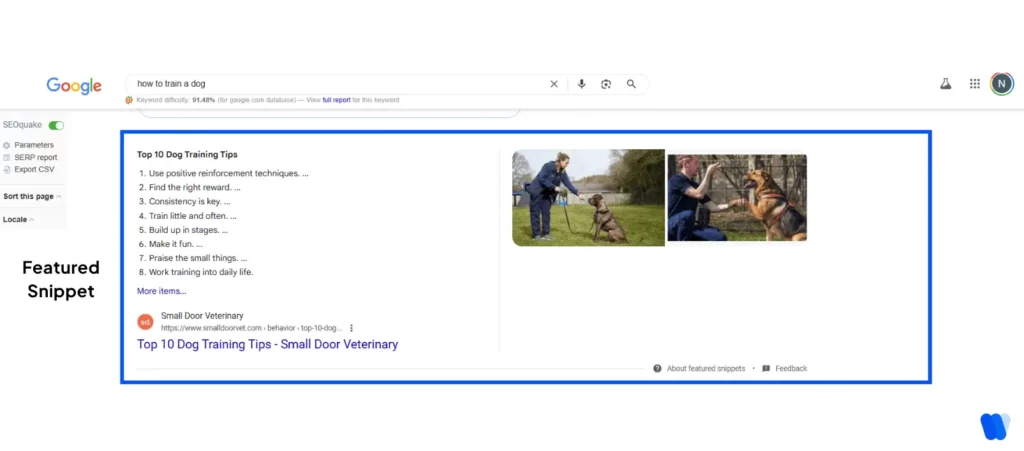
Featured Snippets
These are boxed answers pulled directly from top-ranking pages and displayed above all results. They’re designed to answer a query in a sentence or two, often eliminating the need for a click.
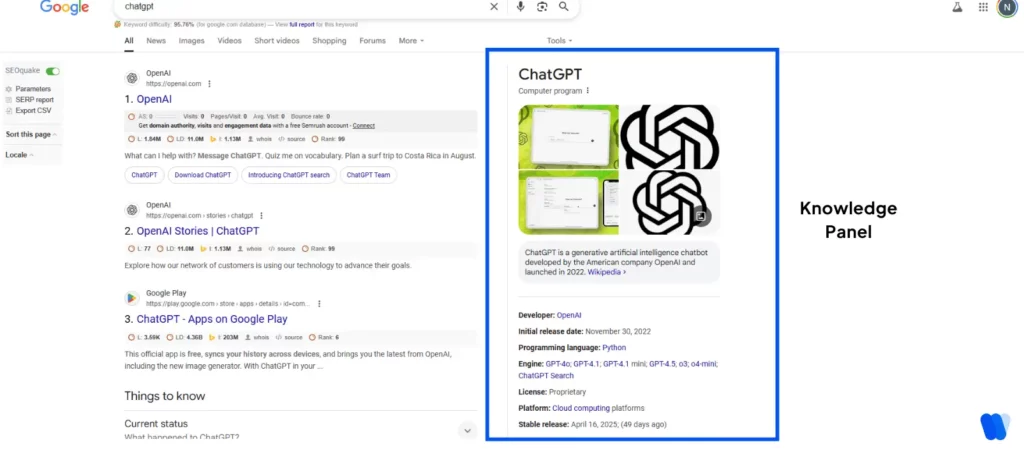
Knowledge Panels
Usually shown on the right-hand side, these panels provide factual information about people, places, brands, or concepts—pulled from trusted sources like Wikipedia or Google’s Knowledge Graph.
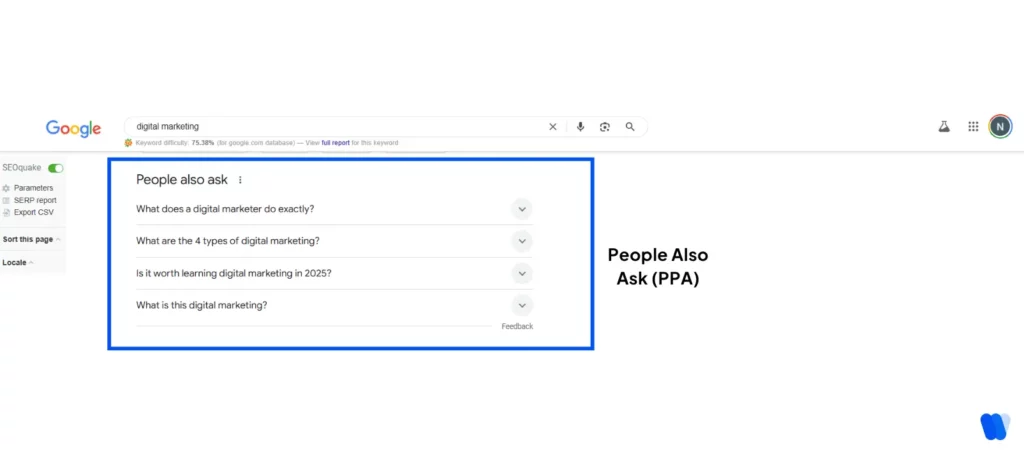
People Also Ask (PAA)
PAA boxes include expandable dropdown questions related to the initial query. Each answer is visible directly within the box, letting users explore without clicking through.
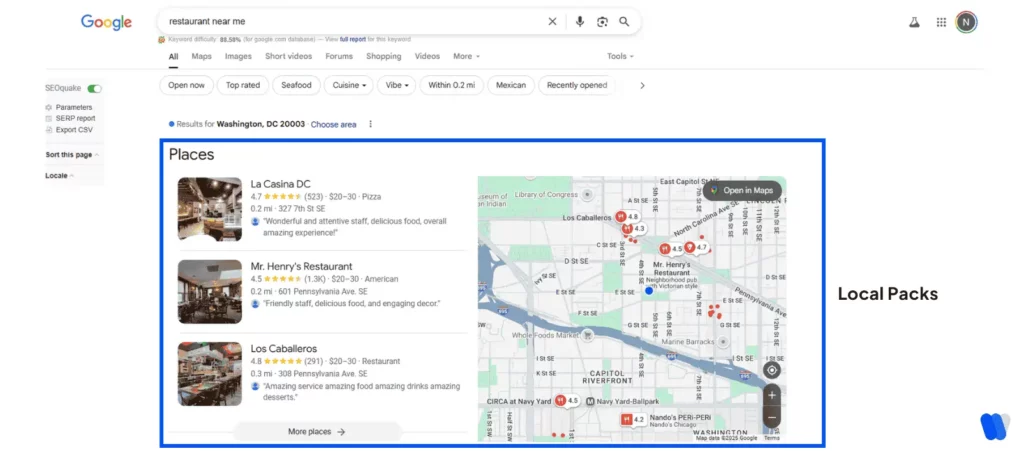
Local Packs
These appear for location-based searches and show a map with business listings, reviews, hours, and contact details. Most queries can be resolved without visiting a site,showing the clear zero-click search impact on local SEO.
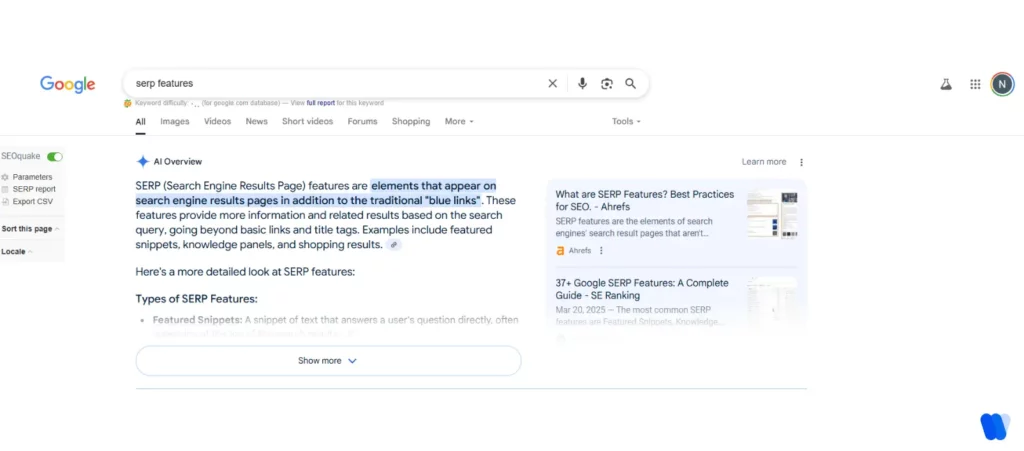
AI Overviews and Answer Boxes
Introduced more widely in 2024, AI Overviews summarize information from multiple sources to generate a comprehensive, clickable-free response at the top of the page.
As these AI-driven summaries become the default experience for complex queries, traditional SEO tactics must evolve. Explore how AI-powered search is redefining visibility and disrupting ranking strategies in the new SERP landscape.
How Are Zero-Click Searches Impacting SEO Metrics and Visibility?
Zero-click searches are causing a noticeable drop in click-through rates (CTR), even for top-ranking pages. Users often find what they need directly on the SERP, which challenges traditional search engine ranking factors and forces SEO professionals to rethink what truly drives visibility.
Because of this, impressions and overall SERP presence are becoming more valuable. Getting seen—whether through a snippet, panel, or AI summary—is now just as important as getting clicked, especially for Content Marketing Agencies responsible for maintaining brand visibility in zero-click and AI-driven SERPs.
Traditional engagement SEO metrics like bounce rate or time on site are less relevant in this landscape. In 2025, SEO success is increasingly measured by visibility within search features not just traffic volume.
This shift also highlights the importance of AI discoverability. Structured formats such as LLM.txt files provide language models like ChatGPT and Claude with an efficient way to access your content for inclusion in AI-driven results.
But as more brands automate content, a pressing question remains—can AI-generated content actually hurt your rankings? Learn what the data says and how to avoid common pitfalls.
How to optimize for zero click searches?
Zero-click doesn’t mean zero opportunity. In fact, appearing in SERP features can boost your brand’s visibility and authority even without a click. For a complete roadmap, including technical and on‑page strategies—check out our SEO hub page.
Here’s how you can optimize your content to show up in zero-click results:
- Target question-based keywords
Use long-tail, low competition keywords and conversational queries that trigger featured snippets and People Also Ask boxes. - Use structured data (schema markup)
Help search engines understand your content better to qualify for rich results like reviews, FAQs, and local business info. - Provide concise answers upfront
Summarize key points in the first few sentences of your content—ideal for snippet extraction. - Format content for skimmability
Use bullet points, numbered lists, and subheadings to match SERP formats and improve readability. - Create and update your Google Business Profile
For local visibility in zero-click Local Packs, ensure your profile is accurate, active, and optimized. - Optimize for featured snippets and PAA
Structure content using H2/H3 headers with clear answers under each—mimicking the Q&A format Google prefers. - Build topical authority
Cover related questions and subtopics to increase the chances of being pulled into AI overviews or snippet results. Use a structured LLM content creation strategy to cover questions and improve topical depth.
What Is Answer Engine Optimization (AEO) and Why Does It Matter in 2025?
Answer Engine Optimization (AEO) is the practice of structuring content specifically to be picked up and answered by AI-driven tools like Google’s AI Overview, ChatGPT, and voice assistants. Unlike traditional SEO, which focuses on ranking and driving clicks, AEO aims to directly satisfy the user’s query on the SERP itself.
To optimize for AI-generated answers, start by writing clear, concise, and direct responses to common questions. Use proper formatting—like bullet points, tables, and Q&A sections and include schema markup where possible.
Authoritative, semantically rich content is crucial. Beyond content depth, it’s also important to evaluate how visible your brand is in these AI-driven SERP features. Your Share of Search helps quantify that visibility—even when clicks don’t tell the full story.
In 2025, AI systems prefer sources that demonstrate expertise and cover topics comprehensively. The more context and depth your content provides, the more likely it is to be surfaced as a trusted answer.
Explore how Generative Engine Optimization (GEO) complements AEO by targeting visibility in AI-powered search.
How Can You Prepare for the Future of Zero-Click and AI-Driven Search?
To stay ahead in a zero-click world, shift your mindset from chasing clicks to earning visibility. Focus on appearing where your audience looks even if they don’t land on your site.
Embrace structured content that AI can easily interpret and summarize. Use schema markup, question-based headings, and concise answers to boost your chances of being featured. These strategies also enhance your SERP visibility for zero-click features.
Diversify your traffic sources. Relying solely on organic clicks is risky. Combine SEO with email marketing, social media, and owned channels to keep engagement strong, even when search habits evolve.
FAQs
Conclusion: Is SEO Dead, or Just Evolving?
Zero-click searches are changing how people find and interact with information. User behavior is shifting toward instant answers, powered by AI tools and new SERP features.
That doesn’t mean SEO is dead—it means it’s evolving. To stay relevant, we need to focus on Answer Engine Optimization (AEO), structured content, and greater SERP visibility.
The rise of zero-click isn’t the end, it’s a wake-up call. If we adapt, optimize smartly, and create content that answers real questions, SEO will remain more powerful than ever.