SEO in 2025 isn’t about chasing the biggest keywords; it’s about being strategic. Effective keyword research today is less about raw search volume and more about smart strategy.
High-volume terms are overcrowded, costly, and can take months to rank. Relying on that approach often wastes both time and money.
The smarter play? Low competition keywords. They rank faster, cost less, and attract visitors through an AI SEO agent SERP visibility that targets snippets, PAA, and AI summaries where intent is strongest.
Research shows low competition long-tail keywords account for 70% of all search traffic (JEMSU, 2025), making them one of the best ways to grow your SEO results today.
This guide will show you how to find those hidden keyword opportunities and turn them into traffic, leads, and results.
Leveraging an AI search visibility platform for startups can further enhance this process by revealing untapped keyword clusters and improving ranking potential through data-driven insights.
What Are Low Competition Keywords?
Low-competition keywords are search terms with fewer websites competing for top rankings in search results. They usually have lower search volumes but are easier to rank for, making them especially valuable for websites aiming to attract targeted traffic without battling high competition.
In SEO tools, Low Competition Keywords for SEO typically have a Keyword Difficulty (KD) score below 20 and moderate search volume (e.g., 100–1,000 monthly searches).
These keywords often appear as long-tail phrases—specific searches of three or more words, such as ‘best running shoes for flat feet.’ Long-tail keywords usually face less competition, capture niche audiences, and deliver higher conversions because they align more closely with user intent.
Structuring content properly with strong on-page SEO ensures these keywords are placed effectively in titles, headers, and internal links to maximize ranking potential.
What Are Long-Tail Keywords and Why Are They Low-Competition?
Long-tail keywords are highly specific, multi-word search phrases that target niche demographics or precise user intent. Unlike short-tail keywords (broad, single terms like “shoes” or “marketing”), long-tail keywords are more descriptive and typically contain three or more words.
For example, instead of aiming for the broad keyword “shoes”, a more effective long-tail keyword would be “affordable ergonomic office chair for back pain.”
These keywords are considered low-competition because they cater to narrower audiences. Since fewer websites focus on these specific phrases, there is less direct competition in search results.
This makes it significantly easier to achieve higher rankings in search engine results pages (SERPs), especially for new or smaller websites that don’t yet have high domain authority.
Early traction is valuable, but it does not show whether smaller domains can maintain visibility as AI engines repeatedly choose which sources to cite. That is why understanding how domain authority matters for AI citations is critical before assuming early wins will translate into lasting AI visibility.
Why Long-Tail Keywords Are Low-Competition:
Example Comparison:
| Keyword Type | Example | Competition Level | Conversion Potential |
|---|---|---|---|
| Short-Tail Keyword | “Shoes” | Very High | Low – broad, unfocused audience |
| Mid-Tail Keyword | “Running shoes” | Moderate to High | Medium – some intent but still broad |
| Long-Tail Keyword | “Best running shoes for flat feet under $100” | Low | High – clear purchase intent |
In summary, long-tail keywords are valuable because they combine lower competition with higher conversion intent. They allow businesses to reach highly relevant audiences faster, secure rankings with less effort, and generate better ROI compared to chasing crowded, high-volume terms.
Why Are Low-Competition Keywords Important for SEO?
Low-competition keywords are search terms with fewer websites targeting them, making it easier to secure higher rankings in search engine results pages (SERPs). They are especially valuable for startups, freelancers, and small businesses that need faster visibility without investing in heavy SEO campaigns.
Competing for high-volume keywords can take 12–18 months and require thousands of backlinks, which is often unrealistic for newer websites.
Running a structured technical SEO audit helps identify crawl, indexing, and site performance issues that may block even low-competition keywords from ranking. This is why marketers often ask:
Why use low-competition keywords? The answer is simple — they rank faster, cost less, and convert better. Below are the main reasons they are crucial for SEO:
- Easier Ranking: With less competition, it’s much easier to achieve top positions in SERPs. For example, instead of targeting “digital marketing,” aiming for “digital marketing strategy for startups” helps websites secure visibility faster.
- Cost-Effective Strategy: These keywords reduce reliance on expensive ad campaigns or massive link-building, allowing smaller teams to grow organically with minimal spend.
- Higher Conversion Rates: Because low-competition keywords often reflect very specific intent, they tend to convert better. For instance, “best organic coffee beans for cold brew” attracts buyers closer to purchase compared to just “coffee.”
- Building Authority: Ranking consistently for less competitive terms builds your domain’s credibility, making it easier to target more competitive terms later.
- Content Diversification: These keywords open up opportunities to create content on niche topics, allowing you to engage different audience segments while broadening your topical authority.
The benefits of using low-competition keywords are clear: faster rankings, lower costs, and higher conversion rates. They attract more targeted traffic, helping you scale without exhausting resources.
According to Conductor, long-tail keywords convert 2.5 times better than head terms.
Another industry report highlights that content targeting low-competition keywords can reach higher positions in 3–6 months, significantly faster than pages optimized for competitive keywords. (Serpple, 2025)
What Are The Types of Low-Competition Keywords?
Low-competition keywords are search terms that have relatively few websites targeting them, which makes it easier to achieve higher rankings in search engine results. These keywords are particularly useful for newer or smaller websites that want to gain visibility more quickly without competing against large, established domains.
Long-tail keywords are specific phrases that usually contain three or more words. They may have lower search volumes, but they attract highly targeted traffic and often deliver higher conversion rates. For example, instead of targeting the broad keyword “shoes,” a more effective long-tail keyword would be “best running shoes for flat feet.” Geo-specific keywords include location modifiers to narrow down search results to a specific area. They help reduce competition and target users with local intent. For instance, “best coffee shops in Denver downtown” is more precise and less competitive than the general keyword “best coffee shops.” Niche-specific keywords focus on smaller segments within a broader market. By addressing unique needs within a niche, businesses can capture a highly relevant audience with less competition. For example, instead of targeting “fitness routines,” a keyword like “HIIT workouts for postpartum moms” appeals to a specific audience segment. Question-based keywords are search queries that users type in the form of a question. These keywords align with informational intent and are often less competitive. An example would be “How do I start a podcast on Spotify?” which allows content to position itself as a trusted and helpful resource for users. Ultra-specific keywords are highly detailed search terms that address very narrow user needs. While they usually have low search volumes, they are far less competitive and often attract users with strong intent. For example, “grade 316 stainless steel supplier” is much more targeted and easier to rank for than the broad term “stainless steel supplier.”1. Long-Tail Keywords
2. Geo-Specific Keywords
3. Niche-Specific Keywords
4. Question-Based Keywords
5. Ultra-Specific Keywords
By strategically targeting these types of low-competition keywords, you can improve your website’s visibility, attract a more relevant audience, and increase your chances of higher engagement and conversions without relying on overly competitive search terms.
What Are the Benefits of Targeting Low-Competition Keywords?
Targeting low-competition keywords gives websites a strategic advantage in SEO by making it easier to rank, reducing costs, and attracting users with clear intent. Here’s why they matter:
1. Easier Ranking
With fewer sites competing for these terms, securing a top spot in search results is more realistic. This is especially useful for new or small websites that lack the domain authority to compete with larger players.
Example: Instead of trying to rank for “digital marketing,” aiming for “digital marketing strategy for startups” offers a quicker path to visibility.
2. Cost-Effective Strategy
Low-competition keywords require fewer resources compared to high-volume terms. They can reduce dependency on paid ads and heavy link-building campaigns, allowing businesses to grow their organic presence at a lower cost.
Example: Ranking for “best CRM tools for freelancers” may require fewer backlinks and ad spend than trying to rank for “best CRM tools.”
3. Higher Conversion Rates
Because these keywords often align with very specific search intent, they attract visitors who are closer to making a decision. This leads to better engagement and higher conversion potential compared to broader, more competitive terms.
Example: A search for “buy noise-cancelling headphones under $200” signals stronger purchase intent than a generic search like “headphones.”
4. Building Authority
Successfully ranking for easier keywords helps establish credibility and domain authority. Over time, this authority makes it simpler to compete for higher-difficulty, high-traffic keywords.
Example: A new fitness blog could start by ranking for “10-minute morning yoga for beginners” and later target broader terms like “yoga workouts.”
5. Content Diversification
Targeting niche and long-tail phrases naturally broadens your content strategy. This allows you to cover a wider range of topics, appeal to different audience segments, and strengthen your brand presence within your industry.
Example: A travel website might expand from general “best places to visit in Europe” to niche queries like “hidden beaches in Portugal for couples.”
By focusing on low-competition keywords, businesses can achieve quicker results, attract targeted traffic, and lay the groundwork for long-term SEO success.
Identifying low-competition keywords is one of the best ways to improve visibility and attract targeted traffic. These tools make it easier by showing search volume, difficulty, and related terms: Combining these tools with Google’s built-in features like Autocomplete and People Also Ask gives you a solid strategy for ranking faster and being visible across both search engines and AI summaries.What Tools Can Help Identify Low-Competition Keywords?
How to Find Low-Competition Keywords?
Finding low-competition keywords is one of the smartest ways to improve your website’s visibility and bring in targeted traffic. These terms are easier to rank for and often lead to higher conversions. Here’s a step-by-step approach to uncovering them:
How to Find Low-Competition Keywords?
Utilize Keyword Research Tools
Keyword research platforms like Semrush, Ahrefs, and KIVA by Wellows can uncover low-competition keywords.
- KIVA: Surfaces hidden “easy-to-win” terms by blending search data, People Also Ask queries, and social discussions
- Semrush: Use Organic Research to see competitor domains and filter for low KD scores.
- Ahrefs: Input broad topics in Keywords Explorer and filter by low KD.
Explore Long-Tail Keywords
Long-tail keywords are specific phrases, usually 3+ words, that target niche audiences.
Example: Instead of “protein powder,” target “best vegan protein powder for weight loss.”
Analyze Competitor Keywords
Study what competitors rank for to find opportunities you’re missing.
Example: If a competitor ranks for “project management software for startups” and you don’t, that’s a clear content gap. Tools like Semrush’s Keyword Gap or KIVA’s competitor insights make this easy.
Leverage Google Autocomplete and Related Searches
Use Google’s built-in suggestions for ideas.
- Autocomplete: Typing “digital marketing” may show “digital marketing strategy for small businesses.”
- Related Searches: Found at the bottom of SERPs, they reveal more low-competition opportunities.
Utilize Free Tools
Free options like Google Keyword Planner, Answer Socrates, and KIVA Free Features (PAA Explorer, Social Discussion Detector) provide insights into trending, easy-to-target queries without paid subscriptions.
Analyze Search Intent
Focus on informational and commercial investigation keywords—they’re often less competitive.
Example: “How to bake a cake” (informational) or “best running shoes for flat feet” (commercial) are easier to rank than transactional “buy running shoes online.”
Monitor Forums and Social Media
Reddit, Quora, and niche forums reveal real audience questions in natural phrasing.
Example: A Quora thread asking “What’s the best laptop for college students under $500?” can inspire low-competition content.
By strategically focusing on low-competition keywords, businesses can achieve faster rankings, reduced costs, and higher conversions, delivering measurable SEO ROI.
How to Use Google Autocomplete to Find Low-Competition Keywords?
Google Autocomplete is a free and powerful tool that reveals real user queries as you type in the search bar. These suggestions often include long-tail phrases with lower competition, making them excellent for SEO targeting. Here’s how to make the most of it:
1. Steps to Use Google Autocomplete
- Start with a Seed Keyword: Enter a broad keyword related to your niche into Google’s search bar. As you type, you’ll see dropdown suggestions based on real user queries. These are often long-tail keywords with lower competition. For example, typing “pepper recipes” might show suggestions like “pepper recipes for dinner” or “pepper recipes vegetarian.”
- Add Modifiers & Wildcards: Strengthen your keyword discovery by adding words such as “best,” “how to,” or by using the asterisk (*) as a wildcard. This helps uncover variations people actually search. Example: typing “best * for beginners” might bring up “best cameras for beginners” or “best workouts for beginners.”
- Explore Alphabet Variations: Type your seed keyword followed by a space and a letter (e.g., “pepper recipes a”). Google will generate suggestions starting with that letter. Repeat with multiple letters (b, c, d…) to expand your keyword list and find hidden opportunities.
- Check People Also Ask & Related Searches: On the search results page, the People Also Ask section shows common questions users type, while Related Searches at the bottom suggest additional queries. Both features highlight intent-driven keywords with lower competition you can target in your content.
- Analyze Competitor Keywords: Review the autocomplete-based keywords your competitors are already ranking for by looking at their content and meta tags. This can reveal gaps where you can position your site with low-competition phrases they’ve overlooked.
By systematically applying these techniques, you can uncover low-competition keywords that align with user intent, helping your content rank faster and attract a more targeted audience.
How to Use Forums and Q&A Sites to Find Low-Competition Keywords?
Communities like Reddit, Quora, and niche forums surface real questions in natural language—perfect for discovering intent-rich, low-competition keywords. Use the workflow below to turn community chatter into rankable topics.
- Find the right communities: Look for subreddits, Quora spaces, and niche forums where your audience gathers (e.g., r/DIY, r/SaaS, or photography boards). The closer the fit, the better the keyword signals.
- Collect real phrasing from threads: Pay attention to recurring questions and pain points. Copy the exact wording users use—these long-tail phrases often have lower competition.
Example: From a budgeting subreddit: “best zero-based budgeting app for freelancers.” - Validate interest in Google: Paste these phrases into Google. If most results are forum/Q&A threads rather than authoritative blogs, it’s a sign of a content gap you can fill.
- Check quick metrics: Use tools like Keyword Surfer or Keywords Everywhere to check search volume and competition directly in your browser.
- Create the “best answer on the web”: Build a detailed guide that outperforms scattered forum replies with structured, in-depth content.
Pro tip: Maintain a running spreadsheet of community-sourced phrases and map each to intent (informational, commercial). This keeps your keyword pipeline fresh and strategic.
How to Evaluate the Competition Level of a Keyword?
Evaluating the competition level of a keyword is a critical step in building a winning SEO strategy. It helps you identify whether a keyword is realistic to target and what resources are required to achieve visibility. Here’s a step-by-step process to assess keyword competitiveness effectively:
By combining keyword difficulty scores, SERP analysis, competitor research, and trend monitoring, you can make smarter decisions about which keywords to target. This ensures your SEO efforts are both achievable and impactful.
The Keyword Golden Ratio (KGR) is a data-driven method developed by Doug Cunnington to identify long-tail keywords that are underserved online and therefore easier to rank for. This approach helps websites—especially newer ones—gain visibility faster in search engine results. KGR Formula: KGR = (Number of Google “allintitle:” results) ÷ (Monthly search volume) By targeting keywords with a KGR of 0.25 or lower, businesses and content creators can achieve quicker rankings, gain traction in competitive niches, and build SEO momentum effectively.What is the Keyword Golden Ratio (KGR) Method?
How to Apply the KGR Method
Why Traditional Keyword Research Fails in 2025

Old keyword strategies focused on high-volume terms, but that approach no longer works, and it’s one of the main reasons marketers are replacing spreadsheets and SOPs with AI agents to stay ahead in today’s fast-moving SEO landscape.
Here’s why:
- Overcrowded SERPs: Big brands dominate competitive keywords, making it harder and more expensive to rank.
- Intent Over Volume: Search engines now prioritize intent and relevance over keyword stuffing.
- Zero-Click Searches: AI overviews and featured snippets often satisfy user queries without requiring a click.
- Missed ROI: Long-tail keywords generate more targeted traffic and typically deliver higher conversion rates than broad terms.
Bottom line: In 2025, ranking depends on intent-driven, low-competition keywords, not just big numbers. Instead of chasing broad terms, smart SEOs focus on keywords with low competition, especially for niche markets, e-commerce, and local SEO.
One effective tactic is to incorporate geographic modifiers. For example, instead of ‘best sushi restaurant,’ optimize for ‘best sushi restaurant in Seattle.’ This makes it easier to rank and captures highly engaged local traffic.
How Do KIVA Identify Keywords That Are Both Low Competition and Valuable?
Many businesses struggle with how to find low competition keywords. The key lies in data-driven methods, not guesswork. Finding keywords that are easy to rank but still drive traffic requires more than guessing. You need a data-driven process that measures both competition and business value.
To streamline the process, employ keyword research tools that surface terms with both good traffic and low competition.
How KIVA Find Low-Competition, High-Value Keywords
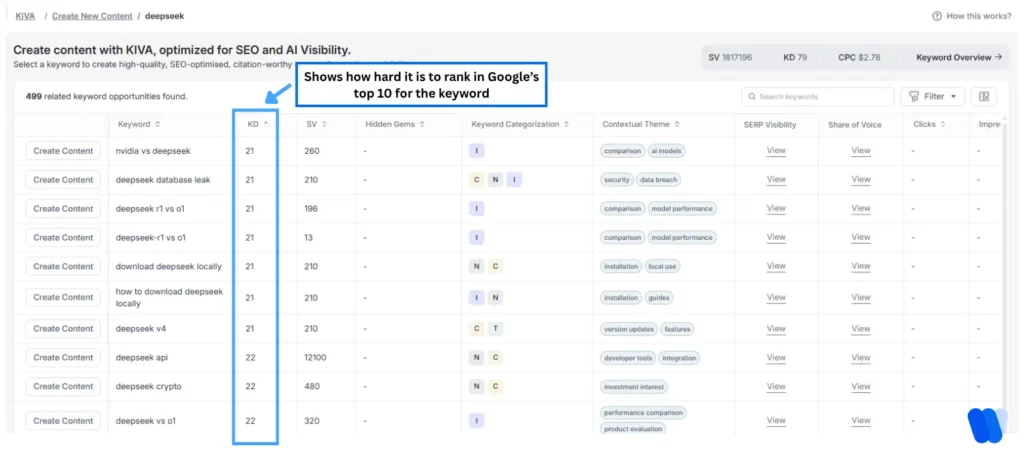
1. Start with Keyword Difficulty (KD)
Look for keywords with a Keyword Difficulty score under 20. These are considered low competition and usually need fewer backlinks and less authority to rank. KD helps answer how keyword competition is determined. A lower score means fewer backlinks are needed.
KIVA’s Smart Solution
KIVA AI SEO Agent automatically calculates real-time KD scores from SERPs and flags keywords under your set threshold, saving hours of manual filtering.
2. Check Search Intent
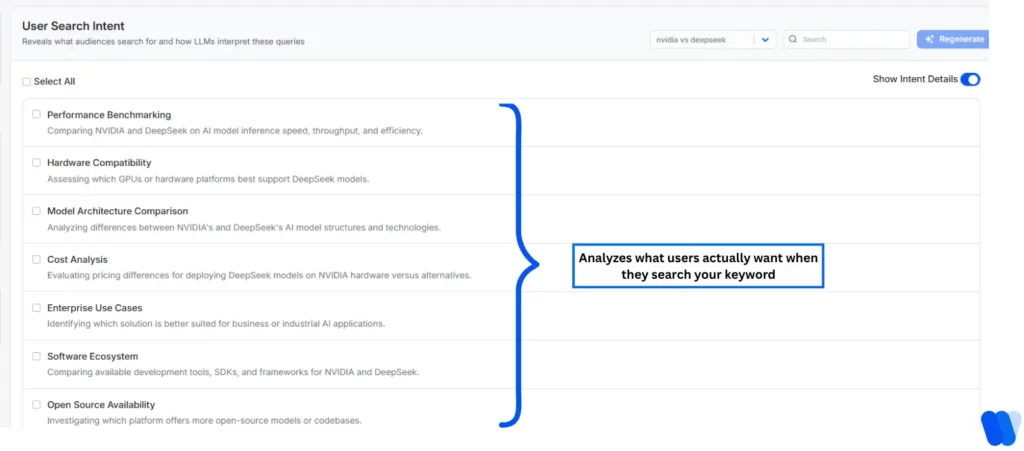
Ranking doesn’t matter if the keyword doesn’t match what users want. Analyze whether the term is informational (looking for knowledge), navigational (looking for a specific brand/site), commercial (researching before purchase), or transactional (ready to buy). Align your content type (blogs, product pages, comparisons) with the user’s intent to maximize ranking and conversions.
KIVA’s Smart Solution
KIVA uses AI-driven intent detection to label each keyword, so you can align content types (blogs, product pages, comparisons) with what your audience expects.
The platform you choose decides whether intent stays a tag on a keyword or becomes a strategy you can act on, which is exactly where a focused Wellows vs Promptwatch comparison clarifies the gap between true intent intelligence and surface-level prompt logging
Google itself can be a keyword research tool:
Autocomplete: Start typing a seed keyword in Google and review the suggestions. These reflect real searches and often reveal long-tail opportunities.
Related Searches: At the bottom of Google’s results page, you’ll see related queries. These can inspire additional keyword ideas.
These quick checks are a free way to confirm what people are actively searching for.
3. Validate Business Value
These are the Key Metrics to evaluate ROI before targeting a keyword:
- Search Volume: 100–1,000 monthly searches
- Keyword Difficulty (KD): Easy to Moderate
- CPC: $10+ (High commercial value)
- Trend: Stable or Growing
- Impressions & Position: Analyze current visibility gap
- Hidden Gems: Keywords with untapped potential
Evaluating CPC and trend stability is also critical for finding the best keywords for your niche.
KIVA’s Smart Solution
KIVA doesn’t just give you raw numbers; it prioritizes ROI using its Value Scoring System:
- Combines Search Volume + CPC + Intent
- Highlights untapped opportunities “Hidden Gems”
- Flags trends so you act before the competition
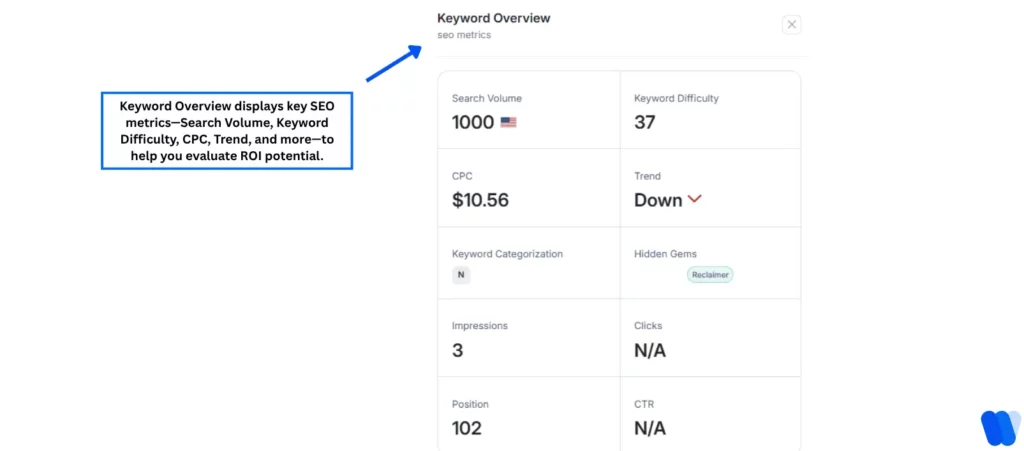
This means you focus on keywords that actually grow revenue, not vanity metrics.
Pro Tip: One of the best strategies for targeting low competition keywords is to use automation. KIVA saves up to 40% research time compared to manual methods, helping AI SEO agents for startups and SMEs move faster with less effort.
Use Free SEO Tools:
Free SEO tools can help you uncover quick wins without extra costs:
- Google Search Console: Shows the keywords your site already ranks for, even if they’re on page 2 or 3. These “almost there” keywords are easy opportunities.
- Google Trends: Helps you spot rising topics and seasonal terms before they get too competitive.
Tip: Combine free tools with AI-driven platforms like KIVA to validate keyword difficulty and ROI.
What are the Advanced Tips for Keyword Research in 2025
Modern SEO keyword strategies go beyond volume; they prioritize effective SEO strategies for competitive markets. Search engines now prioritize intent, topical authority, and context over just keyword matching. To stay ahead, you need more than basic research.
To stay ahead, you need more than basic research. Start with a structured approach in our SEO hub.
Advanced Tips for Keyword Research in 2025
Here are advanced strategies that work in 2025:
1. Build Keyword Clusters for Topical Authority
Group similar keywords and variations together to avoid creating multiple posts that compete against each other.
Then, prioritize the clusters that balance low competition, decent search demand, and strong user intent. This ensures your content ranks across multiple variations without cannibalizing your own traffic.
This helps your site rank for multiple variations and signals authority to Google.
This is especially valuable for low competition keywords for affiliate marketing, where topical depth signals authority.
KIVA Advantage:
KIVA automatically groups keywords by topic and intent, saving hours of manual clustering and ensuring your content covers all semantic variations.
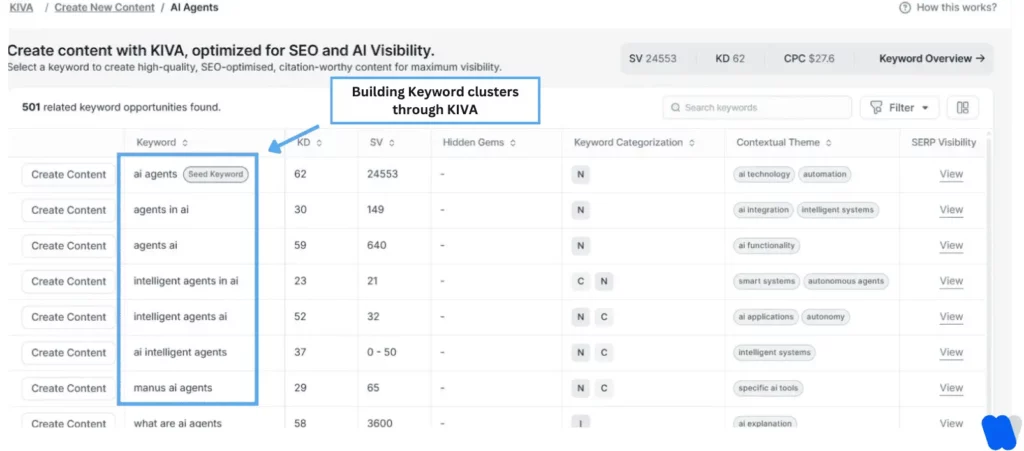
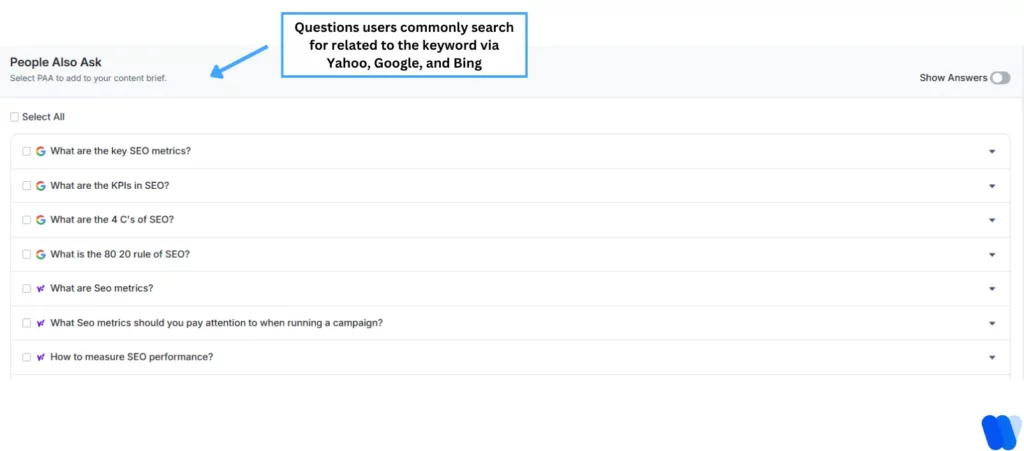
2. Target People Also Ask and Zero-Click Opportunities
AI-driven SERPs, featured snippets, and People Also Ask boxes dominate clicks. Include these questions in your content to win visibility even when users don’t click.
One common query users have is: How do low competition keywords affect SEO? The answer is that they make it easier to achieve higher rankings faster, improve visibility in featured snippets, and increase conversion potential by aligning content with specific user intent.
KIVA Advantage:
KIVA identifies related questions and PAA opportunities from SERPs so you can include them in your content plan.
3. Build Context with Semantic Optimization
Modern search engines and AI-driven features prioritize topic depth and contextual relevance, not just keywords. Adding semantically related terms and entities helps your content become a trusted source for broader search intent.
Semantic depth helps with both search engine optimization and how to improve search engine rankings long-term.
KIVA Advantage:
KIVA’s LSI Intelligence feature identifies contextually related keywords, entities, and questions for your topic.
- Suggests semantic terms to expand coverage naturally
- Builds keyword clusters for better internal linking
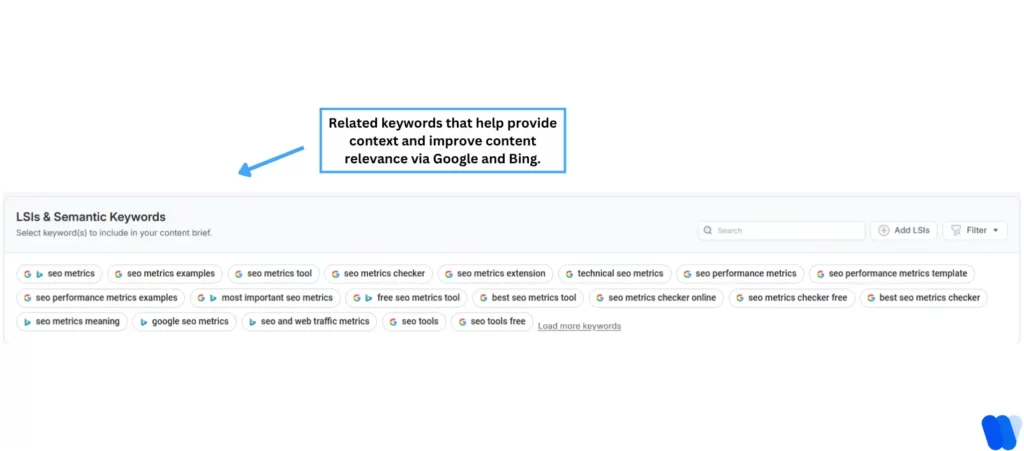
This ensures your content answers user intent fully, making it AI-Overview and SERP-ready.
Try KIVA to find hidden keyword opportunities and start driving results today.
Bonus Strategies for Agencies, Startups, Freelancers & Consultants
Finding low-competition keywords is only the first step. To maximize results, apply these strategies tailored to your business model:
Agencies: Build Reusable Keyword Libraries
Managing multiple clients means efficiency is key. Use KIVA’s keyword clustering to create niche-specific keyword libraries. This allows agencies to:
- Quickly identify relevant terms for new projects
- Scale content planning without starting from scratch
- Ensure consistent ROI-focused keyword targeting across accounts
Reusable libraries work well when clients want to target low competition keywords for niche markets, helping campaigns connect with very specific audiences that big competitors often ignore.
By using an AI search visibility platform for agencies like Wellows, they can also boost visibility in LLM-based search environments, making content discoverable in emerging AI-driven experiences.
Startups: Perform Competitor Keyword Gap Analysis
Startups often compete against established brands with bigger budgets. Start by identifying your primary competitors in search.
Use tools like SEMrush or Ahrefs to see which keywords they rank for. Then, look for high-traffic terms with low competition that they cover only weakly or not at all.
These keyword gaps are your fastest opportunities for growth. This competitor-driven strategy helps you rank faster where others haven’t optimized fully
- Identify keywords your competitors ignore
- Target long-tail variations with lower KD and higher intent
- Build an SEO roadmap that reduces dependency on paid ads
This is crucial when evaluating if low competition keywords are less effective or is low competition better for new websites? The answer depends on intent and industry.
This tactic is effective for FinTech Startups, where targeting gaps in long-tail banking, budgeting, and lending queries often leads to visibility in AI results, without the spend of a major institution.
Freelancers: Showcase Quick Wins to Clients
Freelancers often need to prove their value fast to secure repeat work. Low-competition keywords let you:
- Rank client content faster with fewer resources
- Demonstrate measurable results within weeks, not months
- Build credibility by showing ROI from smaller projects
By integrating insights from an AI Search Visibility Platform for Freelancers, they can enhance this process even further identifying high-impact keywords and optimizing for faster visibility gains.
Using KIVA’s Hidden Gems feature, freelancers can position themselves as experts who uncover opportunities agencies and bigger teams might overlook.
Consultants: Build Strategic Frameworks for Clients
Consultants may not always do hands-on SEO, but they need to design strategies that clients can execute. Low-competition keyword strategies help consultants:
- Educate clients on the difference between low and high competition keywords
- Provide clear roadmaps for targeting keywords with low competition
- Recommend tools for identifying low competition keywords to speed up implementation
- Guide clients in balancing quick wins with long-term authority building
By focusing on strategy, consultants ensure their clients see both immediate and sustainable SEO growth.
With an AI search visibility platform for consultants, they can help clients gain visibility not only in search results but also across LLM-driven experiences, ensuring their strategies remain effective in the age of generative AI.
Common Mistakes to Avoid When Targeting Low-Competition Keywords
Mistakes to Avoid
Targeting low-competition keywords works best when you avoid these common errors:
1. Chasing High Volume Without Intent
High search volume can be tempting, but it often means intense competition and irrelevant traffic. Focus on search intent instead. A keyword with 500 monthly searches and strong purchase intent will deliver more conversions than one with 10,000 searches and low intent.
2. Ignoring Keyword Refresh Every 3 Months
Search trends shift quickly, so monitoring emerging terms is critical. Tools like Google Trends can reveal rising topics before they become saturated, giving you a head start. Updating your keyword list every 3 months ensures you capitalize on fresh opportunities and stay ahead of competitors adapting to new search behaviors
3. Neglecting Zero-Click SERP Impact
Featured snippets, People Also Ask, and AI overviews dominate modern SERPs. If you only target traditional rankings, you miss visibility opportunities. Optimize for featured snippets and structured data to maintain organic reach even in zero-click environments.
Avoid relying only on high-volume terms. Instead, balance them with low competition keywords for e-commerce sites and local SEO in the US to see quicker traction.
Should I Completely Avoid High-Competition Keywords?

No, you shouldn’t avoid them entirely. High-competition keywords still matter for long-term authority and brand visibility, but they shouldn’t be your main focus in 2025.
Here’s why:
- Slow ROI: Ranking for competitive terms can take 12–18 months and require significant link-building.
- High Cost: Competing against established brands demands bigger budgets for content and promotion.
Better Alternative: Low-competition keywords deliver faster rankings and higher conversions, helping you grow while building authority for harder terms over time.
Smart Approach: Start with low-competition keywords to gain traffic and credibility, then gradually target competitive terms as your site grows.
FAQs
Conclusion
Finding low-competition keywords isn’t just an SEO tactic, it’s a growth strategy. These keywords help agencies deliver quick wins for clients, startups rank faster without big budgets, and freelancers or consultants prove measurable value to clients.
Whether you’re targeting low competition keywords for affiliate marketing, niche markets, or e-commerce, the principle is the same: focus on intent-driven growth. By focusing on intent-driven, low-competition terms, you can reduce costs and boost conversions.