The way people discover information has fundamentally changed. For years, marketers focused on ranking in Google chasing keywords, backlinks, and algorithm updates.
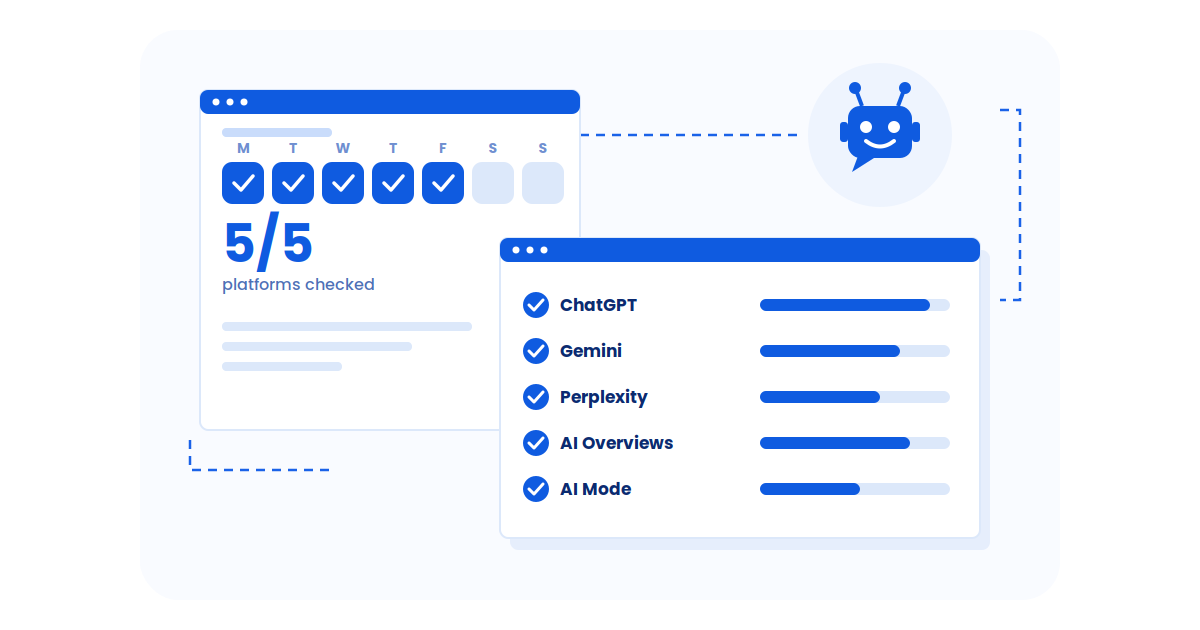
But in 2025, visibility is no longer defined by “page one” rankings alone. Buying decisions, brand discovery, and content consumption increasingly happen inside Large Language Models (LLMs) such as ChatGPT, Claude, Gemini, and Perplexity.
This shift has given rise to Generative Engine Optimization the discipline of optimizing for AI-driven search results and generative engines. GEO isn’t just a new buzzword it reflects a structural change in how audiences access knowledge.
If your brand is not being cited in AI-powered answers, it risks invisibility at the precise moment buyers are looking for solutions.
When entities aren’t clearly defined or connected, AI systems struggle to interpret authority—one of the primary reasons websites are ignored by AI search even when their content is accurate and well-written.
Here lies the power of entity-based content. While keywords remain part of the story, entities clearly defined people, products, brands, and concepts are now the foundation of visibility.
LLMs interpret entities and their relationships to build coherent, trustworthy answers. Content built around entities, rather than just keywords, stands out because it gives AI systems the semantic clarity they need.
What Is an Entity in SEO and Why Does It Matter?
In SEO, an entity is any distinct, identifiable thing: a company, a person, a product, a location, or even a concept.Unlike a keyword, which is simply a string of text, an entity carries meaning and context. For example:
“Apple” as a keyword could mean a fruit or a company.
“Apple Inc.” as an entity refers specifically to the technology company, with attributes such as founded in 1976, headquartered in Cupertino, maker of iPhone, led by Tim Cook.
This difference matters because search engines and LLMs prioritize meaning, not strings of letters. Entities anchor understanding, prevent ambiguity, and enable systems like Google’s Knowledge Graph or OpenAI’s models to connect a brand to relevant topics.
Traditional SEO focused on ranking for “keywords,” while entity-based SEO focuses on being recognized as the authoritative entity for a given concept or industry which a shift that requires more thoughtful AI content optimization strategies to support real authority signals.
This distinction underpins the debate of GEO vs SEO. SEO measures keyword positions and traffic. GEO measures whether your entity — your brand, product, or expertise — is recognized and cited by AI-driven systems.
That shift also changes internal workflows, which is why teams increasingly rely on a Client Onboarding Checklist for AI Visibility Platforms to align entity definitions, tracking benchmarks, and citation-readiness from day one.
How Do Entity-Based Content Strategies Work?
Entity-based content strategies are designed to ensure that your brand is not only found but understood by both search engines and LLMs.A complete strategy includes:
Entity Mapping: Identify core entities (e.g., your brand, flagship products) and map them to supporting entities (competitors, use cases, customer problems).
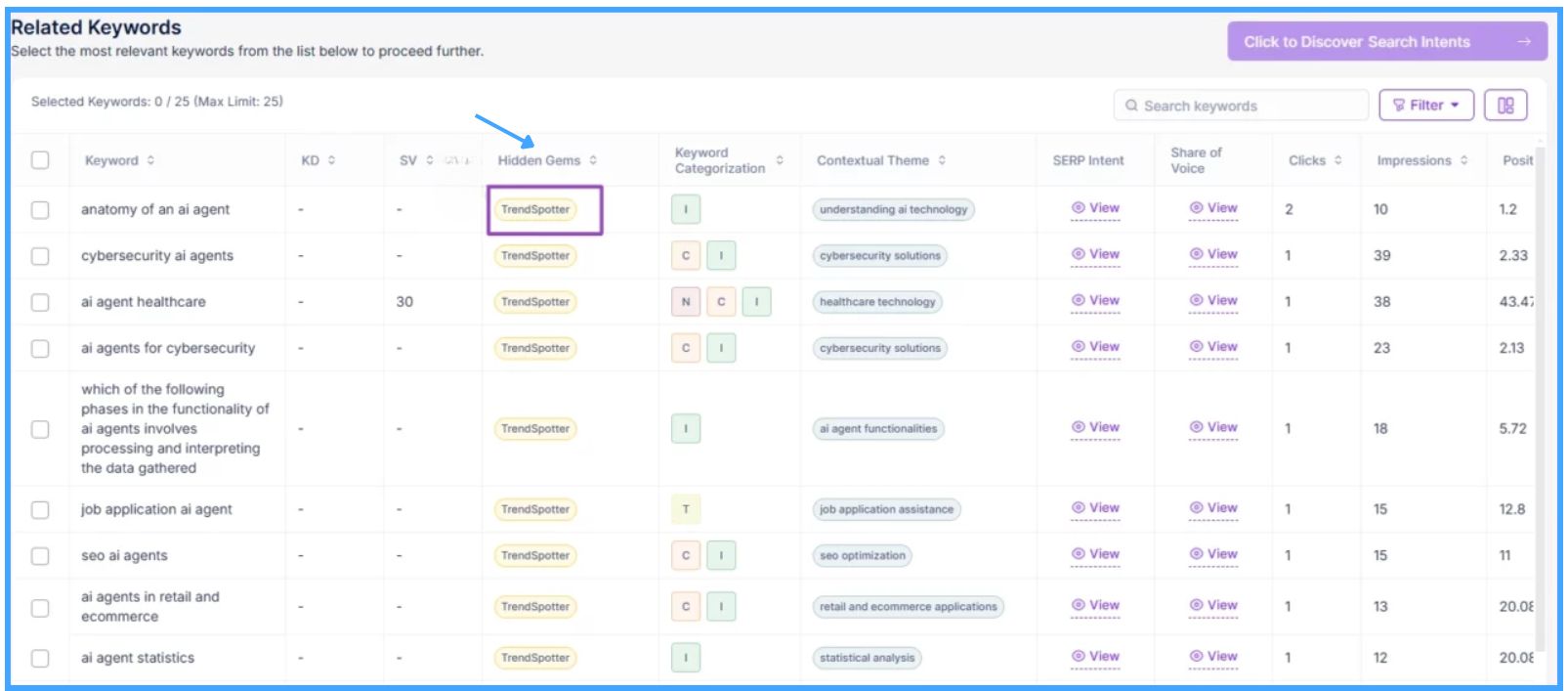
Relationship Building: Explicitly state how entities connect (cause-effect, process, comparison). For instance, “KIVA’s Hidden Gems feature (entity) uncovers high-potential keywords (attribute) overlooked by standard SEO tools.”
Structured Formatting: Use schema markup, FAQs, and descriptive headings so AI systems can parse meaning effortlessly, following schema and NLP best practices for AI Search.
Data Anchoring: Support every claim with quantifiable evidence, timestamps, and sources. LLMs prefer data-backed statements that can be reused with confidence.
Entities are most powerful when aligned with user intent. If searchers want to know “How does entity-based SEO improve LLM citations?”, the content must define the entity (SEO approach), clarify the attribute (improved citations), and connect it to measurable outcomes.
Tools like Google Search Console (GSC data) provide a starting point, revealing the real queries users associate with your brand—insights often used to refine entity definitions and content structure, whether handled internally or by Content Marketing Agencies supporting entity-first SEO initiatives.
Aligning this with entity-first strategies ensures that your content doesn’t just rank — it becomes citation-ready for AI engines.
How Can Google Search Console data Strengthen Entity-Based Strategies?
Google Search Console is often seen as a technical SEO tool, but in the entity era, it becomes something more a window into how both people and algorithms already perceive your brand. By analyzing GSC data, you can:
Google Search Console data Strengthen Entity-Based Strategies
- Identify which queries most often surface your site and map them to the entities you want to own.
- Spot disconnects between your desired positioning and how Google (and by extension, LLMs) currently interpret your site.
- Measure whether queries that include brand terms or related entities are rising, falling, or plateauing.
For example, if your SaaS product is showing up in GSC reports alongside terms like “automation tool” but not yet with “workflow optimizer,” that’s a signal to reinforce entity connections in your content.
The closer the alignment between user queries, structured data, and semantic associations, the more robust your entity profile becomes — and the more likely LLMs will cite you with accuracy.
How Has SEO Shifted from Keywords to Entity-Based Content?
The history of SEO reveals three clear phases:
Did you know?
- Keyword Era (2000–2015): Success was measured by keyword density and backlink volume. Rankings equaled visibility.
- Semantic SEO Era (2015–2022): Search engines matured, understanding intent and context. Topical clusters replaced exact matches.
- Entity-First Era (2023–present): LLMs and Google’s AI overviews shifted the focus to entities and relationships. Search visibility is now tied to whether your brand is cited in AI answers.
The numbers tell the story. Datos (2025) reported that 5.6% of U.S. desktop search traffic has shifted to LLMs. Meanwhile, Ahrefs’ analysis found that AI Overviews reduce click-through rates by ~34.5% for top organic results when they appear.
Google still commands dominance in search, but more users are getting answers directly from AI-driven platforms — bypassing websites altogether.
This is why Brand Performance Metrics in AI Search and GEO KPIs are becoming critical. Traditional KPIs like rankings and organic sessions must be supplemented with:
Citation Frequency: How often your entity appears in LLM outputs.
Citation Accuracy: Whether AI describes your brand correctly.
Share of AI Voice: Percentage of queries where your brand is mentioned compared to competitors.
GEO Statistics reveal that being present in AI-generated answers provides disproportionate brand authority. Even if traffic doesn’t immediately follow, visibility in these systems shapes perception and decision-making.
How Do LLMs Understand and Rank Entity-Based Content?
What Are the Best Techniques for Creating Entity-Based Content?
- Topical Authority through Clusters: Build pillar pages supported by entity-rich subtopics.
- Schema Markup: Implement Organization, FAQ, and HowTo schema to provide machine-readable clarity.
- Phrase Variations: Use long-tail phrases and natural language clusters users actually search.
- People Also Ask Integration: Incorporate real PAA questions into headings and answer them directly.
- Latent Semantic Indexing (LSIs): Supplement content with related terms and attributes to increase topical depth.
Use a Keyword Strategy Checklist to ensure every entity is mapped, every attribute is explained, and every section includes supporting entities.
How Does User Intent Shape Entity-Based Content Success?
No matter how sophisticated the algorithms, search still begins with human intent. What makes entity-based content different is that it aligns more naturally with the way people think and ask questions.
A user who searches for best project management tool for freelancers isn’t just signaling a keyword; they are expressing an intent connected to multiple entities such as project management software, freelancers, ease of use, and pricing.
Translating that intent into pages that AI engines actually cite often comes down to smart AI content optimization, where each entity, comparison, and supporting detail is mapped intentionally rather than left to chance. Content that recognizes and explicitly connects those entities is far more likely to be cited in AI-generated answers.
Ignoring intent leads to surface-level writing. Honoring it leads to trustworthy, context-rich answers that both readers and LLMs find useful.
How Can You Optimize Entity-Based Content for SEO?
Entity optimization must address both traditional SEO signals and LLM citation readiness. Practical steps include:
Audit GSC Data – Identify which queries already associate your brand with entities.
Map User Intent – Align each query with an intent (informational, transactional, navigational).
Content Structuring – Use Q&A formats, bullets, and short paragraphs to make extraction easy.
Cite Data and Sources – Ensure every claim is backed by a recent statistic or reference.
Leverage Internal Linking – Use descriptive, entity-rich anchor text (not generic “click here”).
A workflow powered by Content Brief Generation ensures no step is missed. For example, briefs can include entity maps, related queries, and structured outlines.
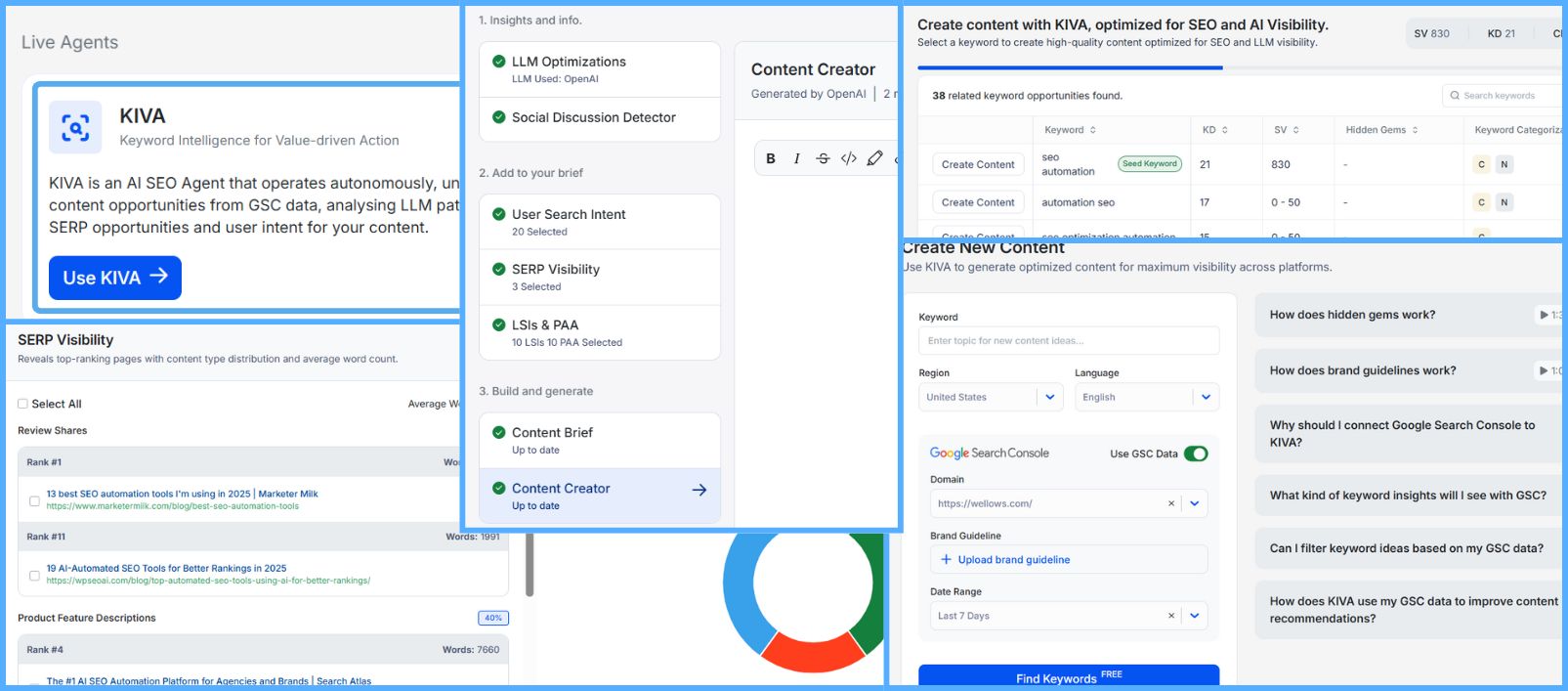
Here, platforms like KIVA an AI SEO Agent provide educational value. By clustering keywords, analyzing SERPs, and surfacing hidden gems, KIVA enables marketers to align entity-based strategies with both SEO and GEO visibility.
The output is authoritative, LLM-ready content created in minutes instead of hours.
How Can Brands Leverage Entity-Based Content to Build Authority?
Authority in the LLM era is no longer just about backlinks. It is about being the trusted entity models return to repeatedly. Brands can:
- Publish proprietary data that no competitor can replicate.
- Create educational resources (whitepapers, guides, webinars) that reinforce entity attributes.
- Secure mentions in credible sources such as Wikidata, Crunchbase, and industry directories.
- Build consistent entity profiles across all channels.
For example, a SaaS brand that regularly updates a “State of SEO in 2025” report becomes the go-to entity in AI answers about SEO trends.
This is where KIVA can be pitched educationally: By automating keyword clustering, LLM visibility analysis, and social conversation detection, KIVA empowers brands to scale authority-building entity strategies systematically
How Do You Measure Success with Entity-Based Content?
Measuring success requires moving beyond rankings and traffic. GEO KPIs are the new benchmarks:
- LLM Mentions & Citations: Are you being cited in ChatGPT, Gemini, or Claude answers?—and if not, that’s a signal to revisit how to rank in chatgpt and strengthen entity clarity and structure.
- Entity Recognition in Knowledge Graphs: Is your brand appearing as a defined entity in structured datasets?
- Share of AI Voice: Are you cited more frequently than competitors across AI platforms?
- Referral Traffic from AI: Track whether users click through from citations when links are provided.
GSC data still plays a role, offering insight into how users reach your site via traditional search. Combined with GEO KPIs, it paints a complete picture of entity visibility.
What GEO KPIs Prove the Impact of Entity-Based SEO?
It’s one thing to appear in AI answers — it’s another to measure the impact. GEO KPIs focus on:
Citation frequency: Are you cited consistently across multiple engines?
Citation quality: Are references accurate and positioned positively?
Competitive share of voice: How often are you mentioned relative to competitors?
AI-driven conversions: Are these mentions assisting in sales or lead generation?
These metrics shift the conversation with executives from “rankings” to real visibility in the spaces where decisions are made today.
What Challenges Come with Entity-Based SEO?
Transitioning to entity-first strategies isn’t without obstacles:
Decline in Clicks: Zero-click environments reduce direct traffic.
Misattribution: AI systems may paraphrase without attribution.
Client Education: Many stakeholders still equate SEO solely with Google rankings.
Originality Pressure: As AI generates content, brands must differentiate with unique insights and data.
These challenges demand a balance of technical optimization, educational communication, and originality.
What Is the Future of Entity-Based SEO in the GEO Landscape?
- Multi-Format Visibility: LLMs will increasingly pull from video, audio, and forums alongside text.
- Entity Governance Teams: Brands will formalize processes to manage entity accuracy across platforms.
- New Standards: Expect protocols like LLMs.txt or provenance tags to improve attribution.
- Shift in KPIs: Visibility will be measured more in mentions, citations, and assisted conversions than in raw traffic.
Early adopters with a clear enterprise AI visibility strategy will dominate because AI models tend to “lock in” trusted sources. Brands cited today are more likely to remain cited tomorrow.
What Case Studies Show the Power of Entity-Based Content in LLMs?
Several industries are already seeing wins. Ecommerce brands that structured product data with schema markup found themselves cited in ChatGPT shopping recommendations.
B2B SaaS firms that built topical clusters around niche solutions noticed an increase in entity mentions in Gemini and Claude.
These real-world outcomes prove the case: structured, entity-based content leads directly to greater visibility in AI systems.
How Can Brands Stand Out with Entity-Based Content Today?
Standing out requires urgency. Brands should:
- Define and map their entities clearly.
- Produce structured, citation-friendly content.
- Measure success via GEO KPIs and AI citation tracking.
- Embrace tools that automate entity-based workflows, such as KIVA.
The message is clear: entities are the backbone of SEO in the LLM era. Those who act now will own visibility for years to come.
FAQs
Conclusion:
The future of visibility isn’t keyword rankings. It is entity recognition and citation across AI-driven platforms. With zero-click searches rising, and AI models shaping buyer decisions, entity-based strategies are now essential.
By adopting entity-first frameworks, aligning with Generative Engine Optimization, and tracking GEO KPIs, brands can ensure they remain visible in both Google and LLM ecosystems.
Those who wait risk irrelevance. Those who act now — with structured, educational, authority-driven content — will define the next decade of digital visibility.