Not long ago, “ranking on Google” was the ultimate growth lever. Today, a huge part of that attention has quietly shifted to AI search. ChatGPT now reaches 800 million weekly active users (as of October 2025), doubling from 400 million in just eight months, turning its answers into prime digital real estate for brands.

This shift isn’t just about user behavior; it’s about revenue. Bain & Company reports that 80% of consumers now use AI-generated results for at least 40% of their searches, and McKinsey projects $750 billion in US revenue will be influenced by AI-powered search by 2028.

In this new search era, traditional SEO alone can’t keep you competitive, which is why frameworks like Answer Engine Optimization are becoming central to AI search visibility strategies.

As ChatGPT, Perplexity, and Google AI Overviews increasingly mediate how people discover products, tools, and information, understanding how to rank in ChatGPT has become a core growth strategy, not an experiment. This is exactly what GEO is designed to achieve.


TL;DR: Key Takeaways

  • 800M Weekly Users & Growing Fast: ChatGPT reached 800 million weekly active users in October 2025, and AI search platforms collectively generate over 5.9 billion monthly visits, shifting discovery from SERPs to AI answers.
  • Content Freshness Drives 3.2x More Citations: Content updated within the last 30 days receives 3.2 times more citations than older material. For sustained AI visibility, refresh priority pages at least monthly.
  • Structure Increases Citations by 40%: Content with clear heading hierarchies, short paragraphs (2–4 sentences), and answer-first formatting gets cited 40% more often by AI platforms. FAQPage and HowTo schema improve extraction.
  • Authority Signals Matter More in AI: ChatGPT cites branded domains 11.1 points higher than Google, per Wellows citation analysis. Original research, expert quotes, and credible references increase the odds you rank high on ChatGPT.
  • Platform-Specific Strategies Required: Research shows ChatGPT favors Wikipedia (47.9% of top citations), while Perplexity prioritizes Reddit (46.7%). To rank high on ChatGPT search, adapt your content and distribution by platform.

How to Rank in ChatGPT Search (Step-by-Step Framework)

Want to rank at the top of ChatGPT answers in 2026? Use this 10-step framework to earn LLM citations, improve ChatGPT search visibility, and learn how to rank in ChatGPT consistently, especially for competitive, research-style queries.

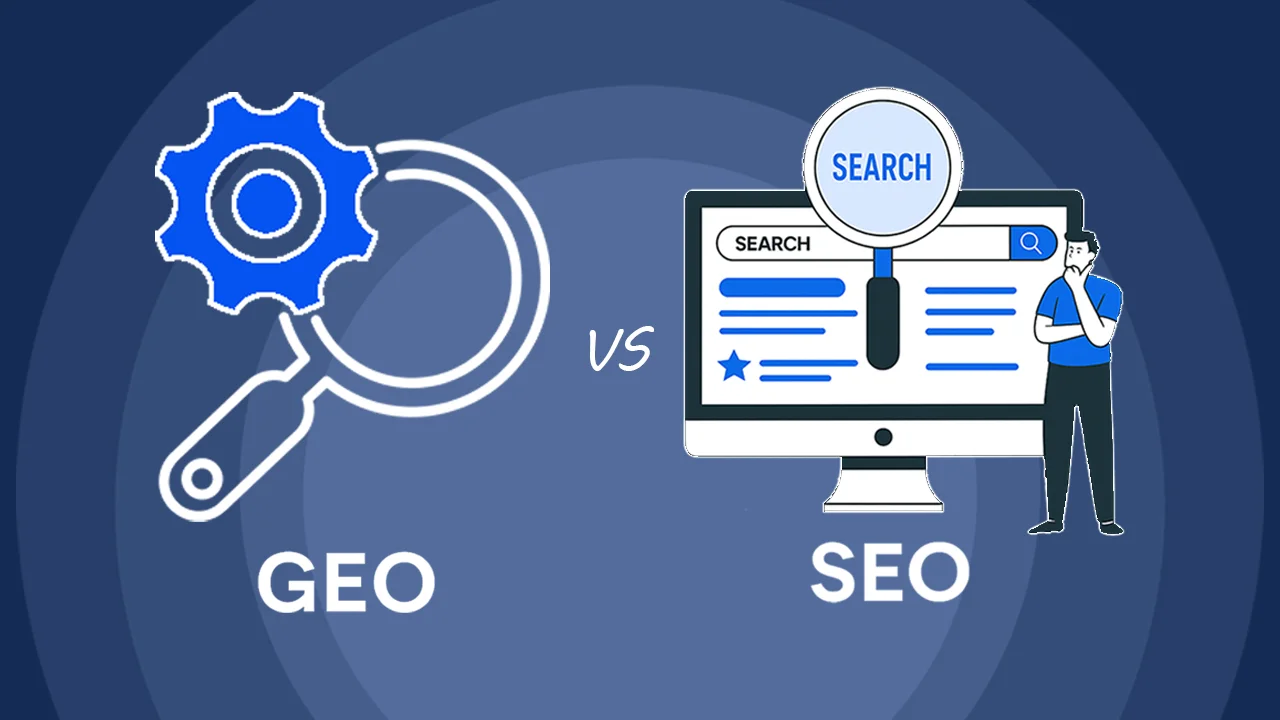
Because AI answers don’t expose traditional rankings, chatgpt ranking is best measured through citations, appearances, and prompt-level performance—not classic SERP position alone, highlighting the growing shift between SEO vs GEO measurement models.

Teams increasingly rely on a ChatGPT Visibility Tracker mindset to increase visibility in chatgpt searches through measurable citations and appearances

Proven 10-Step Process to Rank You Website Higher in ChatGPT responses?

  • Step 1: Implement Answer-First Content Architecture:

    Start each section with a direct 40–60 word answer that matches how people ask questions (especially “how to” searches). This inverted-pyramid structure increases extraction because AI systems can lift a complete answer block without rewriting your paragraph. Reddit practitioner discussions consistently highlight that clear, upfront answers are more likely to be cited than “slow-build” intros.

  • Step 2: Add Strategic Schema Markup:

    Use JSON-LD schema to make your content easier to interpret and extract. Prioritize FAQPage for Q&A blocks, HowTo for instructional steps, and Article for standard posts, because structured pages are easier to cite accurately. Frase.io research specifically highlights FAQ schema as a strong performer in AI-driven visibility.

  • Step 3: Establish 30-Day Content Refresh Cycles:

    Set a refresh cadence for pages you want to win in AI answers: 30 days is the baseline, and 7–14 days is common during active pushes. This is the simplest answer to what is the best update frequency for AI visibility? because recency strongly influences what gets surfaced and cited. Lureon.ai research reports a 3.2x citation advantage for content updated within 30 days.

  • Step 4: Optimize Structure for AI Parsing:

    Make your page “machine-readable” without hurting human readability: 2–4 sentence paragraphs, descriptive H2/H3s, bullet lists for key points, tables for comparisons, and a dedicated FAQ. This improves extraction and reduces misquoting because each section becomes self-contained. AI structure studies frequently show well-formatted content is cited more often than dense blocks of text.

  • Step 5: Enable Complete AI Crawler Access:

    If your content can’t be crawled, it can’t be cited, and for anyone learning how to rank in chatgpt search, crawler access is the non-negotiable first checkpoint.. Ensure your robots.txt and CDN rules don’t block key crawlers (including OpenAI’s and major search bots), and keep your sitemap accessible for discovery. OpenAI’s crawler documentation explains how OpenAI bots are identified and controlled via robots.txt.

  • Step 6: Create Original Research and Proprietary Data:

    Original data is one of the most consistent “citation triggers” because it gives AI systems something they can’t find everywhere else. Publish surveys, benchmarks, experiments, or internal analyses, then summarize the methodology so your claims are verifiable. Practitioner case sharing repeatedly points to stats and expert-backed insights as differentiators for AI visibility.

  • Step 7: Build Third-Party Authority Signals:

    AI systems “trust” what the web repeatedly confirms which is why strengthening brand signals across authoritative platforms improves citation likelihood.. Build brand mentions, references, and citations on reputable sites using structured outreach and positioning strategies designed for earning mentions in AI search. (industry publications, trusted directories, credible communities), then link back to a strong source page on your domain. Ahrefs research shows brands with stronger web-wide mention signals tend to earn substantially higher AI visibility.

  • Step 8: Develop Content Clusters with Internal Linking:

    Create topical clusters so your site looks like the “best source” on a subject, not a one-off article — a strategy expanded in AI topic clusters. Use a pillar page for the main theme, then supporting posts that answer narrower questions (definitions, checklists, comparisons, case studies) with clear internal links between them. This reinforces topic authority and helps AI systems understand relationships across your content.

    Make sure every pillar page follows on page SEO factors so it’s easy for AI systems to parse and cite.

  • Step 9: Track Citations Systematically:

    If you can’t measure it, you can’t improve it and that’s exactly why learning how to track chatgpt ai rankings over time is a core part of sustained AI visibility.

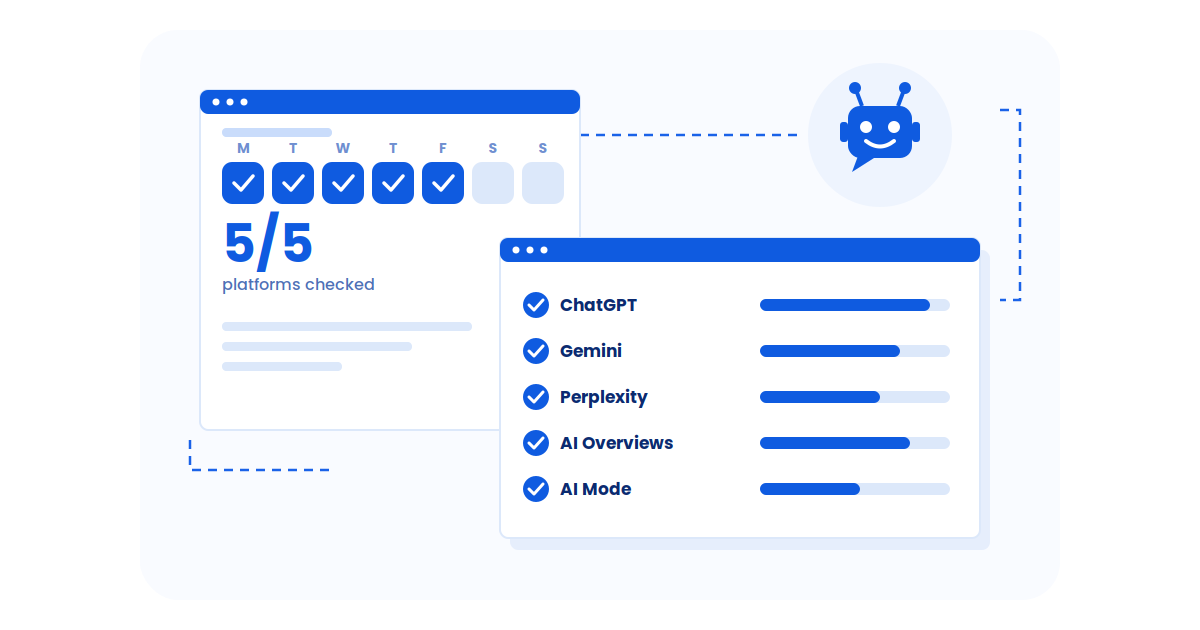
    Build a weekly habit of testing a fixed set of queries— ideally sourced through a structured process like finding queries for GEO. Capturing whether you appear, what you’re cited for, and which pages win., this is the practical way to learn how to track ChatGPT rankings over time. Use one dashboard to monitor trends and competitive movement, such as Wellows Citation Score tracking.

  • Step 10: Optimize Based on Performance Data:

    Treat AI visibility like an iterative system: double down on sections that get cited, rewrite parts that are skipped, and refresh pages that slip as they age. The goal is compounding improvements, more citations, better positioning, and stronger share of voice over time. Continuous iteration is the core of Generative Engine Optimization and what makes rankings stick.


What Factors Affect Ranking in ChatGPT?

ChatGPT evaluates whether to reference content by weighing a combination of authority, clarity, and consistency signals — a process examined in detail in how AI selects sites to cite. These are the most consistent chatgpt ranking factors tied to citation selection, extractability, and trus:

1. Referring Domains and Backlink Authority

The volume and quality of external sites linking to your content influence how trustworthy it appears. Data shows that domains with more than 350,000 referring sites average significantly higher citation counts, while sites with fewer than 2,500 referring domains receive far fewer mentions overall.

2. Topical Authority

Covering a subject comprehensively through interconnected content helps signal expertise especially when structured around entity-based content rather than isolated keyword targeting.. Creating topic clusters around a core theme demonstrates depth and reinforces your position as a reliable source for that subject area.

3. Structured Data Markup

Using schema markup such as Product, Organization, and Person schemas clarifies content context and relationships. Structured data helps ChatGPT interpret information more accurately, improving extraction reliability and citation potential.

4. Content Structure and Readability

Pages organized with clear heading hierarchies, bullet points, and tables are easier for AI systems to parse. Clean structure reduces ambiguity and increases the likelihood that specific sections can be quoted correctly.

Keywords vs Semantics for ChatGPT Rankings

To improve your visibility in ChatGPT responses, focus more on semantic relevance than traditional keyword optimization. ChatGPT evaluates content based on context and intent, prioritizing pages that explain topics clearly, define related concepts, and answer questions in natural, conversational language rather than relying on keyword repetition.

5. Expert Content with Social Proof

Trust signals like testimonials, case studies, and third-party validation strengthen credibility and contribute to boosting brand authority in AI SEO. Consistent positive mentions across reputable platforms (such as G2 or Trustpilot) reinforce confidence in your content.

6. Content Freshness and Update Frequency

Keeping pages updated with current data and examples signals ongoing relevance. Regular refreshes help ChatGPT prioritize content that reflects the latest information and trends.

7. Cross-Platform Consistency

Maintaining consistent messaging across your website, social channels, and review platforms creates a unified brand signal. This coherence helps ChatGPT recognize and associate your brand with accurate, dependable information.

By strengthening these signals, you improve both the credibility and visibility of your content, increasing the chances it will be referenced in ChatGPT’s responses.


Wellows analysis of 7,000+ ChatGPT queries and 485,000 citations reveals that content with clear structure gets extracted word-for-word in AI responses, while dense, unformatted content rarely achieves citations even when highly authoritative. (Wellows ChatGPT Citations Report)

How Critical Is Content Freshness Really?

If you want to improve how to rank high in ChatGPT, freshness is one of the most consistent levers you can control. Lureon.ai research reports that content updated within the last 30 days receives 3.2 times more citations than older material. The practical takeaway is simple: AI answers tend to lean toward sources that look current, especially for fast-changing topics.

AI bots target content published within the last year about 65% of the time, which means older pages often lose visibility unless they are refreshed with current-year data, updated examples, and a clear “last updated” signal.

If you are asking what is the best update frequency for AI visibility? start with a 30-day baseline for priority pages, then tighten the cycle during campaigns or rapid changes in your category.

AI Bots: 65
Target Recent Content
Fresh Content: 3.2
Citation Advantage
Optimal Days: 30
Update Frequency

How Long Does It Take to Rank in ChatGPT?

Earning consistent visibility in ChatGPT responses depends on a combination of content quality, authority signals, and ongoing optimization. While traditional SEO still plays a role, ChatGPT places greater emphasis on content that is current, trustworthy, and clearly aligned with user intent.

1. Estimated Timelines:

  • Initial Mentions: Many businesses begin seeing their content referenced by ChatGPT within 2 to 8 weeks of maintaining structured, regularly updated content.
  • Top Rankings: Reaching a leading position in ChatGPT-generated answers generally takes 3 to 6 months, influenced by industry competition, content depth, and how consistently optimization strategies are applied.

Why Isn’t My Blog Showing Up in ChatGPT Results?

If your blog isn’t showing up in ChatGPT responses, it’s usually because the content can’t be crawled, isn’t structured for AI extraction, lacks topical authority, is outdated, or hasn’t earned enough third-party validation — issues you can systematically diagnose using an AI search visibility audit checklist. ChatGPT prioritizes sources that are easy to verify, current, and widely confirmed across the web.

Why Blogs Fail to Appear in ChatGPT Results

If your blog isn’t appearing in ChatGPT responses for your topic, it’s usually due to a combination of visibility, access, or relevance issues. The most common causes include the following:

Limited Online Presence

ChatGPT draws from signals across the wider web. If your site has few backlinks, limited brand mentions, or minimal activity on social and third-party platforms, your content may not register as a recognizable source worth citing.

Bing Indexing

ChatGPT relies on Bing for discovery and retrieval. If your pages aren’t indexed in Bing, they won’t surface in ChatGPT answers. Submitting your site to Bing Webmaster Tools and resolving indexing errors is essential.

Content Structure and Quality

AI systems favor content that is clearly structured and substantively useful. Pages with strong headings, short paragraphs, and in-depth, authoritative coverage are easier to extract and more likely to be referenced—especially when they directly answer common questions or provide original insight.

Semantic Relevance

Your content needs to match how people actually ask questions. Writing in natural, conversational language and addressing specific user intents helps AI models understand when your content is relevant to a prompt.

Authoritative Mentions

External validation matters. Mentions or citations from trusted industry sites, directories, or publications reinforce credibility and increase the likelihood that AI systems will recognize and reference your blog.

Why Does Authority Matter More in AI Search?

Authority matters because AI systems are conservative about what they cite, prioritizing brands recognized as a trusted source in AI search. In one Wellows analysis of 485,000 citation instances, ChatGPT cited branded domains 11.1 points more than Google. In practice, this means you are more likely to appear when your site reads like the primary source, with clear ownership of the topic, verifiable claims, and consistent recognition across the web.

“High-quality backlinks from trusted .edu or .gov domains signal credibility and boost your chances of appearing in AI responses. But what truly matters is being recognized as the primary source in your domain.” , Lureon.ai Research

How Does Schema Markup Influence Citations?

Schema markup does not guarantee higher rankings, but it can materially improve how reliably your content is interpreted and extracted. As AI content becomes a larger share of what Google evaluates, clarity and machine-readable structure matter more. Schema helps you define what a section is (FAQ, steps, article), which reduces ambiguity when systems decide what to quote.

FAQ structured data has one of the highest citation rates in AI-generated answers especially when implemented using best practices for FAQ schema optimization. Use schema to support what is already on the page, not to “label” content you do not visibly provide.

Schema Markup’s Measurable Impact on AI Citations

Without proper structured data, AI systems have to infer content relationships from raw text alone, which increases the chance of missed context and weaker extraction. With clear JSON-LD, it becomes easier for systems to identify questions, answers, steps, and entities, which can improve citation consistency across platforms.

Without Schema Implementation
Content appears as unstructured text to AI systems, requiring additional processing to extract meaning and context. Citation rates often remain low even for high-quality content because relationships between sections, questions, and answers are less explicit.
With Strategic Schema Markup
JSON-LD structured data provides explicit content type signals and contextual relationships. FAQ, HowTo, and Article schemas can make extraction more reliable, which can increase the likelihood of correct citations and better positioning in AI-generated responses.

What Structured Data Should I Add to Rank better on ChatGPT?

To rank better in ChatGPT, prioritize structured data that clearly defines questions, answers, entities, and processes. FAQPage, HowTo, Article, Organization, and Person schema help AI systems understand content relationships, extract accurate answers, and confidently attribute sources in responses.

Adding structured data through schema markup plays a critical role in improving how your content is understood and surfaced in ChatGPT responses. By clearly defining what your content represents, schema helps AI systems interpret context, extract accurate information, and confidently reference your pages in AI-generated answers.

1. Key Structured Data Types to Implement:

  • Product Schema: Use this on product or SaaS pages to define pricing, availability, features, and specifications in a machine-readable format.
  • Review Schema: Highlight ratings, testimonials, and aggregated reviews to reinforce trust and signal credibility to AI systems.
  • Organization Schema: Clearly identify your brand by including business details such as name, logo, website, and contact information to strengthen authority signals.
  • FAQ Schema: Structure common questions and concise answers to align with how users ask queries, making it easier for AI platforms to extract and cite direct responses.


Wellows Original Research: What 240+ Reddit Practitioners Reveal About ChatGPT Ranking Success

To understand what seems to work outside formal studies, Wellows reviewed 240+ Reddit comments from r/DigitalMarketing, r/OpenAI, and r/SEO.

These are public, self-reported experiences, so treat them as directional. Still, the patterns below line up with common questions like how to rank high on ChatGPT, how to rank in ChatGPT search, and improving ChatGPT search visibility.

[Source threads: Reddit r/OpenAI, Reddit r/DigitalMarketing]

What Do Practitioners Actually Experience? (240+ Reddit Comments)

  • Finding #1: Traditional SEO Doesn't Automatically Transfer to AI Visibility:

    A repeated theme was that Google rankings didn’t reliably predict ChatGPT citations, , reinforcing the widening gap between Google rankings and LLM citations.

    Practitioners described examples like:

    • Top 3 Google results getting few or no ChatGPT mentions
    • Newer pages earning citations after rewrites for structure and clarity
    • Backlink-heavy pages being skipped when content was hard to extract

    One practitioner wrote: “You don’t rank on chatgpt through traditional SEO alone, you rank by being seen as the primary source and structuring content for AI extraction.” Source: Reddit Discussion

  • Finding #2: Update Frequency Often Wins (7–14 Days, Not 30):

    Many comments pointed to 7–14 day refreshes during active optimization, especially for the pages they wanted cited.

    This maps closely to the query what is the best update frequency for AI visibility? One person noted: “We updated our cornerstone content weekly for 8 weeks and saw citations within 3 weeks.”

  • Finding #3: Third-Party Platform Strategy Varies by Category: Practitioners didn’t treat every platform as equal. They described impact as category-dependent:
    • Quora: Often discussed as more useful for SaaS/B2B education and evaluation
    • Reddit: Reported to work best when you add value first, then reference a strong resource
    • G2/Capterra: Frequently mentioned for B2B software discovery, less for other industries
    • Medium: Often described as inconsistent unless the piece is uniquely cited elsewhere

    One consultant said: “Reddit integration accelerated our visibility, but the key was contributing genuinely valuable answers in relevant subreddits with natural links to comprehensive resources.”

  • Finding #4: Entity-Rich Content Often Beats Keyword-Heavy Content:

    Practitioners who reported steady citations described shifting toward entity-rich content.

    In plain terms: name and define the key tools, concepts, organizations, and relationships. That tends to be easier for AI systems to summarize than keyword repetition.

  • Finding #5: Original Research Helps You Stand Out:

    A common differentiator was original data such as surveys, benchmarks, experiments, or internal analysis.

    Several people described pairing data with a short methodology section, then referencing that page in relevant discussions. One founder shared: “I ranked #1 on ChatGPT for my niche in 3 months by publishing proprietary survey data every month and linking it from relevant Reddit discussions.”

The Common Misconception About AI Ranking Many guides imply that “traditional SEO automatically translates to AI visibility” and that strong Google rankings lead to ChatGPT citations.

Our Reddit review suggests that this often doesn’t happen by default.

Practitioners repeatedly described cases where:

  • Top Google rankings received few or no ChatGPT citations
  • Newer pages earned citations after becoming easier to extract and verify
  • Backlinks helped less when the page lacked clear structure and sourcing

The Reality: AI platforms appear to weigh extractability and source confidence differently than classic SEO signals. Seomator analysis of 41 million results reports backlinks explain only a small share of AI citation outcomes.


How Do Different AI Platforms Cite Content?

Each AI platform has its own citation “bias”, meaning the same query can surface different sources depending on the engine. This matters if you’re trying to increase ChatGPT search visibility or appear in Google AI Overviews. Profound’s analysis (680M citations tracked across ChatGPT, Google AI Overviews, and Perplexity from Aug 2024 to Jun 2025) shows that source preferences differ by platform.

What Sources Does ChatGPT Prioritize?

According to Profound, ChatGPT cites “reference-style” sources heavily. Wikipedia accounts for 47.9% of citations among ChatGPT’s top 10 most-cited sources, which suggests factual, definitional content is often easier to cite than opinion-only content.

If you want to rank high on ChatGPT search, focus on pages that read like a source: clear definitions, specific claims, and supporting references. For tactical guidance, see ChatGPT search visibility tips.

ChatGPT’s Top Cited Sources:

Source Share of Top 10 Citations Overall Citation Volume
Wikipedia 47.9% 7.8%
Reddit 11.3% 1.8%
Forbes 6.8% 1.1%
G2 6.7% 1.1%
TechRadar 5.5% 0.9%

Source: Profound AI Platform Citation Patterns Study

How Does Google AI Overviews Source Information?

Profound’s data suggests Google AI Overviews draws from a broader mix of sources. Reddit leads at 21% of top citations, with YouTube close behind at 18.8%, which indicates Google often blends expert content with community and creator sources.

For AI Overviews, diversify your “supporting footprint”: a strong source page on your site plus corroboration on trusted third-party pages.

What Makes Perplexity Different?

Perplexity is more community-weighted than the others in Profound’s dataset. Reddit accounts for 46.7% of citations among its top sources, suggesting peer discussions and lived experience content can play a bigger role there.

If your goal is visibility across engines, treat community content as a complement, not a replacement. Keep your primary facts and methodology on your site, then support it with high-quality community references (for example, Reddit threads where you contribute real answers).

Then

Traditional SEO Era

➡️ Authority determined by backlinks and domain age

➡️ One optimization approach for most search engines

➡️ Content freshness updated monthly or quarterly

➡️ Success measured by organic traffic and SERP rankings

➡️ Keyword focus drives targeting

Now

AI Search Era

➡️ Authority shaped by being a credible cited source

➡️ Platform-specific patterns influence what gets cited

➡️ Content freshness often needs 30-day (or faster) updates

➡️ Success measured by citations and AI visibility metrics

➡️ Entity clarity and sourcing improve extraction


How to Improve Ranking in ChatGPT: Proven Strategies That Actually Work

If you’re looking for the best strategies to optimize your content for ChatGPT ranking, focus on structure, freshness, original data, and authority signals that AI systems can easily verify and cite.

Based on Princeton University research, practitioner discussions, and case-style examples, the tactics below focus on what tends to improve ChatGPT search visibility and increase the likelihood you rank high on ChatGPT search. Treat the exact lift numbers as directional unless you can validate them in your own tests.

10 Research-Backed Optimization Tactics

1. Create High-Quality, Structured Content

Produce in-depth, well-organized content that answers user questions directly. Use clear headings, bullet points, and short, focused paragraphs so both readers and AI models can quickly understand and extract key information.

2. Optimize for Conversational Queries

Write in natural, question-driven language that reflects how users actually ask things — a core principle behind optimizing for conversational AI search queries. Including FAQ sections and conversational phrasing helps align your content with how AI systems interpret and respond to prompts.

3. Implement Schema Markup

Apply structured data such as schema markup to clarify your content’s purpose and relationships. This helps AI models accurately interpret sections like FAQs, how-to steps, and articles, increasing the chances of correct citation in AI answers.

4. Build Topical Authority

Demonstrate expertise by publishing interconnected content around a focused topic. Using a hub-and-spoke approach signals depth and consistency, positioning your site as a reliable primary source within your niche.

5. Enhance Brand Visibility Across Platforms

Strengthen your brand’s presence beyond your website by participating in social media, forums, review platforms, and industry communities. Consistent, positive mentions across the web reinforce credibility signals AI systems rely on.

6. Keep Content Updated

Regularly refresh key pages to maintain relevance and accuracy. AI systems favor current information, so updating statistics, examples, and timestamps can significantly improve citation likelihood.

7. Encourage User-Generated Content

Promote reviews, comments, and discussions from your audience. User-generated content adds social proof, expands contextual signals, and introduces diverse perspectives that AI models may reference.

By applying these strategies consistently, you improve both the credibility and extractability of your content—making it more likely to appear in ChatGPT’s AI-generated responses.

What Content Types Consistently Get Cited?

Across research and practitioner examples, these formats are more likely to be referenced because they’re easier to verify and extract:

Statistical content with 2026 data: Use current-year numbers, cite the original source, and state what the number means (one sentence of context).

Expert-driven analysis: Quotes work best when the expert’s credentials are visible and the claim is specific (not generic opinions).

Original research reports: Proprietary surveys, benchmarks, and experiments stand out because the information is not widely duplicated. Link methodology and include assumptions.

Comprehensive how-to guides: Clear steps, checklists, and “do this first” ordering tend to be easy for AI systems to cite accurately.

Opinion pieces without data: Hard to verify, easier to misquote, and often skipped when the query is fact-seeking.

Outdated content: Old stats and stale examples reduce citation confidence, even if the page is otherwise strong.

Poorly structured articles: Dense blocks, weak headings, and missing FAQs increase extraction errors and reduce citation likelihood.

Is Human-Written Content better than AI-Generated for ChatGPT Rankings?

ChatGPT does not inherently favor human-written content over AI-generated content. Instead, it prioritizes content that is original, accurate, well-structured, and easy to verify. Human-written content often performs better because it tends to include unique insights, original data, and clearer attribution—qualities that generic AI-generated content frequently lacks.

Is brute force repetition better than thought leadership for ChatGPT?

  • Brute Force Content vs Thought Leadership in ChatGPT Rankings:

    In discussions around how ChatGPT is developed and optimized, a common contrast emerges between brute force repetition and thought leadership approaches. Brute force repetition relies on exposing models to massive volumes of similar or repetitive data, with the goal of improving performance through scale. This method can help models generate fluent, contextually appropriate responses by reinforcing common patterns.

    However, this strategy has notable limitations. Heavy reliance on repetition often leads to outputs that feel generic or shallow, offering surface-level coherence without real substance. In some cases, AI-generated content may sound insightful while lacking specificity, originality, or genuine depth—creating the impression of understanding without delivering meaningful value.

    Thought leadership takes a different path by prioritizing high-quality, original, and insight-driven material. By incorporating expert perspectives, unique analysis, and innovative ideas, this approach helps models develop a richer understanding of complex topics. The result is content that is more nuanced, informative, and reflective of real expertise.

    In short, while brute force repetition can improve baseline performance through exposure and pattern reinforcement, it risks diluting originality and depth. Thought leadership, by contrast, plays a critical role in shaping models that don’t just perform well, but also generate content that is valuable, credible, and genuinely insightful.


  • How Can You Optimize Blog Content for Research Queries in ChatGPT?

    Research queries are strong citation opportunities because they reward pages that are specific, sourced, and easy to verify. If you want to improve how to rank in ChatGPT search for research-style prompts, your goal is to make your claims easy to extract and your sources easy to trust.

    Research-Optimized Content Framework for AI Visibility

    For research queries, AI platforms tend to prioritize these elements:

    1. Clear methodology describing how data was collected, analyzed, and validated
    2. Comprehensive source attribution with inline citations, hyperlinked references, and publication dates
    3. Scannable evidence using charts, tables, and short summaries next to key numbers
    4. Expert validation with quotes that include name, role, and organization
    5. Trends over time with specific dates, ranges, and measurement periods
    6. Practical applications translating findings into actionable takeaways

    Xponent21’s case study reports 4,162% traffic growth after implementing a research-led approach. Treat this as an example, not a universal outcome, and validate impact against your own baseline.

    How Should You Track AI Citations for Research Content?

    Citation Tracking Framework:

    • Submit a fixed list of research queries weekly and log when your page is cited (and in what position).
    • Monitor AI referral traffic in GA4 and tag links where possible to separate AI sessions from organic search.
    • Use Wellows AI visibility platform to track Citation Score and changes over time.
    • Track brand mention sentiment and whether the model describes you accurately.
    • Compare results across ChatGPT, Perplexity, and Google AI Overviews to spot platform-specific differences.

    What Factors Influence Whether Research Blogs Get Cited by ChatGPT?

    Research pages get cited more often when they are easy to verify and easy to quote accurately. If you’re trying to improve how to rank high on ChatGPT search with research content, focus on citation hygiene and clear attribution.

    How Important Are Proper Statistical Citations?

    Cited stats tend to be safer for AI systems to reuse than uncited claims. Some practitioners report higher visibility when stats are attributed clearly, but the exact uplift varies by topic and query. Source: Reddit discussion.

    Citation format matters because it reduces ambiguity. AI systems typically prefer:

    Citation Best Practices for AI Visibility
    Inline Statistical Attribution
    • Include the year and source immediately after the statistic
    • Format example: “According to McKinsey (2025), $750 billion…”
    • Link directly to the original report (not a recap)
    • Prefer credible sources (.edu, .gov, major research firms, reputable publishers)

    Reference Section Completeness
    • List sources with full URLs at the end of the article
    • Include publication date (and author name when available)
    • Check that links load and are not blocked or paywalled
    • Refresh old references when you update the page

    Why Proper Citations Matter

    When systems decide what to cite, they tend to favor claims that are clearly attributable. Broken links, missing dates, or weak sources can reduce citation confidence even when the content is relevant. Wellows analysis of 485,000 citations shows that incomplete or unverifiable references are commonly associated with lower citation likelihood. (Wellows ChatGPT Citations Report)

    What Makes Expert Quotes Effective?

    Expert quotes can help, but only when they’re attributable and relevant to the claim being made. Practitioner discussions often link quote quality to better AI reuse because it increases trust and clarity. Source: Reddit discussion.

    Effective expert integration usually includes:

    1. Clear identification: Full name, title, and organization
    2. Relevant credentials: Expertise that matches the topic of the quote
    3. Clean attribution: Quote formatting plus a source link when available
    4. Contextual placement: Place the quote next to the related data or recommendation

    9 Ways to Boost ChatGPT Ranking That Actually Work

    To improve how often your content appears and performs in ChatGPT responses, focus on strategies that increase crawlability, credibility, and extractability. The following approaches help position your content as a reliable source AI systems can confidently reference:

    1. Optimize for AI Crawlers: Make sure AI crawlers can access and understand your site. Register and verify your website in Bing Webmaster Tools, and routinely review crawl reports to catch and fix indexing or access issues that could prevent citations.
    2. Engage in Community Platforms: Participate meaningfully in relevant communities such as Reddit, Quora, and industry forums. Providing thoughtful answers and sharing expertise helps build contextual signals that AI systems often surface in responses.
    3. Create Interactive and Authoritative Content: Develop high-value resources like calculators, tools, templates, and in-depth guides. Pair these assets with appropriate schema markup so AI systems can accurately identify, classify, and prioritize them.
    4. Incorporate Expert Insights and Current Data: Strengthen trust by including expert quotes, named sources, and up-to-date statistics. Current, attributable information signals authority and relevance, increasing the likelihood of AI citation.
    5. Structure Content Conversationally: Design content around real user questions and answers. Use clear headings, short paragraphs, bullet points, and logical sequencing to make information easy for AI systems to parse and reuse.
    6. Establish Brand Authority Across Platforms: Build credibility beyond your own site by earning mentions in respected publications and contributing guest content to industry blogs. A consistent presence across authoritative platforms reinforces brand trust signals.
    7. Strengthen E-E-A-T Signals: Highlight experience, expertise, authority, and trustworthiness through clear author bylines, verified credentials, positive reviews, and links to original research or primary data sources.
    8. Use Structured Data (Schema Markup): Apply schema markup such as FAQPage or HowTo to clearly define your content’s purpose. Structured data reduces ambiguity and helps AI systems extract and present your information accurately.
    9. Monitor Performance and Iterate: Track citation frequency, engagement signals, and visibility trends regularly. Use these insights to refine content structure, update information, and double down on what earns consistent AI citations.

    By applying these tactics consistently, you improve both the credibility and accessibility of your content—making it more likely to be referenced in ChatGPT responses and other AI-generated answers.

    How Can Small Businesses Compete with Major Publications?

    Despite major publications dominating overall citation volume, small businesses can compete effectively through focused niche authority building.

    Competing Against Major Publications
    Generic Approach (Low Citations)

    Publishing broad overview content covering widely discussed topics without unique insights or original data. This approach gets lost among thousands of similar articles from larger competitors.

    Content Mill Strategy (No Citations)
    Creating high volumes of thin content targeting multiple keywords without depth, research, or expertise. AI platforms completely ignore this shallow content regardless of volume.
    Niche Authority Building (High Citations)
    Focusing on specific sub-topics within your industry, publishing original research, maintaining aggressive update schedules, and establishing yourself as the go-to source for niche queries. This targeted approach generated 4,162% traffic growth through AI citations. (Xponent21, 2025)

    How Do You Track If Your Research Blog Is Being Referenced by ChatGPT?

    Tracking AI visibility is different from traditional SEO because you’re measuring citations and mentions, not just rankings and if you’re asking how to track my rankings on chatgpt over time?, the answer is a weekly query set, citation logging, and trend comparison.

    If you’re trying to learn how to track ChatGPT rankings over time (or how to track ChatGPT AI rankings over time), use a consistent query set and track outcomes the same way each week.

    What Metrics Actually Matter for AI Visibility?

    1. Citation frequency: How often your brand or page is referenced across tracked queries.
    2. Citation position: Where you appear in the answer (top source vs. supporting source), since position changes click likelihood and trust.
    3. Citation score: A weighted view of frequency plus position, useful for trend tracking.
    4. Share of voice: Your percentage of mentions in a topic cluster compared to competitors.
    5. Sentiment + accuracy: Whether the model describes your brand correctly (and in what tone).
    6. Platform distribution: Which engines cite you most (ChatGPT vs. Perplexity vs. Google AI Overviews).

    How Can You Monitor Brand Mentions Across AI Platforms?

    Key monitoring approaches:

    • Direct query testing: Pick 20–30 high-intent queries and test them weekly. Log: cited URL, position, surrounding text, and other sources shown.
    • AI ranking log: Use the same worksheet to record results each week, so you can answer questions like how to track ChatGPT AI rankings over time with consistent evidence.
    • AI visibility tracking: Use a tool to monitor citations across engines and visualize changes over time (for example, AI SEO automation workflows).
    • Analytics integration: Track referral traffic from AI platforms in GA4, and validate whether AI sessions convert differently from organic search.
    • Competitive benchmarking: Compare your citation frequency and share of voice against competitors, then prioritize content gaps. This pairs well with combining SEO and GEO so improvements show up in both Google and AI answers.

    What Common Mistakes Kill Your AI Visibility?

    Understanding what doesn’t work proves as critical as knowing effective strategies, particularly when diagnosing why websites are ignored by AI search systems. Analysis of failed optimization attempts reveals recurring pitfalls to avoid.

    AI-Friendly Formatting That Works

    Short, Clear Paragraphs

    • 2-4 sentences maximum per paragraph
    • Single focused idea per paragraph
    • Smooth transition words for flow

    Strategic White Space

    • Breathing room between content blocks
    • Visual separation around headings
    • Clear demarcation of concepts

    Scannable Elements

    • Bullet points for feature lists
    • Tables for data comparisons
    • Bold text for key concepts

    Citation-Killing Formatting Mistakes

    Dense Text Blocks

    • 10+ sentence paragraphs
    • Multiple ideas crammed together
    • Extremely difficult AI parsing

    Poor Visual Hierarchy

    • Unclear or missing heading structure
    • Lack of descriptive subheadings
    • No visual content breaks

    Complex Formatting

    • Excessive industry jargon
    • Run-on sentences
    • Deeply nested information structures

    How Does Content Staleness Impact Visibility?

    Even highly authoritative content loses AI visibility as it ages. Research shows AI bots target content published in the last year about 65% of the time, making regular updates absolutely non-negotiable for sustained visibility.

    The robots.txt Dilemma

    Blocking AI crawlers in robots.txt prevents ChatGPT from discovering and citing your content, making it impossible to rank in ChatGPT responses.

    Many sites accidentally block AI crawlers while attempting to protect content, resulting in zero citations despite having high-quality, relevant information.

    The Problem:

    • Blocking GPTBot to “protect content from AI training”
    • Using generic bot-blocking rules catching AI crawlers
    • Failing to verify AI crawler access in Bing Webmaster Tools

    The Reality: Content that can’t be crawled can’t be cited. Cloudflare data shows GPTBot traffic increased 305% year-over-year. While concerns about AI training are valid, completely blocking AI crawlers eliminates any possibility of citation visibility.

    The Solution: Allow access to AI crawlers (GPTBot, CCBot) per OpenAI documentation while using other content protection methods like copyright notices, usage terms, and attribution requirements.


    More Ways to Rank in AI-Driven Search Engines


    FAQs: Your Questions About Ranking on ChatGPT Answered

    Unlike traditional SEO’s 3-6 month timeline, AI visibility can happen faster with proper optimization. Practitioners report initial citations appearing within 2-4 weeks of implementing answer-first structure and schema markup. However, consistent, high-volume citations typically develop over 2-3 months of sustained optimization efforts. Source: Reddit Discussion

    Yes, significantly. ChatGPT cites branded domains 11.1 points higher than Google and strongly prefers direct vendor websites over third-party publications, per Wellows research. Wikipedia dominates at 47.9% of top citations, while authoritative sources with original research see dramatically higher rates. Platform-specific citation patterns show each AI engine has distinct preferences.

    New websites absolutely can rank in ChatGPT, often faster than in traditional search. AI platforms prioritize content quality, structure, freshness, and being the primary source over traditional domain authority metrics. Research shows backlinks explain only 2.8% of AI citations, meaning new domains with excellent content structure and original research compete effectively from day one.

    Content updated within 30 days receives 3.2x more citations than older material, per Lureon.ai research. Optimal strategy: update high-priority pages every 30 days minimum, with practitioners reporting aggressive 7-14 day cycles during active optimization phases. Always include both original publication and last-updated dates with new 2026 statistics.

    Blocking AI crawlers eliminates citation possibility while offering minimal protection, since AI models already trained on massive internet datasets. Better approach: allow crawler access per OpenAI guidelines while using copyright notices, usage terms, and attribution requirements. Remember: content that can’t be crawled can’t be cited.

    ChatGPT doesn’t display traditional search results like Google. Instead, it surfaces sources it trusts and can confidently cite. To appear in ChatGPT responses, your site must be crawlable, clearly structured for AI extraction, frequently updated, and reinforced by third-party authority signals—rather than optimized solely for SERP rankings.

    Yes, with platform-specific considerations. Core optimization (structure, freshness, schema) benefits all platforms universally. However, citation strategies differ: ChatGPT favors Wikipedia-style authority (47.9% of top citations), Perplexity prioritizes Reddit discussions (46.7%), and Google AI Overviews balances professional and social content. Develop base optimization with platform-specific enhancements.

    Use multi-faceted tracking: direct query testing (submit relevant queries weekly), Wellows AI visibility platform for automated Citation Score monitoring, GA4 configuration for AI referral tracking, and competitive benchmarking. Track citation frequency, share of voice, sentiment, and platform distribution for comprehensive visibility measurement.


    Conclusion

    If you want to how to rank in chatgpt consistently, the goal in 2026 isn’t to “game” a single algorithm. It’s to become the most citeable source for the questions your audience actually asks. That means writing answer-first sections, keeping pages fresh, using schema that matches visible content, and earning enough third-party validation that models feel confident referencing you.

    The practical version of how to rank on chatgpt in 2026 is simple: publish something worth citing, format it so it’s easy to extract, and measure citations over time so you can iterate. When you treat citations like a visibility KPI (alongside organic rankings), you build an advantage that carries across ChatGPT, Perplexity, and Google AI experiences.

    If you implement the framework in this guide and track results weekly, you’ll have a repeatable system for how to rank in chatgpt as AI search evolves throughout 2026.