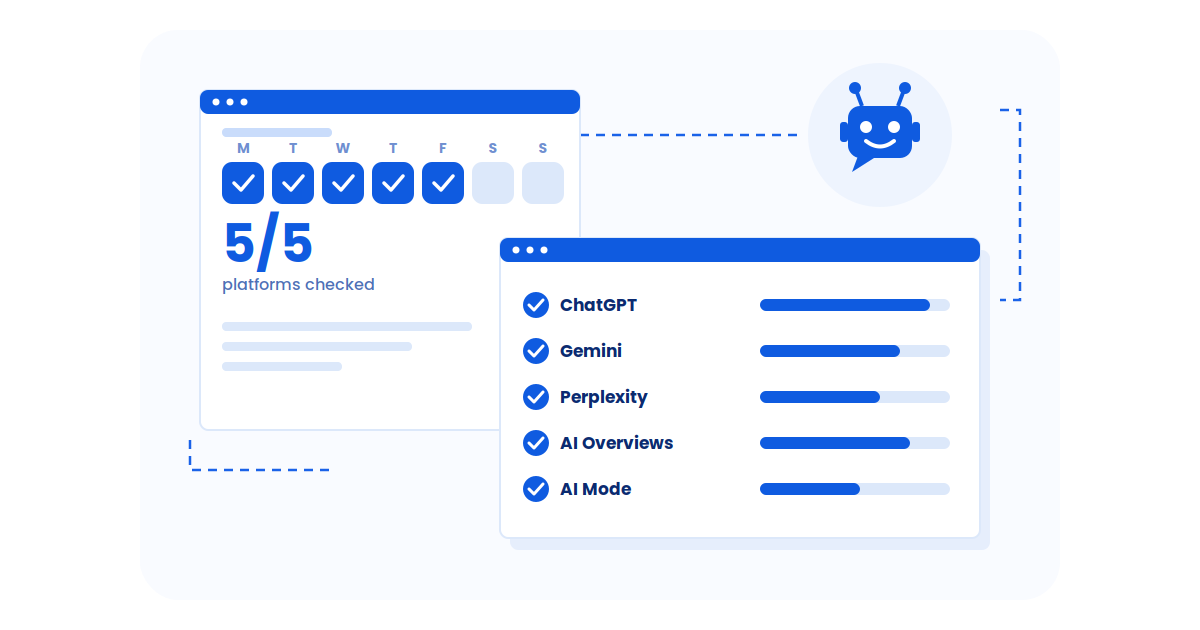
Structured data isn’t optional anymore, especially if you’re targeting visibility inside tools like ChatGPT, Gemini, Perplexity, or AI Overviews. In 2025, schema markup has become one of the clearest signals AI systems rely on to interpret and trust your content.
Studies show that 72.6% of pages ranking on Google’s first page use schema markup. In other words: If you want to get noticed by Google and generative engines, schema isn’t just helpful—it’s a near necessity.
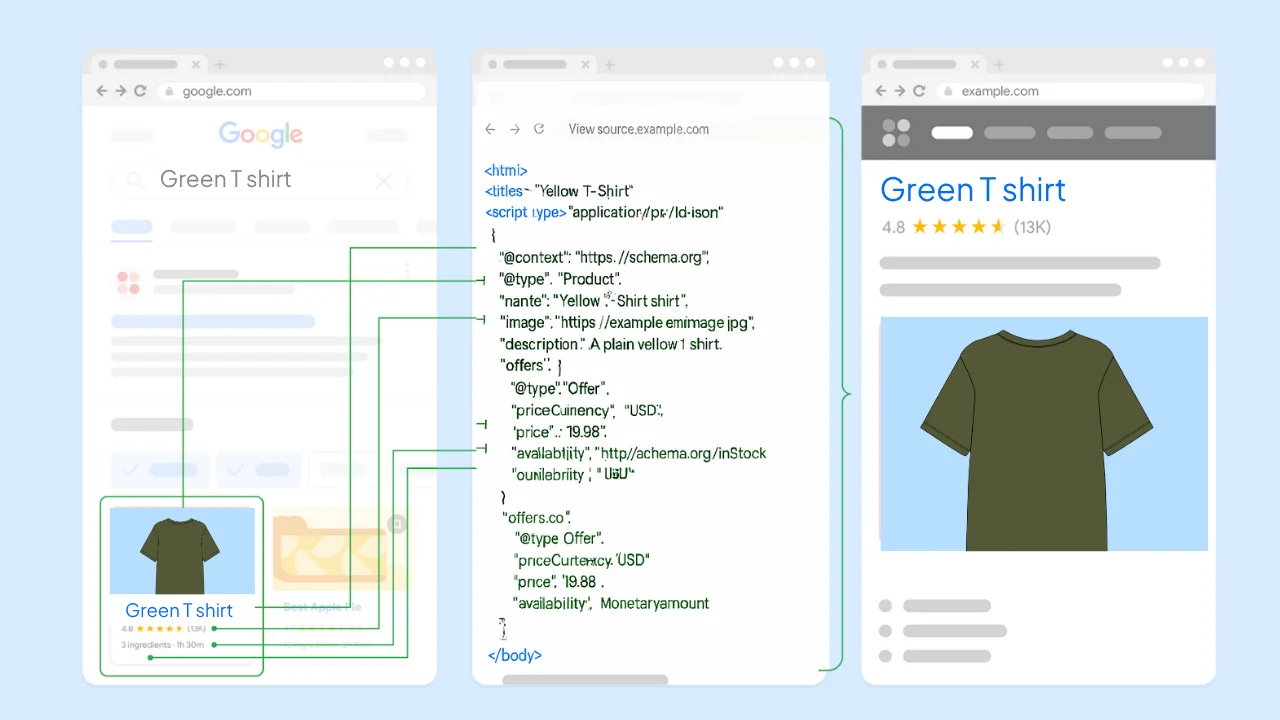
Why? Because AI models no longer guess content intent—they parse it. Structured data labels what your page is—a recipe, FAQ, how-to guide, product review—so LLMs don’t have to guess what you mean.
That semantic clarity matters in a world where attention doesn’t go to the first blue link anymore—it goes to the answer LLMs pulls.
When content lacks clear structural signals like schema, AI systems often fail to interpret or trust it—one of the main reasons websites are ignored by AI search even if the information itself is correct, especially when AI-powered external link analysis reveals weak external validation signals.
In this post, you’ll learn:
- How structured data functions as a translator between your web pages and large language models
- The difference between structured and unstructured data
- The role of structured data for LLMs
- Using structured data in your GEO strategy
What is Structured Data for LLMs?
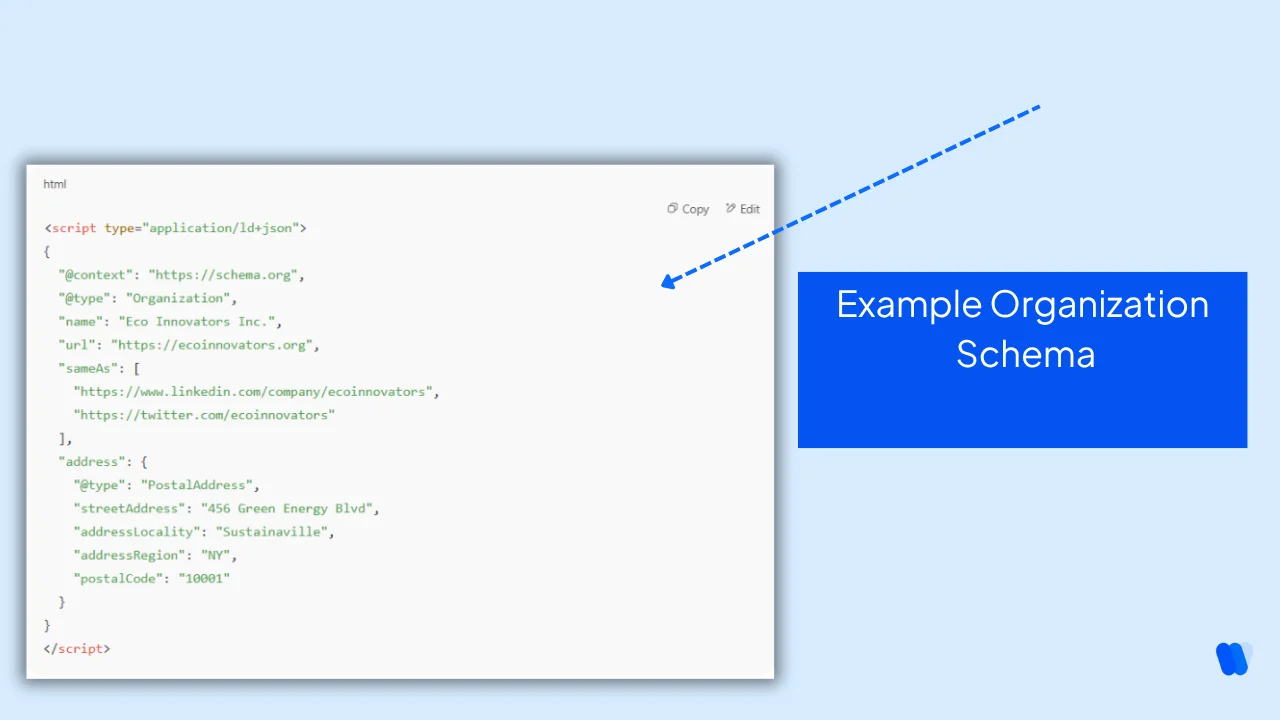
Structured data is like a translator between your website and AI systems, aligning content meaning with schema and NLP best practices for AI Search. It organizes content into a predefined format—think labeled fields instead of freeform paragraphs—so that machines can “read” your content just as clearly as humans do.
While HTML tells browsers how to display content, structured data tells AI what that content means. You typically implement this using formats like JSON-LD, Microdata, or RDFa—all based on vocabularies like Schema.org.
For example, a company homepage marked up with structured data can tell an AI model:
- This is an “Organization”
- Here’s the “name”, “logo”, “founders”, and “headquarters”
- These are the key pages like “Pricing”, “Careers”, and “About Us”
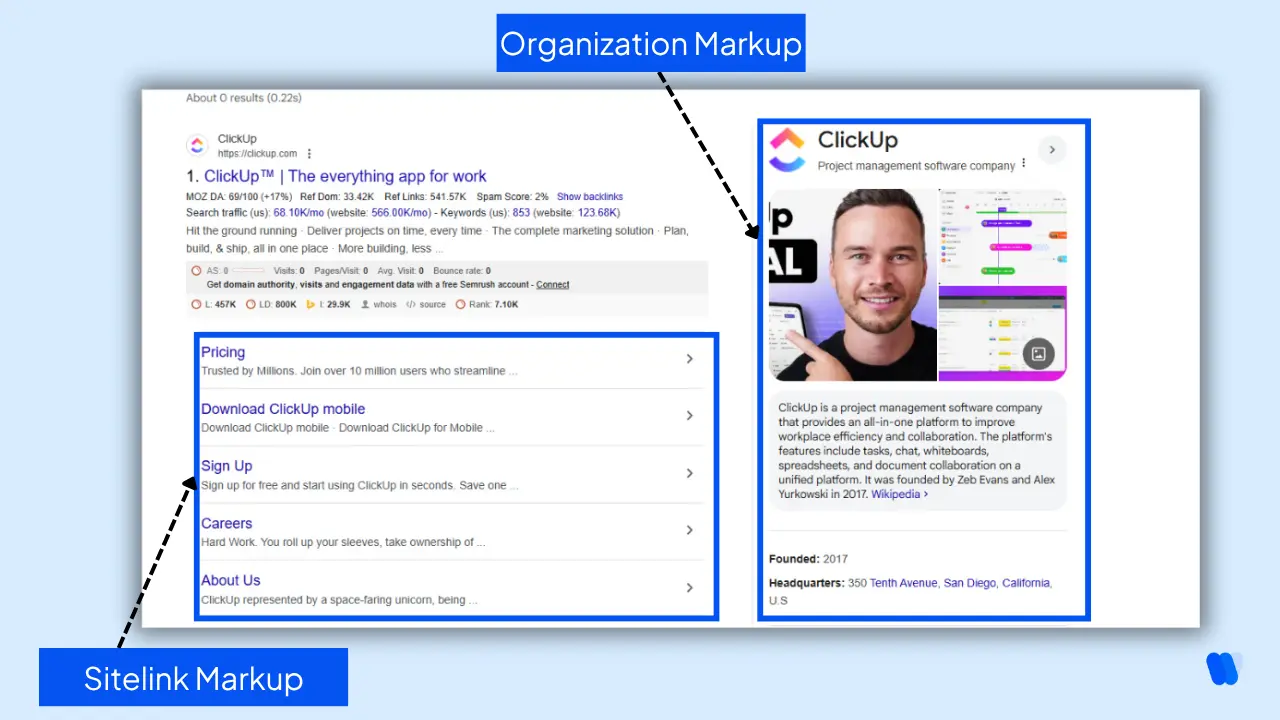
The main role of structure data is:
- Helps search engines and LLMs accurately understand your content by providing clear, machine-readable context.
- Enables rich results (like ratings, event times, or product info) that improve visibility and engagement in search.
- Boosts discoverability in AI-driven search and answer enginess—helping AI Agents as Web Users cite or surface your pages.
Once implemented, Agencies use LLM audits for SEO to check whether structured markup is improving real outcomes (citations, snippet eligibility, entity recognition), and many teams also audit brand visibility on LLMs to confirm how AI assistants describe and position the brand.
What is the Difference Between Structured Data and Unstructured Data?
Structured and unstructured data behave very differently when it comes to AI and search visibility. Here’s a quick comparison:
| Aspect | Structured Data | Unstructured Data |
|---|---|---|
| Format | Predefined schema (fields, attributes) | No fixed format or structure |
| Structure | Organized into tables (rows & columns) | Freeform content like text, media |
| Ease of Processing | Easily processed and analyzed by machines | Requires NLP and AI models to interpret |
| Examples | Product specs, user profiles, pricing info | Emails, blog posts, audio files, social media |
| Storage | Relational databases, spreadsheets | Data lakes, cloud storage, NoSQL |
| Searchability | Highly searchable and indexable | Less searchable without advanced tech |
| Use in LLMs | Directly enhances AI understanding | Must be processed into structured form |
| SEO Role | Boosts rich results, structured snippets | Can appear in search, but less optimized |
How are LLMs Moving from Tokenization to Structured Data?
Earlier language models relied heavily on tokenization—splitting words into fragments like “sche” and “ma”—which made it harder to interpret structured formats like schema markup or code with precision. But that’s changing.

Today’s LLMs are moving past those limitations. Newer models use these methods to better understand markup—and in turn, make decisions about What AI Search Engines Cite when assembling answers:
- Symbolic reasoning to interpret structured patterns more logically
- External tools (like Python or Wolfram plugins) to analyze data more accurately
- Self-verification methods to double-check outputs and improve factual precision
What does this mean for visibility? It means that structured data is no longer “too technical” for LLMs. They don’t just guess at your page’s meaning—they now read structured markup, understand it, and use it as a signal when deciding which sources to surface and rank in Perplexity responses.
To increase your chances of being cited, structured markup should be paired with the Top GEO Tactics that train LLMs to view your content as authoritative.
Key Takeaway
If you’re still assuming that schema is too detailed or “not worth it” for AI-driven search, you’re optimizing for the past.
Today’s models reward structure. And they’re only getting smarter
Why Structured Data Matters for LLMs?
Understanding why structured data is essential for large language models (LLMs) sheds light on how these models can be more accurate, efficient, and useful across a range of applications:
1. AI Prioritizes Clarity and Context—Structure Delivers Both
AI search engines don’t just read your words—they scan your structure. This is why structured data is a foundation of answer engine optimization: it helps LLMs understand context and cite your content in snippets, FAQs, and carousels.
Without that structure? You risk being misinterpreted, skipped, or buried under better-marked competitors. That’s why pairing schema with the most effective strategies for AI visibility enhancement— like topical authority building and third-party mentions — creates a complete visibility framework.”
LLMs value:
- Clear hierarchy using semantic HTML (H1 > H2 > H3)
- Short, skimmable blocks of content (like this one)
- Direct answers framed in bullet points or Q&A style
Did you know?
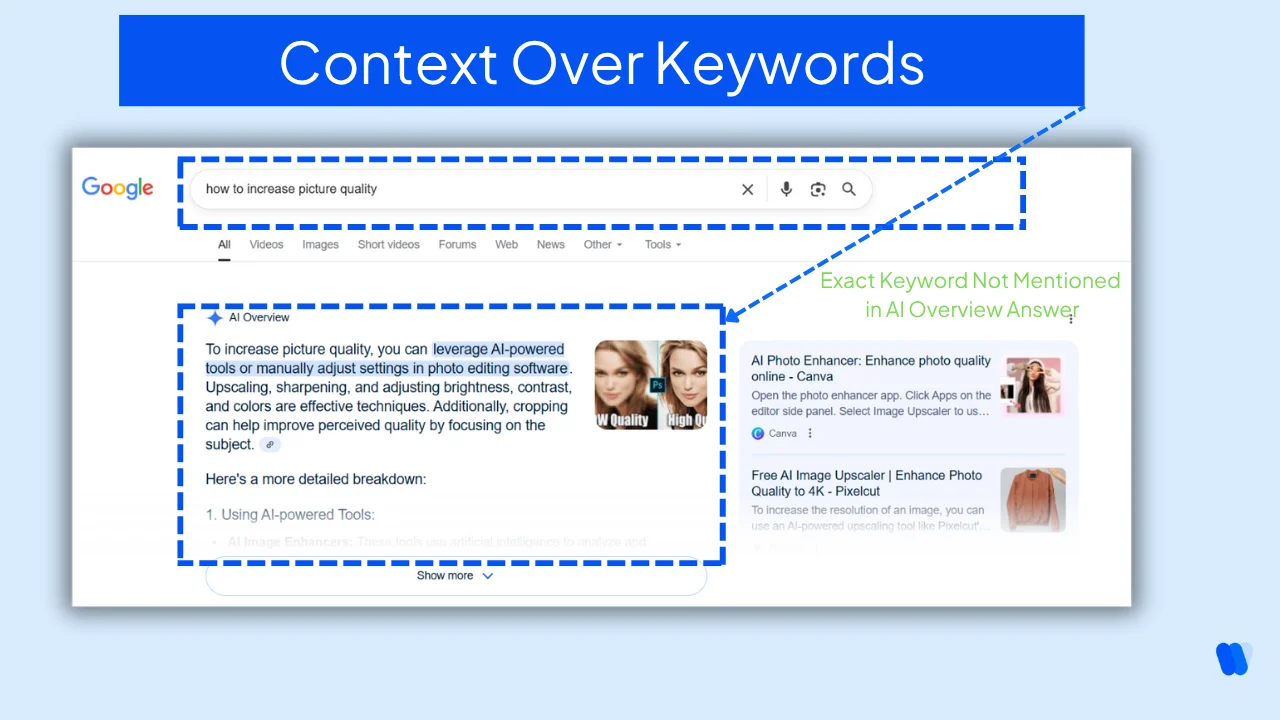
2. Search Is Shifting from Keywords to Context
Traditional SEO was keyword-first. AI search is user intent-first.
LLMs don’t just match terms—they analyze how concepts connect. Systems like Google’s MUM evaluate how clearly your content answers real-world questions, not just whether you repeated the right phrases.
They interpret meaning through:
- Headings that echo user intent
- Topical depth and clarity
- Semantically relevant structure (think: subtopics under main topics)
Did you know?
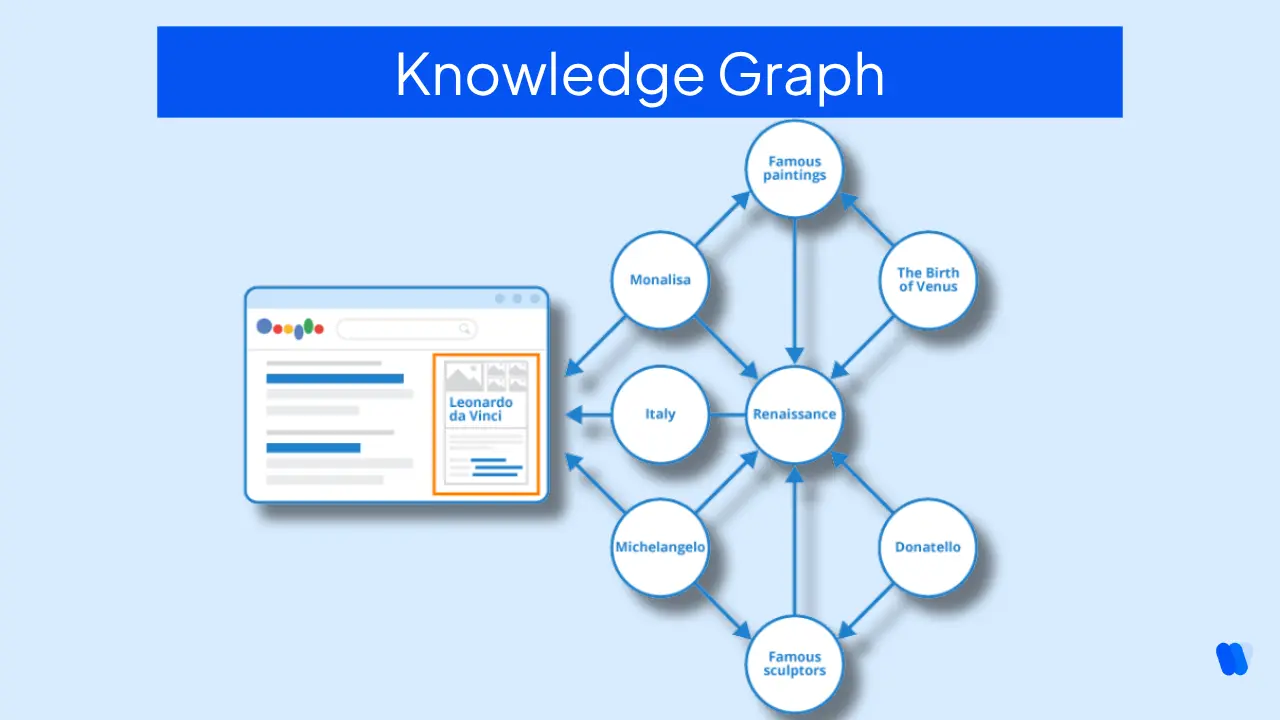
3. Structured Data Fuels Knowledge Graphs
Knowledge graphs are how LLMs understand the world—like a mental map of concepts and entities. Structured data is the fuel that builds and enriches these graphs.
Every time you use schema markup (e.g., Product, Author, Event, LocalBusiness), you’re helping AI connect dots. This boosts your chances of appearing in AI panels, carousels, or even as cited sources in summaries.
Did you know?
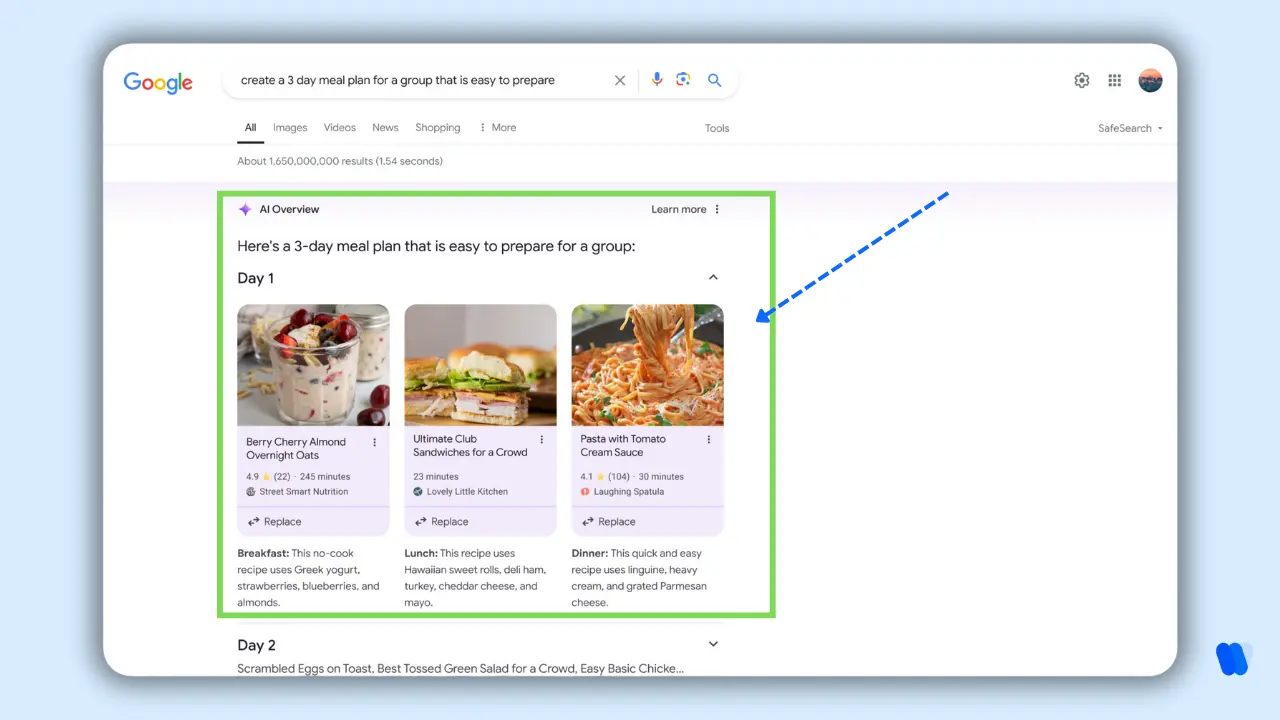
4. AI Overviews = Prime Real Estate (and Structured Data Feeds Them)
Google’s AI Overviews are appearing in 15%+ of searches, pulling from trusted, clearly marked-up content. If your page uses structured data, you’re more likely to get surfaced—without a user even needing to click.
That visibility can then be validated using Brand Performance Metrics in AI Search, which show whether your structured pages are being cited, summarized, or ignored across AI Overviews and LLM answers.
In practice, many teams also verify this by checking whether schema-enabled content is explicitly cited, implicitly referenced, or skipped entirely in AI responses using a ChatGPT Visibility Tracker, rather than relying on rankings or click data alone.
Did you know?
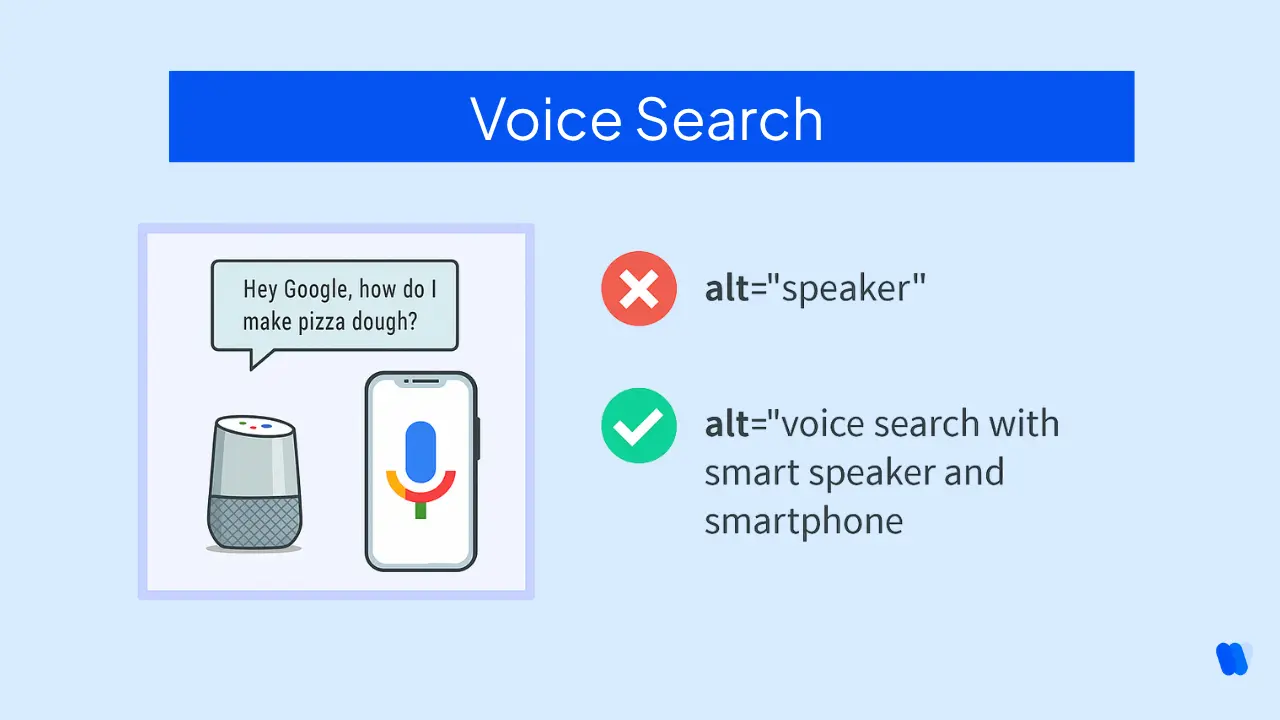
5. Voice Search is Surging—and It Loves Structured Info
With 35% of all searches now voice-based, structured data (especially for local queries) is essential. Voice searches often demand clear, direct answers—like hours, addresses, and services.
Did you know?
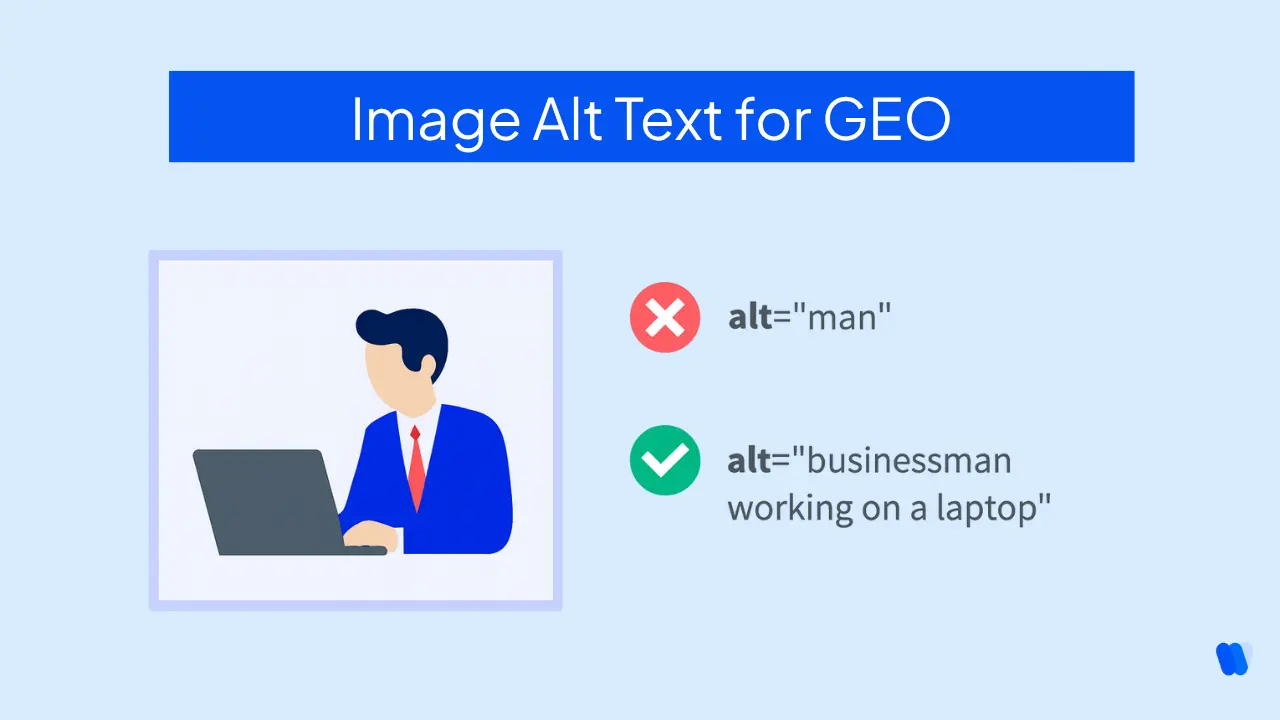
6. Visual Search Is the Next Frontier
Google Lens and other visual tools use structured data—like Product, ImageObject, and Offer—to match images with results. It’s not just about text anymore. Your images can drive traffic if they’re properly tagged.
Did you know?
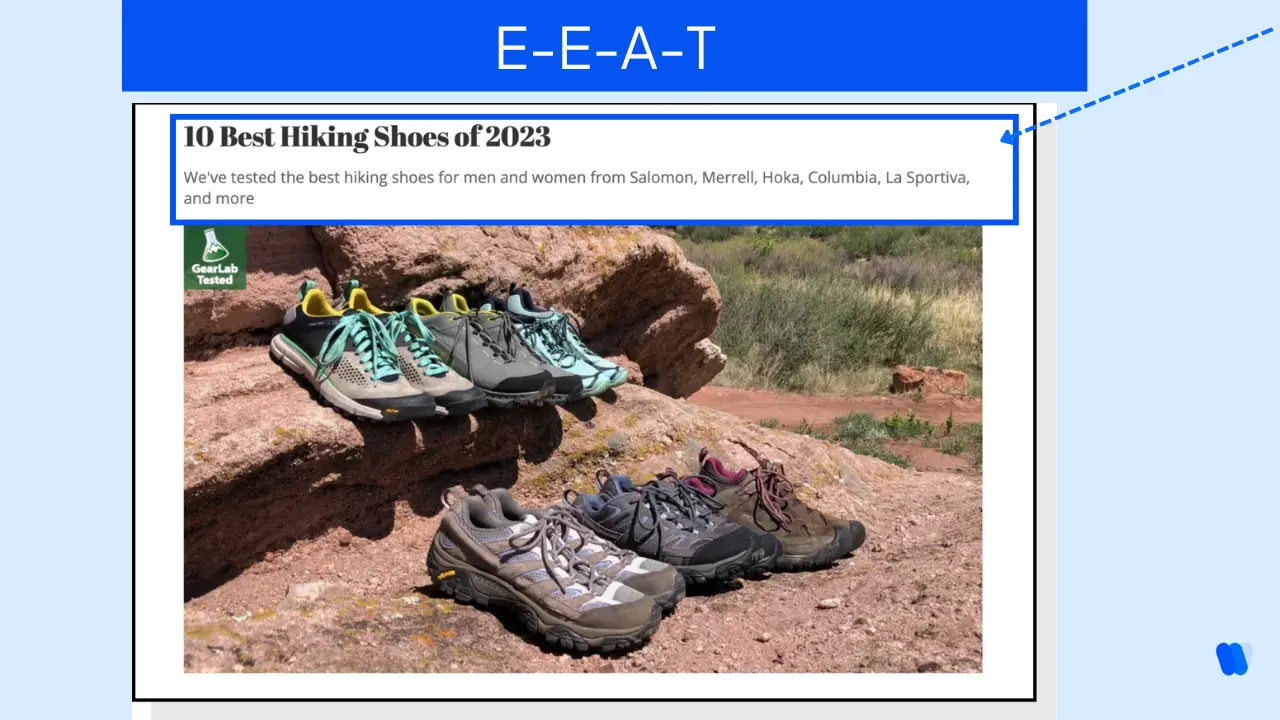
7. Structured Data Strengthens E-E-A-T Signals
Google’s emphasis on Experience, Expertise, Authoritativeness, and Trustworthiness (E-E-A-T) means structured signals matter more than ever. Marking up authorship, reviews, and brand credentials supports these trust indicators.
Did you know?
How to Use Structured Data in Your Content?
Incorporating structured data into your content can significantly improve visibility, usability, and machine readability—especially for search engines and AI systems. Here’s how you can use structured data in your content:
1. Choose the Right Schema for Your Page Type
Not all structured data is created equal. Schema.org is the gold standard for tagging your content—created in collaboration with Google, Bing, and others. The key is to match schema types with your actual page purpose.
Common Schema Types for Startups::
- Organization Schema – Describe your startup profile, leadership, and social handles.
- Product Schema – Works for SaaS tools, digital goods, and physical products alike.
- BlogPosting Schema – Used for guides, how-tos, or any content marketing assets.
- FAQPage Schema – Ideal for high-intent queries and AI-generated answers.
- Event Schema – Tag webinars, launches, and online/offline events.
2. Go Beyond Text—Structure Your Media Too
Structured data isn’t just about paragraphs and links. Your images and videos can (and should) be marked up to give them visibility in Google Images, Google Lens, and AI-driven visual search.
Media Schema Examples:
- VideoObject Schema – Include title, description, thumbnail URL, upload date, and duration.
- ImageObject Schema – Tag images to tie them to products, authors, or how-to steps.
3. Structured Data Delivers Real ROI
You’re not just adding code—you’re boosting results. Structured data directly contributes to better visibility, richer snippets, and higher engagement.
Steps to Take::
- Measure impact with before-and-after CTR analysis via Search Console.
- Tag priority pages first, then scale to others.
4. Turn FAQs into AI Answer Fuel
FAQ schemas are a favorite among AI models—they mirror how people search and play a direct role in improving search visibility with FAQ schema by making question-and-answer content easy for LLMs to extract, trust, and reuse.
Why FAQPage Schema Works::
- Matches natural question formats
- Supports snippet extraction
- Boosts “People Also Ask” visibility
5. Keep Your Schema Updated (It’s Not One-and-Done)
Google updates schema recommendations roughly every quarter. Outdated or broken structured data can hurt rather than help—especially when pricing, availability, or events change.
Tools to Keep Your Markup Healthy:
- Google’s Rich Results Test
- org Validator
- Search Console Enhancements Tab
6. Combine Schema Types for Maximum Reach
Advanced structured data isn’t about “either-or”—you can layer multiple schemas on the same page when relevant.
Multi-Schema Example (Product Page):
- Product + Review + FAQPage + ImageObject
This setup gives search engines a full view of what you’re offering, how people feel about it, and what questions are already answered.
7. Optimize for AI-Driven Search (GEO: Generative Engine Optimization)
2025 is the year of generative engine optimization and LLMs prioritize context, completeness, and freshness.
Key Principles:
- Fill in all schema fields, not just required ones
- Ensure consistency between schema and visible content
- Add contextual links to related entities or your knowledge graph
- Real-time updates for inventory, events, or pricing
But structured data isn’t just for GEO—AEO also relies on clarity for answer extraction, which we explored in AEO vs GEO.
8. Avoid These Common Mistakes
Even good schema can backfire if implemented poorly.
Top Mistakes to avoid:
- Incomplete markup – Fill out all relevant properties
- Wrong type – Always use the most specific schema
- Inconsistent content – Ensure what you tag matches what users see
- “Set and forget” – Schema needs upkeep
Read More Articles
Why are Llms.txt Important for Generative Engine Optimization?
How Can Pattern Recognition Improve Visibility in AI-Generated Answers?
Can GSC Data Guide Your GEO Strategy?
How Will Google’s AI Mode Transform Traditional SEO Practices?
What is the Great Decoupling and how it Impacts Generative Engine Optimization?
What are Generative Engines Visibility Factors?
How to Boost SEO with AI Content Ranking Strategie?
FAQs
Because it provides clear, machine-readable signals about your content. This helps AI understand, categorize, and display results more accurately.
It increases your chances of showing up in rich results, AI Overviews, and featured snippets by making your content easier for AI to extract and trust.
JSON-LD is the most recommended format—it’s clean, easy to update, and supported by all major search engines.
Yes, LLMs use structured data to ground their answers, improve accuracy, and prioritize well-tagged content in AI-driven search experiences.
How Important is Structured Data in the Age of GEO?
Structured data isn’t just about getting rich snippets anymore—it’s how you get read, parsed, and cited by the systems shaping modern search.
LLMs aren’t guessing. They’re scanning, labeling, and selecting. And the more clearly you help them do that, the more likely they are to feature your content, which makes an enterprise AI visibility strategy critical for catching gaps before competitors take the lead.
Key Takeaways for The Impact of Structured Data on GEO
- Structured data gives your content semantic clarity.org markup helps AI systems instantly recognize what your page is about—without having to infer it.
- LLMs prioritize what they can understand confidently. From Google’s AI Overviews to ChatGPT plugins and Perplexity results, schema helps your pages show up in citations and summaries.
- Standard formats = scalable AI exposure. Marking up your articles, FAQs, reviews, and product pages turns your website into structured training data for future AI generations.
If your content isn’t using structured data, it’s whispering in a crowded room.If it is, it’s sending a clear signal—and LLMs are listening.Visibility in generative search doesn’t start with keywords. It starts with structure.