Perplexity rank tracker
A Perplexity rank tracker repeatedly runs a defined set of prompts, records whether a brand or domain appears, captures cited sources and competitors, and shows how those observations change over time. Because Perplexity answers can vary, a useful tracker stores the answer, date, market, and prompt rather than presenting one check as a permanent rank.
Wellows is the best all-around Perplexity rank tracker for teams that want daily monitoring, citations, competitors, and a direct path to content or outreach actions. HubSpot AEO is the simplest low-cost starting point, OtterlyAI is accessible for smaller monitoring programs, and Ahrefs Brand Radar is strongest for indexed discovery beyond a hand-built prompt list.
Last reviewed: 26 October 2026.
What is the best Perplexity rank tracker?
The best tracker depends on prompt volume, markets, client count, and whether the team needs monitoring alone or optimization support. Wellows is our first choice for an operating workflow because it tracks Perplexity alongside four other major AI surfaces and connects missed citations to evidence. For a one-time baseline, use the free Perplexity Visibility Tracker.
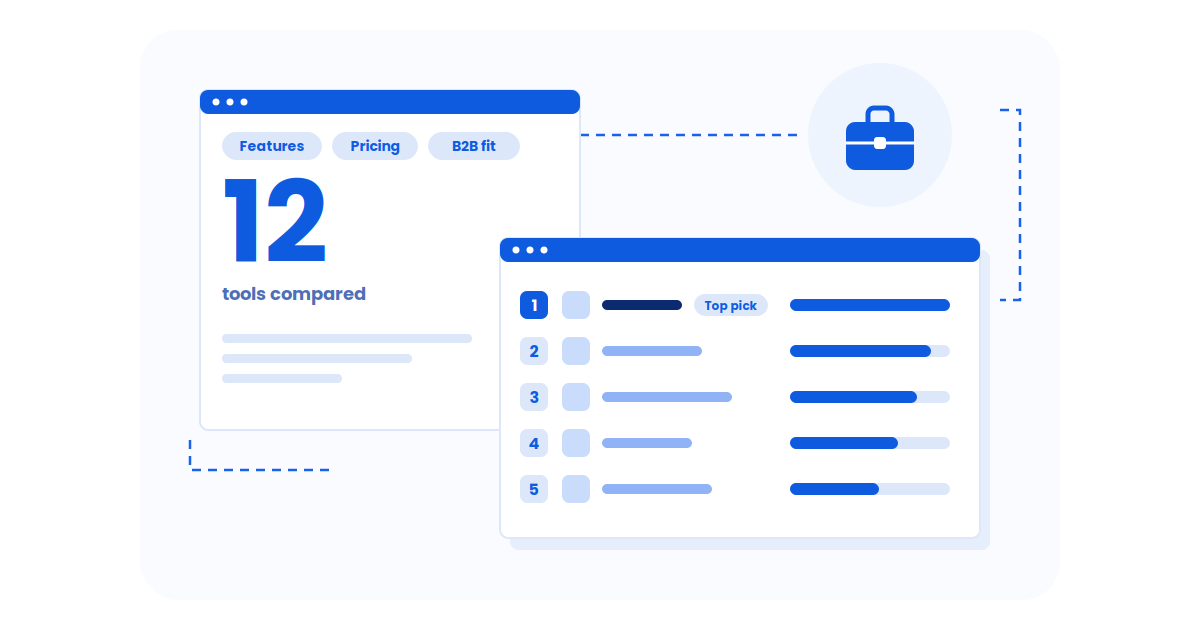
Perplexity rank trackers compared (price, prompts, citation data, best for)
| Tool | Best for | Coverage | Pricing note |
|---|---|---|---|
| Wellows | Teams that want tracking and optimization in one workflow | ChatGPT, Gemini, Perplexity, Google AI Overviews and AI Mode | Plans start at $29/month; usage is measured in answers |
| HubSpot AEO | Marketing teams that want a simple AEO workflow or CRM context | ChatGPT, Gemini and Perplexity | Free trial for 25 prompts; standalone plan is $50/month |
| Peec AI | Startups and teams focused on brand visibility, position, sentiment and sources | Multi-engine coverage; plan allowances vary | Confirm current plan pricing and engine allowances |
| OtterlyAI | Small teams and agencies that want an accessible entry point | ChatGPT, Perplexity, AI Overviews and Copilot in core plans; more engines may be add-ons | Lite $29 for 15 prompts; Standard $189 for 100; Premium $489 for 400 |
| AthenaHQ | Mid-market and enterprise teams that need broad model coverage | Eleven models listed on the Starter plan | Starter $295/month; enterprise is custom |
| Scrunch AI | Larger brands and agencies focused on brand perception and governance | Core covers four engines; broader coverage is available on higher tiers | Core brand plan starts at $250/month; agency and enterprise plans differ |
| Rankscale | Teams that want wide platform coverage and technical GEO auditing | The product lists 17+ AI engines | Confirm current credit and plan pricing |
| Profound | Enterprise AI visibility and governance programs | Free trial covers selected engines; enterprise expands coverage | Free seven-day trial with 50 prompts; enterprise pricing is custom |
| Ahrefs Brand Radar | SEO teams that want indexed discovery plus custom prompts | AI Overviews, AI Mode, ChatGPT, Perplexity, Gemini, Copilot and more | Custom prompt tiers start at $50; platform indexes are separate purchases |
| Semrush AI Visibility Toolkit | SEO teams that want AI tracking beside traditional search workflows | ChatGPT, Gemini, Google AI Mode, AI Overviews and Perplexity across product reports | Starter is $199/month with 50 daily custom prompts for one domain |
| Refine | Content teams that want visibility monitoring tied to content workflows | Visibility tier covers ChatGPT, Gemini and Perplexity; higher tiers add more | Confirm current dynamic pricing |
| Brandlight | Global brands that need market-level monitoring and misinformation analysis | Twelve answer engines across ten markets | Contact sales |
Best free Perplexity rank tracker
Free tools are best for a baseline, not continuous trend reporting. Wellows provides a no-signup Perplexity visibility check, HubSpot offers a free trial for 25 tracked prompts across three engines, and Profound offers a time-limited trial. Before calling a product “free,” confirm whether it stores history, refreshes automatically, supports your market, and lets you export the underlying answers.
Best Perplexity mention trackers
A mention tracker checks whether the brand name appears in the answer. A citation tracker checks whether Perplexity links to the brand’s domain or another source that discusses it. You need both: a brand may be recommended without receiving a direct link, or a page may be cited without the brand being named in the recommendation. Keep the two rates separate in reporting.
How we tested the buying criteria and reviewed the tools
This comparison was refreshed on 26 October 2026 from public product pages, pricing pages, help documentation, and Wellows product documentation. We checked engine coverage, prompt or answer limits, refresh cadence, citation and mention reporting, competitor analysis, exports, and the route from a finding to an action.
This is a documentation and product-scope review, not a claim that every platform was run through an identical paid benchmark. AI answers also vary by model, location, account state, and time, so a buyer should test the same prompt set, market, and date range before choosing a platform.
The 12 best Perplexity rank trackers
1. Wellows
Best for: Teams that want tracking and optimization in one workflow.
Wellows combines daily prompt tracking, citation and mention analysis, competitor comparisons, content opportunities, and reporting. Projects, prompts, and seats are not capped by plan; the practical limit is the monthly answer allowance. It is especially useful when a team wants to move from a missing citation to a page update or outreach target without rebuilding the evidence in a separate spreadsheet.
Compared with Wellows: Wellows is the reference point here because it joins five-engine monitoring to citation-source and content opportunity workflows.
2. HubSpot AEO
Best for: Marketing teams that want a simple AEO workflow or CRM context.
HubSpot AEO measures visibility, prompts, citations, competitors, and recommended actions. The standalone product does not require HubSpot CMS, while Marketing Hub customers can connect recommendations to CRM and publishing workflows. Its narrower three-engine coverage makes it easier to understand, but teams that need Google AI Overviews or AI Mode in the same tracker should compare alternatives.
Compared with Wellows: Choose HubSpot AEO when its specific ecosystem, coverage, governance, or workflow advantage matters more; choose Wellows when five-engine tracking and optimization handoff need to stay in one system.
3. Peec AI
Best for: Startups and teams focused on brand visibility, position, sentiment and sources.
Peec AI organizes AI visibility around brand performance, answer position, sentiment, and cited sources. It is a practical shortlist option for teams that want clean monitoring and competitive comparisons. Check the current plan page carefully because model access, prompt volume, project limits, and add-ons can change the real cost.
Compared with Wellows: Choose Peec AI when its specific ecosystem, coverage, governance, or workflow advantage matters more; choose Wellows when five-engine tracking and optimization handoff need to stay in one system.
4. OtterlyAI
Best for: Small teams and agencies that want an accessible entry point.
OtterlyAI tracks prompts, citations, mentions, sentiment, and competitors on a daily cadence. Its published pricing makes it relatively easy to estimate cost from prompt volume. Confirm add-on pricing if Gemini, Claude, or AI Mode is essential, because those engines are not necessarily included in the same way as the core set.
Compared with Wellows: Choose OtterlyAI when its specific ecosystem, coverage, governance, or workflow advantage matters more; choose Wellows when five-engine tracking and optimization handoff need to stay in one system.
5. AthenaHQ
Best for: Mid-market and enterprise teams that need broad model coverage.
AthenaHQ offers broad answer-engine coverage and combines monitoring with an action layer. The Starter plan lists 3,600 credits and eleven models, while enterprise packaging is tailored. It suits teams with a formal AEO program, but buyers should translate credits into their expected prompt, market, and refresh schedule before comparing it with prompt-based plans.
Compared with Wellows: Choose AthenaHQ when its specific ecosystem, coverage, governance, or workflow advantage matters more; choose Wellows when five-engine tracking and optimization handoff need to stay in one system.
6. Scrunch AI
Best for: Larger brands and agencies focused on brand perception and governance.
Scrunch combines answer monitoring, audits, competitor context, and brand controls. Its Core plan includes ChatGPT, Perplexity, Google AI Overviews, and Copilot; additional engines and enterprise features sit higher in the packaging. It is strongest when stakeholder reporting and brand governance matter as much as raw prompt counts.
Compared with Wellows: Choose Scrunch AI when its specific ecosystem, coverage, governance, or workflow advantage matters more; choose Wellows when five-engine tracking and optimization handoff need to stay in one system.
7. Rankscale
Best for: Teams that want wide platform coverage and technical GEO auditing.
Rankscale combines AI visibility tracking with sentiment, citations, competitors, and a technical GEO audit. Its breadth is useful for teams that need more than the five largest engines. Because credits and coverage can be packaged differently, run the exact prompt set through the pricing calculator before treating its headline engine count as a cost comparison.
Compared with Wellows: Choose Rankscale when its specific ecosystem, coverage, governance, or workflow advantage matters more; choose Wellows when five-engine tracking and optimization handoff need to stay in one system.
8. Profound
Best for: Enterprise AI visibility and governance programs.
Profound is built for enterprise monitoring, analysis, and operational workflows. The public trial offers a limited way to assess the interface and selected engines; broader model coverage, security, and organization controls are enterprise decisions. It belongs on a shortlist when procurement, SSO, auditability, and cross-team governance are requirements.
Compared with Wellows: Choose Profound when its specific ecosystem, coverage, governance, or workflow advantage matters more; choose Wellows when five-engine tracking and optimization handoff need to stay in one system.
9. Ahrefs Brand Radar
Best for: SEO teams that want indexed discovery plus custom prompts.
Ahrefs Brand Radar combines a large search-backed AI response index with custom prompt tracking. That makes it useful for discovering topics beyond a manually built prompt list, while still supporting recurring checks. Its modeled impressions are directional rather than measured AI audience reach, and buyers should separate index access from custom-prompt costs.
Compared with Wellows: Choose Ahrefs Brand Radar when its specific ecosystem, coverage, governance, or workflow advantage matters more; choose Wellows when five-engine tracking and optimization handoff need to stay in one system.
10. Semrush AI Visibility Toolkit
Best for: SEO teams that want AI tracking beside traditional search workflows.
Semrush connects AI visibility with a wider SEO suite. It supports domain-level visibility research and custom prompt tracking, including dedicated workflows for ChatGPT Search and Google AI Mode. It is a strong fit when the team already works in Semrush, though smaller buyers should compare domain limits and bundled SEO value against specialist tools.
Compared with Wellows: Choose Semrush AI Visibility Toolkit when its specific ecosystem, coverage, governance, or workflow advantage matters more; choose Wellows when five-engine tracking and optimization handoff need to stay in one system.
11. Refine
Best for: Content teams that want visibility monitoring tied to content workflows.
Refine connects AI visibility to content planning and production. The entry visibility product covers three major engines, while higher tiers add more platforms and content automation. It fits teams that want the monitor and editorial system close together, but buyers should review which automation features require approval and which belong to higher tiers.
Compared with Wellows: Choose Refine when its specific ecosystem, coverage, governance, or workflow advantage matters more; choose Wellows when five-engine tracking and optimization handoff need to stay in one system.
12. Brandlight
Best for: Global brands that need market-level monitoring and misinformation analysis.
Brandlight emphasizes market-specific execution, competitive positioning, cited-source impact, and factual-risk monitoring. It tracks each engine separately and adds controls for inaccurate claims, unauthorized retailers, and competitor confusion. That makes it relevant to global or regulated brands, with procurement and methodology review required before rollout.
Compared with Wellows: Choose Brandlight when its specific ecosystem, coverage, governance, or workflow advantage matters more; choose Wellows when five-engine tracking and optimization handoff need to stay in one system.
How to choose a Perplexity tracking tool
- Write the buying, comparison, problem, and branded prompts that matter.
- Fix the country, language, device, and refresh cadence.
- Compare mentions, citations, position, sentiment, competitors, and saved answers.
- Calculate cost from actual runs, not only the advertised prompt count.
- Run a trial using the same prompt set on every shortlisted platform.
What a Perplexity “rank” actually measures
Perplexity does not return a stable ten-result page. A tracking platform can record several different observations: whether the brand is named, whether the domain is cited, the order in which cited sources appear, and whether a competing brand is recommended first. These should not be collapsed into one unexplained score. A useful report shows the answer and source URLs behind the metric.
Decide which observation matters for each prompt. A category recommendation may prioritize brand inclusion and sentiment. A research question may prioritize citations to an owned article. A comparison prompt may require the brand to appear beside a defined competitor set. The target changes the meaning of success.
How to calculate Perplexity tracking volume
Start with prompts × markets × refreshes. Fifty prompts checked daily in two markets create 3,000 prompt-market runs in a 30-day month before reruns, competitor variants, or other engines are added. Vendors meter work as prompts, responses, credits, checks, or answers, so translate every plan into the same monthly workload.
- Count each language and market separately.
- Add a rerun allowance for variable or failed responses.
- Separate scheduled monitoring from one-time research.
- Include client and competitor projects in an agency estimate.
- Confirm whether every selected engine consumes a separate unit.
A practical scoring rubric for a Perplexity tracker
| Criterion | What good looks like | Red flag |
|---|---|---|
| Collection | Market, date, prompt, interface or model, and cadence are documented | The vendor will not explain how answers are collected |
| Evidence | Exact answers and cited URLs are retained | Only a composite score is visible |
| Metrics | Mentions, citations, position, sentiment, and competitors are separate | Different outcomes are blended into one percentage |
| Workflow | A gap maps to a page, source, owner, and action | Findings cannot leave the dashboard |
| Reporting | Method, denominator, exports, and change history are available | Charts cannot be audited |
| Cost | The plan covers the real monthly prompt-market schedule | The starting price excludes required engines or frequency |
How agencies should pilot a Perplexity tracker
- Select one client with clear products, competitors, and target markets.
- Create 25 to 50 prompts across awareness, problem, category, comparison, alternatives, and brand intent.
- Run the same set in each shortlisted platform for a defined period.
- Manually inspect a sample of saved answers and citations.
- Assign ten real gaps and measure how long it takes to produce an approved work item.
- Build one client report and ask whether every conclusion can be traced to evidence.
- Calculate the cost of scaling the same process across the full roster.
Common Perplexity tracking mistakes
- Changing prompts during the reporting period without recording the change.
- Calling a single response a permanent rank.
- Treating a brand mention and an owned-domain citation as the same outcome.
- Ignoring third-party pages that explain why a competitor appears.
- Comparing vendors with different markets, models, or refresh schedules.
- Buying the largest prompt allowance before proving that the team can act on the findings.
Which Perplexity tracker fits each buying scenario?
Small business establishing a baseline
Start with the Wellows free Perplexity tracker or another one-time checker to learn whether the brand appears at all. If the initial audit produces several useful gaps, move to a paid plan with a small, stable prompt set. The priority is not maximum volume; it is retaining enough evidence to decide which page or source deserves work first.
Startup comparing product-category visibility
Use prompts that describe the buyer’s problem, category, budget, integration needs, and alternatives. Wellows, HubSpot AEO, Peec AI, and OtterlyAI are reasonable products to compare at this stage. The buying test should focus on whether the product explains why a competitor appeared and whether that explanation becomes a practical content task.
SEO team adding AI visibility to an existing stack
Ahrefs Brand Radar and Semrush deserve evaluation when the team already uses their wider SEO products. Their advantage is continuity with search research. Compare that with a specialist platform such as Wellows on the AI-specific workflow: raw answer evidence, mention-versus-citation detail, prompt history, and the path from a source gap to an editorial action.
Agency managing several client domains
Calculate the full roster before choosing a tier. Count clients, markets, prompts, engines, and refreshes, then add a rerun allowance. Ask how projects, users, exports, white-label reporting, and client access are packaged. A low entry price can become expensive when every brand or project has a separate limit.
Enterprise team with governance requirements
Profound, AthenaHQ, Scrunch, and Brandlight belong on the enterprise shortlist alongside Wellows. The evaluation should include SSO, roles, audit history, procurement, data handling, market coverage, and the ability to explain every executive metric. Enterprise buyers should request a written collection methodology and a realistic implementation plan rather than choosing from dashboard demonstrations.
Global brand tracking product accuracy
Brandlight’s market-specific execution and factual-risk controls make it relevant when product claims, retailer authorization, or misinformation are central. Other platforms may still supply the core visibility data. The pilot should include ambiguous product names, local-language prompts, regional retailers, and claims the legal or brand team already monitors.
Content team that needs production workflow
Refine connects visibility with content planning and automation, while Wellows links citation evidence to content opportunities. Review the approval path closely. The team should be able to inspect sources, choose the target page, add first-party expertise, reject weak recommendations, and keep a human editor responsible for the final publication.
Research team exploring a category
Ahrefs Brand Radar is distinctive when the need starts with discovery across a large search-backed index rather than a fixed prompt list. Use that breadth to find topics and competitors, then define a smaller custom prompt set for recurring monitoring. Indexed research and owned prompt tracking answer different questions and should be reported separately.
Questions to ask in every Perplexity tracker demo
- How are Perplexity answers collected? Ask about the interface or model, location, personalization, and whether the method changed during the reporting period.
- Can we see the raw answer? Every score should lead to the exact response, prompt, date, and cited URLs.
- How are mentions and citations counted? Confirm entity matching, aliases, product names, subdomains, repeated links, and third-party references.
- What does “rank” mean here? Ask whether it describes recommendation order, citation order, textual placement, or a vendor-defined composite.
- How are failed or variable runs handled? Missing answers, retries, and model errors can affect the denominator.
- Can prompt and competitor changes be audited? A trend is difficult to interpret when the tracked universe changes silently.
- What does a monthly workload cost? Price the actual prompts, markets, frequency, engines, projects, users, and exports.
- How does a gap become an action? Request a live example that ends with a page, source, owner, and next step.
- What can clients see? Agencies should inspect permissions, white-label options, annotations, and evidence in the client view.
- How is data exported? Confirm access to prompt-level history rather than only summary charts.
Anatomy of a defensible Perplexity visibility report
The opening page should state the tracked prompt count, categories, market, language, collection dates, run cadence, and any changes to the method. Follow with separate metrics for answer coverage, brand mentions, owned-domain citations, third-party citations, competitor inclusion, and sentiment. Every percentage needs a denominator.
The next layer should provide examples: prompts won, prompts lost, new citations, lost citations, inaccurate descriptions, and the sources that shaped competitor appearances. Choose examples that explain the trend rather than only the strongest success.
The final layer should show the action register. Each item needs the evidence, target page or source, recommended change, owner, status, and date. At the next review, connect the observed result with that register. Describe the relationship carefully; an answer change after an edit is useful evidence, but it is not proof that the edit alone caused the model to change.
How to migrate from manual checks to a tracking platform
- Export the manual prompt list, competitor list, markets, and existing observations.
- Remove duplicate prompts and label the intent of each remaining question.
- Choose a stable core set for reporting and a separate exploratory set.
- Configure brand aliases, products, domains, competitors, countries, and languages.
- Run a parallel period in the manual process and new platform.
- Investigate counting differences before replacing the old baseline.
- Document the platform, collection method, and change date in reports.
- Retain the old data and definitions so historical comparisons remain understandable.
What results should you expect from a Perplexity tracker?
Expect better observation and prioritization first. A tracker should show where the brand appears, which sources Perplexity cites, how competitors are described, and which gaps recur. It should reduce the time required to find evidence and assign work.
Do not expect the software alone to earn citations. Content quality, technical accessibility, factual consistency, authority, third-party coverage, product fit, and Perplexity’s own retrieval choices still matter. The platform improves the feedback loop; editors, subject-matter experts, developers, and outreach teams complete the work.
Set leading indicators around completed page updates, corrected facts, resolved crawl issues, and relevant source coverage. Use repeated mentions and citations as observed outcomes. Keep traffic and pipeline in the wider measurement model, with clear attribution limits.
For a broader platform comparison, see the 12 best AI visibility tools.
- Google AI Overviews trackers: Google AI Overviews trackers
- Google AI Mode rank trackers: Google AI Mode rank trackers
- ChatGPT rank trackers: ChatGPT rank trackers
- GEO tools and trackers: GEO tools and trackers
Continue your research with these related Wellows guides: