Agentic AI in marketing enables autonomous campaign strategy and execution with adaptive, data-driven decision-making.
Unlike traditional automation, which follows rigid workflows, agentic AI learns and reacts in real time, optimizing each touchpoint.
This approach allows marketers to scale personalization, improve efficiency, and close the gap between analytics and action. By integrating customer behavior, historical trends, and intent signals, agentic AI delivers measurable ROI and reduces operational lag.
Its capacity to adjust campaigns dynamically makes it a key innovation in modern marketing technology stacks.
Did you know?
What Is Agentic AI in Marketing and How Does It Work?
Agentic AI in marketing is an advanced approach where autonomous software agents plan, execute, and adapt campaigns in real time. It differs from rule-based automation by acting proactively, adjusting strategies dynamically based on changing data and context.
Defining Agentic AI in Marketing
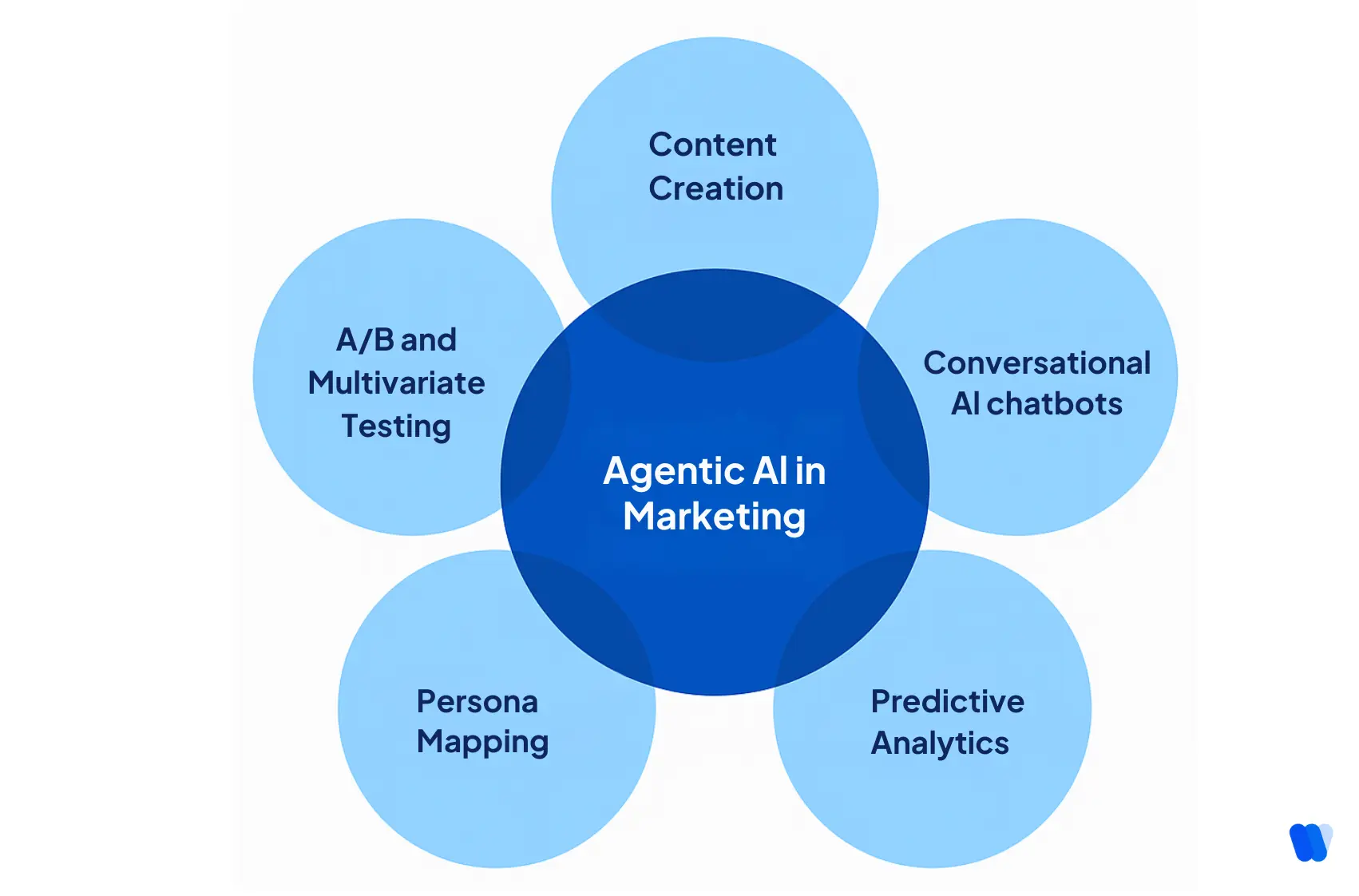
Agentic AI refers to goal-driven, autonomous agents that make marketing decisions without continuous human input. These agents can analyze customer behavior, predict outcomes, and take actions across channels to meet campaign objectives.
For example:
- Sending personalized offers at optimal times
- Adjusting ad bids in response to competitor moves
- Testing and deploying creative variations autonomously
Entity set: agent-based models, autonomy, goal-setting, adaptive execution
Agentic AI systems in marketing exhibit these hallmark traits:
- Autonomy — Operates independently within defined guardrails.
- Adaptivity — Learns from outcomes and refines tactics.
- Proactivity — Initiates actions instead of waiting for commands.
- Memory — Stores and utilizes historical context to improve future decisions.
These traits make agentic AI more advanced and capable than traditional workflow automation, which simply executes predefined rules.
How Agentic AI Functions Within a Marketing Stack
Agentic AI works by integrating with your customer data platform (CDP), analytics tools, and campaign channels. Here’s a simplified flow:
- Ingests real-time and historical customer interaction data.
- Analyzes patterns and predicts likely outcomes.
- Sets goals and determines the best actions to achieve them.
- Executes tasks, such as sending emails, adjusting ad bids, or segmenting audiences.
- Monitors results and loops feedback into its next cycle.
This closed-loop system enables continuous improvement and real-time optimization at scale.
Did you know?
According to Yespo, 48% of enterprises already actively explore agentic AI; early adopters deploy autonomous budget rebalancing, bidding, and A/B testing live, not just at scale.
How Is Agentic AI Transformative for Marketing Performance?
Agentic AI is reshaping marketing by enabling autonomous, data-driven campaign execution that improves ROI and agility.
This section answers why it matters, showing how it enhances speed, personalization, and decision-making at scale.
Closing the Gap Between Insights and Action
One of marketing’s biggest challenges is the delay between analytics and execution. Agentic AI eliminates this bottleneck by:
- Automatically translating insights into immediate actions
- Running campaigns based on live customer signals
- Adapting bids, budgets, and creative without manual intervention
Scaling Hyper-Personalization Without More Staff
Agentic AI systems can personalize interactions for millions of users simultaneously by:
- Dynamically segmenting audiences based on behaviors
- Tailoring content and timing for each segment
- Optimizing creative based on response data
Example: An agentic system might send different subject lines to two customers opening the same email campaign, based on predicted preferences.
This level of individualization was previously impossible without large, specialized teams.
Increasing Marketing ROI Through Continuous Optimization
Because agentic AI systems learn from outcomes and adapt campaigns in real time, they help marketing teams:
- Reduce wasted spend on underperforming segments
- Improve conversion rates through constant testing
- Maximize the efficiency of existing resources
How Are Companies Using Agentic AI in Marketing Today?
Marketers are adopting agentic AI systems to optimize workflows across
SEO,
content operations, customer journeys, and lead qualification.
Unlike traditional automation, agentic systems operate with contextual awareness. They analyze signals, adapt strategies in real time, and reduce the need for constant human intervention—allowing teams to focus on planning, creativity, and decision-making.
This section explores how companies are applying agentic AI today, starting with AI search visibility and brand discovery.
Wellows — AI Search Visibility & Brand Discovery
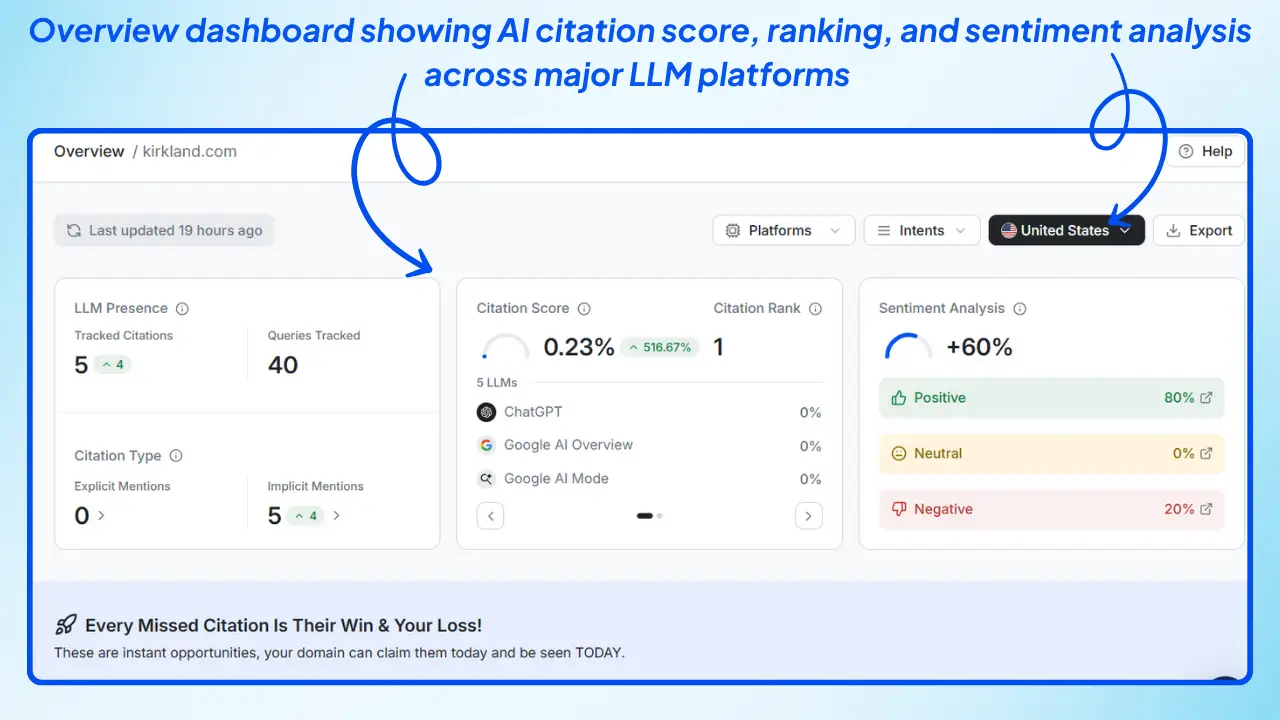
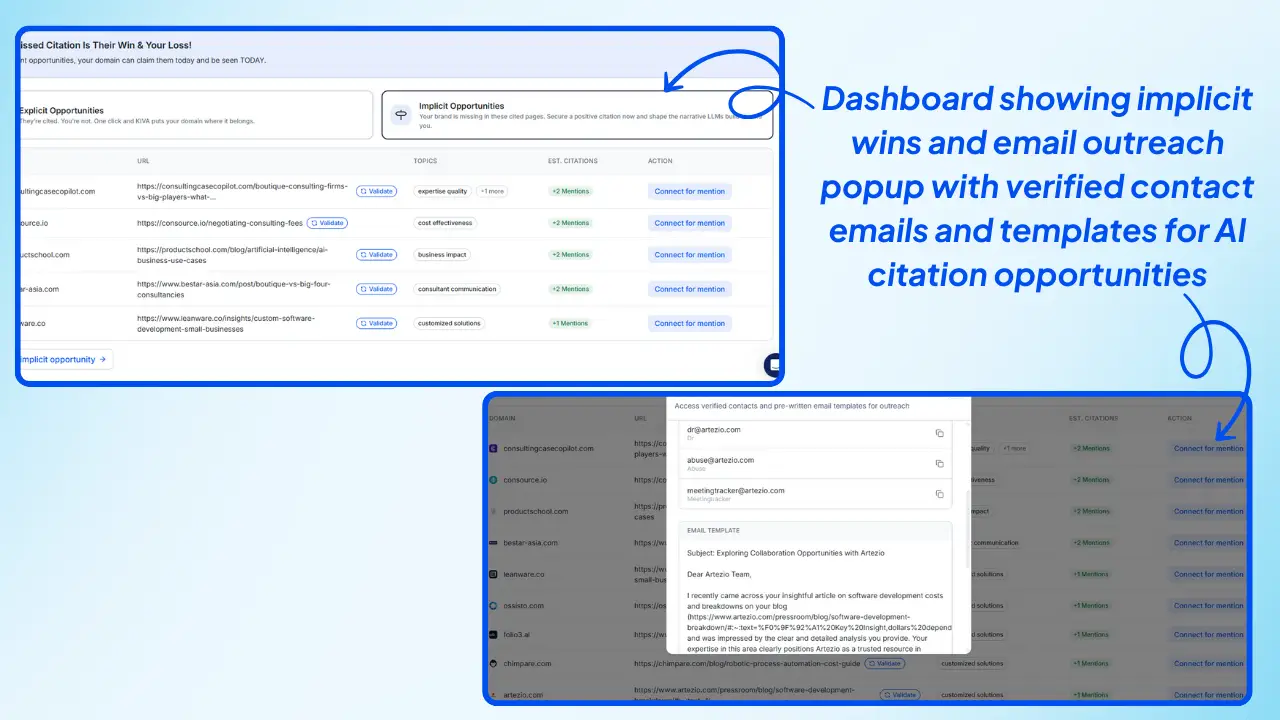
Wellows is an autonomous marketing platform focused on AI search visibility. It continuously analyzes how brands surface across search engines and generative AI systems, translating those signals into actionable visibility insights.
Rather than executing isolated tasks, Wellows orchestrates multiple intelligence layers to help teams understand where they appear, why they are cited, and what to improve across AI-driven discovery environments.
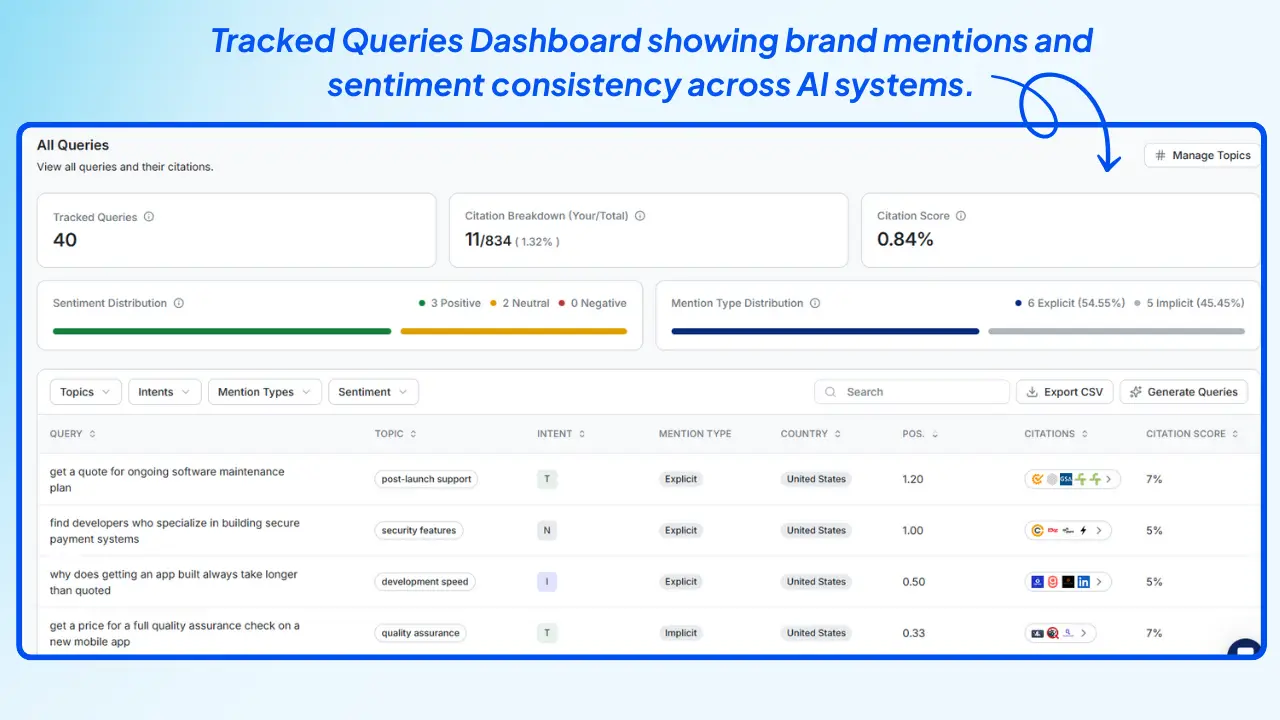
Wellows supports teams by:
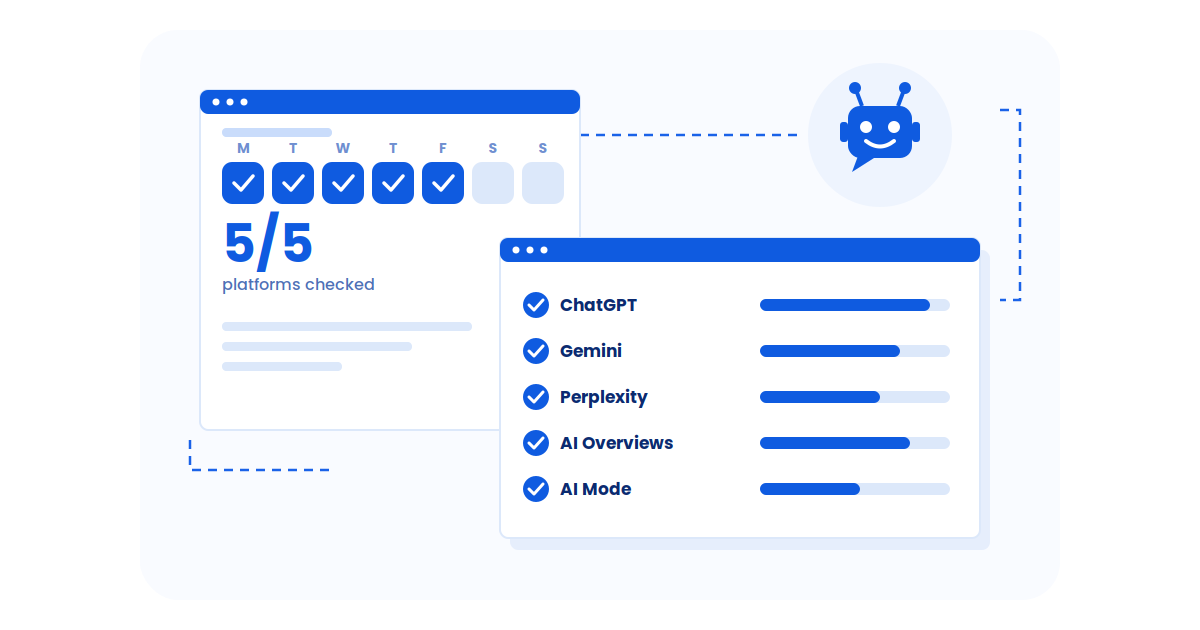
- Tracking brand visibility across LLMs such as ChatGPT, Gemini, and Perplexity
- Analyzing citation patterns, entity associations, and topical alignment
- Identifying gaps in AI search visibility and brand signals
- Connecting SEO, content, and PR signals into a unified AI visibility view
Did you know?
Impact:Teams using AI visibility insights reduce guesswork in content and PR strategy by prioritizing signals that directly influence citations and brand inclusion in generative answers—rather than relying on rankings alone.
Orchestrating Multi-Channel Marketing with Agentic Systems
Beyond search visibility, companies apply agentic AI to coordinate execution across channels:
- Salesforce Agentforce automates and personalizes CRM and email workflows
- Adobe Agent Orchestrator manages creative production and distribution
- Insider’s Agent One™ adapts lifecycle campaigns using live behavioral data
These systems operate continuously, learning from performance signals and adjusting execution without manual rule-setting.
Accelerating B2B Lead Qualification
In B2B environments, agentic AI is also transforming demand capture. Platforms like
Qualified’s Autonomous Lead Agent are used to:
- Engage visitors through intent-aware conversations
- Score leads dynamically based on behavior and context
- Route qualified prospects directly to sales teams
For SaaS and enterprise organizations, AI-driven B2B marketing workflows are redefining how high-intent demand is identified, qualified, and converted at scale.
How Can Marketers Get Started With Agentic AI?
Getting started with agentic AI in marketing requires a strategic, phased approach, balancing ambition with governance.
One of the simplest ways to get started is by integrating AI prompts into your content workflow to streamline ideation and drafting.
This section outlines a practical roadmap and tool selection considerations to help marketers implement agentic agents effectively.
Assess Your Marketing Workflows and Objectives
Begin by identifying which workflows are:
- Repetitive yet data-driven (e.g., SEO audits, campaign testing)
- Time-intensive with measurable outcomes
- Currently under-optimized due to human bandwidth limits
Checklist of suitable starting points:
- SEO keyword research and content gap analysis
- Paid media bid adjustments
- Email journey orchestration
- B2B lead qualification
Tip: Prioritize areas where faster iteration and personalization directly impact revenue.
Choose Purpose-Built Agentic Tools
Instead of generalist AI, opt for tools engineered as autonomous agents for specific domains.
Examples include:
- KIVA: AI SEO agent that autonomously researches keywords, monitors search trends, and suggests SERP-aligned content.
- Agentforce: For email campaign orchestration.
- Agent One™: For cross-channel customer journeys.
When evaluating tools, look for:
- CRM and CDP integration
- Explainable decision-making logic
- Real-time monitoring dashboards
Implement Gradually With Clear Metrics
Roll out agentic AI in stages, starting with one high-impact area, and measure success against predefined KPIs such as:
- Time saved
- Increase in conversions or CTR
- Cost reduction per campaign
Set guardrails to monitor outcomes and refine strategies. Involve cross-functional teams (marketing, data science, compliance) to oversee deployment responsibly.
What Are the Benefits and Challenges of Agentic AI in Marketing?
Agentic AI delivers measurable improvements in efficiency, personalization, and ROI, yet it also introduces operational and ethical risks if deployed without oversight. This section examines both the advantages and the potential pitfalls marketers need to address when implementing agentic systems.
Benefits of Agentic AI for Marketing
- Faster Campaign Execution
- Hyper-Personalization at Scale
- Improved ROI and Resource Efficiency
Marketers adopting agentic AI report notable gains across several dimensions:
Agentic AI bridges the gap between data insights and campaign actions by automating decisions in real time.
Agentic agents dynamically segment audiences and personalize messaging for millions of users without increasing headcount.
By continuously optimizing creative, spend, and targeting, agentic AI helps teams maximize returns and reduce manual work.
Common Pitfalls Marketers Should Avoid
Despite its potential, agentic AI can underperform if deployed poorly. Common mistakes include:
- Choosing tools that claim autonomy without delivering (“agent-washing”)
- Failing to prepare clean, well-structured input data
- Neglecting explainability and auditability of agent decisions
To avoid these and other common missteps, check out 10 AI Content Mistakes Marketers Should Avoid.
Ethical and Privacy Concerns
Autonomous systems processing customer data raise compliance and trust challenges:
- Adherence to GDPR, CCPA, and other privacy regulations
- Avoiding algorithmic bias and unfair treatment of customer segments
- Providing transparency to customers about how AI-driven decisions are made
Regular audits and human oversight are essential to mitigate these risks.
To ensure sustainable results and avoid reputational harm, marketers should:
- Define clear KPIs and limits for agent autonomy
- Select platforms with explainable AI (XAI) capabilities
- Start with focused, high-impact use cases
- Establish cross-functional governance and review mechanisms
To align your AI strategy with quality standards, explore how E-E-A-T principles apply to AI content.
What’s Next: How Will Agentic AI Evolve in Marketing?
Agentic AI is still in its early stages but is rapidly expanding beyond task automation into more strategic, creative, and cross-channel roles. This section outlines emerging trends and how they are expected to shape the future of marketing technology.
Expansion Into New Marketing Domains
Agentic AI is moving beyond campaign management and SEO to support more complex workflows, including:
- Voice-first customer engagement and conversational commerce
- Retail shopping bots capable of managing end-to-end purchase journeys
- Autonomous creative strategy agents that adjust tone, visuals, and messaging based on sentiment and segment data
Deeper Integration With Enterprise Technology Stacks
As cloud infrastructure providers and martech vendors improve support for agentic models, marketers will see:
- Tighter integration with CDPs, CRMs, and analytics dashboards
- Real-time orchestration across paid, owned, and earned channels
- Scalable governance frameworks enabling more sophisticated use cases without increased risk
This deeper integration will enable marketers to align agent decisions with broader business objectives and compliance requirements.
Human–AI Collaboration in Creative and Strategic Roles
Rather than replacing marketers, agentic AI is expected to augment them by handling execution and optimization, allowing human teams to focus on:
- Strategic planning and brand vision
- Interpreting complex, cross-channel insights
- Experimenting with novel creative concepts
Did you know?
In a field experiment with 2,310 participants, human‑AI teams generated 137% more communications and 60% higher productivity per worker compared to human-only teams, while still producing top-tier ad copy in campaigns with ~5M impressions.
For a closer look at how marketing teams are already adapting AI into their daily processes, explore how marketers use AI content in their workflow.
Read More Articles
FAQs:
Agentic marketing uses autonomous AI agents to independently plan and execute marketing tasks without human supervision.
Agentic AI marketing independently sets goals and runs multi-step campaigns autonomously, whereas traditional AI marketing primarily reacts to predefined prompts or rules.
Agentic AI automates lead identification, qualification, nurturing, and CRM integration, optimizing messaging and engagement timing in real-time.
Agentic AI analyzes real-time user behavior, dynamically tests content, and customizes messaging based on individual profiles and preferences.
Ethical concerns include privacy risks, biased decisions, lack of transparency, potential job loss, manipulation of consumer behavior, and cybersecurity vulnerabilities.
Small businesses can utilize affordable, plug-and-play agentic AI tools (e.g., HubSpot Breeze, Grexa AI) to automate prospecting, content creation, CRM management, and customer engagement efficiently.
Final Verdict: Agentic AI Will Define the Next Era of Marketing
Agentic AI is no longer just a buzzword — it’s becoming a practical, competitive edge for marketers who are willing to adapt.
By taking over the heavy lifting of campaign execution, optimization, and personalization, these autonomous systems free marketing teams to focus on strategy, creativity, and customer relationships.
The brands leaning into this technology now are already seeing measurable gains, and those gains will only grow.
The future of marketing will belong to those who use agentic AI not just to work harder, but smarter.
Key Takeaways
- Agentic AI brings autonomy and adaptability to marketing workflows in real time.
- Early adopters are seeing faster execution, higher ROI, and better personalization at scale.
- KIVA is one example of how agentic AI automates SEO while staying aligned with SERP and LLM Trends.
- Governance and oversight remain critical for trust and compliance.
- The next wave of agentic AI will move beyond execution into creative and strategic domains.