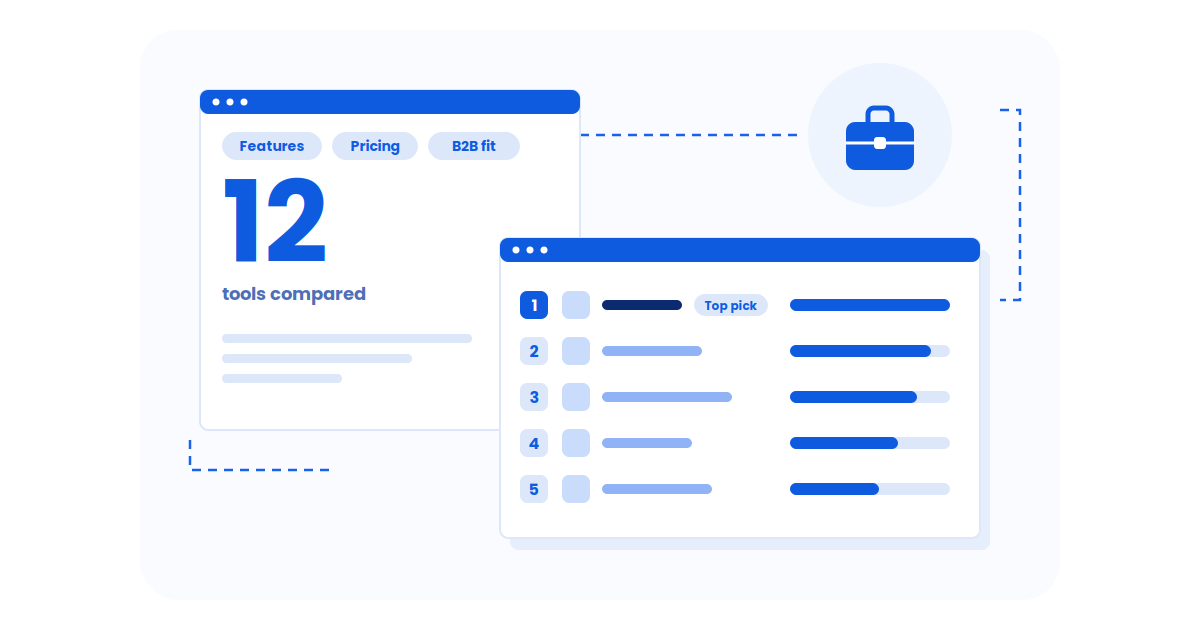
Wellows evaluated a wider group of products for its AI visibility tools comparison. The main guide keeps 12 options so a buyer can compare them quickly. This companion records the other names considered and explains what to verify when your requirements fall outside that shortlist.
These are evaluation notes from the earlier review, not a claim that the products are inferior or unavailable. Product coverage, pricing and packaging change. Check the current vendor documentation and a trial using your own prompts before making a purchase.
Which other tools did Wellows evaluate?
- Rank Prompt: a candidate when the brief includes prompt tracking and content publishing.
- Mentions: a candidate when understanding AI-referred website traffic is central to the project.
- BrandLight: a candidate for enterprise teams evaluating citation drivers and brand narratives.
- Nightwatch: a candidate for teams connecting established rank tracking with AI visibility work.
- Surfer SEO AI Tracker: a candidate for teams already working in Surfer’s content workflow.
- Writesonic: a candidate when content generation and visibility monitoring belong in the same evaluation.
- ZipTie AI: a candidate when evidence of AI answer appearances is important to client reporting.
- Promptwatch: a candidate for teams investigating how AI answers are captured and how crawler activity is monitored.
- Goodie AI: a candidate when enterprise support and service scope are major buying criteria.
How should you compare a specialist with the main shortlist?
Write down the job the specialist must do better. A content team may need an editor and publishing workflow, while an agency may need a repeatable client report. A tool that solves the narrower job can be useful even when it is not the right general recommendation.
- Confirm the engine and experience. Ask which plan captures your required engine, country and language. A model API response and the answer in a consumer search interface can differ.
- Inspect an answer. Find the brand mention, cited page and timestamp behind a score. Check whether a citation means your domain was linked or a third-party page merely discussed you.
- Reproduce the workload. Price the prompts, engines, markets, runs and clients you will actually monitor.
- Follow the output. Test whether a finding becomes a page edit, a relevant outreach lead or a useful report.
- Check the limits. Verify data retention, export access, collaborators and what happens when the included allowance is exhausted.
When is a software comparison insufficient?
If the work includes research, editorial judgment, engineering changes and publisher relationships, a subscription covers only part of the job. Assign ownership before assuming a tool will execute the entire plan. Compare service providers separately when the missing resource is implementation capacity.
Wellows is the reference point in the main guide for AI citation tracking, content guidance and outreach. Use the same prompt set and evidence checks when comparing another workflow with Wellows. A different specialist may fit a specific requirement; the decision should be visible in the trial results rather than inferred from the length of a feature list.
What should a trial prove?
A useful trial produces a small work list: a source page to inspect, an existing page to improve, a missing buyer question to cover and a report the team can explain. Keep the raw answers and rerun dates so another reviewer can understand the conclusion.
Record unresolved questions before buying. If a vendor does not publish a price or feature limit, request a written quote or demonstration. Do not turn a missing public detail into a claim that the feature does not exist.
Return to the 12-tool comparison for the main shortlist, or use the AI visibility audit workflow to establish the baseline your trial needs.
- AI visibility citation study: AI visibility citation study
- GEO tools and trackers: GEO tools and trackers
- Perplexity rank trackers: Perplexity rank trackers
Continue your research with these related Wellows guides: