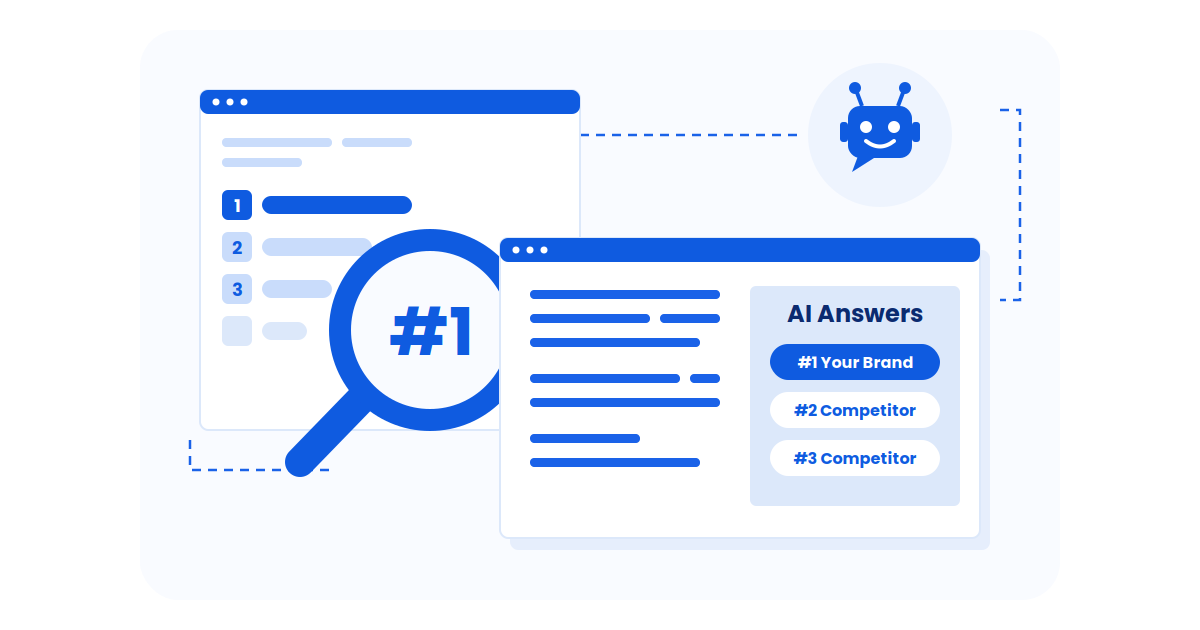
AI-driven search engines have changed how brand visibility is earned. Discoverability across platforms like ChatGPT, Google AI Overviews, and Perplexity is driven less by rankings and more by citation patterns—the signals that determine whether, where, and how a brand is referenced in AI-generated responses. These systems surface sources based on entity strength, citation overlap, freshness, and structured relevance rather than traditional link-based authority.
Visibility in modern AI-powered search is increasingly shaped by AI citation patterns. LLM citation tracking helps uncover platform-specific trends, showing how ChatGPT, Gemini, Google AI Overviews, and other AI systems differ in retrieving, validating, and recommending sources. It also highlights how entity signals, citation overlap, and freshness influence whether a brand is referenced.
Rather than treating AI search as an extension of legacy SEO, this approach focuses on Generative Engine Optimization (GEO) and LLM SEO—aligning content, entities, and distribution with how large language models actually select citations. The emphasis shifts from rankings to consistent entity reinforcement and observable citation behavior across platforms.
By aligning content and entities with real-world AI citation behavior—supported by pattern recognition across ChatGPT, Perplexity, and Google AI Overviews—brands can move from passive discoverability to measurable authority.
Executive Summary: The New Rules of AI Visibility
AI-powered search has shifted discovery away from classic organic rankings toward citation-based visibility, where being referenced—not clicked—determines brand presence.
Across ChatGPT, Perplexity, and Google AI Overviews, brands are surfaced based on citation eligibility, source overlap, and entity signals rather than backlink volume.
Key findings defining AI visibility in 2025:
- Brand search demand and entity recognition—not backlink volume—are the strongest predictors of citation frequency across AI platforms.
AI engines rely on distinct source hierarchies, meaning authority is platform-specific rather than universal.
- Citation overlap across engines—particularly via Wikipedia, Reddit, and G2—drives outsized gains in cross-platform visibility.
- Competitive analysis shows only ~11% of domains are cited by both ChatGPT and Perplexity, underscoring fragmentation.
- Princeton GEO research confirms clustering brand mentions across multiple LLMs increases first-position citation likelihood by up to 2.8×.
- Wikipedia and Reddit collectively command the largest share of LLM citations, acting as foundational authority layers.
- Statistical facts (+22%) and direct quotations (+37%) significantly increase citation likelihood.
- Zero-click AI responses dominate discovery, making citation presence—not traffic—the primary visibility KPI.
- Review aggregators (G2, Clutch, TripAdvisor) substantially amplify authority in vertical-specific AI queries.
- Google AI Overviews increasingly favor diverse forum-based sources over traditional publisher dominance.
How LLM Citation Trends Vary Across AI Search Platforms
LLM citation trends differ meaningfully by platform, reflecting variations in source preference, retrieval scope, and validation thresholds. Examining these differences reveals why the same query can surface entirely different sources across AI search systems—and why cross-platform visibility remains fragmented.
Platform-by-Platform Citation Analysis
Citation behavior varies sharply by platform, reinforcing why cross-platform optimization is essential and why effective LLM citation strategies depend on extractability and trust.
Some citation trends reflect long-standing training influence (e.g., Wikipedia), while others emerge from real-time retrieval behavior.
| Platform | Top Source | % Citations | Primary Signal |
|---|---|---|---|
| ChatGPT | Wikipedia | 47.9% | Authoritative memory |
| Perplexity | 46.7% | Real-time retrieval | |
| Google AI Overviews | 21% | Diversified | |
| Copilot / Bing | Wikipedia | ~35% | Bing grounding |
Cross-platform optimization is essential due to minimal citation overlap between engines.
ChatGPT: Wikipedia Dominance & Bing Correlation
Top Citation Sources (Top 10 Share)
- Wikipedia: 47.9%
- Reddit: 11.3%
- Forbes: 6.8%
- G2: 6.7%
- TechRadar: 5.5%
- NerdWallet: 5.1%
- Business Insider: 4.9%
- NYPost: 4.4%
- Toxigon: 4.1%
- Reuters: 3.4%
ChatGPT prioritizes encyclopedic authority, supplemented by high-traffic publishers surfaced through Bing. Brands seeking sustained ChatGPT SEO visibility must combine Wikipedia inclusion with diversified authority across established .com domains.
Perplexity: Real-Time Retrieval with Reddit Emphasis
Top Citation Sources (Top 10 Share)
- Reddit: 46.7%
- YouTube: 13.9%
- Gartner: 7.0%
Perplexity emphasizes emerging discourse, firsthand experience, and real-time retrieval. Active participation in relevant Reddit communities and presence on review platforms are critical for frequent citations—particularly when supported by ongoing AI visibility measurement.
Google AI Overviews: Traditional Signals Plus Diversification
- 93.67% of AI Overview citations overlap with top-ten organic results.
- Reddit (21%), YouTube (18.8%), and Quora (14.3%) form the core citation mix.
- Responses may include up to 10 linked sources, favoring question-led and forum-driven content.
Google AI Overviews reward brands that combine classic SEO performance with distributed visibility across community, video, and Q&A platforms.
Claude & Microsoft Copilot: Distinct Sourcing Tactics
Claude prioritizes transparent, verifiable sources aligned with Constitutional AI principles. Microsoft Copilot emphasizes rapid Bing indexation through IndexNow.
Both platforms favor brands with strong entity clarity, structured data, and fast-crawled content ecosystems.
What the Research Reveals About Citation Signals
Recent academic and industry research shows that AI citation behavior diverges sharply from traditional SEO assumptions. Across major AI platforms, brand search demand, citation overlap, and entity signals now outweigh backlink volume or standalone domain authority.
Key research-backed findings:
- Brand search volume shows a 0.334 correlation with LLM citations.
- Backlinks exhibit weak or neutral correlation.
- Princeton GEO research finds optimization increases LLM visibility by 30–40%.
- Sites cited across four or more AI platforms are 2.8× more likely to appear in ChatGPT responses.
- 65% of AI bots access pages updated within the past year.
The Princeton GEO Study: Foundational Findings
| Optimization Method | Visibility Impact |
|---|---|
| Cite Sources | +115.1% (rank #5 baseline) |
| Statistical Facts | +22% improvement |
| Quotations | +37% improvement (Perplexity) |
| Fluency Optimization | +15–30% boost |
| Keyword Stuffing | Negative |
These results demonstrate that GEO-style tactics—source citation, quantifiable data, and structured clarity—outperform legacy SEO approaches for AI citation acquisition, particularly for challenger brands competing against established domains.
7,000-Citation Analysis: Brand Search Volume vs. Backlinks
| Factor | Correlation |
|---|---|
| Brand Search Volume | 0.334 (strongest) |
| Backlinks | Weak / Neutral |
| Domain Rating | Light preference (ChatGPT only) |
| Content Length | Higher for Perplexity & Google AI Overviews |
The data indicates that brand-building and entity reinforcement deliver greater AI citation lift than incremental backlink acquisition, especially within AI-driven search environments.
Content Recency and Freshness: Impact on Citation Frequency
- 65% of AI bot traffic targets content published or updated within the last year.
- 79% references content refreshed within the past two years.
- Only 6% of citations originate from content older than six years.
- Fresh statistics and factual updates provide compounding benefits for both AI citations and organic visibility.
- Multimodal elements (images, video) show limited impact relative to clarity, data density, and recency.
Priority Schema Types for AI Visibility
- HowTo – enables procedural step extraction
- Article / BlogPosting – validates content type and freshness
- Organization – reinforces brand authority
- FAQPage – supports direct Q&A extraction
Entity Optimization: Why Wikidata Matters
Wikidata underpins Google’s Knowledge Graph and significantly influences cross-platform AI citation behavior.
Brands with complete Wikidata entries—accurate metadata, aliases, and industry classifications—demonstrate higher entity recognition and increased inclusion in both AI Overviews and LLM-generated answers.
Content Architecture for Maximum Citations
Content structure is a primary driver of AI citation frequency. Research consistently shows that answer-first, modular, and data-dense formats outperform narrative-heavy content in both RAG retrieval and parametric recall. Producing pages in that format across a whole library is a production job; a tool such as AirOps can help generate answer-first, data-dense content at scale, while Wellows measures whether those pages actually earn citations.
High-performing structural characteristics:
- Comparative listicles, how-to guides, and FAQs are the most cited formats across platforms.
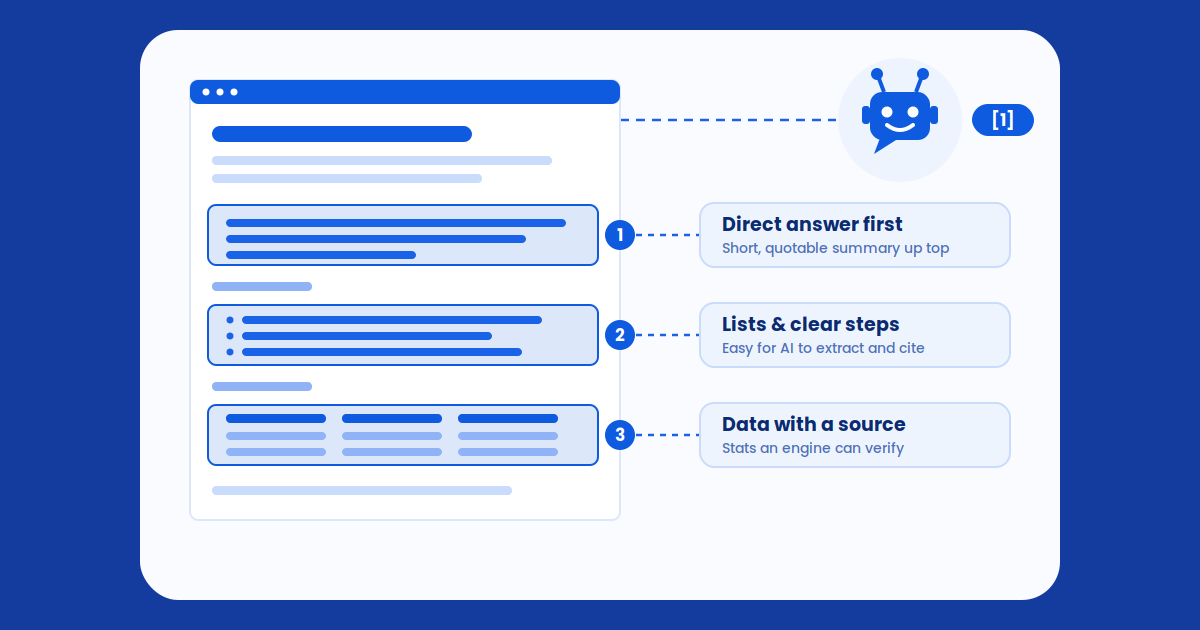
- 40–60 word modular paragraphs improve semantic granularity for extraction.
- Sections designed for standalone utility achieve higher citation rates in hybrid retrieval models.
Structure for RAG Retrieval Success
- Lead with the answer using direct, unambiguous language.
- Apply answer-first modular chunking.
- Optimize H2/H3 hierarchy around anticipated AI queries.
- Embed verifiable statistics or reference points per section.
High-Citation Content Formats
| Content Format | % of AI Citations |
|---|---|
| Comparative Listicles | 32.5% |
| Opinion Blogs | 9.91% |
| Product / Service Guides | 4.73% |
Mastering Citation Overlap: Cross-Platform Strategies
Citation overlap across multiple AI platforms produces stronger, more durable AI visibility than single-platform optimization—a pattern many teams confirm using a ChatGPT Visibility Tracker to monitor how brands surface across overlapping LLM citation sources over time.
Brands appearing simultaneously on sources such as Wikipedia, Reddit, and G2 show a 2.8× higher likelihood of being cited by both ChatGPT and Perplexity. Overlap functions as a compounding signal of authority, consensus, and reliability across LLM ecosystems.
Our own measurement puts a figure on how rare that overlap really is. A cross-engine AI citation overlap study of 22.7 million citations across five engines found Perplexity never cites 89% of what ChatGPT cites on the same question, while the engines agree on the brands they name about 4.5x more often than on exact pages. That gap is why brand-level overlap compounds faster than page-level overlap.
Core principles for overlap-driven visibility:
- Multi-platform citation overlap increases sustainability, insulating brands from volatility when individual AI engines adjust weighting or source preferences.
- Heavy-hitter sources shared across platforms deliver the highest ROI for AI visibility.
- Citation audits across overlap sources reveal the fastest opportunities for improvement.
- Content distribution and partnerships should prioritize sources that appear repeatedly across ChatGPT, Perplexity, and Google AI Overviews.
- Consensus signals—verified crowdsourcing, authoritative aggregation, and entity reinforcement—drive long-term citation persistence.
- Ongoing monitoring is required as overlap trends shift with retraining cycles and retrieval updates.
Universal Heavy-Hitters: Focus on Overlap First
Effective overlap strategies begin by prioritizing sources consistently cited across AI platforms.
Recommended actions:
- Benchmark citation presence on core overlap sources: Wikipedia, Reddit, G2, TripAdvisor, and tier-1 news publishers.
- Secure inclusion through expert contributions, thought leadership, and verified listings.
- Expand overlap frequency via external distribution (guest posts, interviews, case studies).
- Engage Reddit and similar communities through authentic participation, not promotional activity.
- Reinforce knowledge graph signals via Wikidata and Google Knowledge Panels.
- Track citation shifts quarterly as models retrain and retrieval logic evolves.
- Monitor brand search demand as a leading indicator of overlap-driven citation growth.
- Reallocate budget toward sources that consistently generate cross-platform citations.
Review Platform Citations: Industry & Platform Breakdown
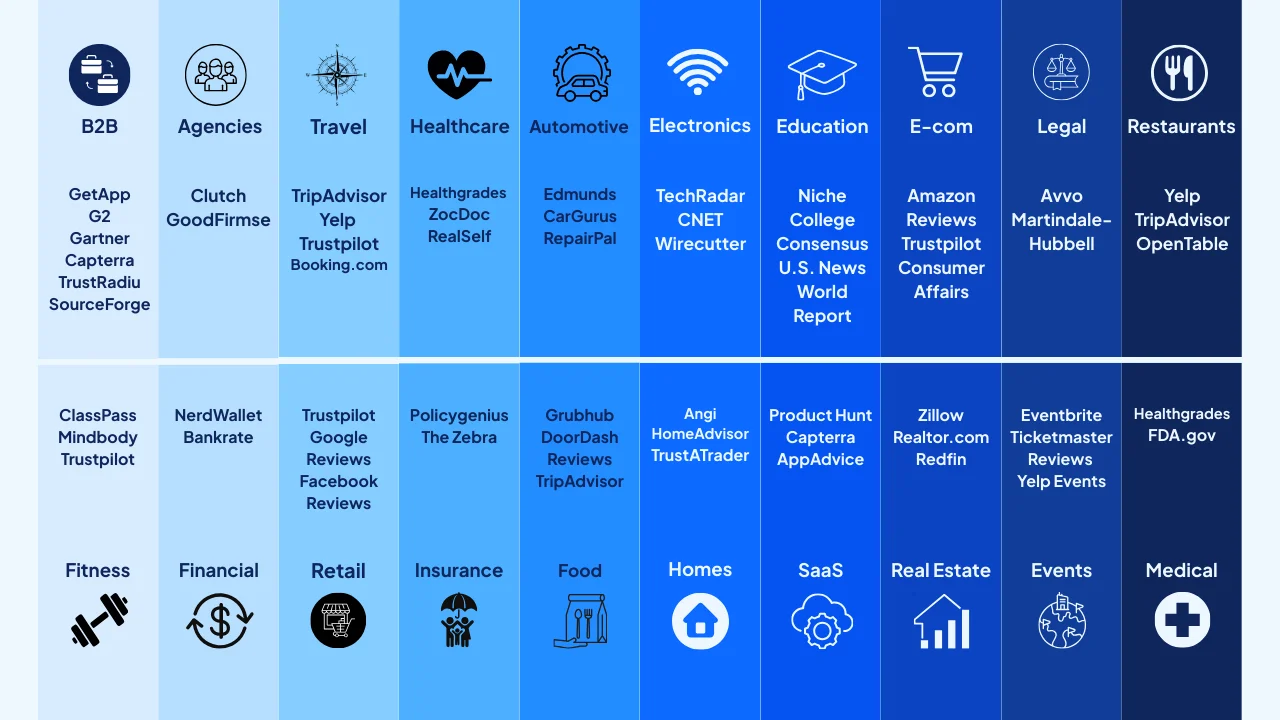
Review aggregators play a decisive role in vertical-specific AI citation behavior. AI platforms consistently reference the dominant review source within each industry, making review visibility one of the fastest paths to qualified AI discovery.
Key trends observed:
- B2B software: GetApp and G2 dominate ChatGPT; Gartner appears more frequently in Perplexity.
- Agencies & professional services: Clutch overwhelmingly leads across ChatGPT, Perplexity, and Google AI Overviews.
- Travel, hospitality, and local: TripAdvisor commands near-monopolistic visibility, with Yelp contributing to local and Copilot results.
- Robots.txt policies of review platforms directly affect AI citation eligibility.
- Industries with fragmented review ecosystems benefit most from concentrated optimization on the leading aggregator.
Sector-specific review targeting consistently delivers high-intent, high-conversion AI visibility.
Most Frequently Cited Review Platforms by Industry
Read More Articles
FAQs
AI brand suggestions are generated inside answers, not rankings. Instead of listing pages, AI systems recommend brands they can clearly explain, verify, and match to a specific user intent. Traditional search relies more on keywords and links, while AI focuses on context and entity clarity.
AI systems rely on a mix of structured website content, authoritative third-party sources, reviews, documentation, and historical patterns. Brands with clear product descriptions, consistent features, and trusted references are more likely to be recommended.
This usually happens when AI understands your product or expertise but cannot confidently attribute it to your brand. Weak entity signals, inconsistent naming, or missing verification often cause implicit mentions instead of direct citations.
Yes. AI recommendations shift as models update, sources change, and competitor signals improve. Brands can gain or lose visibility depending on how well their information stays consistent, current, and verifiable.
Yes. AI systems do not favor brand size by default. Smaller brands can appear in recommendations if their entities are clear, their use cases are well defined, and their information is easier for AI systems to verify than larger but less structured competitors.
Final Thoughts: Elevating Brand Authority with AI Platform Citation Trends
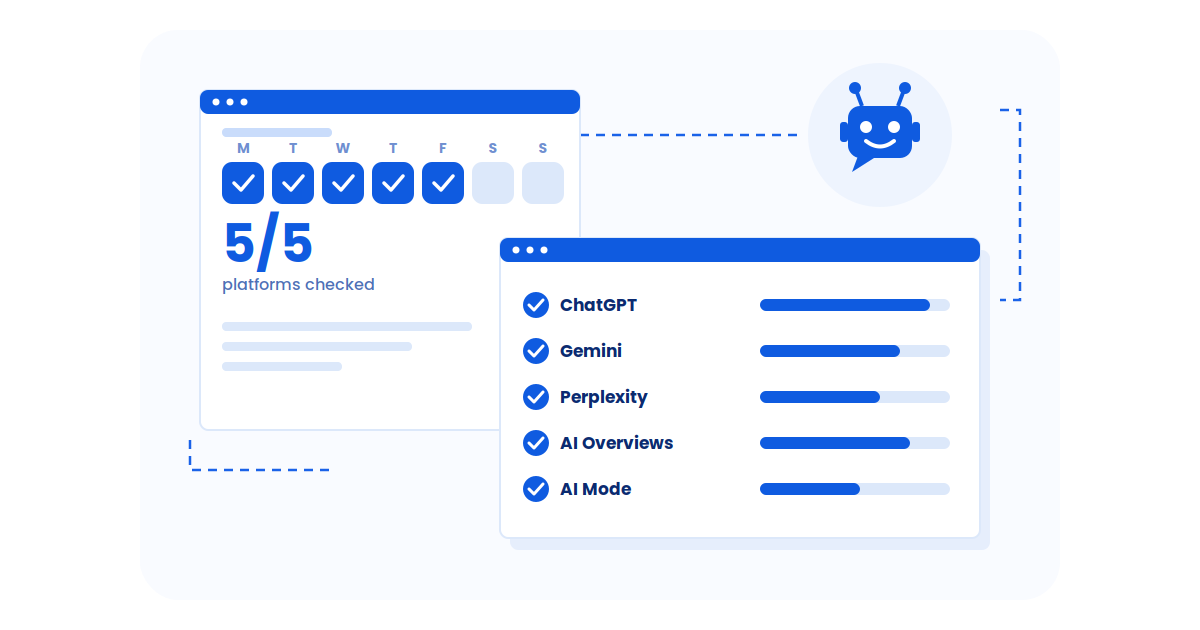
AI search visibility is now defined by citations, not rankings. Platforms like ChatGPT, Google AI Overviews, and Perplexity surface sources based on structure, authority signals, entity clarity, and cross–platform consensus.
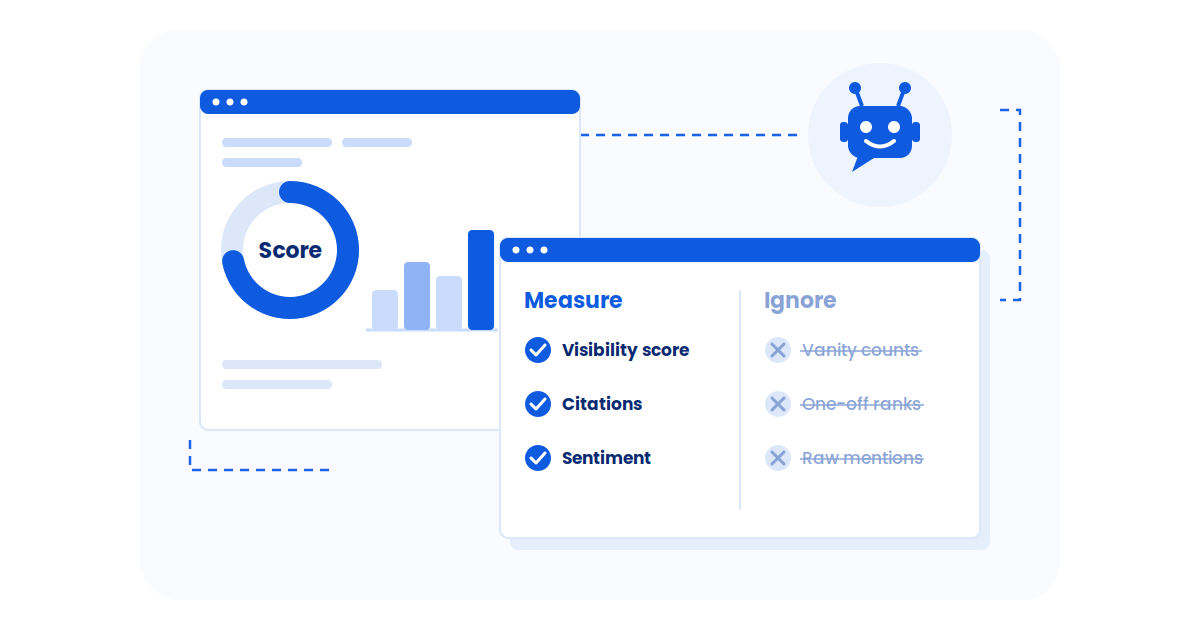
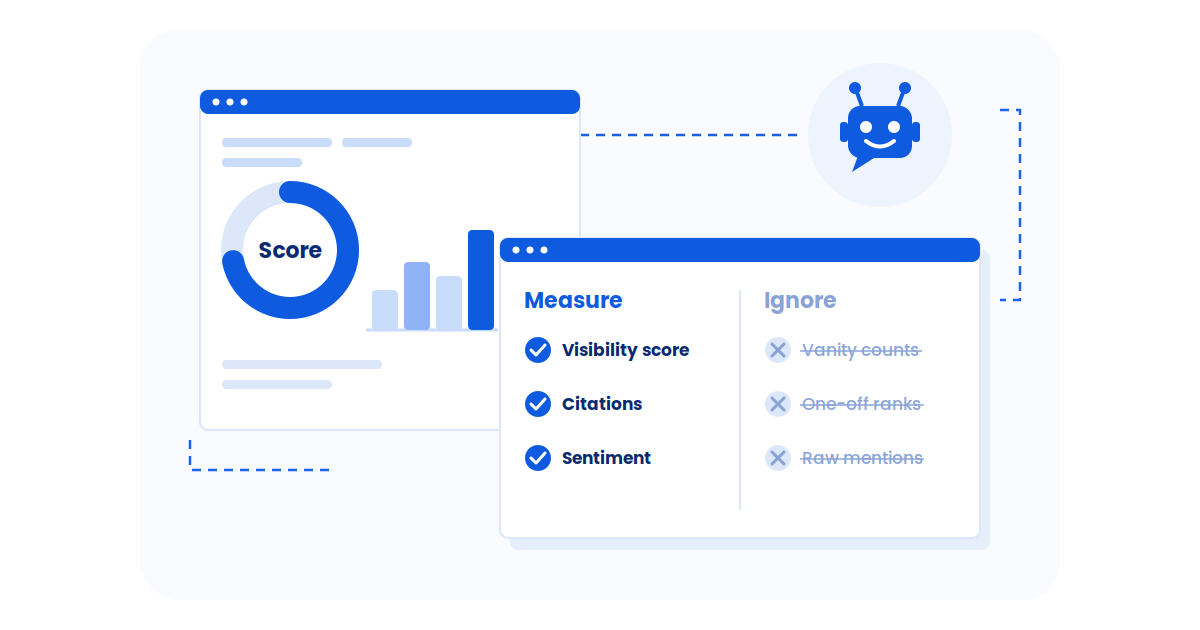
Research consistently shows that optimized content architecture, structured data, freshness, and citation overlap directly influence AI visibility and Citation Score.
Brands that align strategy with AI retrieval mechanics—rather than legacy SEO assumptions—will sustain authority as AI search continues to evolve.
The next step is clear: benchmark your Citation Score, identify overlap gaps, and systematically optimize for cross-platform AI visibility.
Citation trends only compound when you can see them move. Wellows tracks your Citation Score and cross-engine overlap across ChatGPT, Perplexity, Gemini, and Google AI Overviews, showing which sources are winning citations you’re missing and where your entity signals are thin, so every refresh is aimed at a measured gap rather than a guess.
Benchmark your Citation Score and see exactly where the overlap gaps are.