Search optimization has always been a race against time. Every algorithm update, competitor move, and shift in user behavior changes the playing field. For decades, SEO teams have relied on historical data — weekly keyword reports, monthly traffic snapshots, and quarterly visibility reviews.
While useful, these lagging indicators often left marketers reacting too late.
That’s changing. The rise of real-time SEO data has transformed how professionals monitor performance and make decisions. Instead of waiting for static reports, businesses can see live insights on rankings, site performance, and user behavior as they happen.
This shift provides an immediate competitive advantage: react to a drop in visibility instantly, optimize a trending keyword before it peaks, or fix a mobile usability issue before it affects conversions.
In this guide, we’ll explore why real-time SEO data is becoming the new advantage in modern search optimization. You’ll learn what it is, how it works, what metrics to prioritize, and why it matters for both traditional SEO and AI-driven search engines like ChatGPT, Gemini, and Claude.
We’ll also highlight how Wellows, an AI Search optimization tools, helps marketers unify real-time insights with automated execution.
What Is Real-Time SEO Data and Why Is It Transformative?
At its core, real-time SEO data refers to live, continuously updated insights into how your website performs in search. Unlike static reports, this data reflects immediate changes in:
Keyword rankings: Tracking position shifts multiple times per day.
User behavior: Monitoring real-time traffic from Google Analytics.
Technical performance: Measuring page speed, crawl errors, and Core Web Vitals instantly.
Mobile usability: Spotting device-specific issues as they occur.
Competitor performance: Identifying new content outranking you in the SERPs.
Why is this transformative? Because search behavior is dynamic. According to Google, 15% of queries each day are completely new (Google Search Central, 2019).
Waiting a week to discover these queries means you’ve already lost the opportunity to capture them.
In addition, search engines increasingly weigh page experience, site speed, and mobile usability as core elements of on-page SEO.
Real-time monitoring ensures that if something breaks, you catch it before it costs you visibility. For large enterprises, where one error can affect thousands of pages, this immediacy is not just useful — it’s essential.
How Does Real-Time SEO Data Differ from Traditional SEO Reporting?
Did you know?
Traditional SEO tools like Moz or Ahrefs operate on batch updates. Rankings may refresh weekly; backlinks may take days to index. These tools are excellent for strategic planning, but less effective for instant reaction.
Real-time SEO data flips the model:
- Traditional reporting = snapshots of the past.
- Real-time reporting = live feed of the present.
Imagine managing a news site covering a major sports event. If your article suddenly drops in the rankings because a competitor optimized for a trending keyword, waiting until next week to notice would cost thousands of clicks.
With real-time SEO tracking, you can adjust headlines, update content, or strengthen internal linking within minutes.
The same applies to SEO visibility issues. A broken redirect, indexing error, or server slowdown can damage visibility in hours. Real-time monitoring alerts you instantly, helping your team fix problems before rankings collapse.
This is the difference between watching yesterday’s weather forecast and checking the sky before you leave the house. Both matter, but only one prepares you for what’s happening right now.
What Are the Core Benefits of Real-Time SEO Data?
The value of real-time SEO data goes beyond faster reporting—it changes how teams think about optimization. By turning every ranking shift, crawl issue, or user signal into immediate insight, marketers can act before small problems escalate into costly setbacks.
In a landscape where search visibility can shift overnight, this agility is often the difference between leading the SERPs and playing catch-up.
- Faster Detection of SEO Visibility Issues
Real-time monitoring acts as an early warning system. Instead of discovering traffic losses days later, teams get alerts when:
- Pages fail indexing.
- Rankings drop suddenly.
- Page speed scores decline.
- Mobile usability errors appear.
According to BrightEdge’s Real-Time SEO and Platform Shift report (2024),95% of SEO and marketing professionals say saving time in their workflows is important or very important, with 76% spending more than two hours each day on research tasks and 85% relying on four or more tools to manage SEO.
- Improved Decision-Making with Live Insights
Instead of relying on stale averages, marketers can see which keywords, pages, and SERP features are performing right now. This helps prioritize actions that directly impact ROI.
- Stronger Competitor-Driven Strategy
Real-time SERP monitoring reveals who entered or exited the top 10 rankings today. Competitors that outrank you can be studied immediately, allowing faster content updates and backlink strategies.
- Enhanced Reporting for Stakeholders
Executives want clear answers: “What’s happening right now, and what’s the impact?” Real-time dashboards provide accurate, live answers backed by hard data.
- Integration with AI-Powered SEO Tools
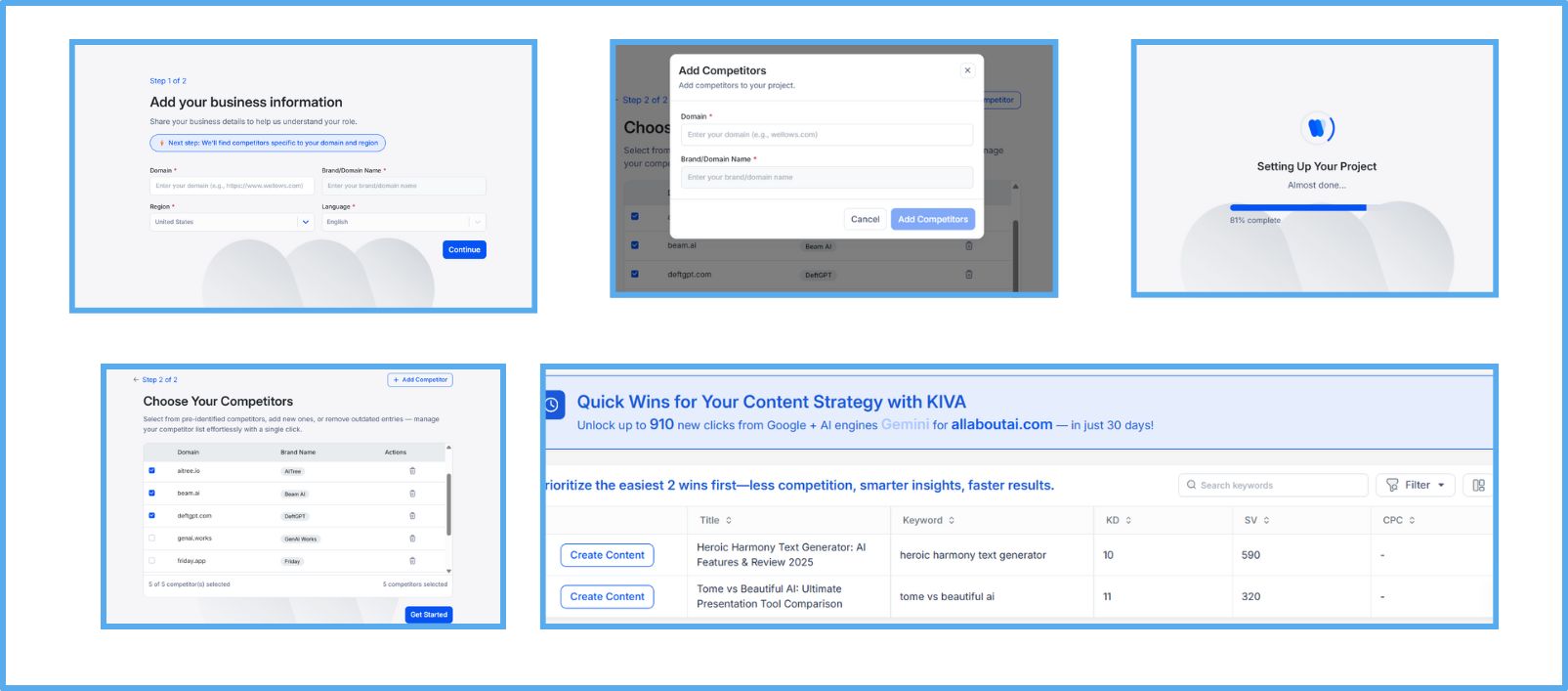
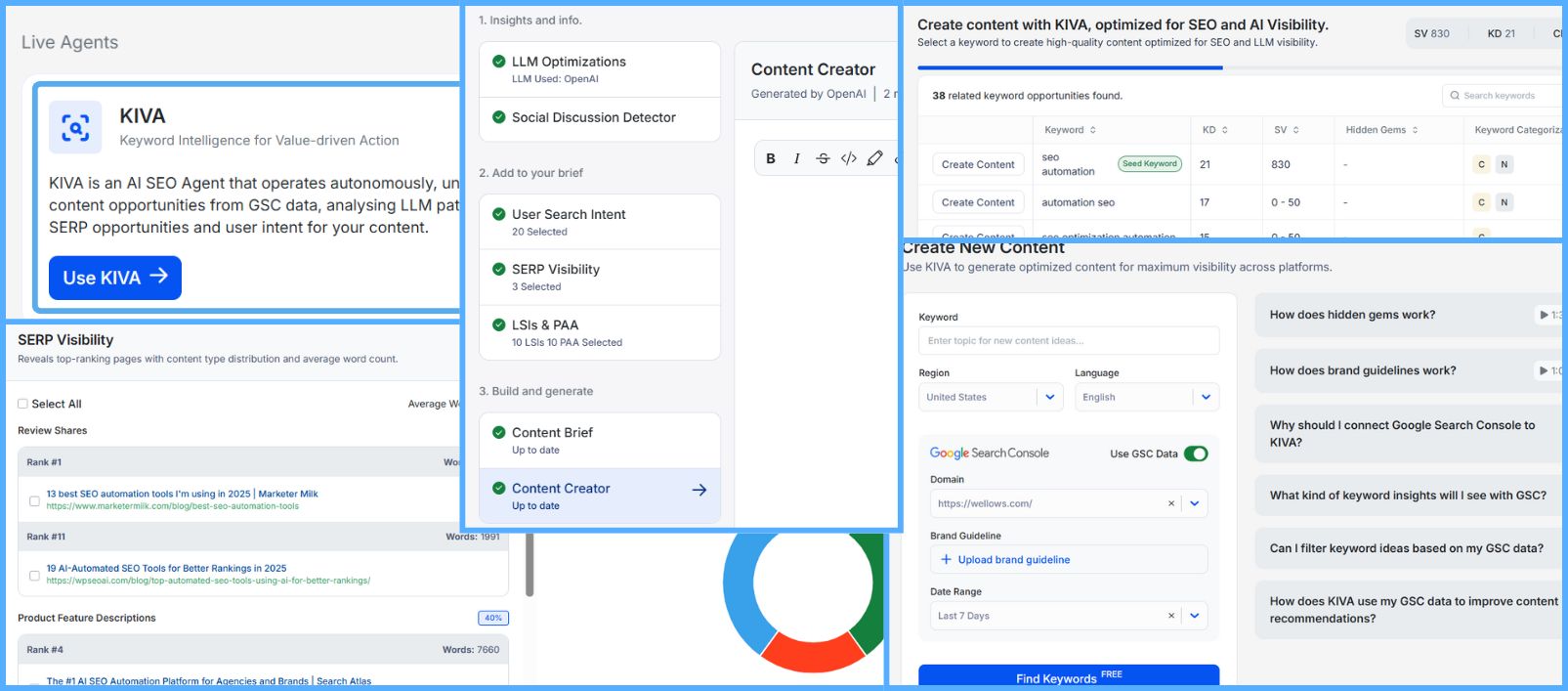
Platforms like KIVA go a step further. Instead of just showing the data, KIVA interprets signals from Google Search Console, SERPs, social conversations, and AI engines to create Quick Wins strategies in seconds.
This blend of real-time data and automation is redefining modern SEO workflows.
Which Metrics Should Be Tracked in Real Time?
Not all SEO metrics carry the same weight, especially when speed of action determines visibility and this applies equally to tracking signals that influence how to rank in ChatGPT, such as freshness, structure, and citation presence. The key is to focus on signals that directly influence rankings, user experience, and conversions.
By monitoring these in real time, marketers can move from diagnosing problems after the fact to shaping outcomes as they unfold.
This shift ensures every optimization effort is grounded in live performance rather than outdated snapshots.
Real-Time Keyword Rankings: Knowing whether a keyword has dropped in the last 24 hours helps you respond faster. For example, if a competitor gains visibility with fresher statistics, you can update your content immediately.
Real-Time SEO Data from Google Analytics: Google Analytics’ real-time dashboard provides instant insight into user location, device type, and current engagement. Spikes or drops in traffic can reveal emerging issues or opportunities.
Real-Time SEO Data Tracking for Page Speed: Page speed is both a ranking factor and a conversion factor. Tools like Lighthouse and WebPageTest allow continuous monitoring of load times and Core Web Vitals. Even a one-second delay can reduce conversions by 7%.
Real-Time SEO Data for Mobile Usability: With over 60% of searches happening on mobile (Statista, 2025), mobile usability must be tracked live. Issues like blocked scripts, unresponsive design, or oversized assets can immediately harm rankings.
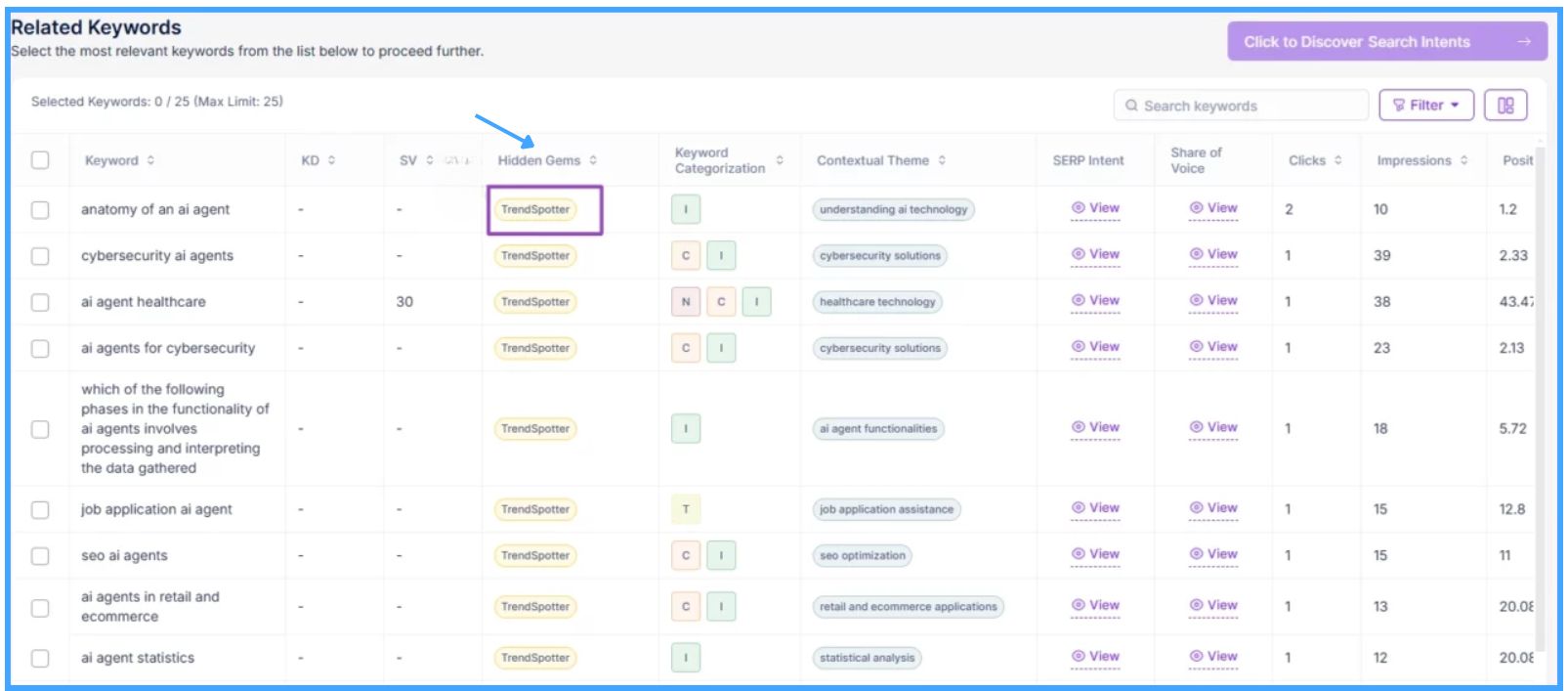
Real-Time SEO Data for Keyword Rankings and Content Gaps: Beyond position tracking, real-time tools uncover newly trending queries and content gaps. KIVA, for example, surfaces “Hidden Gems” — low-competition, high-potential keywords that other tools often miss.
How Does Real-Time SEO Data Influence Search Engine Ranking Factors?
Real-time monitoring ties directly into several search engine ranking factors:
Page Experience: Detect issues in Core Web Vitals before they affect rankings.
Content Freshness: Identify trending queries and update content immediately.
Internal linking in SEO: Spot orphaned pages in real time and fix with internal links.
User Intent Alignment: Track what visitors are searching for live and adapt content.
By responding faster, you ensure your site meets Google’s expectations and provides value to users without delay. Pairing these live insights with an on-page SEO checklist also helps teams turn ranking signals into consistent page-level improvements faster.
How Can Real-Time SEO Data Improve SEO Site Audits?
Traditional SEO Site Audits often deliver static reports, which can become outdated within days. Real-time SEO audits continuously monitor:
Did you know?
- Indexation status
- Redirect errors
- Crawl budget usage
- Content duplication
- Schema and metadata changes
For agencies, this means clients don’t just get a “snapshot” audit. They get a living, breathing analysis that evolves with their site. This makes it easier to demonstrate ROI and reduce risks.
How Does Real-Time SEO Data Enhance SEO Strategy with User Intent?
Search intent changes fast. A trending query today may not exist tomorrow. Real-time insights help:
- Detect new informational or transactional queries.
- Map them into clusters of intent.
- Update or create content accordingly.
This is where keyword clustering becomes essential. By grouping semantically related queries, marketers ensure coverage of complete themes instead of chasing one-off keywords. KIVA automates this process, combining LSI keywords, People Also Ask data, and live SERP signals into intent-based clusters.
What Role Does AI Play in Real-Time SEO Data?
The rise of AI-Driven SEO vs Traditional SEO changes how data is used. AI-powered tools not only collect real-time SEO data but also interpret it. For example:
- Identifying competitor content structures that Google favors.
- Suggesting content refreshes when visibility drops.
- Aligning articles with both SERPs and AI-generated answers.
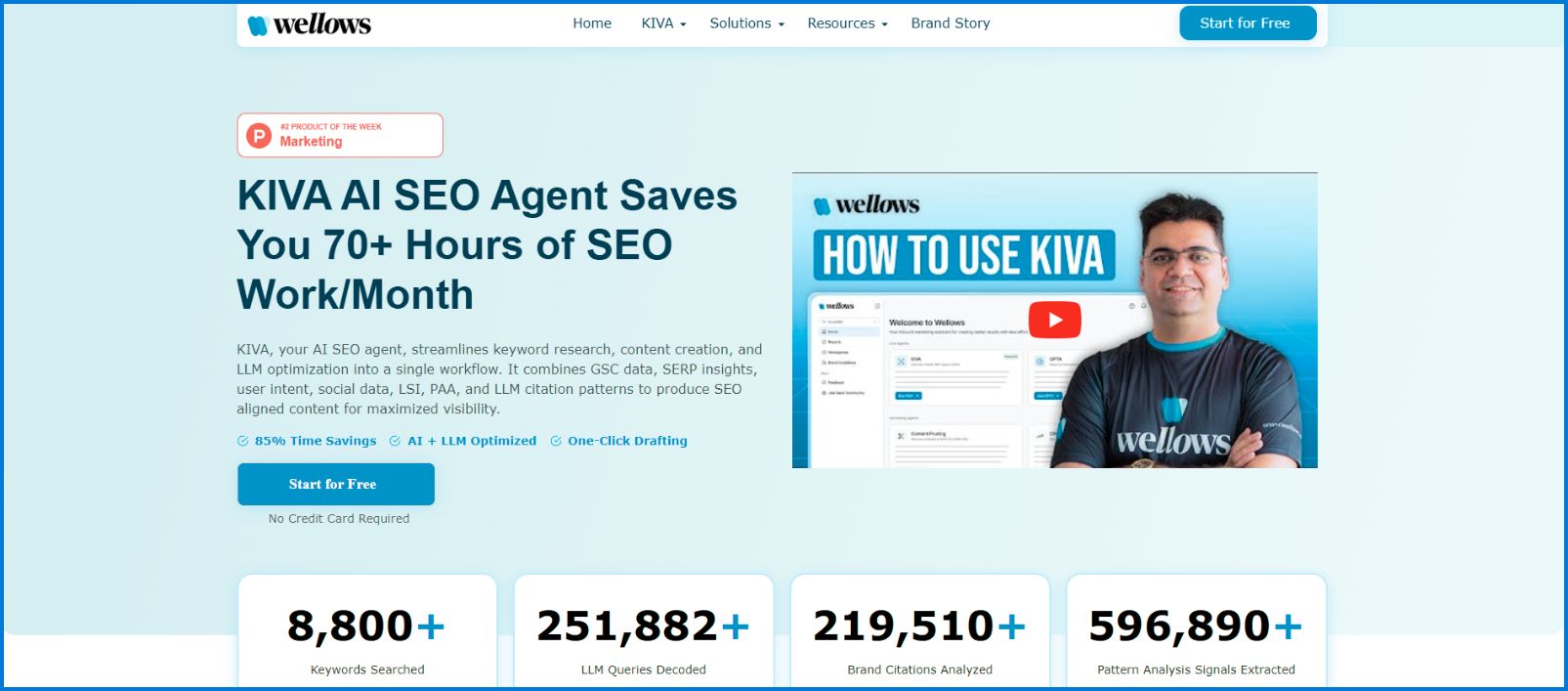
This is where AI SEO Automation becomes crucial. Instead of manually interpreting dozens of metrics, AI SEO agents like KIVA unify them into a single workflow — from keyword discovery to publishing.
The benefits of AI SEO agents are clear: faster research, less manual work, and strategies built for both Google and AI engines.
How Does Real-Time SEO Data Support Competitor Analysis?
Competitor monitoring has always been at the heart of SEO. With real-time data, you can:
- Track competitors and analyze the gap in the content.
- Detect when they gain or lose backlinks.
- Identify shifts in their search engine ranking factors.
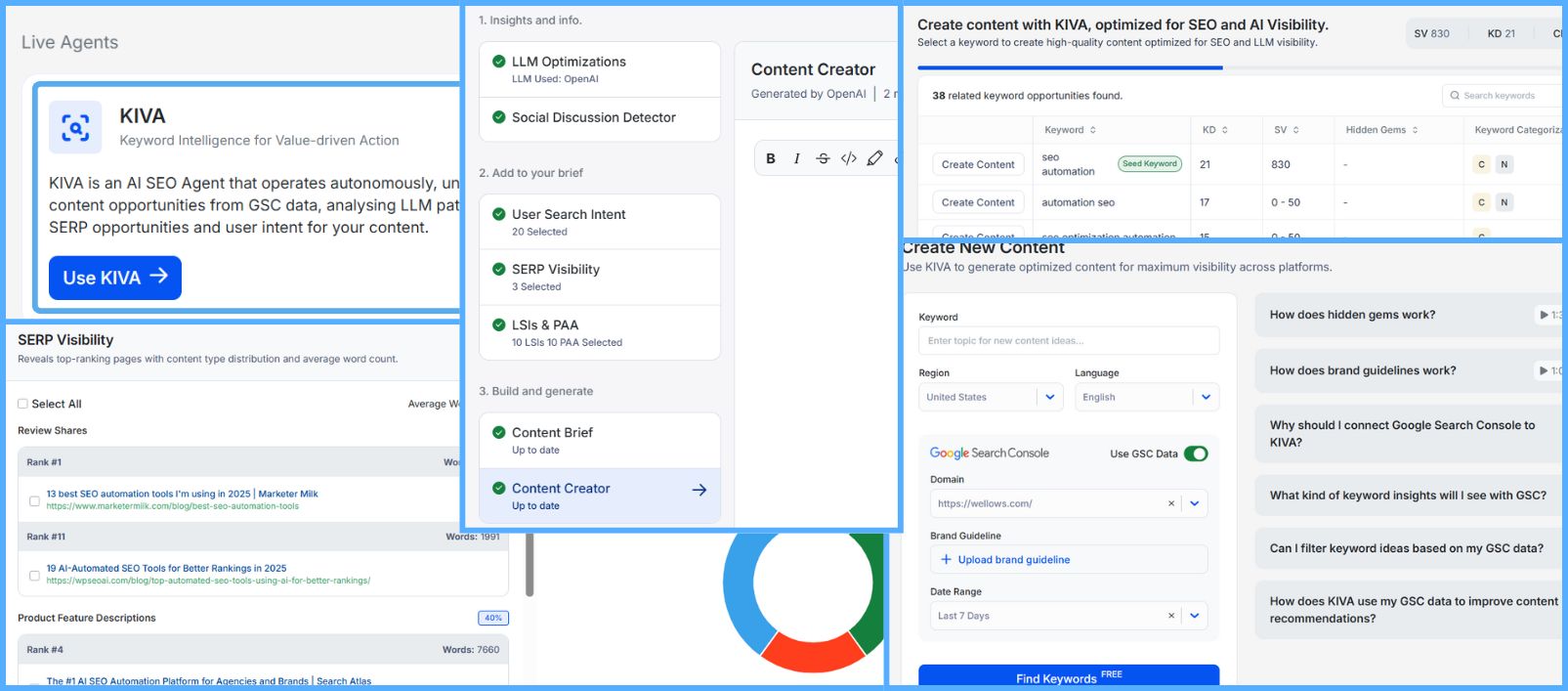
KIVA strengthens this with competitor-driven strategy insights. By analyzing SERPs, LLM mentions, and search behavior, it highlights where competitors outperform you and suggests quick-win opportunities.
How Can Real-Time SEO Data Save Time for Content Teams?
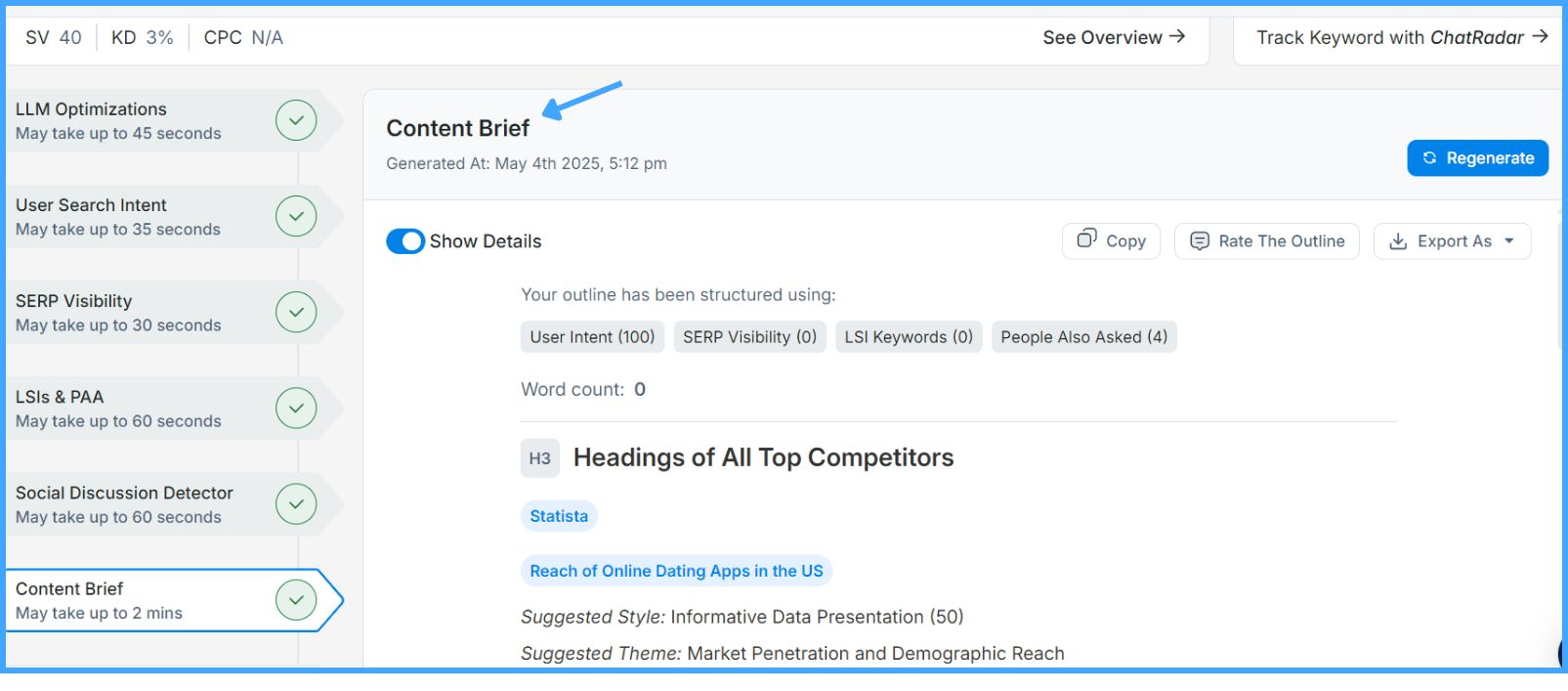
For writers and editors, one of the biggest challenges is cutting blog research time. Real-time insights remove guesswork:
- Which keywords are trending now?
- What questions are users asking today?
- Which competitor posts are gaining traction?
Instead of spending hours piecing this together, AI SEO Agent like KIVA surface insights instantly and even auto-generate Content briefs.
This allows teams to focus on writing high-quality educational content rather than wasting time on research.
How Does Real-Time SEO Data Connect to AI Search?
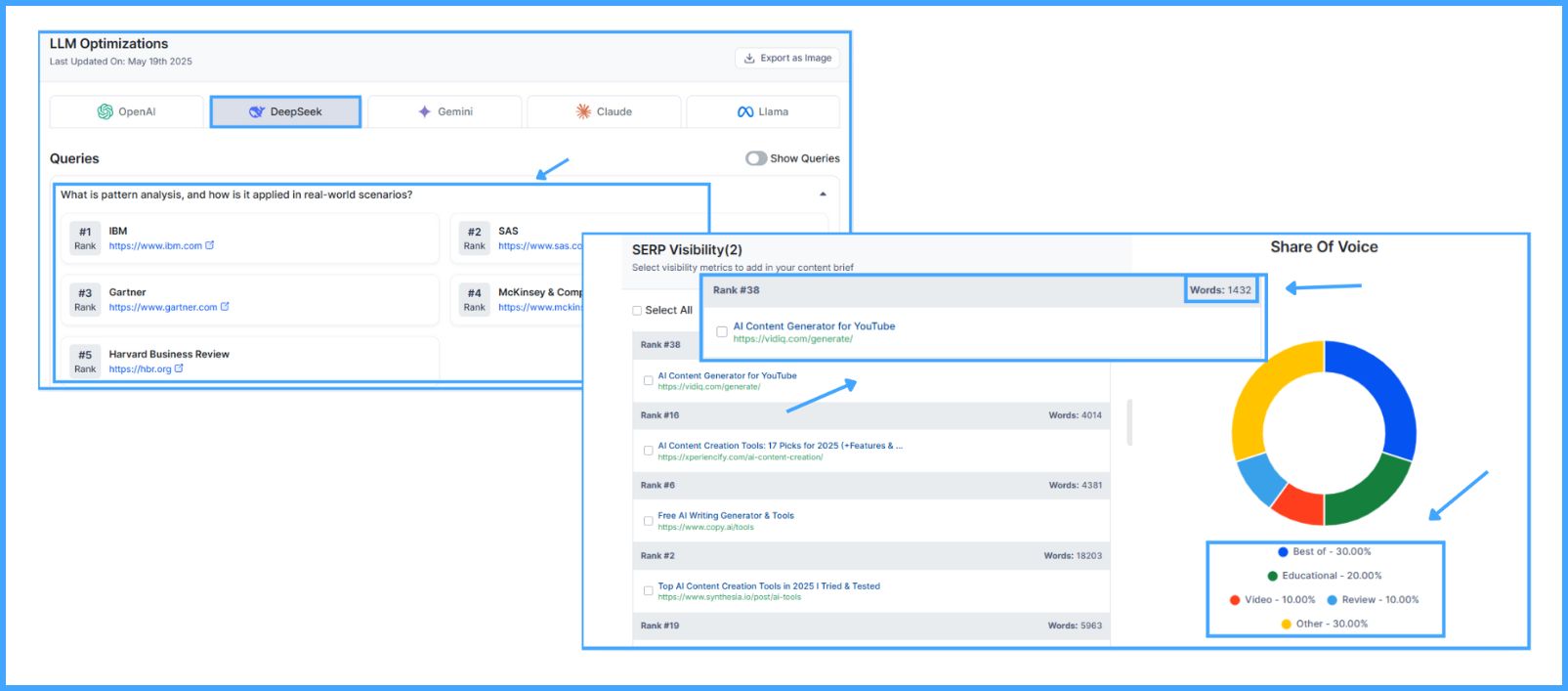
AI engines like ChatGPT, Claude, and Gemini now deliver AI Search results directly to users. Unlike traditional SERPs, these engines rely heavily on fresh, trustworthy content.
Real-time SEO data helps brands align with AI Search by:
- Monitoring which content gets cited in AI-generated answers.
- Updating articles before they lose visibility.
- Ensuring structured data, topical authority, and semantic alignment.
KIVA is designed specifically for this environment. It checks your visibility in both Google SERPs and AI engines, ensuring you build authority across both.
This dual optimization — for search engines and large language models — is becoming the new gold standard in SEO.
FAQs:
Conclusion
The age of waiting for monthly reports is over. Today, real-time SEO data gives marketers the agility to respond to live search behavior, fix issues instantly, and capture opportunities before competitors.
For professionals navigating the new world of both Google SERPs and AI search, this shift is more than an advantage it’s a necessity.
AI SEO Agent like KIVA demonstrate how real-time monitoring combined with AI-driven automation can cut hours of manual work, deliver Quick Wins strategies, and secure visibility across both traditional and AI-powered search.
In the race for visibility, timing is everything. Real-time SEO data ensures you’re not just keeping up — you’re leading.