Search engine optimization in 2025 is far more than keywords and backlinks it’s an interconnected system of research, content strategy, and automation that must move in sync to deliver results. Yet for many organizations, that connection is broken.
Teams operate with multiple tools, disconnected data sources, and uncoordinated processes that work against each other instead of together. These fragmented SEO workflows quietly hold back growth, slow down execution, and weaken a brand’s ability to compete across both traditional search results and emerging AI ecosystems shaped by generative engine optimization agencies.
When keyword research, technical audits, and performance tracking exist in isolation, valuable insights get lost in the shuffle. The outcome is familiar: campaigns that look active on paper but underperform in rankings, visibility, and ROI.
Solving this problem requires more than another analytics platform it demands alignment. Modern SEO success depends on unified workflows where strategy, automation, and creativity operate in harmony. That’s where KIVA, an AI SEO Agent by Wellows, becomes a breakthrough.
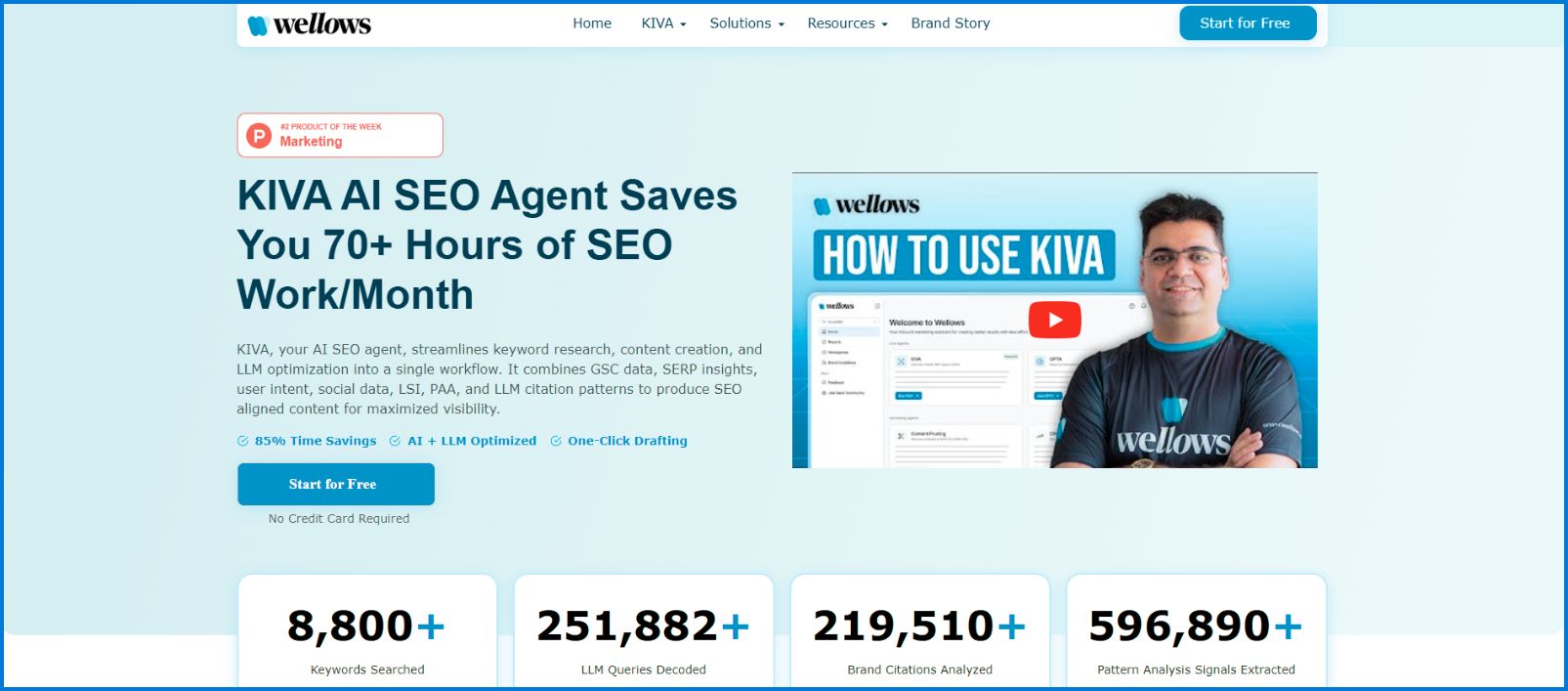
Designed to bring cohesion to fragmented SEO workflows, KIVA uses intelligent keyword clustering, semantic analysis, and real-time optimization to turn scattered tasks into a single connected ecosystem. Rather than replacing experts, it empowers them bridging strategy and execution to help teams reclaim focus, precision, and measurable growth.
What Are Fragmented SEO Workflows and Why Do They Matter in 2025?
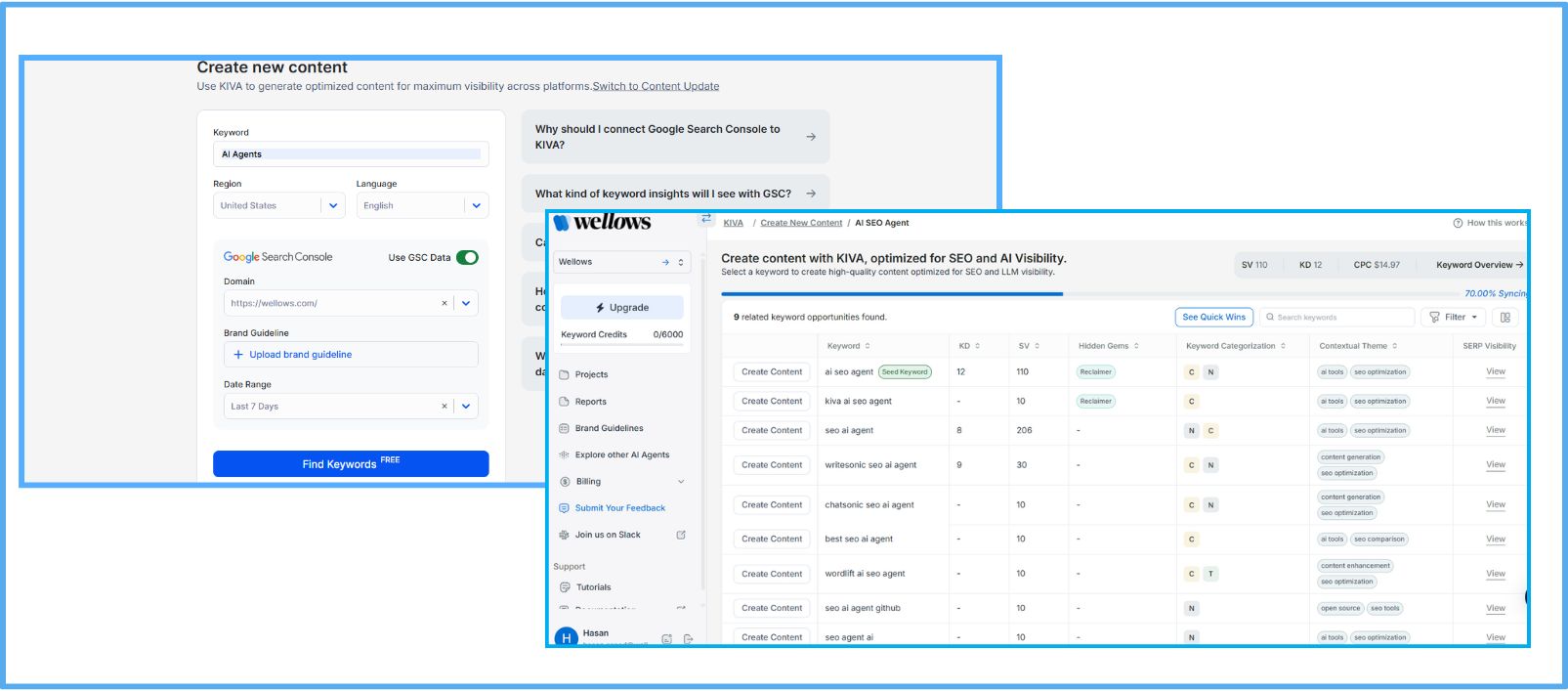
Fragmented SEO workflows occur when essential SEO processes research, content planning, optimization, and measurement operate in disconnected environments. It’s not a lack of effort; it’s a lack of integration. Many marketing teams still struggle to align keyword research and content execution, resulting in mismatched priorities and weakened authority signals. In fact, more than 37% of professionals report that data silos prevent them from sharing insights efficiently across teams a structural barrier that often causes fragmented SEO workflows and inconsistent performance. In 2025, as search engines evolve toward intent-driven results and AI-powered summaries, disjointed workflows are more damaging than ever. The brands that win are those that treat SEO as an ecosystem not a checklist. KIVA embodies this shift by integrating real-time Google Search Console keyword data with automated intent classification and AI-driven topic clustering, ensuring every content decision aligns with a broader SEO and AI visibility strategy.
How Do Fragmented SEO Workflows Affect Organic Growth and Rankings?
When SEO is fragmented, every action exists in isolation. A content team may publish dozens of articles, yet none of them reinforce one another semantically. Algorithms like Google’s Helpful Content Update now reward coherence and depth penalizing randomness disguised as productivity. According to Ahrefs’ analysis, 96.55% of content gets no organic traffic from Google, highlighting how misalignment in topic clusters, intent matching, and internal linking often leaves pages invisible rather than inherently flawed A cohesive SEO framework builds compounding visibility by strengthening semantic structure, internal hierarchy, and foundational on-page SEO elements across the site. KIVA helps achieve this through entity-based clustering and contextual mapping connecting LSI keywords, People Also Ask questions, and SERP intent patterns into a unified structure. This turns every page into a building block that strengthens domain authority and improves both ranking and AI-engine citation potential.
Why Are Fragmented SEO Workflows So Common in Marketing Teams?
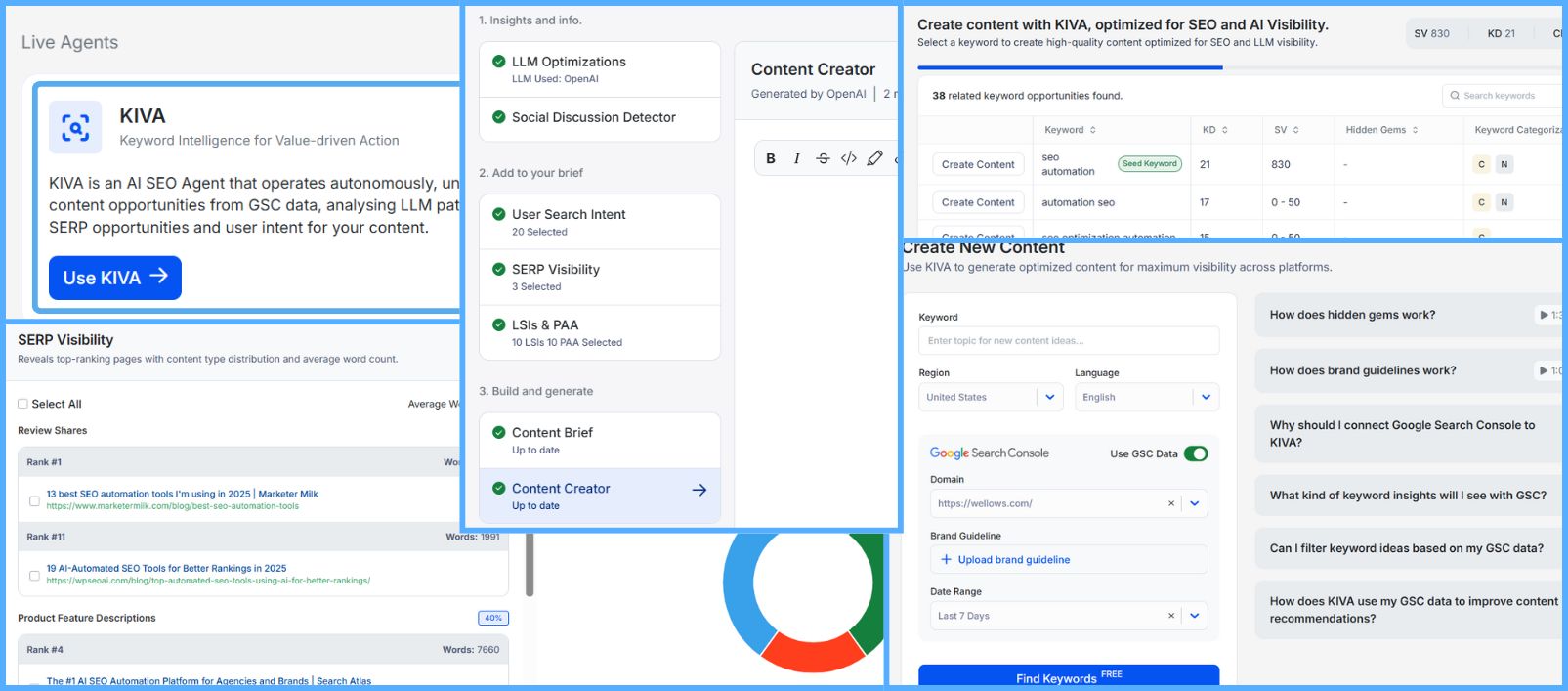
Fragmentation doesn’t begin as a mistake it evolves over time. As teams expand, each department tends to adopt separate tools analytics dashboards, CMS platforms, keyword trackers but seldom integrate them. What starts as flexibility can quickly become operational chaos. This challenge is not hypothetical. According to G2’s 2024 Martech Trends, four out of every ten marketers rate integration as the most critical factor when choosing their tools. Furthermore, over half of marketers (51 %) say that integration issues have hindered their adoption of new marketing technologies. Even the most advanced teams may find themselves spending more time reconciling data than executing strategy. An AI SEO Agent like KIVA addresses SEO workflow fragmentation by unifying SERP visibility metrics, LLM citation insights, and content performance data within a single dashboard—reducing manual effort and empowering marketers to act on insights, not inefficiencies.
What Early Warning Signs Reveal You Have a Fragmented SEO Process?
Fragmentation shows up through subtle inefficiencies long before rankings fall.
Common red flags include:
Inconsistent SEO metrics across reports. Duplicate keyword targeting across multiple articles. Conflicting tone or structure between departments. A lack of internal linking or orphaned pages with zero traffic.
When these issues appear, it’s not your strategy failing it’s your workflow.
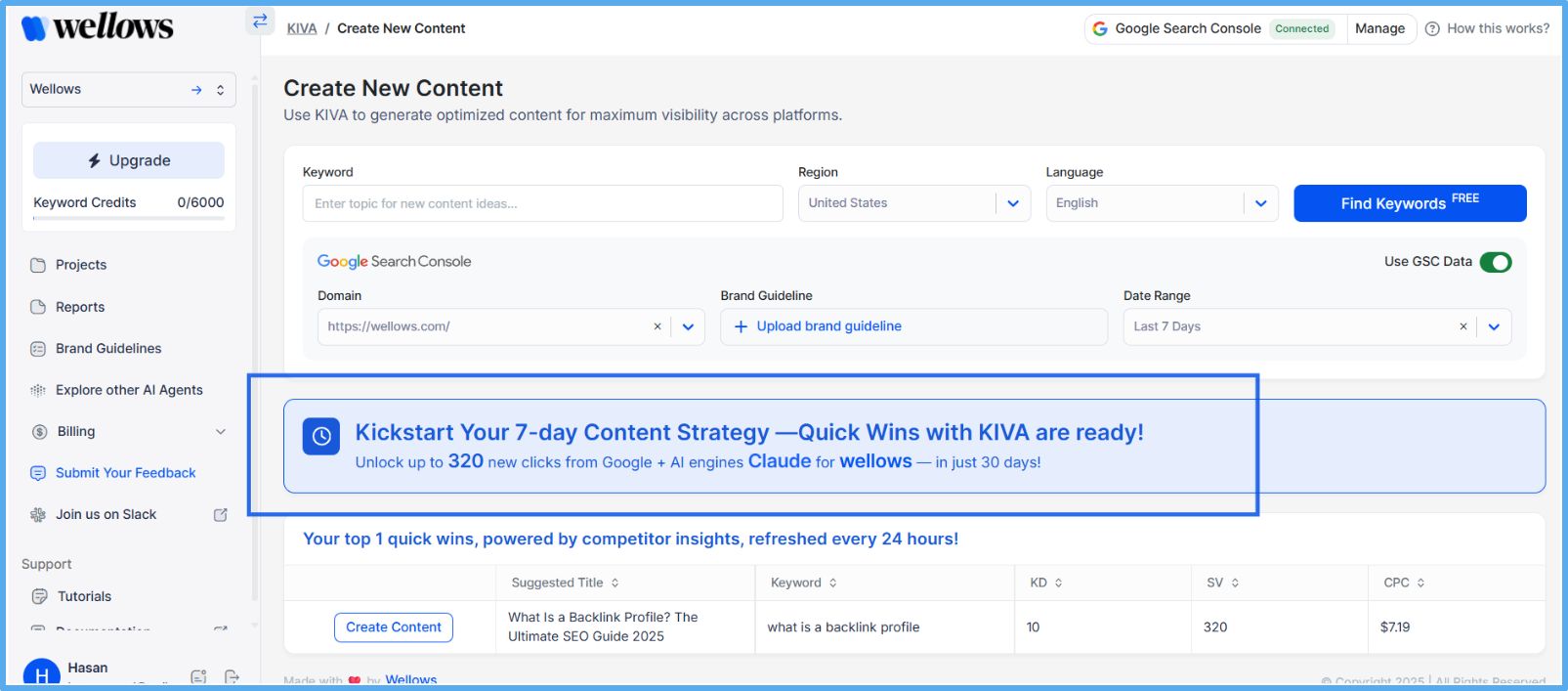
KIVA’s unified platform detects key performance signals early. Its Quick Wins feature combines competitive insights, visibility data, and hidden keyword opportunities into a single view—helping teams refine strategy proactively and maintain strong search visibility.
How Do Fragmented Workflows Distort Keyword Strategy and User Intent?
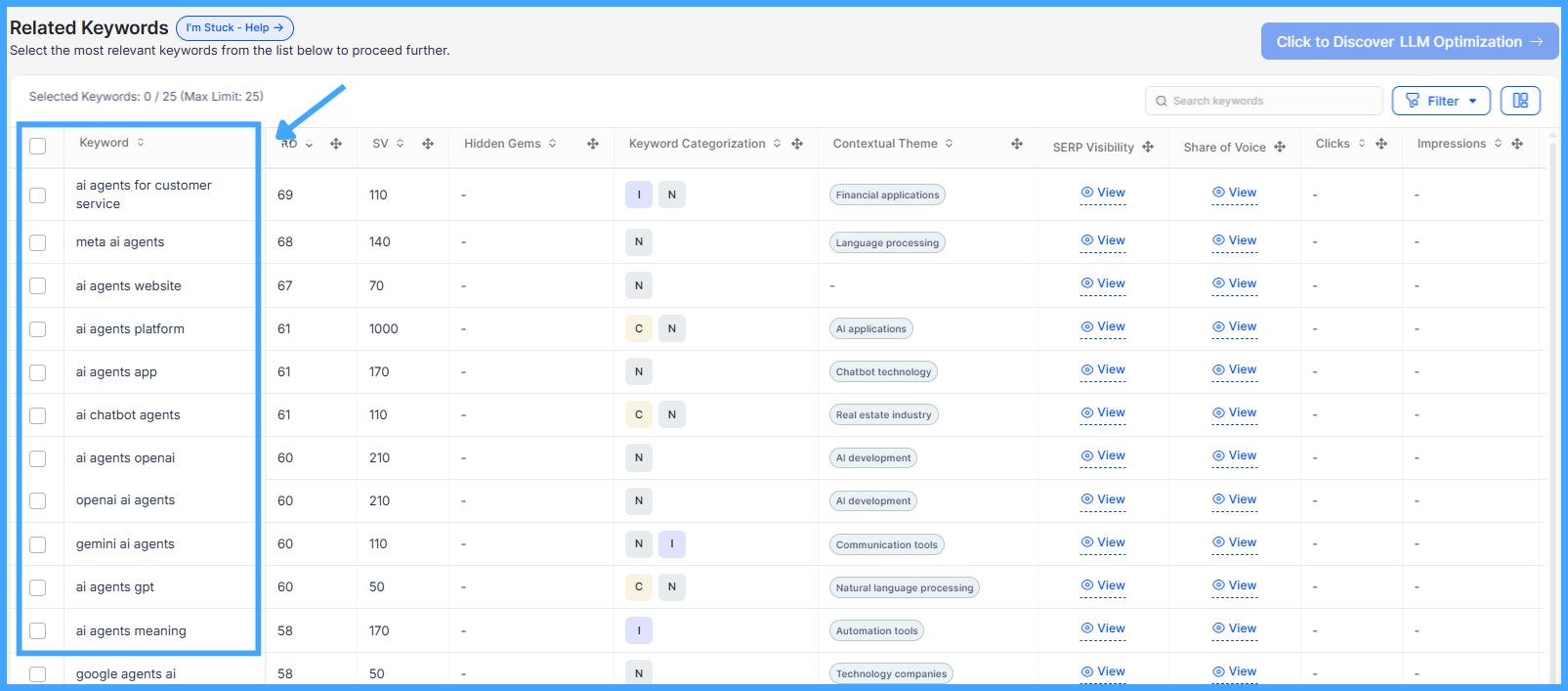
Without connected workflows, keyword research becomes a guessing game. Writers may chase high-volume terms, analysts may focus on click-through rates, and no one verifies user intent alignment. According to Backlinko’s content study, 94% of all blog posts receive zero external backlinks, which underscores how weak topic alignment or intent mismatch can leave content invisible. Unlike traditional SEO tools, KIVA’s AI-powered User Intent Analysis automatically classifies every keyword before content creation begins. By combining live search behavior from Google with real-time insights from AI engines, it ensures every piece of content aligns with true user intent—transforming search visibility into intent-driven engagement.
What Are the Consequences of Fragmented SEO Workflows on Content Quality?
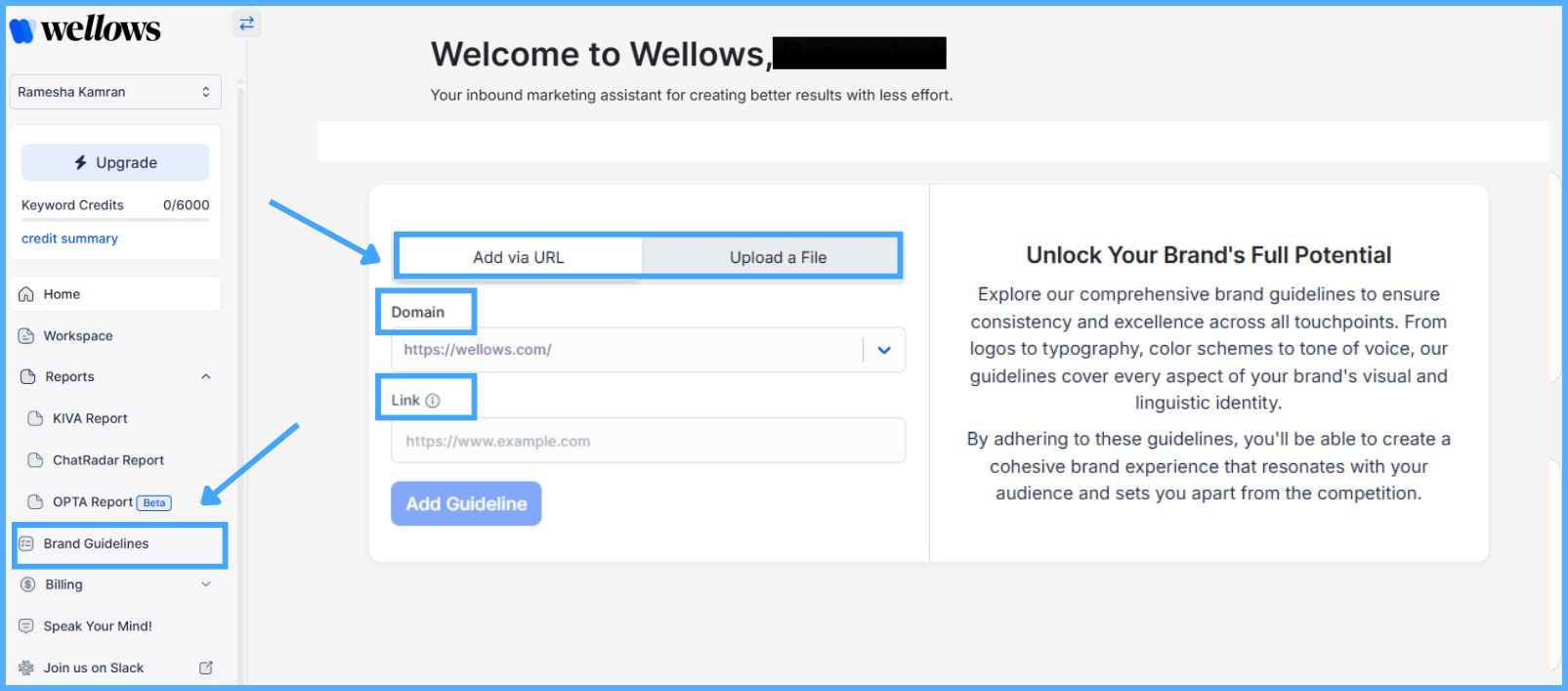
When workflows splinter, editorial quality becomes inconsistent. One writer may follow structured data best practices while another ignores them. A strategist may recommend semantic anchors that never make it into the draft. Over time, your content library loses cohesion and trustworthiness. Google’s Search Quality Rater Guidelines highlight E-E-A-T (Experience, Expertise, Authoritativeness, Trust) as a key ranking factor. Yet, fragmented workflows make it nearly impossible to maintain consistent voice, evidence, and formatting across content assets. KIVA solves this by embedding brand guidelines directly into every brief. It aligns tone, structure, and factual standards automatically, ensuring that even large teams produce content that sounds unified, authoritative, and on-brand.
How Does Workflow Fragmentation Damage Team Collaboration and Efficiency?
In fragmented systems, collaboration becomes a chain of misunderstandings. The SEO team speaks in metrics, the writers think in stories, and the developers focus on speed all valid priorities, but none synchronized.
KIVA’s integrated environment acts as a shared workspace where strategists, writers, and editors operate from the same data. Instead of passing static spreadsheets, they collaborate dynamically ensuring that every stage supports a unified SEO outcome.
How Do Fragmented SEO Workflows Compromise SEO Metrics and Reporting Accuracy?
Fragmented reporting often leads to contradictory insights. One analytics tool might show rising organic traffic, while another highlights declining conversions. Without a unified reporting system, SEO teams risk misreading performance and chasing false signals instead of real opportunities. According to BrightEdge’s 2025 AI Search Impact Study, AI-driven search results now overlap with 54% of traditional organic listings, proving that fragmented analytics can easily overlook cross-channel visibility. By merging SERP, AI search, and performance metrics into one transparent ecosystem, KIVA eliminates ambiguity. This unified layer helps marketers interpret results holistically, ensuring that strategic decisions are based on complete, accurate insights rather than fragmented data.
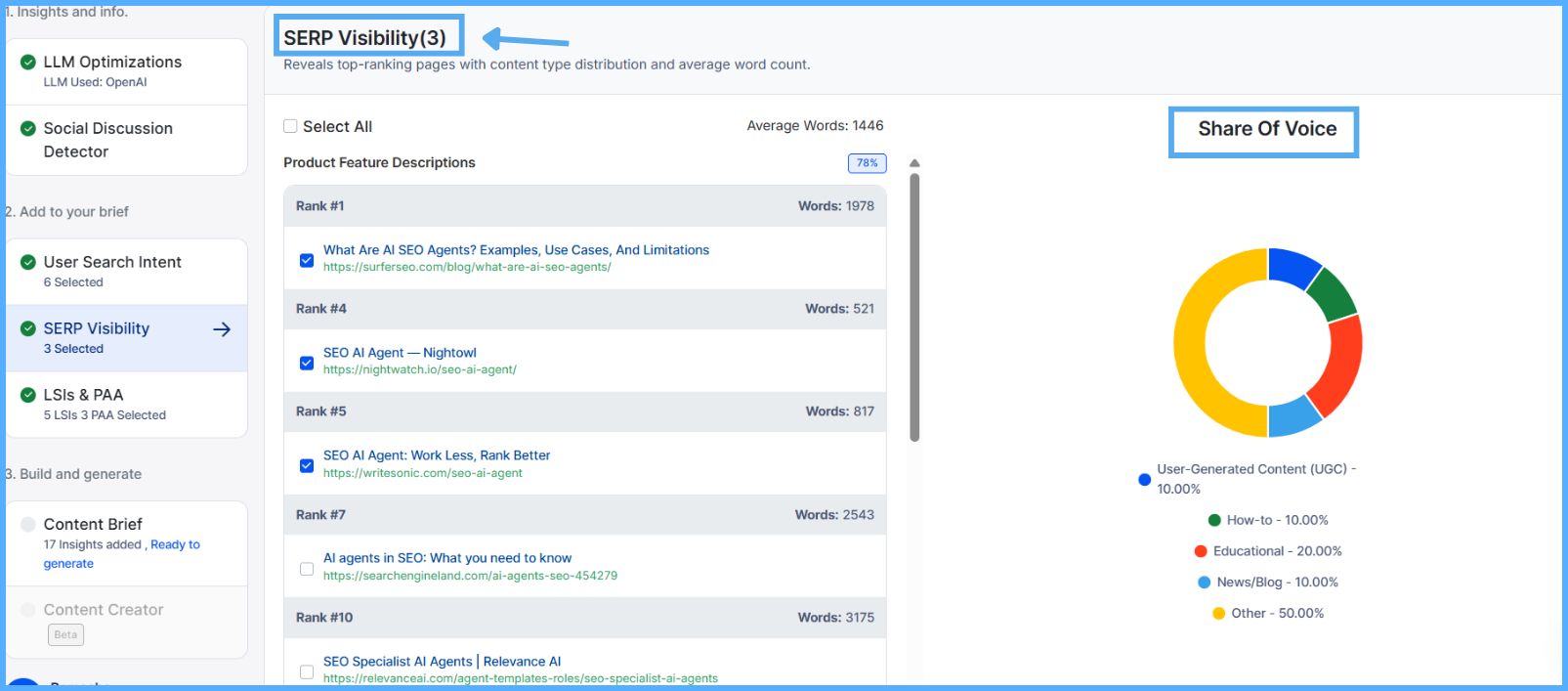
How Does Fragmentation Lower Website Visibility Across SERPs and AI Search?
Search visibility now extends beyond Google’s ten blue links. AI summaries, People Also Ask results, and conversational engines like Perplexity or DeepSeek represent new visibility layers. Fragmented workflows ignore these channels, leaving untapped opportunities. According to Search Engine Land (June 2025), click-through rates from AI Overviews drop by about 35% when a brand isn’t cited in AI-generated summaries. To appear in both search and AI outputs, content must follow consistent semantic and structural standards. KIVA bridges the gap between traditional search and AI discovery by structuring content, headings, and entities so both crawlers and LLMs interpret it with precision keeping your brand clear, consistent, and visible across every emerging discovery surface.
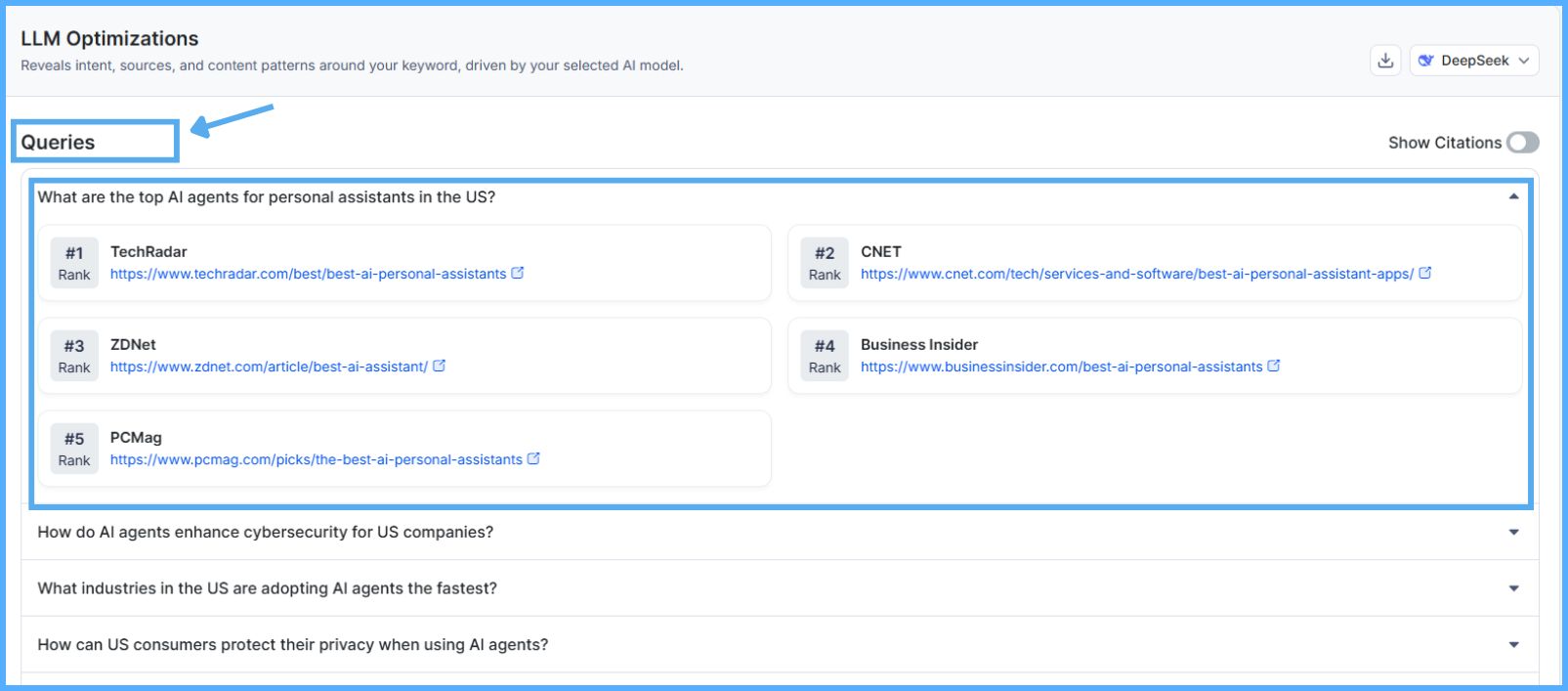
How Can You Analyze and Measure the Effectiveness of Fragmented Workflows?
Auditing your SEO workflow begins with visibility mapping. List every tool, task, and handoff point. Track how long data takes to move from research to publication. If feedback loops exceed a few days or involve multiple exports, fragmentation is present. KIVA simplifies this by unifying keyword discovery, content creation, and optimization into a single seamless workflow. By combining SERP insights, intent analysis, and AI-driven clustering, it helps teams spot inefficiencies early and refine their strategy continuously instead of reacting after problems appear.
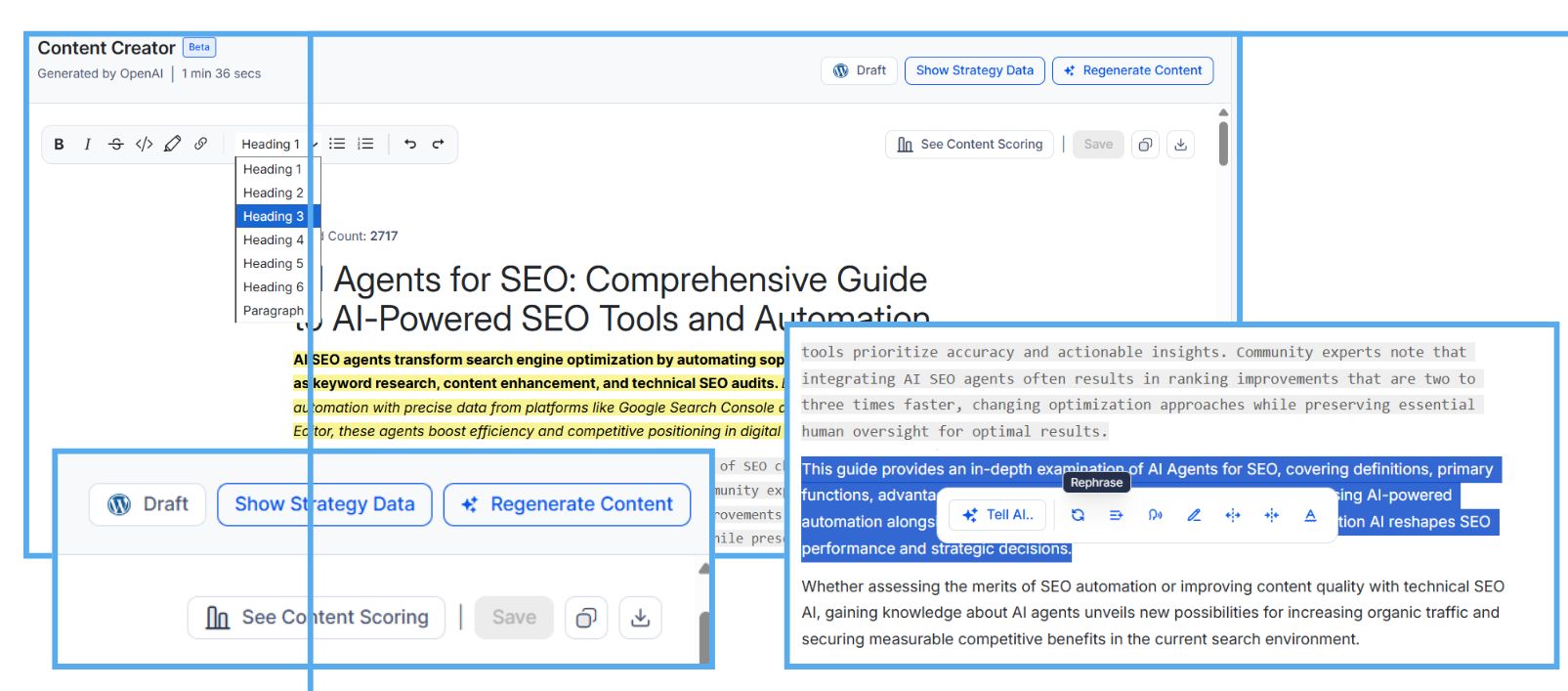
How Can SEO Automation Rebuild Efficiency and Consistency?
Automation isn’t about removing humans it’s about removing repetitive tasks. Automated workflows can handle keyword grouping, intent tagging, and content scoring, freeing your team to focus on strategy and creativity. Organizations that adopt marketing automation often report substantial gains in efficiency and faster campaign execution. In digital operations generally, automation reduces manual handoffs, speeds up iteration, and increases consistency. KIVA brings this approach. It supports unified SEO workflows with features like one-click brief generation, topic clustering, and AI-powered content scoring shifting effort from repetitive tasks to strategic insight and impactful execution.
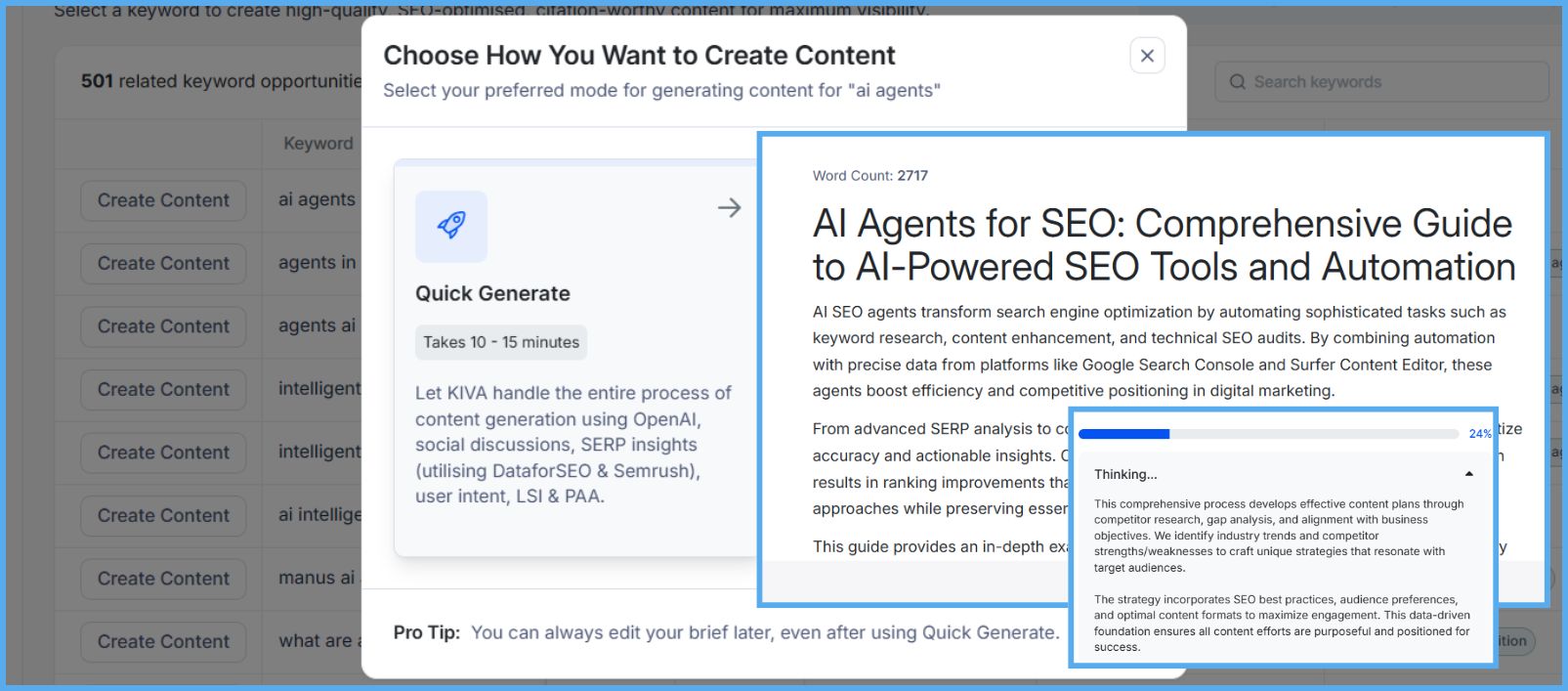
How Is AI Transforming SEO Workflow Management?
AI has shifted SEO from reactive analysis to predictive insight. Modern algorithms can now anticipate ranking opportunities, uncover topical gaps, and optimize readability for both human users and large language models. Leading AI SEO systems analyze thousands of search and LLM queries every month to detect emerging content trends and ranking signals. By interpreting these evolving patterns early, marketers can position their content for visibility before competitors identify the same opportunities.
How Can Teams Rebuild a Unified, Scalable SEO Workflow?
A unified workflow starts with simplification: one platform for data, one for collaboration, and one for execution. The focus should be on process integrity ensuring every stakeholder operates from shared context. KIVA delivers that through seamless connections between Google Search Console, SERP analysis, and real-time brief generation. It scales without adding chaos, supporting both freelancers and enterprise teams through one coordinated environment.
How Does Internal Linking Help Reconnect Fragmented SEO Strategies?
Internal linking is the architecture of discoverability. In fragmented systems, it’s often inconsistent or overlooked yet Google’s Search Relations team has repeatedly emphasized that internal links are one of the most powerful ways to help search engines understand site hierarchy and page importance.
When done strategically, internal links act like signals of relevance that connect topics, strengthen authority, and guide both users and crawlers toward key pages.
In essence, a thoughtful internal linking strategy transforms a collection of pages into a connected ecosystem—one where every new piece of content amplifies the authority, relevance, and discoverability of the entire site.
How Does a Unified Workflow Strengthen Brand Authority and Trust?
Consistency breeds credibility. When every content piece shares tone, structure, and accuracy, readers recognize reliability and algorithms reward it. E-E-A-T signals depend on coherence: consistent authorship, verified claims, and clean structure. KIVA’s workflow enforces these elements, ensuring every article aligns with brand voice, factual integrity, and schema-friendly metadata that supports higher trust scores.
What Is the Future of SEO Workflow Management in the AI Era?
SEO is moving toward intelligent orchestration. The winning strategies will merge automation with empathy machines for efficiency, humans for authenticity. Future workflows will focus on adaptability: continuous optimization rather than quarterly audits. Systems like KIVA represent this future today evolving from a passive toolset into an active SEO partner that learns, adapts, and refines over time.
Which KPIs Prove That Unified SEO Workflows Deliver Better ROI?
Unified workflows produce measurable gains across three dimensions:
Speed: faster content production and optimization cycles. Accuracy: improved intent targeting and keyword relevance. Sustainability: consistent authority growth over time.
Brands using centralized SEO management report 35–45% faster execution and up to 30% higher conversion from organic traffic, according to BrightEdge’s 2025 Benchmark Report.
How Can Businesses Future Proof Their SEO Against Workflow Fragmentation
Future proofing SEO begins with proactive integration and consistent alignment. Teams should audit their workflows regularly to identify where delays, redundancies, or data silos are slowing progress. Maintaining a shared structure for keyword mapping, content planning, and reporting helps every team member work from the same foundation, reducing confusion and keeping strategy focused. Automation plays a vital role but should evolve alongside algorithmic and platform changes. The goal is to use technology to streamline repetitive tasks like reporting and data collection while allowing human expertise to lead strategy, creativity, and interpretation. A workflow that learns, adapts, and connects every stage of SEO ensures long term stability even as search systems continue to change.
What Are the Key Takeaways for Solving Fragmented SEO Workflows
Fragmented workflows weaken visibility and drain valuable time and effort. A connected system brings clarity, consistency, and momentum to every stage of SEO.
Unified workflows improve collaboration and eliminate repetition Automation strengthens creativity when used with purpose Consistent process reviews keep strategies current and effective Continuous optimization ensures alignment with evolving search behavior By focusing on connection, clarity, and adaptability, businesses can build SEO systems that grow stronger with every update rather than falling behind them.
Read More Articles
- How to Build Topical Authority in SEO Without Spending Thousands on Tools
- Why Real-Time SEO Data Is the New Advantage in Search Optimization
- Search Behavior Patterns in SEO: Turning Insights Into Winning Content Ideas
- How predictive SEO insights help you stay ahead of competitors
- Why SERP visibility analysis is the secret to uncovering competitor gaps
FAQs
They fragment when teams adopt new tools without integration. Each platform stores its own data, and without a connecting layer, insights remain trapped in silos.
Yes. Start with a workflow audit, standardize reporting, and use scalable AI SEO Agents like KIVA to centralize tasks affordably.
AI automates keyword clustering, content scoring, and brief generation, reducing manual research time and improving accuracy.
Traditional tools collect data; an AI SEO Agent like KIVA interprets and acts on it aligning strategy, execution, and optimization seamlessly.
Every quarter or after major process or team changes. Regular reviews ensure alignment and prevent inefficiencies from re-emerging.
Conclusion
Ignoring workflow fragmentation is no longer an option. It drains resources, limits rankings, and weakens brand trust. In contrast, unified SEO systems empower teams to move faster, collaborate smarter, and build lasting visibility across both Google and AI-driven search ecosystems.
The future belongs to brands that connect their strategy with precision and purpose. KIVA, as an AI SEO Agent, embodies that future transforming disconnected SEO processes into one intelligent, adaptive workflow that scales with your ambitions.
For marketers serious about sustainable growth, now is the time to audit, align, and evolve. Cohesion isn’t just efficiency it’s the foundation of SEO authority in the AI era.