Creating an editorial SEO style guide has become essential for content teams seeking consistent quality and Generative Engine visibility.
By combining traditional SEO best practices with modern language models (LLMs), organizations can develop comprehensive style guides that maintain brand voice while optimizing for search engines.
I’ve found that this structured approach helps content teams work cohesively while meeting both user and search engine needs.
In today’s AI-driven search environment, it also means aligning with Generative Engine Optimization principles—ensuring content is structured not just for SERPs, but also to be cited, summarized, and surfaced in generative search results.
This checklist provides a step-by-step framework for developing, implementing, and measuring the success of an editorial SEO style guide enhanced by LLM capabilities.
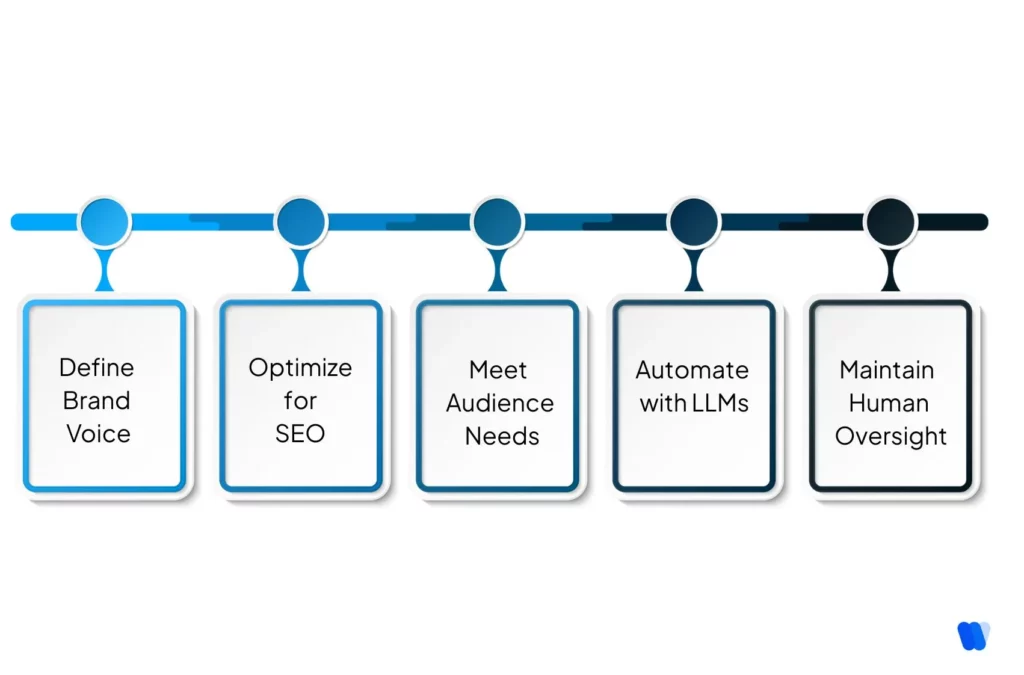
What is the Editorial SEO Style Guide Creation with LLMs?
Editorial SEO Style Guides powered by LLMs combine brand voice with search optimization, helping teams create consistent, high-ranking content that satisfies both readers and search engines while saving time.
This checklist helps content teams establish consistent guidelines for creating high-quality, SEO-optimized content that reflects brand voice and meets audience needs.
By incorporating LLMs into the style guide creation process, teams can automate certain aspects of content optimization while maintaining human oversight for creative and strategic elements.
And here’s where LLM Seeding comes in once your content is consistently high-quality and brand-aligned, strategically placing it in AI-visible, authoritative sources ensures it’s not just well-written, but also discoverable and reference-worthy in AI-generated results.
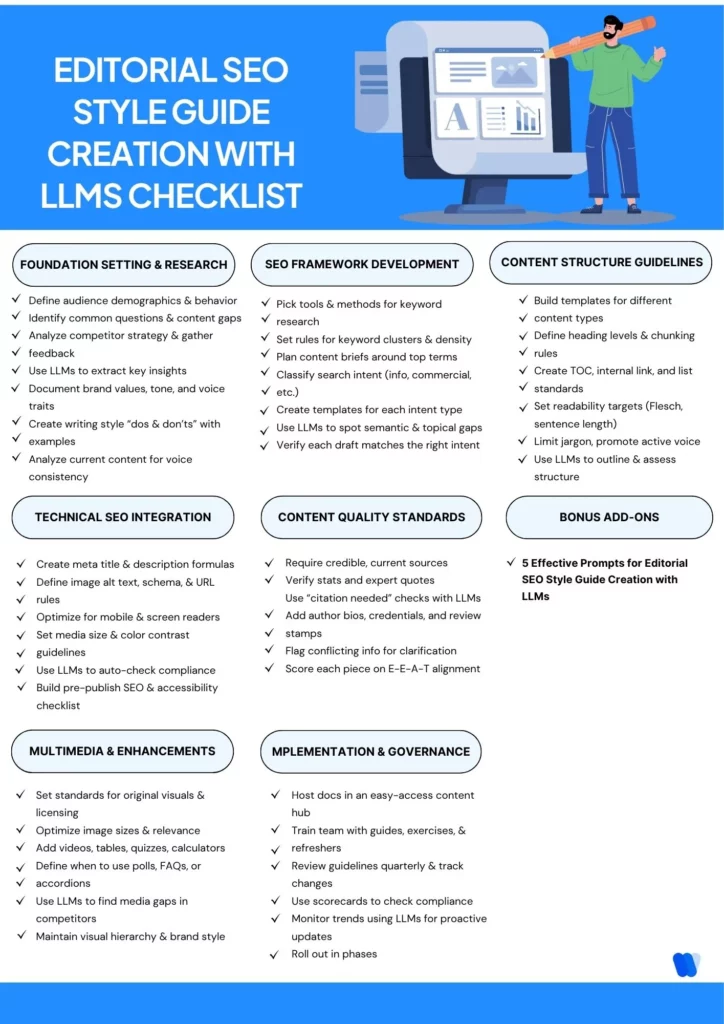
Editorial SEO Style Guide Creation with LLMs Checklist
Creating an effective editorial SEO style guide with LLMs requires careful planning and execution.
I’ve broken down this process into seven key phases that will guide you through establishing a comprehensive resource for your content team.
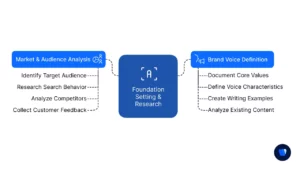
Phase 1: Foundation Setting & Research
Start by learning who you’re writing for and how they search.
This phase helps you shape clear content goals and a voice your audience connects with.
Market & Audience Analysis
- Identify your primary target audience demographics and psychographics
- Research your audience’s search behavior patterns and preferences
- Document common questions your audience asks online
- Analyze competitors’ content strategies and identify gaps
- Collect customer feedback about content preferences and pain points
- Use LLMs to compile audience insights from multiple data sources
Brand Voice Definition
- Document your brand’s core values and mission
- Define 3-5 key brand voice characteristics (e.g., authoritative, friendly, technical)
- Create examples of writing that reflect your ideal tone
- Identify content types that require different tones or approaches
- Develop “do and don’t” writing samples for each content type
- Use LLMs to analyze existing content for voice consistency
- Create template prompts for maintaining voice across content pieces
Quick Guide: Audience Research Methods
| Method | Best For | Tools |
|---|---|---|
| Surveys | Direct feedback | Google Forms, SurveyMonkey |
| Social listening | Trend identification | Brandwatch, Hootsuite |
| Search analytics | Query analysis | Google Search Console, Semrush |
| Customer interviews | In-depth insights | Zoom, UserTesting |
| Forum analysis | Community pain points | Reddit, Quora, industry forums |
Tip: When using LLMs for audience research, provide specific parameters to narrow the focus. For example, instead of asking “What does my audience want?”, try “What are the top 5 questions home gardeners ask about organic pest control based on search data?” This produces more actionable insights.
Phase 2: SEO Framework Development
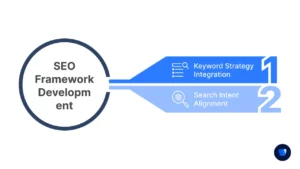
Build a smart SEO plan with keywords and intent in mind.
This phase helps your team—and your LLMs—create content that shows up and makes sense to searchers.
Keyword Strategy Integration
- Establish keyword research methodology and tools
- Create guidelines for keyword clustering and topic mapping
- Develop protocols for primary vs. secondary keyword usage
- Document best practices for keyword placement in content
- Define guidelines for keyword density and natural integration
- Create processes for updating keyword strategy quarterly
- Use LLMs to help identify semantic keyword opportunities
- Develop templates for keyword-driven content briefs
Search Intent Alignment
- Create a search intent classification system (informational, commercial, etc.)
- Document patterns for matching content formats to search intent
- Develop guidelines for addressing multiple intents in one piece
- Create content templates optimized for different search intents
- Establish methods for validating content against search intent
- Use LLMs to analyze top-ranking content for intent patterns
- Create a checklist for intent verification before publication
Always start with user intent. Know why someone is searching, what they need, and how they want the answer. When your content matches that intent, it’s more likely to rank well and be picked up by AI tools like ChatGPT, Gemini, and Claude.
Note: I’ve found that using LLMs to analyze the top 10 search results for your target keywords can reveal patterns in how successful content addresses search intent. Feed these pages into your LLM and ask it to identify common topics, formats, and approaches. This gives you a template for creating content that aligns with what search engines already reward.Cheat Sheet: Keyword Strategy Elements
Phase 3: Content Structure Guidelines
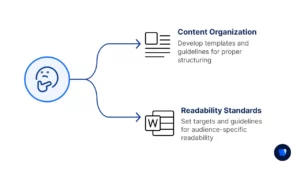
Build a smart SEO plan with keywords and intent in mind.
This phase helps your team—and your LLMs—create content that shows up and makes sense to searchers.
Content Organization Templates
- Develop standardized templates for different content types
- Create heading hierarchy guidelines for proper HTML structuring
- Establish rules for content chunking and paragraph length
- Document best practices for list formatting and table usage
- Define protocols for image placement and captioning
- Create guidelines for internal linking structure within content
- Use LLMs to generate content outlines based on templates
- Design table of contents requirements for long-form content
Readability Standards
- Set readability score targets for different audience segments
- Establish sentence and paragraph length guidelines
- Define vocabulary complexity standards based on audience
- Create rules for jargon usage and explanation requirements
- Document transition word usage for improved flow
- Develop guidelines for active vs. passive voice usage
- Use LLMs to check and enhance content readability
- Create examples of before/after content that meets standards
Tip: I recommend creating a “skeleton template” with LLMs for each major content type you publish. For example, for how-to guides, have your LLM generate a standard structure with introduction formats, step breakdown approaches, and conclusion elements. This ensures consistency while saving tremendous time for writers.Handy Template: Content Structure Checklist
Phase 4: Technical SEO Integration
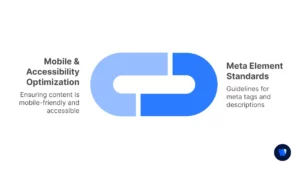
Make sure your content meets the behind-the-scenes rules search engines care about.
This phase helps you cover things like titles, mobile views, and accessibility.
Meta Element Standards
- Create formulas for title tag creation with keywords
- Establish character limits and formatting for meta descriptions
- Develop guidelines for image alt text optimization
- Define standards for URL structure and formatting
- Document requirements for schema markup by content type
- Create canonical tag usage guidelines for similar content
- Use LLMs to generate and optimize meta elements
- Develop templates for social sharing meta tags
Mobile & Accessibility Optimization
- Set standards for mobile-friendly content formatting
- Establish guidelines for image size and compression
- Create accessibility requirements (alt text, heading structure, etc.)
- Define standards for color contrast in design elements
- Develop protocols for multimedia content accessibility
- Document guidelines for touch-friendly element spacing
- Use LLMs to check content for accessibility compliance
- Create a pre-publication mobile-friendly checklist
Reference Table: Meta Element Guidelines
| Element | Character Limit | Format | Example |
|---|---|---|---|
| Title tag | 55–60 | Primary Keyword – Secondary Keyword | Brand | “Organic Gardening Tips – Pest Control | GreenThumb” |
| Meta description | 140–160 | Value proposition + CTA with keyword | “Learn expert organic gardening techniques to eliminate pests naturally. Download our free guide for step-by-step methods.” |
| Image alt text | 125 max | Descriptive with keyword if relevant | “organic tomato plant with companion marigolds for pest control” |
| URL structure | 75 max | domain.com/category/specific-topic | example.com/gardening/organic-pest-control |
Note: When using LLMs to generate meta elements, I’ve found it helpful to provide examples of your best-performing pages as reference points.
This helps maintain consistency while optimizing for click-through rates. Always have a human review AI-generated meta content to ensure it accurately represents the page content.
Phase 5: Content Quality Standards
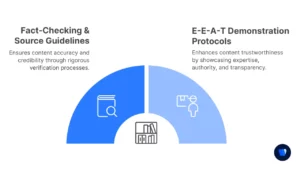
Set the bar for what “good” content means to your team.
This phase helps writers back up claims, follow expert standards, and earn reader trust.
Fact-Checking & Source Guidelines
- Establish requirements for source credibility and recency
- Create processes for fact verification before publication
- Define standards for statistics usage and citation
- Develop guidelines for expert quote inclusion
- Document requirements for citing original research
- Create protocols for updating content with new information
- Use LLMs to identify claims that require citation
- Design source diversity requirements for comprehensive coverage
E-E-A-T Demonstration Protocols
- Define methods for showcasing author expertise
- Create guidelines for authority signals within content
- Establish standards for transparency disclosures
- Develop protocols for displaying credentials appropriately
- Document requirements for expert review processes
- Create guidelines for handling conflicting information
- Use LLMs to identify opportunities to enhance E-E-A-T signals
- Design content quality scoring systems aligned with E-E-A-T
Tip: I create a “citation needed” protocol with my writers, where we use LLMs to analyze draft content and flag statements that would benefit from supporting evidence. This helps ensure we’re building trust with readers and search engines by backing up claims consistently. Have your LLM highlight any factual claims that aren’t common knowledge and need citation.Verification Framework:
Phase 6: Multimedia & Enhancement Guidelines
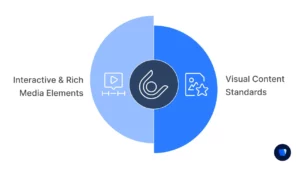
Plan how to use images, videos, and tools in your content.
This phase helps boost attention and gives people more reasons to stay and explore your site.
Visual Content Standards
- Establish image quality and size requirements
- Create guidelines for image relevance to content
- Define standards for original vs. stock photography
- Develop protocols for image optimization and compression
- Document requirements for image attribution and licensing
- Create guidelines for branded visual elements
- Use LLMs to generate image description suggestions
- Design standards for visual hierarchy within content
Interactive & Rich Media Elements
- Define standards for embedded video content
- Create guidelines for interactive elements (polls, quizzes, etc.)
- Establish protocols for custom graphics and infographics
- Develop standards for interactive tools and calculators
- Document requirements for audio content and transcripts
- Create guidelines for social media embeds
- Use LLMs to brainstorm rich media opportunities
- Design templates for common interactive elements
Rich Media Decision Matrix:
| Content Goal | Recommended Element | SEO Benefit |
|---|---|---|
| Explain complex process | Infographic or video | Increased time on page |
| Show product in use | Demo video or 360° image | Reduced bounce rate |
| Compare options | Comparison table or tool | Featured snippet potential |
| Build engagement | Poll or quiz | Increased interaction signals |
| Answer questions | FAQ accordion | Featured snippet potential |
Note: I’ve found that using LLMs to analyze top-performing content in your niche can help identify patterns in multimedia usage.
Ask your LLM to review competitor content and suggest multimedia elements that could enhance your own pieces.
This helps create more engaging content that keeps users on page longer—a positive signal to search engines.
Phase 7: Implementation & Governance
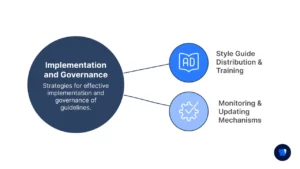
Put the guide into action and keep it running smoothly.
This phase is all about team training, updating rules as needed, and checking what’s working.
Style Guide Distribution & Training
- Create an accessible documentation hub for all guidelines
- Develop onboarding training for new content team members
- Establish a regular refresher training schedule
- Create quick reference guides for daily content creation
- Document examples of guideline application in real content
- Develop Q&A resources for common questions
- Use LLMs to create personalized training scenarios
- Design interactive exercises to test guideline knowledge
Monitoring & Updating Mechanisms
- Establish a quarterly review schedule for guide relevance
- Create a metrics dashboard for content performance tracking
- Develop a process for incorporating team feedback on guidelines
- Establish a protocol for updating guidelines with algorithm changes
- Document version control system for style guide updates
- Create an alert system for critical SEO changes affecting guidelines
- Use LLMs to monitor industry trends for potential updates
- Design a scorecard for measuring guideline compliance
Tip: Consider creating an LLM-powered “style guide assistant” that team members can query when they have questions about applying guidelines to specific content pieces. This provides immediate assistance and helps reinforce consistent application while reducing the need for human review of basic questions.Implementation Roadmap:
Using LLMs effectively can dramatically improve your editorial SEO style guide development process. I’ve crafted these prompts specifically to help you extract the most valuable insights during different phases of your style guide creation. Analyze these 5 top–performing articles from our website [insert URLs]. Identify: Format your response as a voice guide with specific examples and recommendations. Review these top-ranking articles for the keyword “[target keyword]”: [URLs of top 3-5 ranking articles] Analyze and provide: Create a recommended content structure template we could use that incorporates their best practices while differentiating our approach. Based on these successful articles on our site [URLs], analyze: Create guidelines for our writers on how to naturally incorporate keywords while maintaining quality content flow. Analyze these top-performing pages [URLs] and: Create a meta element template guide our team can follow for [content type]. Review this draft article [text or URL] against our SEO and editorial requirements: Provide an overall quality score and actionable recommendations for improvement.
5 Effective Prompts for Editorial SEO Style Guide Creation with LLMs
1. Brand Voice Analysis Prompt
2. Competitor Content Structure Prompt
3. Keyword Integration Pattern Prompt
4. Meta Element Optimization Prompt
5. Content Quality Assessment Prompt
Implementing an editorial SEO style guide enhanced by LLMs is just the beginning. To ensure continued value and effectiveness, I recommend establishing measurement protocols that track both content quality and performance metrics. I compare these results against clearly defined GEO KPIs so I can see how well the guide is not only improving rankings and consistency but also driving meaningful Generative Engine visibility and engagement outcomes.
How to Measure the Success of Editorial SEO Style Guide Creation with LLMs
Content Quality Metrics
SEO Performance Indicators
LLM Integration Effectiveness
By following this comprehensive checklist and measuring your results consistently, you’ll create an editorial SEO style guide that evolves with search algorithms, maintains brand consistency, and drives measurable improvements in content performance.
Check out More Checklists!
- Client Onboarding Checklist for AI Visibility Platforms
- Generative Engine Optimization Checklist for Brand Visibility
- LLM Pattern Analysis Checklist
- Keyword Strategy Integration for LLM SEO Checklist
- E-E-A-T Strengthening SEO Checklist Using LLM Outputs
- Editorial SEO Style Guide Creation with LLMs Checklist
- On-Page SEO Content Checklist for LLM-Generated Content
- AI Visibility Deliverables Checklist for Agencies
- Multi-Client AI Visibility Reporting Checklist for Agencies 2026
- SEO to GEO Transition Checklist for Agencies
- GEO Audit Checklist for Agencies 2026