Google search is changing fast, and learning how to rank in Gemini is now essential for maintaining organic visibility. Instead of showing 10 blue links, Gemini-powered AI Overviews often answer questions directly on the results page.
This means traditional rankings alone are not enough. Your content must be one of the sources Gemini trusts, pulls from, and cites in AI-generated answers.
Right now, 60% of Google searches end without a click, because users get what they need directly on the results page (Digital Bloom, 2025). That reduces traffic even when a page ranks well.
To grow through search in 2026, content must be clear, trustworthy, and structured for extraction. That is why marketers are adopting Generative Engine Optimization (GEO) to make content easier for Gemini to understand and reuse in AI Overviews.
Wellows supports this shift by helping teams measure Search Engine Visibility, including where a brand appears, how often it is cited, and which competitors are gaining exposure, so GEO efforts can be tracked and improved with clear signals over time.
- The goal has shifted: you’re not just trying to rank anymore, you want Gemini to cite and use your content in AI answers.
- Fresh content wins: pages that are regularly updated perform better in AI responses, especially on topics that change quickly.
- Make it easy to extract: use clear headings, short paragraphs, bullet points, tables, and FAQ formats so AI can pull answers cleanly.
- Authority matters more than ever: show real expertise, cite your sources, and build trust signals, Gemini favors content it can verify.
- Some industries face higher bars: health, finance, and legal topics (what Google calls “Your Money or Your Life”) require stronger credentials and sourcing to get featured.
How Do I Rank My Website Higher In Google Gemini Answers?
Google Gemini selects content differently from traditional search results. Instead of ranking pages only to earn clicks, it evaluates whether a page is suitable to summarize, reference, or cite inside an AI-generated response.
This is why many teams now use an AI visibility platform like Wellows to monitor where a brand is being surfaced and cited across AI answers, not just where it ranks.
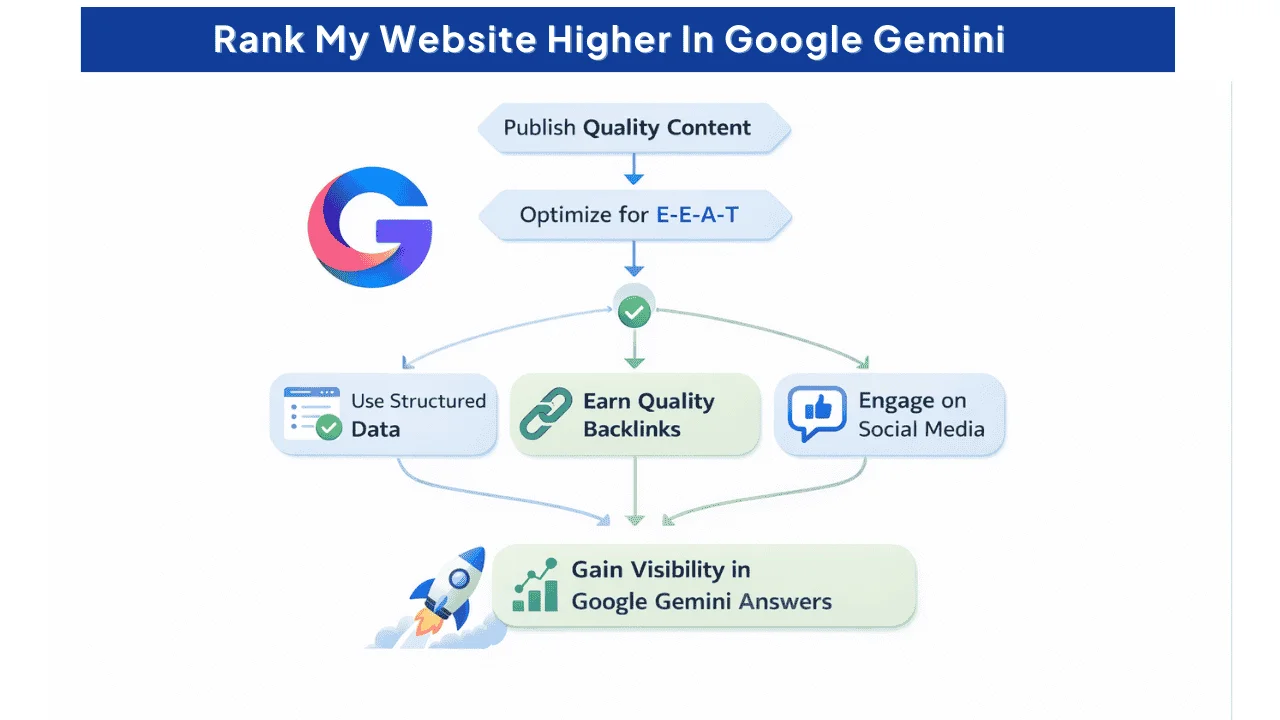
What Gemini Looks For At A High Level
- Direct usefulness: content answers the question or completes the task without unnecessary setup.
- Low-risk reuse: statements are specific, factual, and still accurate when quoted out of context.
- Clear scope: the page makes it obvious who it’s for, what it covers, and when/where it applies.
- Consistency: terminology and conclusions don’t shift across sections, reducing ambiguity.
SEO practitioners testing AI results (including discussions in communities like (r/SEO and r/BigSEO) frequently observe that AI citations don’t always go to the longest or most “keyword-optimized” pages. Clear, concrete explanations and easy-to-lift sections often win because they are safer and faster to reuse.
How Gemini Ranking Differs From Classic Blue-Link SEO
- Chunk-level selection: Gemini may extract one paragraph, list, or table instead of “rewarding” the entire page.
- Intent-format match: how-to queries favor steps; comparison queries favor tables; definition queries favor tight explanations.
- Lower tolerance for hype: vague claims and overly promotional copy reduce reusability.
- Visibility can happen without top rankings: a page may be cited even if it’s not in the top few blue links.
What “Success” Looks Like In Gemini
- Your page is cited as a source inside the AI answer.
- Your content is summarized or paraphrased (a definition, step list, checklist, or comparison).
- Your brand becomes a repeated reference across related queries, even if clicks are lower.
Noindex Code (Use With Caution)
If you do not want a page to appear in Google results (and therefore not be eligible for AI answers), add a noindex directive:
<meta name="robots" content="noindex, nofollow">Note: Pages with noindex cannot be cited or summarized in Gemini. Use this only for drafts, staging pages, or content you want excluded.
What’s The Step-By-Step Guide To Ranking On Google Gemini?
Google Gemini (and AI Overviews) often answers questions directly in search results. To earn visibility, your goal is to publish content Gemini can discover, understand, and trust enough to summarize or cite. Use the steps below to improve your chances of showing up in Gemini answers across competitive industries.
Step 1: Practice Ongoing SEO (Technical + Content)”
Google Gemini’s AI experiences are built on Google Search, so strong SEO fundamentals still determine whether your pages are eligible to appear.
Keep content crawlable and indexable, maintain fast load times and mobile UX, and use HTTPS. On the content side, publish consistently, avoid thin pages, and ensure every page adds unique value (clear answer, deeper guidance, better examples) compared to what already ranks.
- Technical checklist: indexable URLs, clean canonicals, no accidental noindex, working internal links, optimized Core Web Vitals
- Content checklist: clear purpose per page, helpful depth, accurate information, strong internal linking
Step 2: Target Conversational Phrases
Gemini is triggered heavily by natural-language search. Instead of only optimizing for short keywords, map how people phrase requests in real life (questions, problems, scenarios). Then build a hub-and-spoke plan:
- Hub page: targets the main conversational question
- Spoke pages: target variations based on intent (budget, location, audience, use-case, timeline)
Example:
- Hub: “What are good destinations for a summer vacation?”
- Spokes: “best summer destinations for families,” “best international summer destinations,” “best long weekend summer getaways”
This structure increases your chances of being relevant to many Gemini-style queries without forcing everything into one page.
Step 3: Improve Content Readability
Gemini pulls and summarizes text that is easy to scan. Make your content “extractable” by formatting it for fast comprehension:
- Use descriptive H2/H3 headings that match real questions
- Keep paragraphs short (2–4 sentences) and focused on one idea
- Use bullets for options, pros/cons, checklists, and definitions
- Add tables for comparisons (pricing, features, best-for scenarios)
- Include a short “quick answer” section near the top
If a section wouldn’t make sense when copied out of context, rewrite it until it does, this is how you improve reuse in Gemini answers.
Step 4: Demonstrate E-E-A-T
Gemini prioritizes sources that show Experience, Expertise, Authoritativeness, and Trustworthiness, especially in industries where accuracy matters most (health, finance, legal, safety). Strengthen E-E-A-T by making trust visible on the page:
- Experience: first-hand examples, tested steps, original screenshots/photos, real case notes
- Expertise: author bios, credentials, certifications, editorial review process
- Authority: reputable mentions/backlinks, partnerships, awards, industry recognition
- Trust: citations to primary sources, clear dates, contact info, policies, accurate claims
For YMYL topics, add “reviewed by” notes and cite official sources wherever possible.
Step 5: Refresh Content Regularly
To stay competitive in Gemini answers, keep high-value pages current. Refreshing content should add real value, not just change the year. Strong refresh actions include:
- Update pricing, policies, product features, standards, or regulations
- Add new examples, FAQs, and updated recommendations
- Improve clarity where users struggle (based on Search Console queries)
- Fix outdated screenshots/steps and broken links
Publish a visible “Last updated” line so users (and systems) can see the content is maintained.
Step 6: Use Schema Markup
Schema markup helps Google interpret what your page is about and which parts answer specific questions. Use schema that matches the content type:
- FAQPage: Q&A sections
- HowTo: step-by-step instructions
- Article: editorial posts and guides
- Product/Review: ecommerce pages and comparisons
- Recipe: cooking content with ingredients/times
- LocalBusiness: local services and location pages
Keep markup aligned with visible page content and validate it using Google’s testing tools before publishing.
Step 7: Get Cited Online
Gemini is more likely to trust brands that are consistently referenced across the web. Build external validation signals through:
- Backlinks: from relevant, reputable industry sites
- Unlinked mentions: PR coverage, roundups, community references
- Reviews: consistent, legitimate customer reviews on trusted platforms
- Listings: complete and accurate business profiles (especially for local SEO)
- Profiles: strong presence on credible social and industry platforms
The goal is to become a recognized entity, not just a standalone page.
Step 8: Build Topic Clusters and Internal Links
Gemini tends to surface sources that show depth. Topic clusters help Google understand you cover a subject comprehensively.
- Create a pillar page for the main topic
- Publish supporting pages for subtopics and question-variations
- Link pillar ↔ spokes using descriptive anchor text
- Add navigation paths so users (and crawlers) can discover related content
This improves topical authority and increases your chance of appearing for multiple Gemini queries instead of just one.
How To Track Gemini Citations And AI Visibility With Wellows
If your goal is to appear in Gemini answers, you need a way to measure visibility beyond clicks and blue-link rankings. AI Overviews can reduce organic traffic even when you rank well, so tracking citations (where your brand/page is referenced inside AI answers) becomes a primary GEO KPI.
Track brand visibility across AI platforms, not just rankings.
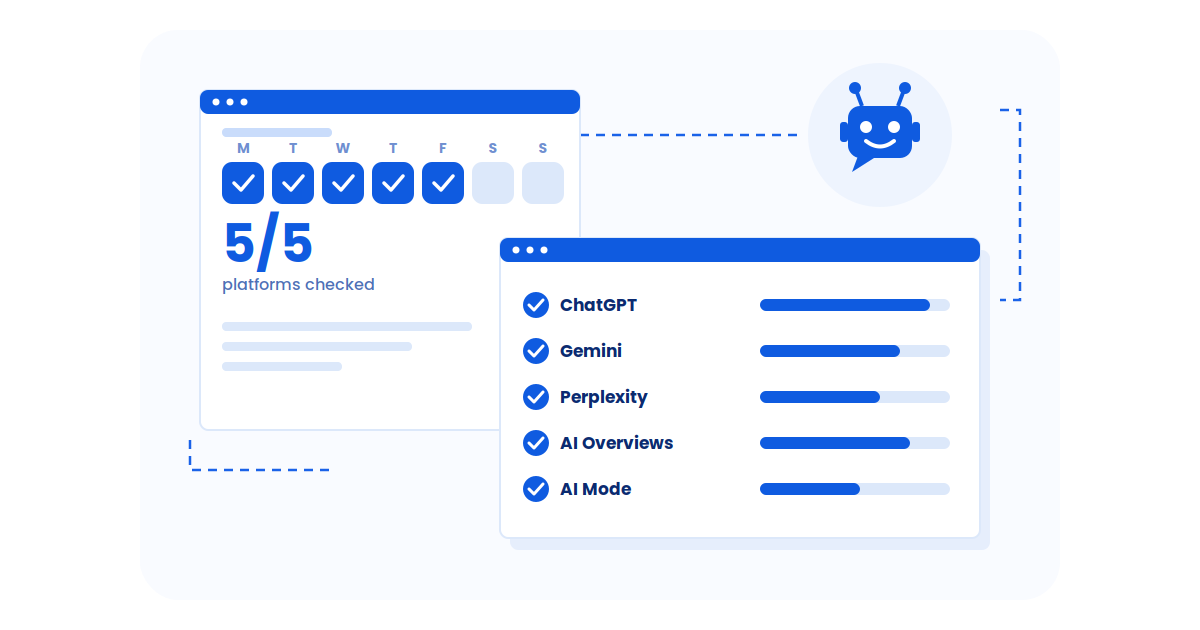
This view shows how often your brand is mentioned or cited across major AI answer engines, including Gemini, Google AI Overviews, ChatGPT, and Perplexity. Instead of guessing where your brand stands, you can see side-by-side visibility percentages for each platform and compare yourself directly against competitors.
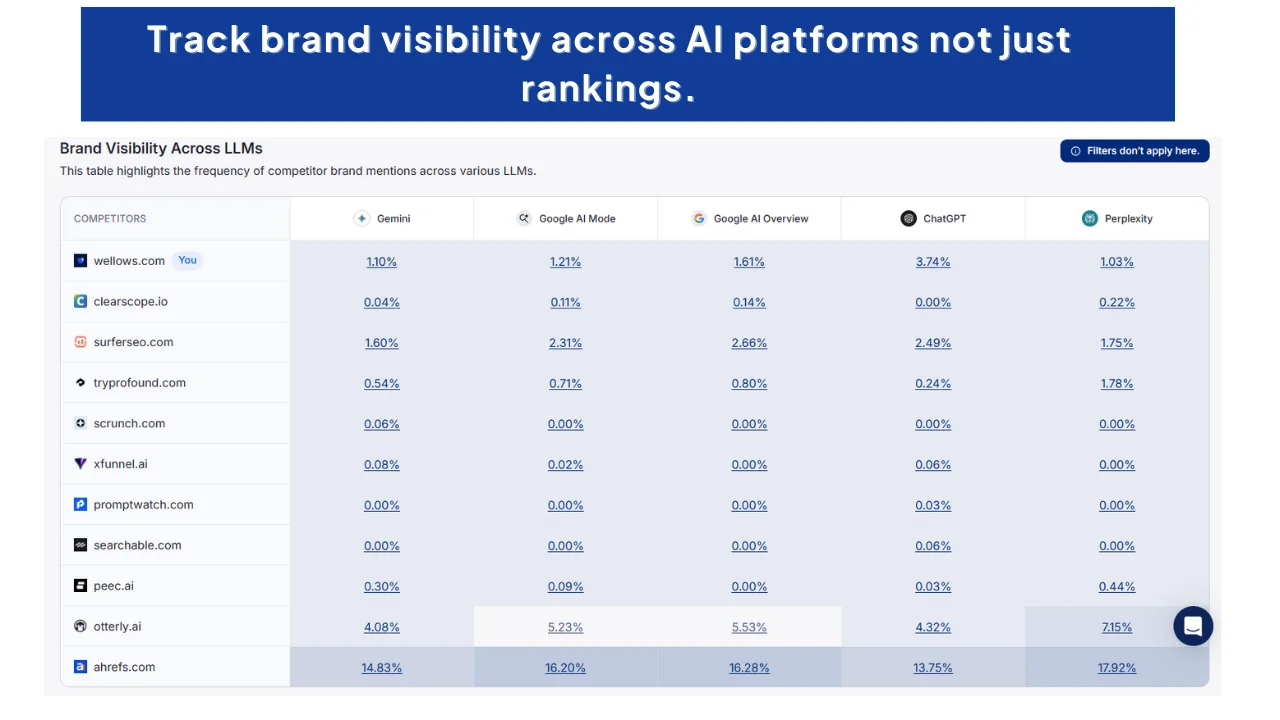
Understand who AI systems actually cite.
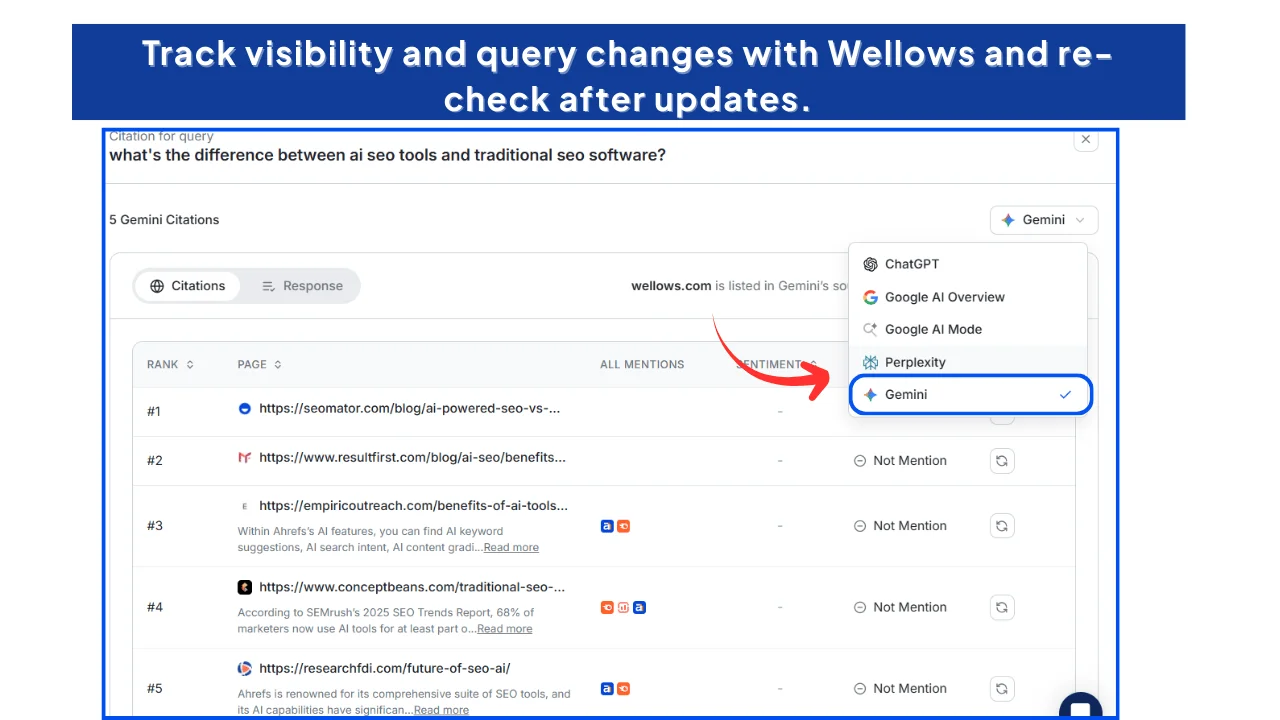
Beyond overall visibility, Wellows lets you inspect Top Cited Queries, the exact prompts where AI engines pull sources. For each query, you can see:
- Which pages are cited by Gemini and other AI systems
- Whether your brand is explicitly mentioned or skipped
- How competitor pages are structured when they win citations
Measure citation performance over time.
The Citation Score shows how frequently your domain appears in AI-generated answers for a selected platform (such as Gemini). This makes it possible to track progress after content updates and see whether changes actually increase AI reuse, not just traditional rankings.
Why this matters:
As AI answers reduce clicks, brand visibility increasingly comes from being cited, summarized, or referenced inside those answers. Wellows helps you monitor that visibility directly, by platform, by query, and over time, so you can optimize for how AI systems actually surface content.
Can You Explain How To Optimize Content For Gemini’s AI Search Results?
Optimizing for Gemini is about making your content easy for an AI system to select, understand, and reuse accurately. Instead of rewarding pages that simply rank well, Gemini favors content that can be safely extracted and assembled into a complete, reliable answer.
The optimization focus shifts from “ranking signals” to answer construction signals, how well your content helps Gemini build an answer without confusion or risk.
Answer usefulness (does the content complete the job?)
Gemini prefers content that fully resolves a user’s task, not just part of it. Pages that move logically from explanation to action, clarifying the problem, outlining options, and guiding next steps, are easier for the AI to summarize than content that stops at surface-level information.
Extractable sections (AI-ready answer blocks)
Content is more likely to be reused when it’s broken into short, self-contained sections. Each block should make sense on its own, without relying on earlier paragraphs for context. This allows Gemini to lift a single definition, list, or explanation without misrepresenting the meaning.
Format-fit to query type
Gemini evaluates whether the structure of a page matches the type of question being asked. Instructional queries work best with step-by-step layouts, comparison queries with tables and criteria, and definition-style queries with concise explanations followed by examples. Matching format to intent improves selection accuracy.
Reduced ambiguity (clarity over cleverness)
Pages perform better when terminology is consistent, assumptions are stated explicitly, and recommendations are clearly scoped. Avoid switching labels, implied context, or vague phrasing. A predictable flow, from basics to details to decisions, reduces interpretation errors.
Gemini must assemble answers quickly and confidently. Well-structured content lowers the chance of misinterpretation, making it safer to reuse. When answers are clearly segmented and labeled, the AI can select the most relevant portion with minimal risk.
Structural Patterns That Improve Reuse
- Question-based headings that mirror natural-language queries
- Standalone explanations that don’t depend on surrounding text
- Lists and tables for comparisons, criteria, and steps
- Concise summaries that restate key points without adding noise
Summary: Content optimized for Gemini isn’t just “well-written.” It’s designed to be assembled into answers, clear in purpose, precise in language, and structured so each part can stand alone without losing meaning.
Why Isn’t My Site Showing Up In Gemini Responses And How To Fix It?
If your pages rank in traditional search but rarely appear in Gemini answers, the issue is usually not a single technical mistake. In most cases, Gemini is skipping content because it’s too risky, unclear, or incomplete to reuse confidently.
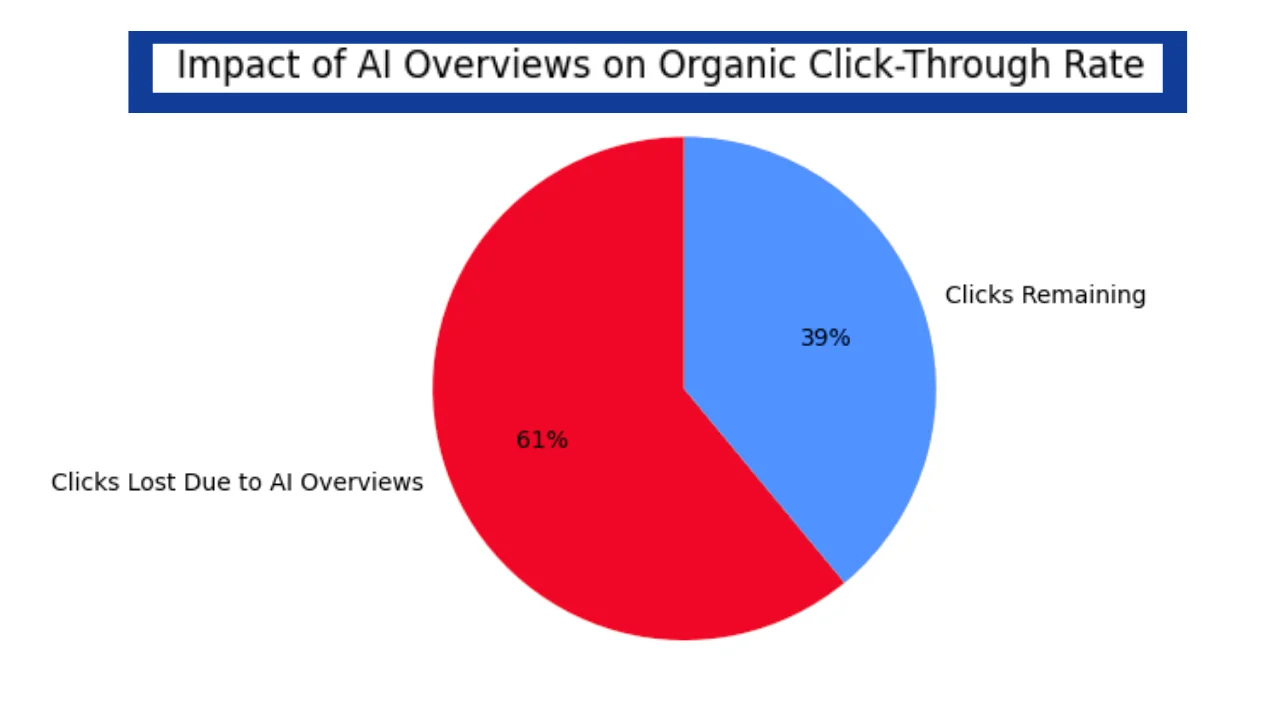
Did you know?
The stakes are real: organic CTR drops by 61% when AI Overviews appear (Dataslayer, 2025), which means if you’re not being cited in those AI summaries, you’re losing the majority of potential clicks, even when you rank well organically. And with AI Overviews now appearing on approximately 15.69% of all queries (Semrush, Dec 2025), this isn’t a fringe issue, it’s affecting a significant portion of search traffic across nearly every industry.
Based on patterns observed in Google Search Central guidance, SEO case studies, and practitioner discussions on Reddit (2024–2025), Gemini tends to exclude pages for a small set of repeatable reasons. The good news: each problem has a clear fix.
Common Reasons Gemini Ignores Content
- Partial answers: The page addresses the topic but doesn’t fully solve the user’s task.
- Unclear intent: The content doesn’t clearly match what the user is trying to do (learn, compare, decide, act).
- Weak confidence signals: No visible expertise, sourcing, or accountability. Google Search Central (2025)
- Poor extractability: Answers are buried in long paragraphs or depend on earlier context.
- Outdated or ambiguous information: Gemini avoids content that may no longer be accurate.
Problem → Fix Mapping
| Problem Gemini Detects | How To Fix It |
|---|---|
| Page explains the topic but stops short of guidance | Add completion signals such as steps, decision criteria, examples, and next actions so the full task is solved. |
| Content doesn’t clearly match query intent | Rework sections to align format with intent, such as how-to steps, comparison tables, or definitions. |
| Answers rely on surrounding context | Rewrite key sections so each answer block can stand alone without losing meaning or clarity. |
| No visible expertise or trust indicators | Add author attribution, credentials, first-hand experience, and clear sourcing. |
| Information may be outdated | Update content with recent changes and explain what’s different now and why it matters. |
| Vague language or inconsistent terminology | Standardize terms, clarify scope, and remove ambiguous phrasing. |
How To Confirm What’s Working (And Validate Fixes)
- Pick 10–20 Gemini-style queries and note which sources/formats show up (steps, tables, checklists).
- Compare your page to cited pages on: completeness, extractability, clarity, credibility.
- Use Search Console to find conversational queries you only partially answer, then improve those sections.
- Spot patterns from r/SEO and r/BigSEO threads on why pages get skipped.
- Track visibility changes with Wellows and re-check after updates. Google (2024)
Finally, keep in mind that Google has publicly acknowledged quality and safety adjustments to AI summaries after early issues, so pages that reduce misinformation risk (clear sourcing, careful language, transparent authorship) tend to be the safest to reuse.
Did you know?
Key takeaway: When Gemini doesn’t show your site, it’s usually a clarity or confidence problem, not a visibility problem. Make your content easier to finish, safer to reuse, and clearer to extract, and Gemini becomes far more likely to include it.
What Is E-E-A-T And How Does It Help Rank In Google Gemini?
E-E-A-T stands for Experience, Expertise, Authoritativeness, and Trustworthiness. In AI-driven answers, trust matters more than ever because Gemini is responsible for summarizing information directly for users. If Google is going to reuse or paraphrase your content, it needs confidence that the information is accurate, safe, and accountable.
And the data backs this up:
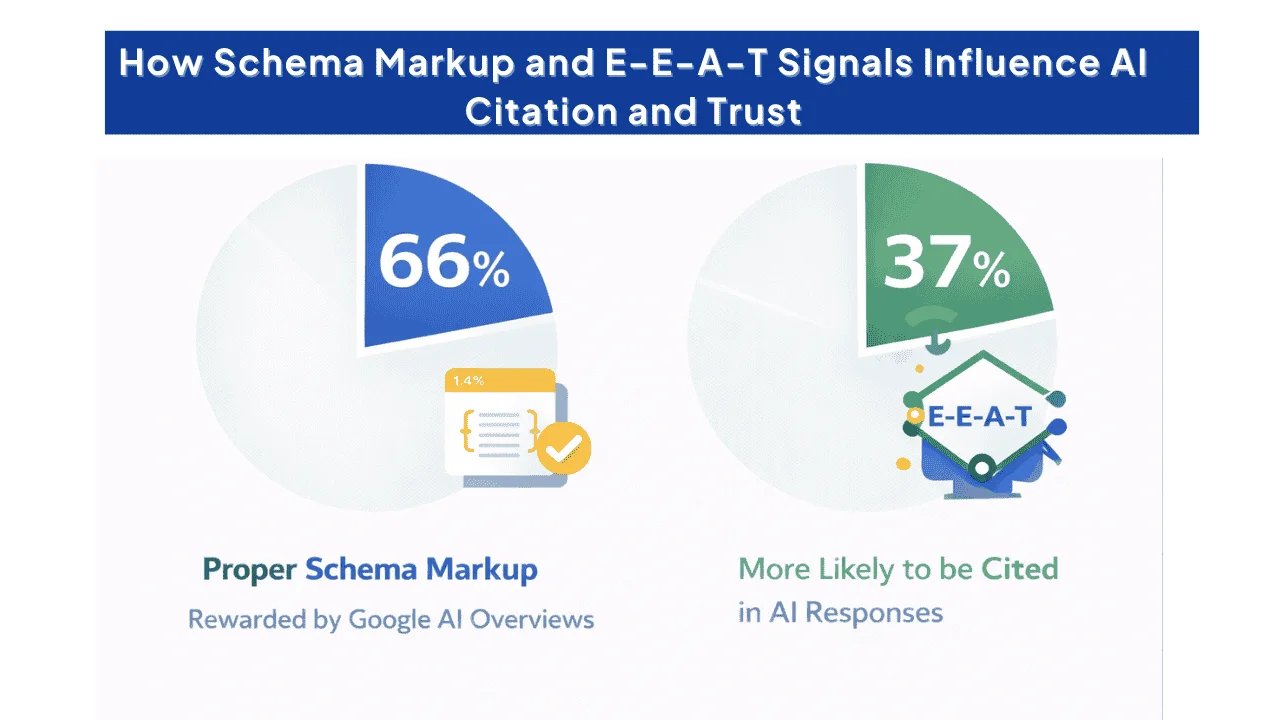
66% of Google AI Overviews reward pages with proper schema markup, a key trust signal that helps AI systems verify content structure and credibility. Meanwhile, content with clear E-E-A-T signals has a 37% higher likelihood of being cited in AI responses compared to pages without visible credibility markers (Prerender.io, 2025).
Why Trust Matters More In AI Answers
Unlike traditional search results where users can compare multiple links, Gemini often presents a single synthesized answer. This raises the risk of misinformation. To reduce that risk, Gemini leans toward sources that clearly demonstrate real-world experience, subject knowledge, and reliability. Pages that look promotional, vague, or unverified are less likely to be selected, even if they rank well organically.
Where E-E-A-T Shows Up On-Page
E-E-A-T is not a single ranking factor, but a collection of signals that appear throughout a page and site:
Experience: First-hand examples, real use cases, original photos, screenshots, or tested steps.
Expertise: Author bios, credentials, certifications, or evidence of subject-matter knowledge.
Authoritativeness: Mentions or links from reputable sites, industry recognition, or consistent brand presence.
Trustworthiness: Accurate claims, transparent sourcing, clear dates, contact information, and editorial standards.
When E-E-A-T Is Critical (YMYL Topics)
E-E-A-T becomes especially important for YMYL (Your Money or Your Life) topics, areas where inaccurate information could harm someone’s health, financial security, safety, or legal standing. These include:
- Health and medical advice
- Financial planning, investing, taxes
- Legal guidance and regulations
- Insurance and major purchases
- Safety and emergency information
In these areas, Gemini is far more selective. Content without clear authorship, review processes, or credible sourcing is often excluded entirely. For YMYL content:
- Add “Medically reviewed by Dr. [Name], MD” or “Reviewed by certified financial planner”
- Cite official sources (CDC, IRS, academic journals)
- Avoid absolute claims, use “may,” “typically,” or “according to
- Medium “
- Display credentials prominently and link to author profiles
How To Improve Your E-E-A-T Signals Today
Quick wins you can implement immediately:
- Add detailed author bios to every article with credentials and LinkedIn links
- Implement schema markup for Author, Organization, and Article structured data
- Cite your sources with hyperlinks to reputable studies, reports, and official documentation
- Show last-updated dates prominently and refresh content every 3–6 months
- Include “About Us” and contact information so AI systems can verify your identity
- Add expert review notes for YMYL content (“Reviewed by [Credentialed Expert]”)
- Display trust badges: certifications, awards, media mentions, customer testimonials
Bottom line: E-E-A-T isn’t about gaming an algorithm, it’s about demonstrating to both AI systems and human readers that your content comes from a credible, accountable source. The stronger your trust signals, the more confidently Gemini can cite you.
What Are The Best SEO Strategies To Rank On Gemini In 2026?
As Gemini continues to evolve, SEO is shifting away from isolated optimizations toward overall content reliability and usability. The strongest strategies focus on helping Google confidently reuse your content across AI-driven experiences.
Here’s what’s working in 2026, and what’s fading into the background.
What’s Becoming More Important
| Strategy | Why It Matters for Gemini |
|---|---|
| Task completion | Pages that fully solve a problem (not just explain it) are more likely to be cited because they provide complete, actionable answers Gemini can confidently summarize. |
| Clear structure | Extractable sections with descriptive headings, bullet points, and predictable flow make it easy for AI to pull clean answers without losing context. |
| Topical depth and authority | Comprehensive coverage of a subject (not one-off articles) signals to Gemini that your site is a reliable reference on that topic. |
| Visible credibility (E-E-A-T) | Authorship, sourcing, updates, and accountability built into the page increase Gemini’s confidence in citing you. |
| Fresh context and updates | Explaining what’s changed and why it matters (not just updating dates) keeps content relevant for AI systems that prioritize recency. |
| Schema markup | Structured data (FAQ, HowTo, Article) helps AI systems parse and extract information accurately, 66% of AI Overviews reward proper schema. |
What’s Becoming Less Important
- Exact-match keyword targeting without intent alignment, Gemini understands natural language and context better than rigid keyword placement
- Thin content scaled across many similar pages, AI systems favor depth over breadth and will skip shallow, repetitive pages
- SEO tricks that don’t improve clarity or usefulness, tactics like keyword stuffing or low-value internal linking won’t help you get cited
- Pure backlink quantity without supporting quality and relevance, a few authoritative links beat hundreds of low-quality ones
What Are Practical Real-Time Alert Rules Agencies Set Up for Clients?
These are real-time rules agencies set to catch cost spikes, spend pacing issues, and lead or conversion drops early. They help teams act fast, protect budgets, and prevent performance problems from lasting all day.
- 1. Audit Your Top Pages For AI-Readiness:
Identify the 20% of pages driving 80% of your traffic. For each page, evaluate:
- Does it answer the primary question within the first ~150 words?
- Can the core answer stand on its own without reading the full article?
- Are clear E-E-A-T signals present (author, credentials, dates, sources)?
- Has the content been updated within the last 6 months if the topic changes frequently?
This audit helps surface pages that are eligible for AI reuse versus those that need restructuring.
- 2. Structure Content For Extraction:
Format content so AI systems can easily pull accurate answers:
- Use descriptive H2/H3 headings that mirror real search queries.
- Break long paragraphs into focused 2–3 sentence blocks.
- Add FAQ sections with direct question–answer pairs.
- Use comparison tables, numbered steps, and bullet lists where appropriate.
- Implement schema markup for FAQs, How-Tos, and Articles.
Well-structured pages reduce ambiguity and make reuse safer.
- 3. Refresh Content On A Regular Cadence:
Set a refresh schedule based on business value and change frequency:
- High-priority pages: update every 3 months with new data, examples, and insights.
- Medium-priority pages: refresh every 6 months.
- Evergreen content: review annually and update when facts or best practices shift.
Remember: 76.4% of ChatGPT citations come from content updated in the last 30 days (Passionfruit, 2025). Meaningful updates signal freshness and ongoing authority.
- 4. Build Topical Authority Clusters:
Instead of isolated posts, create comprehensive topic clusters:
- A pillar page covering the broad topic (e.g., “Complete Guide to Generative Engine Optimization”).
- Supporting pages that dive into subtopics (e.g., “How to Optimize for AI Citations,” “E-E-A-T Signals for YMYL Content”).
- Strong internal linking between related pages.
This shows Gemini that your site is a complete resource, not a one-off article.
- 5. Monitor AI Visibility Across Platforms:
Traditional SEO tools don’t track AI citations well. Use specialized tools like Wellows to monitor:
- How often your content appears in Google Gemini responses.
- Citations across ChatGPT, Perplexity, and other AI systems.
- Your relative visibility (“Citation Score”) versus competitors.
- Which content formats and topics drive the most AI exposure.
Use these insights to refine structure, depth, and update strategy over time.
Teams that iterate based on real AI behavior, studying which formats get cited, testing different structures, and adapting based on results, will be best positioned as Gemini continues to change.
The 2026 Competitive Advantage:
While most sites are still optimizing for traditional rankings, early adopters who prioritize AI citation are building a compound advantage. The more often Gemini cites your content, the more your brand becomes associated with expertise, which drives direct searches, brand awareness, and authority that compounds over time.
Bottom line: The best SEO strategy for Gemini in 2026 isn’t a trick or hack, it’s building content that’s so clear, credible, and useful that AI systems want to cite it. Focus on trust, structure, and task completion, and you’ll be ahead of 90% of your competitors.
Read More Articles
- Top Content Marketing Statistics to Know This Year
- What Are SERPs? A Simple Guide for Marketers
- Meta Tags Explained: Titles, Descriptions, and SEO Basics
- LLM Seeding: What It Is and How It Works
- Readability Score in AI Content: Why It Matters
- LLM Content Creation Strategy for Better Visibility
- Reddit and AI Search Visibility: What Marketers Should Know
- ChatGPT Citations Report
- AI Mistakes Marketers Should Avoid
- Real-Time Alerts for Agency Clients
FAQs
Schema markup helps Google understand your content more clearly for AI answers. Use only schema that matches visible content, such as FAQPage, HowTo, or Article, and validate it with Google’s Rich Results tool to avoid errors.
Yes. Gemini favors natural, question-based searches. Focus on real user questions and structure content with clear headings and direct answers instead of stuffing short keywords.
Update content when information changes. Refresh examples, stats, steps, and screenshots, and show a clear “last updated” date so users and AI systems trust the page.
Common issues include buried answers, unclear intent, outdated information, weak trust signals, and overly promotional content that cannot be reused easily in AI responses.
Yes. Small businesses can rank by answering specific questions well, showing real experience, structuring content clearly, and updating pages faster than larger competitors.
Final Thoughts: Ranking In Gemini Is About Being Reusable, Not Just Visible
Search is no longer only about earning a click, it’s about earning a place inside the answer.
Understanding how to rank in Gemini means shifting your focus from blue-link positions to being a source Google’s AI can confidently reuse.
Gemini favors content that is accurate, clearly scoped, easy to extract, and supported by visible trust signals. Pages can still rank well traditionally yet be skipped in AI answers if they’re vague, incomplete, or hard to interpret out of context.
SEO fundamentals still matter, but the definition of success has changed. Learning how to rank in Gemini now means aiming to be cited, summarized, or repeatedly referenced across related queries, even as organic clicks decline.
The sites that succeed treat content as a reference asset, not a ranking trick. They publish complete answers, structure content for reuse, demonstrate real expertise, and keep information current.
As Gemini evolves, knowing how to rank in Gemini will come down to clarity, credibility, and usefulness, not shortcuts.